


Judge by skills and experience, not disability
Challenging Ableism: A Critical Turn Toward Disability Justice in HCI
A reflection on our learnings from the CHI 2022 "Dreaming Disability Justice in HCI" workshop, and why we continue to call for disability justice, despite the limitations of how we practice it within academia and industry.
An Open Letter to Matt Mullenweg on Accessibility in WordPress
October 18, 2026 Dear Mr. Mullenweg, I am writing to you publicly as a blind daily screen reader user, an IAAP Certified Professional in Web Accessibility (CPWA), and the publisher of Blind Access …

Disability-Driven Development
Nothing About Us, Without Us: Disability Justice and AI
Intersectionality, ways that AI can support the disabled, and how we can win the race to make AI more inclusive.
#LiberatingWebinars: Disability Justice & Crip Technoscience: Racism & Ableism in AI
Accessible Color Choices Are About So Much More Than Just Contrast - Sheri Byrne-Haber's Blog
Learn more about disability and accessibility in the business and educational settings from the expert in the field - Sheri Byrne Haber.

Addressing Accessibility Barriers in Programming for People with Visual Impairments: A Literature Review
Accessibility issues with programming languages and programming environments pose a major barrier for students with visual impairments to participate in computing related courses as well as threatens the productivity of professional programmers with visual impairments. To remedy this, the past two decades have witnessed an increase in accessibility research designed to investigate and address the challenges faced by people with visual impairments while programming or learning how to program. We conducted a literature review of accessibility research in this domain. The aim was to identify, aggregate, and highlight known accessibility barriers to programming faced by professional programmers and students with visual impairments learning how to code as well as to identify all solutions that have been proposed to address these barriers. We selected and analyzed 70 papers reporting on accessibility of programming and programming environments for people with visual impairments. Numerous barriers to programming by people with visual impairments have been identified in the literature. Some of these barriers are understudied and present opportunities for future work. A lot of studies have also proposed tools and new accessible programming languages to address the accessibility issues of current programming languages and programming environments.


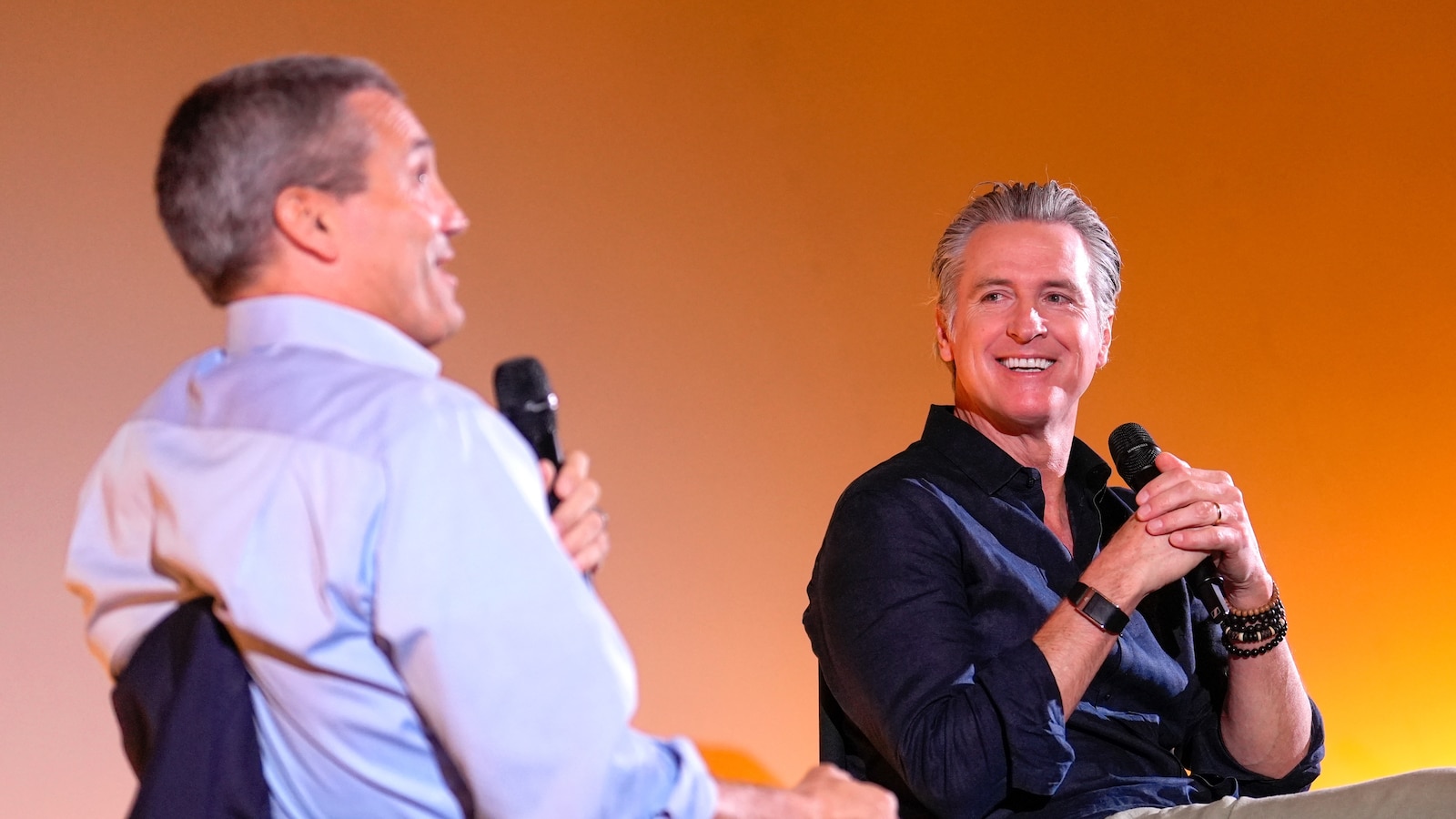
Newsom vetoes measure that would have penalized the use of smart glasses to secretly record people
California Gov. Gavin Newsom has vetoed a bill that would have penalized people for using smart glasses to record people without their permission in changing rooms, doctor’s offices and other spaces people generally consider private
The Dunning-Kruger effect in accessibility - Craig Abbott
Why your confidence in accessibility could be a sign of how little you know
Fact Sheet: New Rule on the Accessibility of Web Content and Mobile Apps Provided by State and Local Governments
The Department of Justice published a Notice of Proposed Rulemaking (NPRM) on July 20, 2023 explaining how we propose updating the regulations for Title II of the Americans with Disabilities Act (ADA) to add more specific requirements about web and mobile application accessibility. This fact sheet gives a plain language summary of the technical standards that state and local governments would have to follow to meet their existing obligations under Title II of the ADA.
Study Finds Growing Workplace Use of Smart Glasses and Generative AI Among Workers with Visual Impairments | Naric
A study funded by the National Institute on Disability, Independent Living, and Rehabilitation Research (NIDILRR).
Out of Sight; Out of Mind - Ewan’s Blog
Disability did not become fashionable. Disabled people became harder to ignore.
The "Disability Dongle": Why Silicon Valley Hates Me and you., Sightless Scribbles
A fabulously gay blind author.
Artificial intelligence-powered smart vision glasses for the visually impaired
Purpose: In India, 4.80 million people are blind, and 4.69 million have severe visual impairment. Globally, the digital era and the advent of artificial intelligence devices offer solutions for daily challenges faced by the visually impaired, but they are often expensive. This study evaluates the acceptance and usability of a cost-effective AI-powered spectacle-mounted assistive device in a multicentric Indian cohort. Methods: Smart vision glass (SVG) is a lightweight tool, mounted on a spectacle frame with braille-coded keys and a real-time voice interface for guiding the visually impaired, and is connected to a smartphone Android App. The four major functions of the device are as follows: “Things Around You,” “Reading,” “Walking Assistance,” and “Face Recognition.” Ninety participants were recruited from five vision rehabilitation centers across India, and feedback was collected after a month’s usage. Results: The mean age of the participants was 23.5 years (range: 6 to 56 years) with 58.9% male; 51% from rural areas; and 64.4% students. As per the World Health Organization (WHO) classification, 90% of the participants were blind (best corrected visual acuity in better eye less than 3/60). A total of 100% of the participants were able to access all the functions of the SVG. Participants reported a positive experience with “Reading” (72.9%), “Things Around You” (44.7%), “Face Recognition” (36.5%), and “Walking Assistance” (22.4%). About 2/3rd of the participants utilized the device for an hour or more per day. Conclusion: SVG is a promising cost-effective device for the blind and severe visually impaired in aiding their day-to-day challenges and becoming self-reliant.

Disability-driven Development

Disability-driven Development is a practice that reimagines computing from a disabled perspective.

Inclusive Design 24 #id24

say eugenics, say it again

Why AI is exposing design’s craft crisis

tech isn’t the future it’s just capitalism faster
The Dunning-Kruger effect in accessibility - Craig Abbott
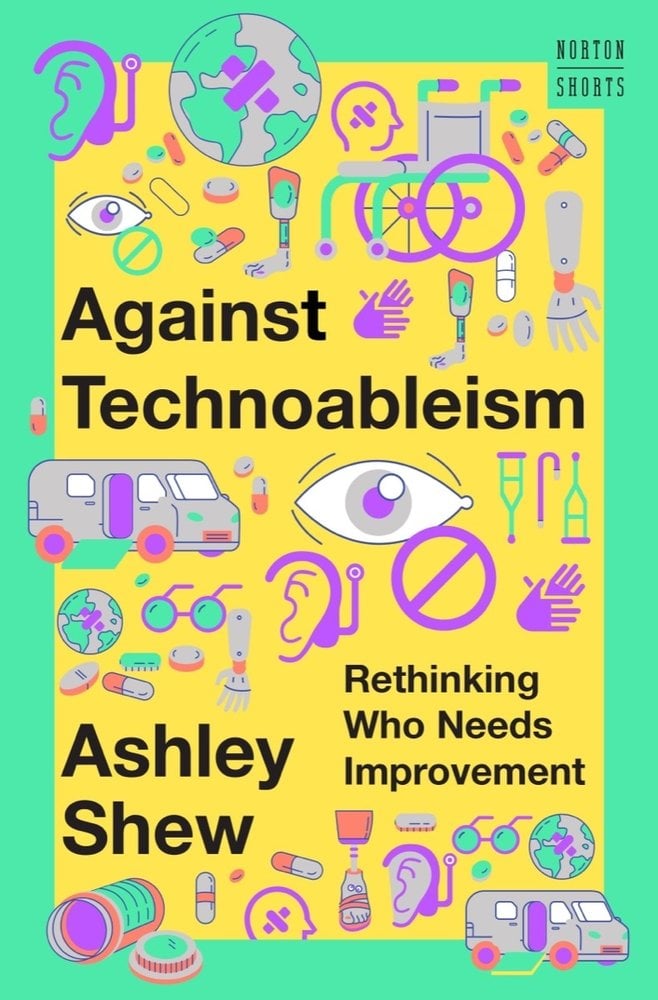
Against Technoableism