


TLDR; uPort, in its quest to create a universal, user-friendly, self-sovereign identity platform, has updated its smart contracts. They are…
Veramo: uPort’s Open Source Evolution
When uPort began at ConsenSys in 2015, the self-sovereign identity space was also in its infancy. Early concepts existed as little more…

uPort's Danny Zuckerman on Self-Sovereign Identity
CoinCentral sat down with Danny Zuckerman from uPort to discuss how self-sovereign identity is the future of digital identity management.

vitalik.eth on Twitter / X
2026 is the year we take back lost ground in computing self-sovereignty.But this applies far beyond the blockchain world.In 2025, I made two major changes to the software I use:* Switched almost fully to https://t.co/caFP0K5fYF (open source encrypted decentralized docs)*…— vitalik.eth (@VitalikButerin) January 22, 2026
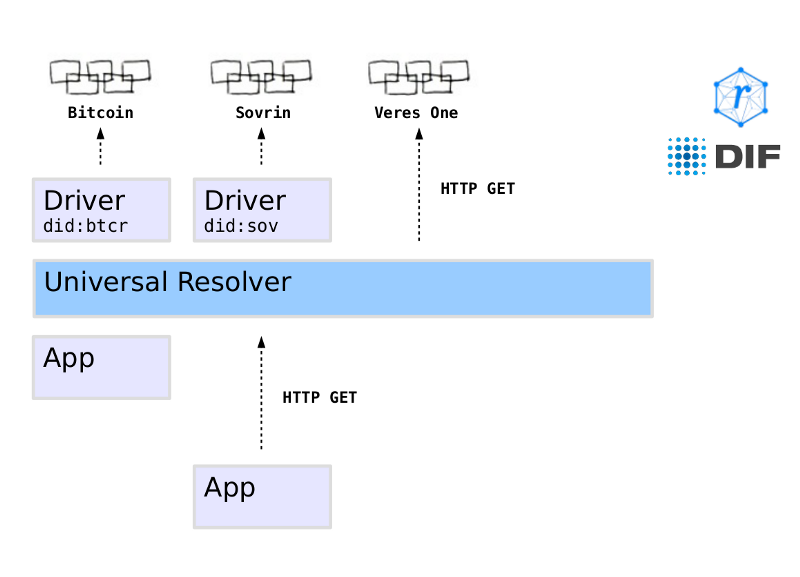
A Universal Resolver for self-sovereign identifiers
On any blockchain or other decentralized system
The Time for Self-Sovereign Identity is Now
Blockcerts, Decentralized Identifiers, and Verifiable Claims

Decentralized Identifiers - PLANET Research - The Open Co-op
Decentralized Identifiers (DIDs) offer self-sovereign identity, reducing reliance on central authorities, enhancing security and user control.

Principal Authority: A New Perspective on Self-Sovereign Identity
This summer, we’ve been iterating through an article intended to talk about the success that Blockchain Commons has had working with the Wyoming legisla...

Toward scalable decentralized identifier systems | Microsoft Community Hub
Announcing a preview of Identity Overlay Network (ION) -- a Sidetree-based DID network that runs atop the Bitcoin blockchain.


15 Open-Source Tools for Digital Sovereignty (2026) | Comparisons & Alternatives | Vucense
Own your digital stack. The 15 best open-source tools for privacy, security, and full control over your data — reviewed and ranked for 2026.
Sovrin: A Protocol and Token for Self-Sovereign Identity and Decentralized Trust - Sovrin
Digital identity is one of the oldest and hardest problems on the Internet. There is still no way to use digital credentials to prove our online identity the same way we do in the offine world. This is finally changing. First, the World Wide Web Consortium is standardizing the format of digitally-signed credentials. Secondly, public blockchains can provide decentralized registration and discovery of the public keys needed to verify digital signatures. These two steps pave the way to establish a global public utility for self-sovereign identity—lifetime portable digital identity that does not depend on any central authority.

Beware of the Impossible Smart Contract
Blockchain News, Opinion, TV and Jobs – The three most common smart contract misconceptions... As the developers of a popular Blockchain platform, Multichain we sometimes get asked whether

NEWS 📣 The Sovereign Tech Agency is launching the Sovereign Tech Standards network today, a new program designed to bring open source maintainers directly into global standards development. sovereign.tech/news/join-sovereign-tech-stan…
