

Shlok Khemani on Twitter / X
Sorry, you're right and I should've been clearer. I wanted to say the approach of extracting user memories and then performing RAG on it, rather than using raw conversations as source of truth.— Shlok Khemani (@shloked) September 15, 2025
War on CARs - Data service diaries
A widespread authenticity problem in the Authenticated Transfer Protocol, from real-world use of Content-Addressible aRchives
War on CARs - Data service diaries
A widespread authenticity problem in the Authenticated Transfer Protocol, from real-world use of Content-Addressible aRchives
Memex
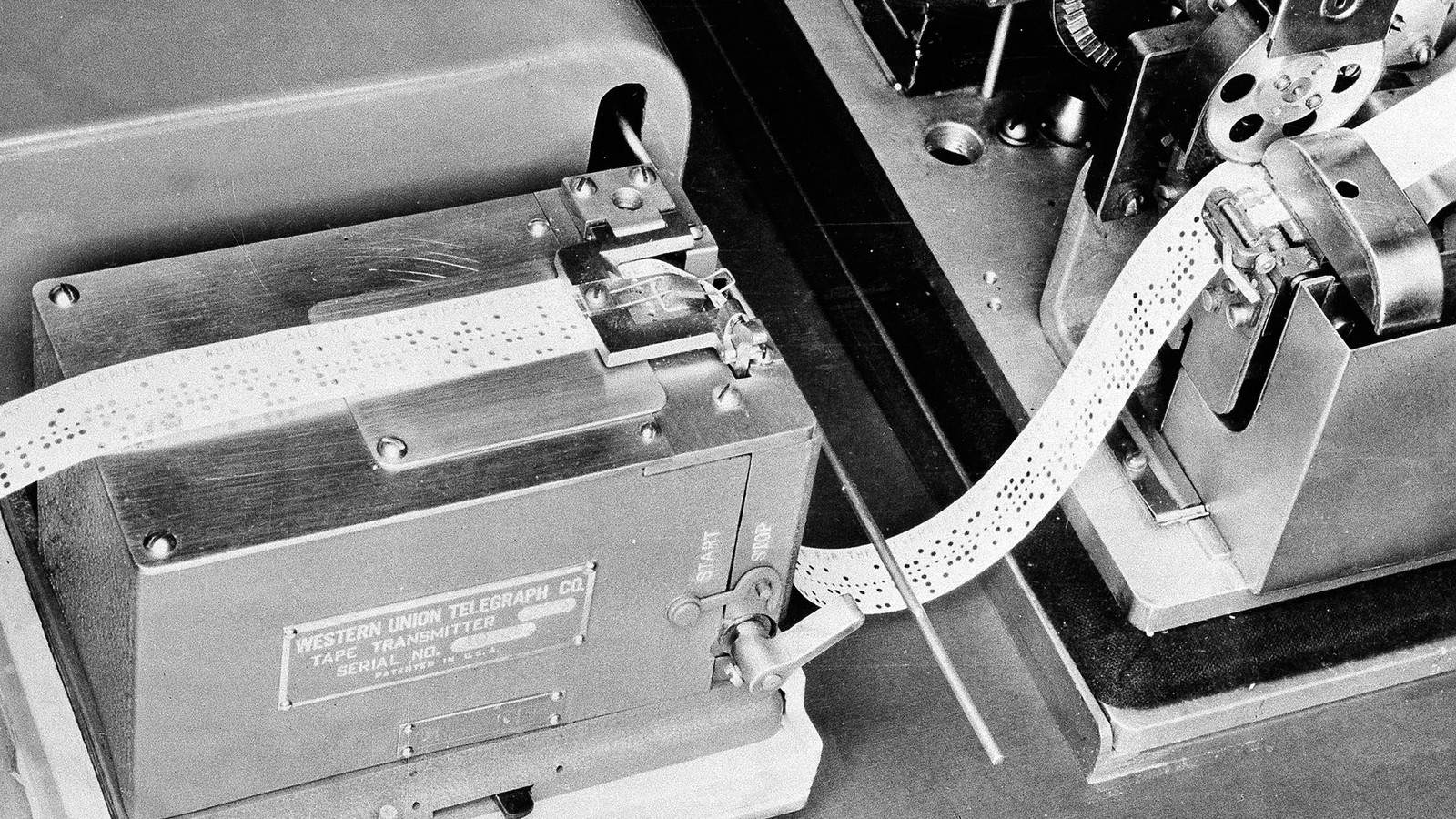
A memex is a hypothetical electromechanical device for interacting with microform documents and described in Vannevar Bush's 1945 article "As We May Think". Bush envisioned the memex as a device in which individuals would compress and store all of their books, records, and communications, "mechanized so that it may be consulted with exceeding speed and flexibility". The individual was supposed to use the memex as an automatic personal filing system, making the memex "an enlarged intimate supplement to his memory".

As We May Think
“Consider a future device ... in which an individual stores all his books, records, and communications, and which is mechanized so that it may be consulted with exceeding speed and flexibility. It is an enlarged intimate supplement to his memory.”
OpenAI Developers on Twitter / X
Last week, we released a preview of memories in Codex.Today, we’re expanding the experiment with Chronicle, which improves memories using recent screen context.Now, Codex can help with what you’ve been working on without you restating context. pic.twitter.com/b3p8I5eXOy— OpenAI Developers (@OpenAIDevs) April 20, 2026

Dia on Twitter / X
Meet @ History - an early access feature in Dia that uses memory to find the content you need so you don't have to.It’s brand new, experimental, and off by default. @ History is encrypted & stored locally.Want to give it a try? pic.twitter.com/j2IWUK4Yei— Dia (@diabrowser) June 11, 2025

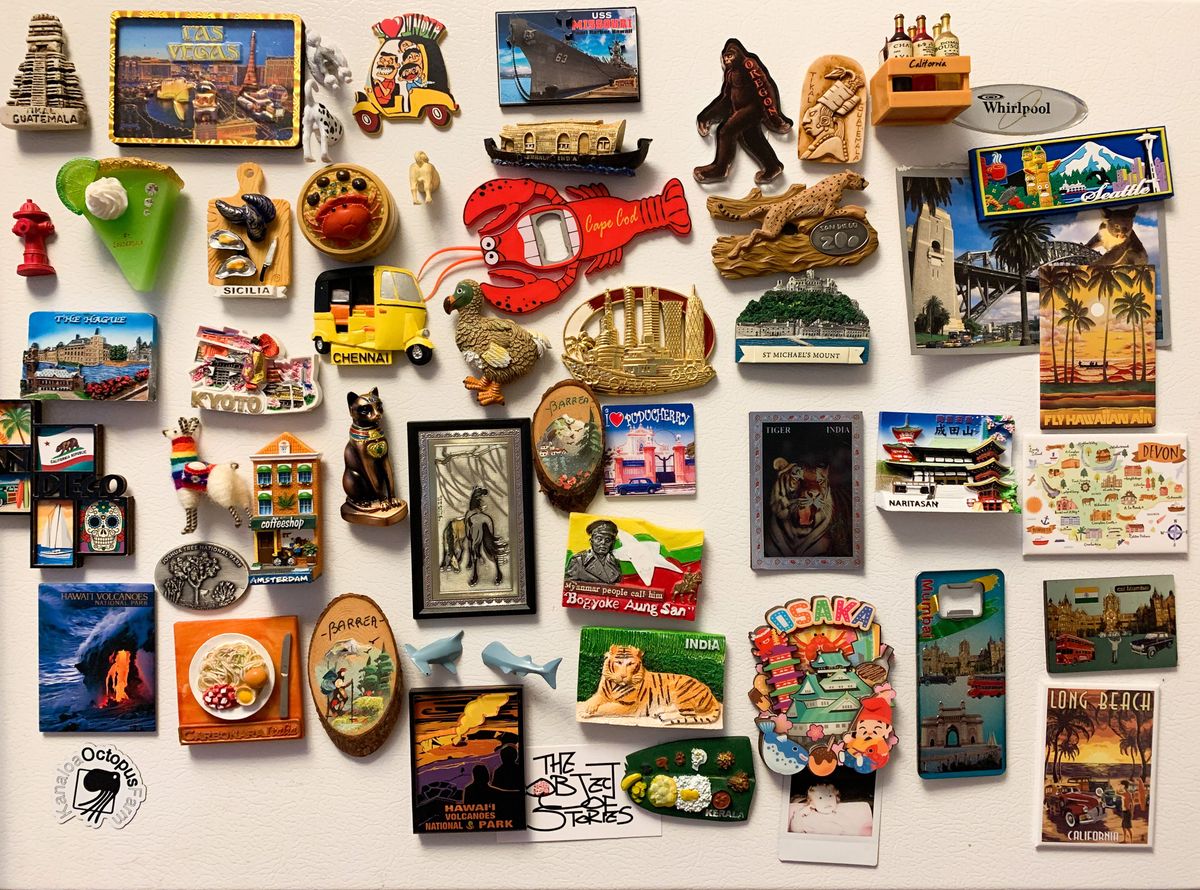
Fridge Magnets and Memory: Part 1
Fridge magnets are more than tacky souvenirs. They're vessels for our memories.
mem-agent: Persistent, Human Readable Memory Agent Trained with Online RL
A Blog post by Dria on Hugging Face

Holding Hands with the "Fediverse" – ActivityPub at SFO Museum
SFO Museum has joined the “Fediverse”. We have begun to operate a series of automated “bot” accounts that are published using the ActivityPub protocols which can be subscribed to from any client, like Mastodon, that supports those standards. These are automated, low-frequency, accounts and they currently only support a limited set of interactions: Accounts can be followed or unfollowed, individual posts can be “liked”, “boosted” or replied to but those replies will not be answered (yet) or published on the SFO Museum websites. To get started we’ve created three “groups” of accounts: Things which have happened recently involving the SFO Museum Aviation Collection; Things which have happened in the terminals (new and old) and; Things from the collection which are related to flights in and out of SFO.
A Self-Authenticating Social Protocol - Bluesky
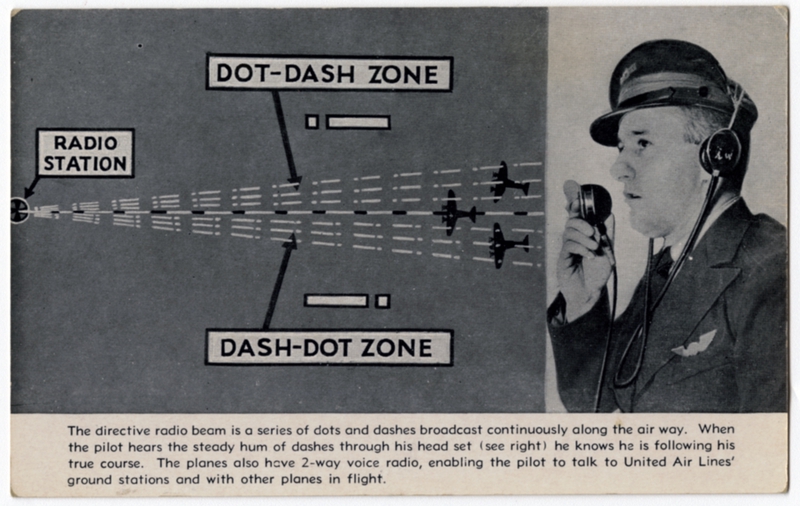
Bluesky’s mission is to drive the evolution from platforms to protocols. The conceptual framework we've adopted for meeting this objective is the "self-authenticating protocol."
Strangeness, illegibility, hardness
An update from our Protocol Fiction special interest group

The vCon - Conversation Data Container - Overview
A vCon is the container for data and information relating to a real- time, human conversation. It is analogous to a [vCard] which enables the definition, interchange and storage of an individual's various points of contact. The data contained in a vCon may be derived from any multimedia session, traditional phone call, video conference, SMS or MMS message exchange, webchat or email thread. The data in the container relating to the conversation may include Call Detail Records (CDR), call meta data, participant identity information (e.g. STIR PASSporT), the actual conversational data exchanged (e.g. audio, video, text), realtime or post conversational analysis and attachments of files exchanged during the conversation. A standardized conversation container enables many applications, establishes a common method of storage and interchange, and supports identity, privacy and security efforts (see [vCon-white-paper])
The Forgetting Problem: Persistence Architectures and What They Cost - Astral's Blog