

David Aerne works between code, art and design in Zürich, with a particular obsession for generating beautiful, useful color palettes with algorithms.
Elastiq GmbH – David Aerne – Computational Designer
Frontend Developer: Exploring ways to blend code and design while raising the quality and creative freedom of both. I use my passion and enthusiasm as a tool to promote ideas and skills.

Dale-Anthony Williams - Product Designer
UI/UX Designer with over ten years of experience specialising in interface design for mobile and web-based applications with a focus on simplicity & usability.
Adrian Z. · Human Interface Designer
Designer working at the intersection of art, design, and AI.

Creative Computing Institute
Working at the intersection of creativity and computational technologies.

Revisiting creative behaviour as an epistemic process: lessons from 12 computational artists and designers | Proceedings of the 35th Australian Computer-Human Interaction Conference
As part of the Digital Library's transition to Open Access, new features for researchers are available in the Premium Edition. Click here to learn more.

Alpaca – Algorithmic Pattern Catalogue
The Alpaca 2025 festival and conference on algorithmic patterns in the creative arts is happening this September 2025. Please see…
Toni Lijic, Designer
A software designer with a scientific background who loves building random whimsical things, books, art and anything orange.

Robin Spielmann — Design Engineer
Design engineer at the intersection of code, design and art. My own little space on the internet: side projects, writing, photography and postcards.
Color Palette Pro — A Synthesizer for Color Palettes
Generate customizable color palettes in advanced color spaces that can be easily shared, downloaded, or exported.
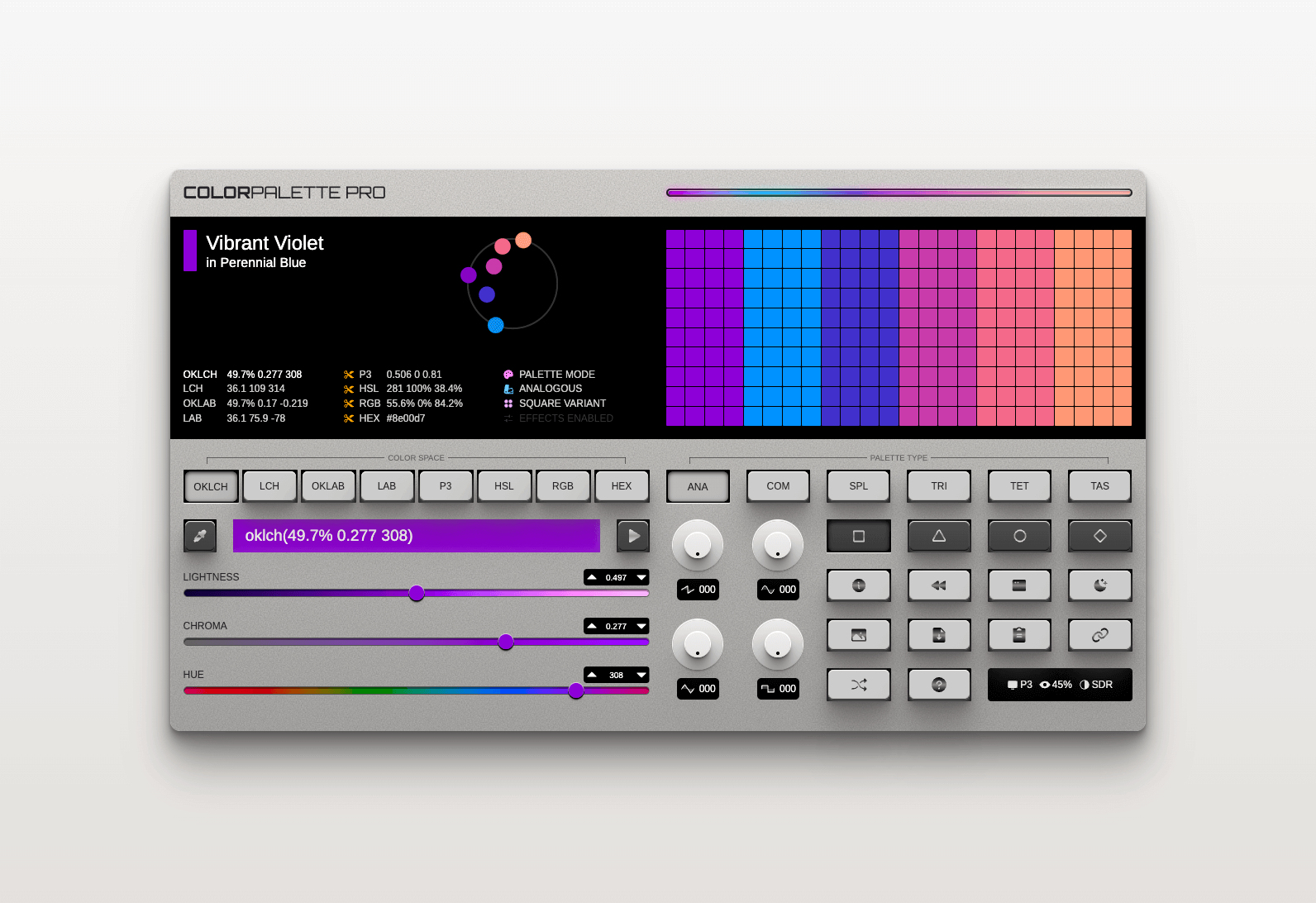
Color Palette Pro — A Synthesizer for Color Palettes
Generate customizable color palettes in advanced color spaces that can be easily shared, downloaded, or exported.
Permacomputing Aesthetics: Potential and Limits of Constraints in Computational Art, Design and Culture · Ninth Computing within Limits 2023
Permacomputing is a nascent concept and a community of practice centred around design principles that embrace limits and constraints as a positive thing in computational culture, and on creativity with scarce computational resources. As a result, permacomputing aims to provide a countervoice to digital practices that promote maximisation, hyper-consumption and waste. It seeks to encourage practices as an applied critique of contemporary computer technology that privileges maximalist aesthetics where more pixels, more frame rate, more computation and more power equals more potential at any cost and without any consequences. We believe that such a critical practice can be relevant to artists, designers and cultural practitioners working with computer and network technology who are interested in engaging with environmental issues. This is particularly relevant given the tendency in art, design and cultural production to rely on tools and techniques designed to maximise productivity and mass consumption. In this paper, we argue for the potential of permacomputing as a rich framework for exploring creative design constraints building on a long history of applying constraints in art, design and cultural practices. Because of the need to reconfigure the modes of production and organisation within computational practices, this calls for a different understanding of aesthetics, one that goes beyond the formal evaluation of how things look, but addresses how aesthetics can also be systems of relations, sensing and making sense that are already present in the process of making. We will also discuss the challenges faced by permacomputing practitioners, such as the complicated link with retro-computing, post-digital culture and nostalgia, as well as the problem of constraints in relation to the aesthetisation of poverty, and more generally what it means to work with self-imposed limits in a more privileged socioeconomic context.

About Martin Anderson-Clutz
Currently based in London, Ontario, Canada, Martin grew up in Montreal and lived for a time in Toronto.Martin began his career as a graphic designer, but was soon drawn to web design. His ambition for creating compelling online experiences drew him to deeper and deeper explorations into the underlying technologies.
Alex Tardif: Graphics Programmer
The A.I.-Design Aesthetic That’s Taking Over the Internet
How Anthropic’s new tool, Claude Design, is creating overnight web-design clichés.

Creative Coding

Design archives

May also include fine art

Mote: An Interactive Ecosystem Simulation — Peter Whidden
OpenProcessing - Creative Coding for the Curious Mind
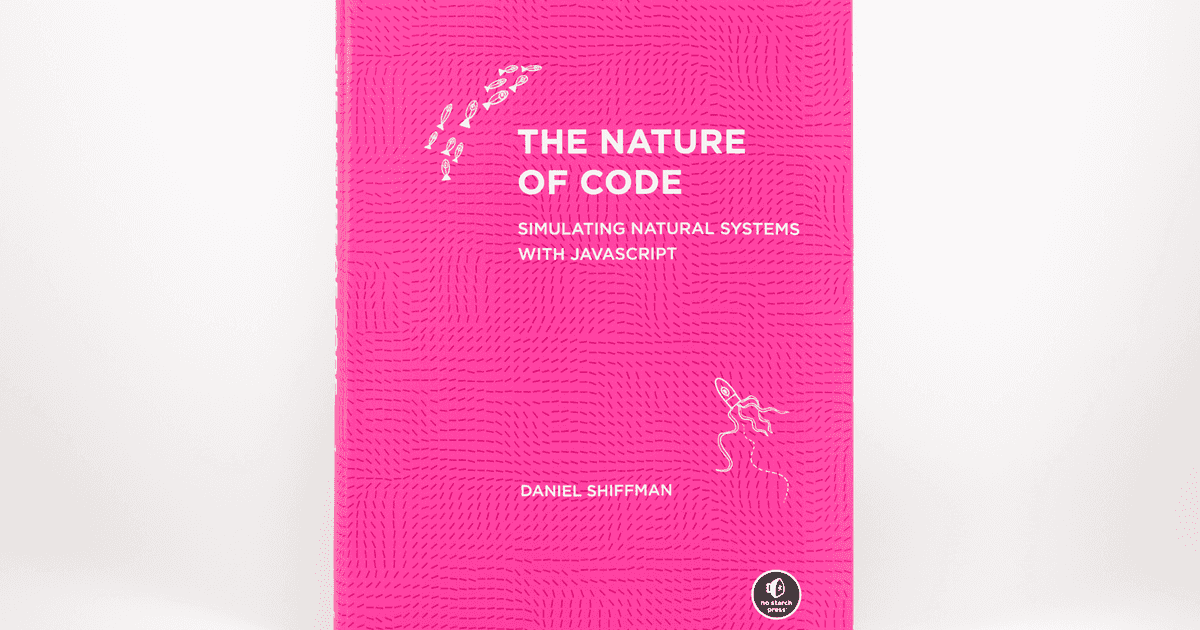
Nature of Code
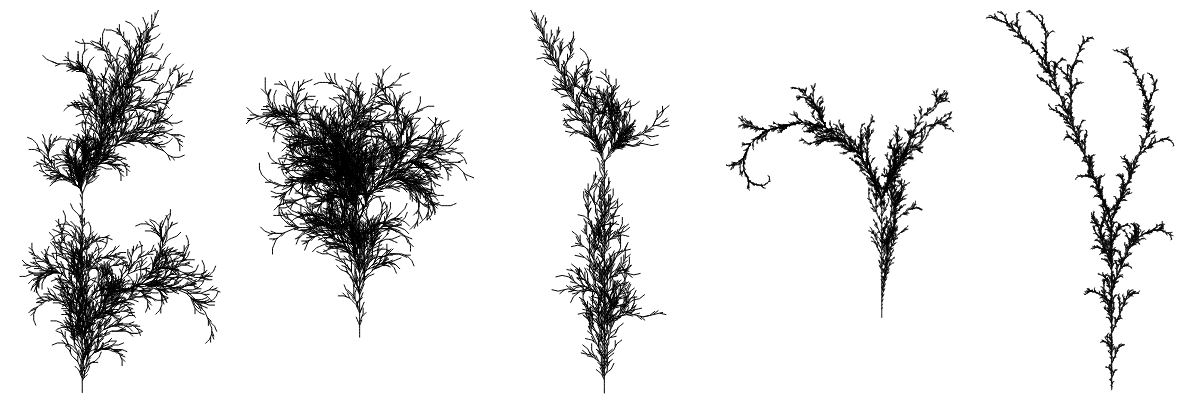
L-systems
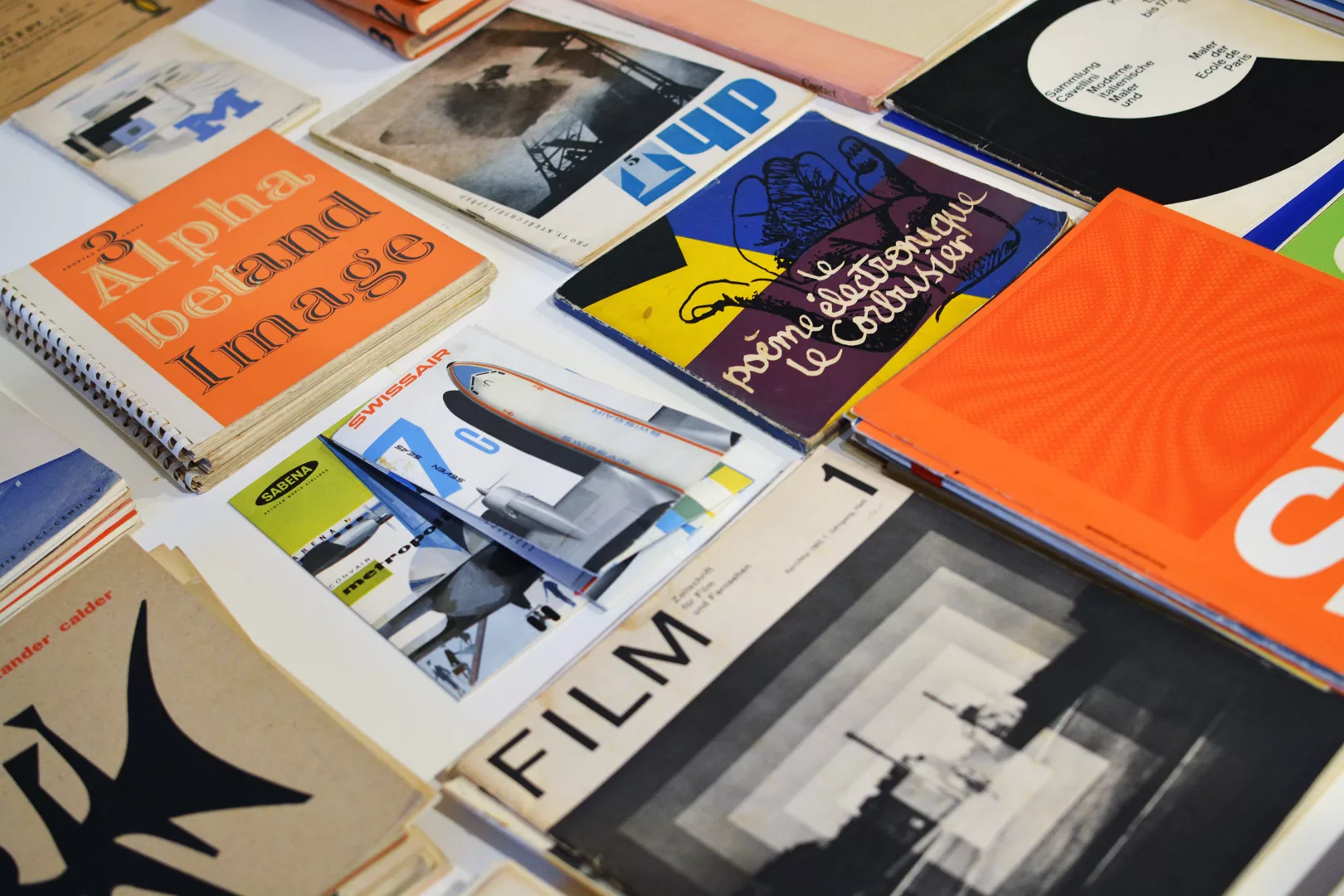
Design Reviewed — Graphic Design History Archive
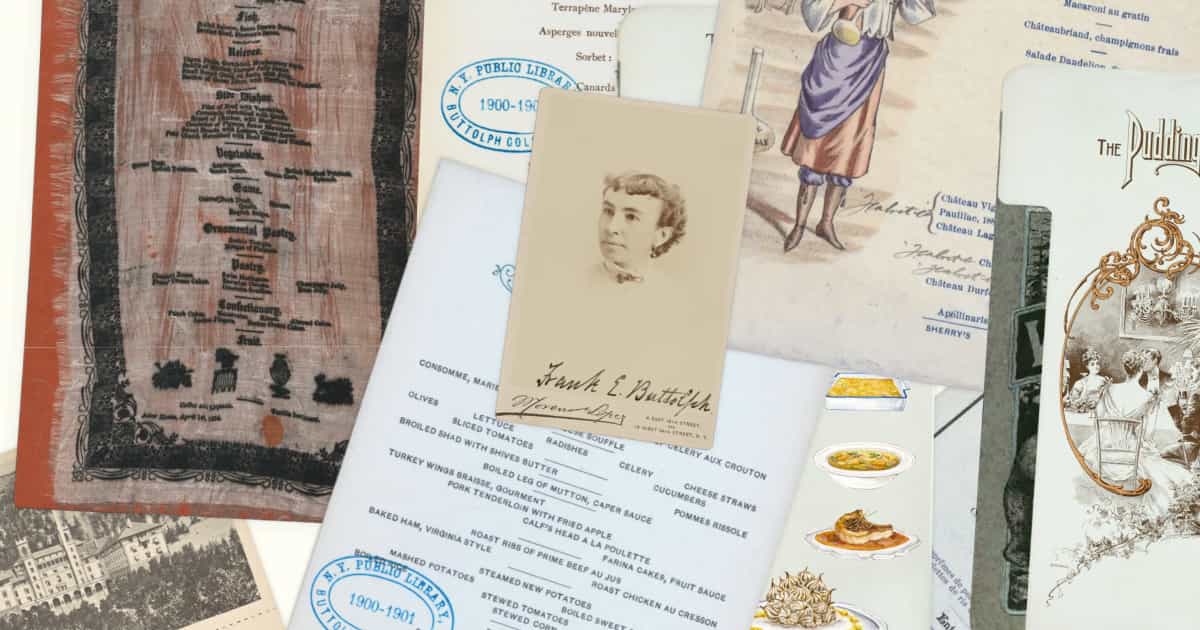
A History of Menus is a Menu of History

Main Page

Design Of PRL

漂流乳業
Home | Sheaff : ephemera