


A global gathering for knowledge sharing, community building, and opportunities to define a roadmap of research and intervention priorities to improve science.
Metascience for whom? A question as old as science.
Before we fix science, we need to ask who built it!
A Vision of Metascience
How does the culture of science change and improve? Many people have identified shortcomings in core social processes of science, such as peer review, how grants are awarded, how people are selected to become scientists, and so on. Yet despite often compelling criticisms, strong barriers inhibit widespread change in such social processes. The result is near stasis, and apathy about the prospects for improvement. People sometimes start new research institutions intended to do things differently; unfortunately such institutions are often changed more by the existing ecosystem than they change it. In this essay we sketch a vision of how the social processes of science may be rapidly improved. In this vision, metascience plays a key role: it deepens our understanding of which social processes best support discovery; that understanding can then help drive change. We introduce the notion of a metascience entrepreneur, a person seeking to achieve a scalable improvement in the social processes of science. We argue that: (1) metascience is an imaginative design practice, exploring an enormous design space for social processes; (2) that exploration aims to find new social processes which unlock latent potential for discovery; (3) decentralized change must be possible, so outsiders with superior ideas can't be blocked by established power centers; (4) ideally, change would align with what is best for science and for humanity, not merely what is fashionable, politically popular, or media-friendly; (5) the net result would be a far more structurally diverse set of environments for doing science; and (6) this would enable crucial types of work difficult or impossible within existing environments. For this vision to succeed metascience must develop and intertwine three elements: an imaginative design practice, an entrepreneurial discipline, and a research field. Overall, it is a vision in which metascience is an engine of improvement for the social processes and ultimately the culture of science.
Metaventory — the meta-science community
A comprehensive community of the people building meta-science and the tools they make — psychology and economics first, growing science-wide.

Meta-Research Symposium, 2026
Register for NYU's second annual Meta-Research Symposium, “Meta-Research in Action: Implementing Better Science"
metaBUS – explore science
ATScience 2026
A full-day exploration of AT Protocol for science, education, and open knowledge. A side event to AtmosphereConf 2026 @ Vancouver, March 27, 2026

Banff 2025, Open Science Meeting — Continuous Science Foundation
We’ve got to a big idea—and now it’s time to get practical. CSF is looking for curious, committed individuals to help us tackle some of the toughest (and most exciting) questions around how to make Composable Science real.
ScienceOpen
Ideal for sharing early results, building dialogue, and gaining recognition — all while staying flexible for future publication.
Science Communication as a Collective Intelligence Endeavor: A Manifesto and Examples for Implementation
Effective science communication is challenging when scientific messages are informed by a continually updating evidence base and must often compete against misinformation. We argue that we need a new program of science communication as collective intelligence—a collaborative approach, supported by technology. This would have four key advantages over the typical model where scientists communicate as individuals: scientific messages would be informed by (a) a wider base of aggregated knowledge, (b) contributions from a diverse scientific community, (c) participatory input from stakeholders, and (d) better responsiveness to ongoing changes in the state of knowledge.

Convergence · Gathering open science · Montreal, June 16–18, 2027
Three days in Montreal for the people rethinking how science is created, shared, funded, published, measured, and used. June 16–18, 2027.

Continuous Science Foundation | Transform Science Together—Get Involved
Explore how the Continuous Science Foundation promotes open, continuous, and collaborative scientific research through innovative tools, standards, and community support.
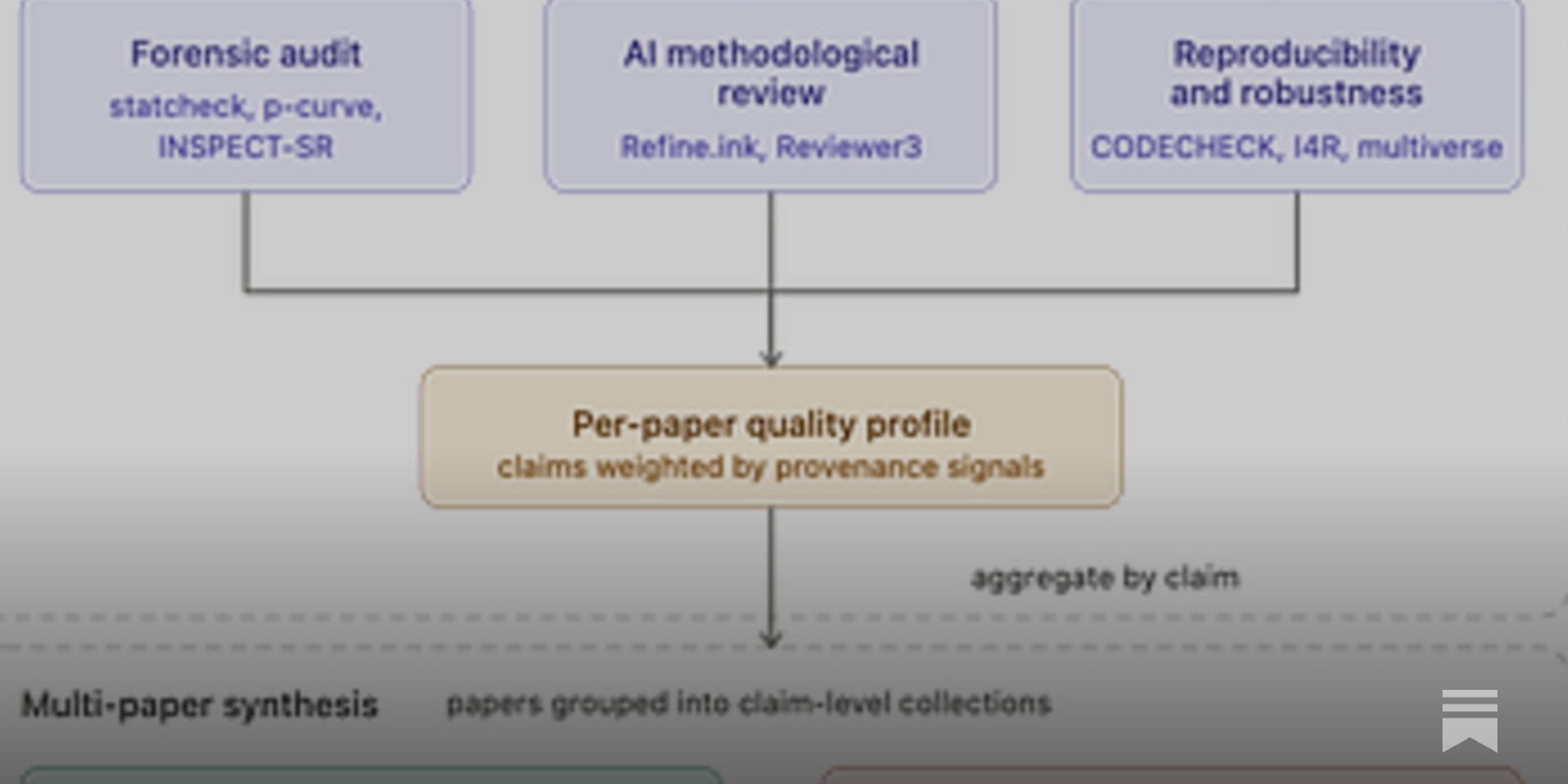
No. 027: AGMAI advisory group, Millennium Problems for biology, autonomous research pipelines - The Hallway Track
The Hallway Track No. 027 - How AI is affecting the practice of science
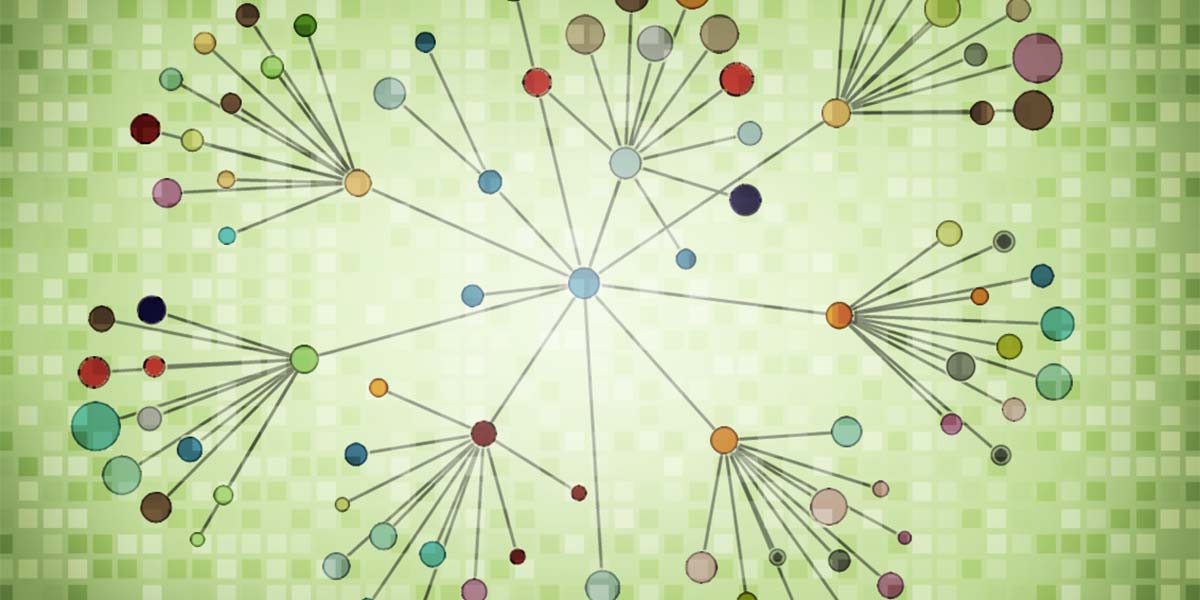
The Scientific Contribution Graph: Automated Literature-based Technological Roadmapping at Scale
Sir Isaac Newton famously wrote, “If I have seen further, it is by standing on the shoulders of giants”. Scientific contributions are rarely developed in isolation, but build upon prior contributions, such as problem framings, experimental methods, and empirical findings. Understanding these prerequisite relationships is important for studying scientific progress, and for automated scientific discovery systems that must reason about which existing capabilities can be used to develop new ones (e.g. Lu et al., 2024; Jansen et al., 2025b; Baek et al., 2025).
Science Must Decentralize
Knowledge production doesn’t happen in a vacuum. Every great scientific breakthrough is built on prior work, and an ongoing exchange with peers in the field. That’s why we need to address the threat
⚡ Metaventory: building better science ⚡ Had many discussions about the need for mapping out all that's meta-science: people, tools, events, jobs, simulations, etc. in one place. Metaventory aims to help connect those interested in meta-science & improving science. metaventory.vercel.app
