Thinking the Unthinkable
mental health, mental illness, parenting, writing, online courses

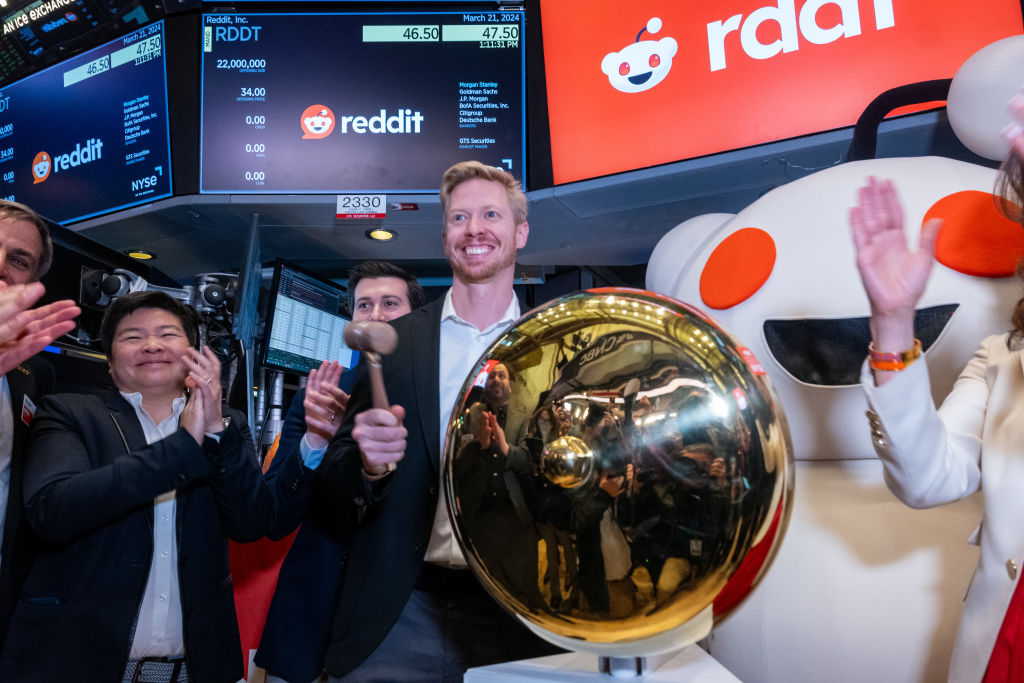
Reddit is quietly changing the way its homepage works
And that’s a good thing...
OpenAI shares data on ChatGPT users with suicidal thoughts, psychosis
The figure could mean potentially hundreds of thousands of users show signs of mental health distress weekly.

Facebook’s Mental Health Problem
The most important thing I learned in 2015? That depression and social media do not go well together at all.

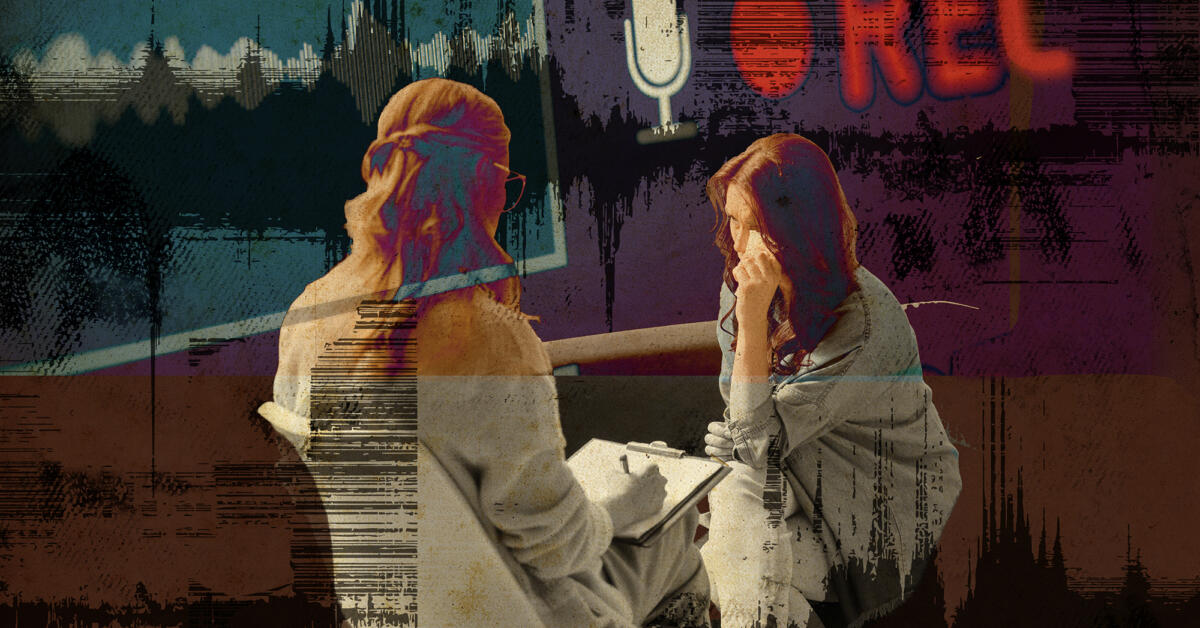
Your medical provider might be recording your mental health care visits – The Markup
Mental health providers are increasingly using AI technology to record conversations, raising privacy concerns among patients and practitioners.
Young people's mental health is improving. Tech alarmists take note.
Depression and anxiety are declining, adding yet more complications to the anti-smartphone and anti–social media narratives.

Mental Health - Platform | The Australian Greens
If you’ve ever struggled to access mental health care, you’re not alone.

Open Source Gave Me Everything Until I Had Nothing Left to Give
I thought I was having a spiritual awakening. I was having a psychiatric emergency. I was at a tech conference in Sweden when it started. I hadn't slept in...
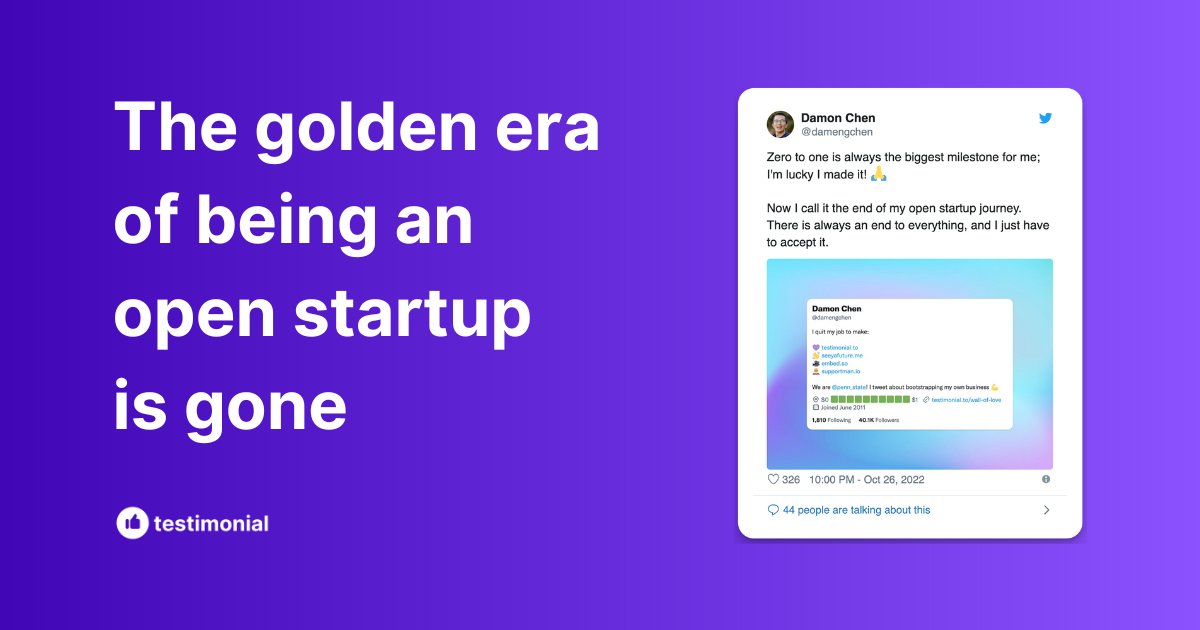
The golden era of being an open startup is gone
To me, the golden era of being an open startup is gone. Some founders and early adopters are shutting down their open pages and changing their transparency practices. I don’t think they are doing it just because things change and we need to cope.
We Need to Know More About How AI is Affecting Mental Health
The public, mental health practitioners, and policymakers don’t know enough about the impacts of AI use on the human psyche, writes Chris Mills Rodrigo.
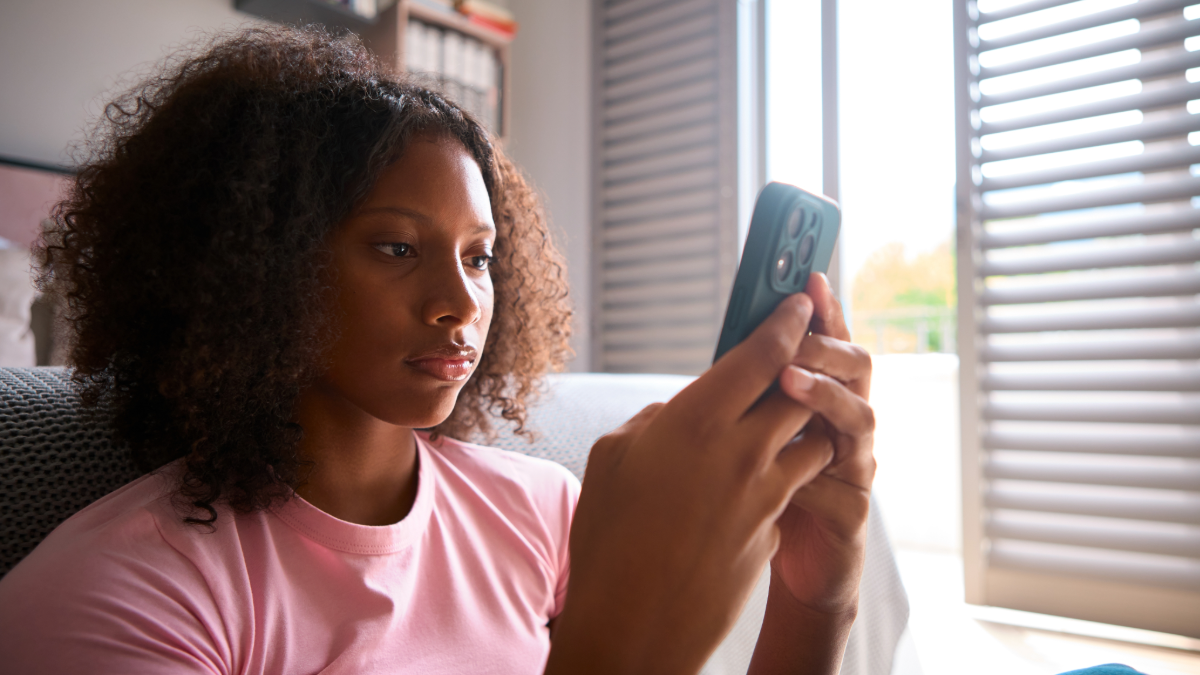
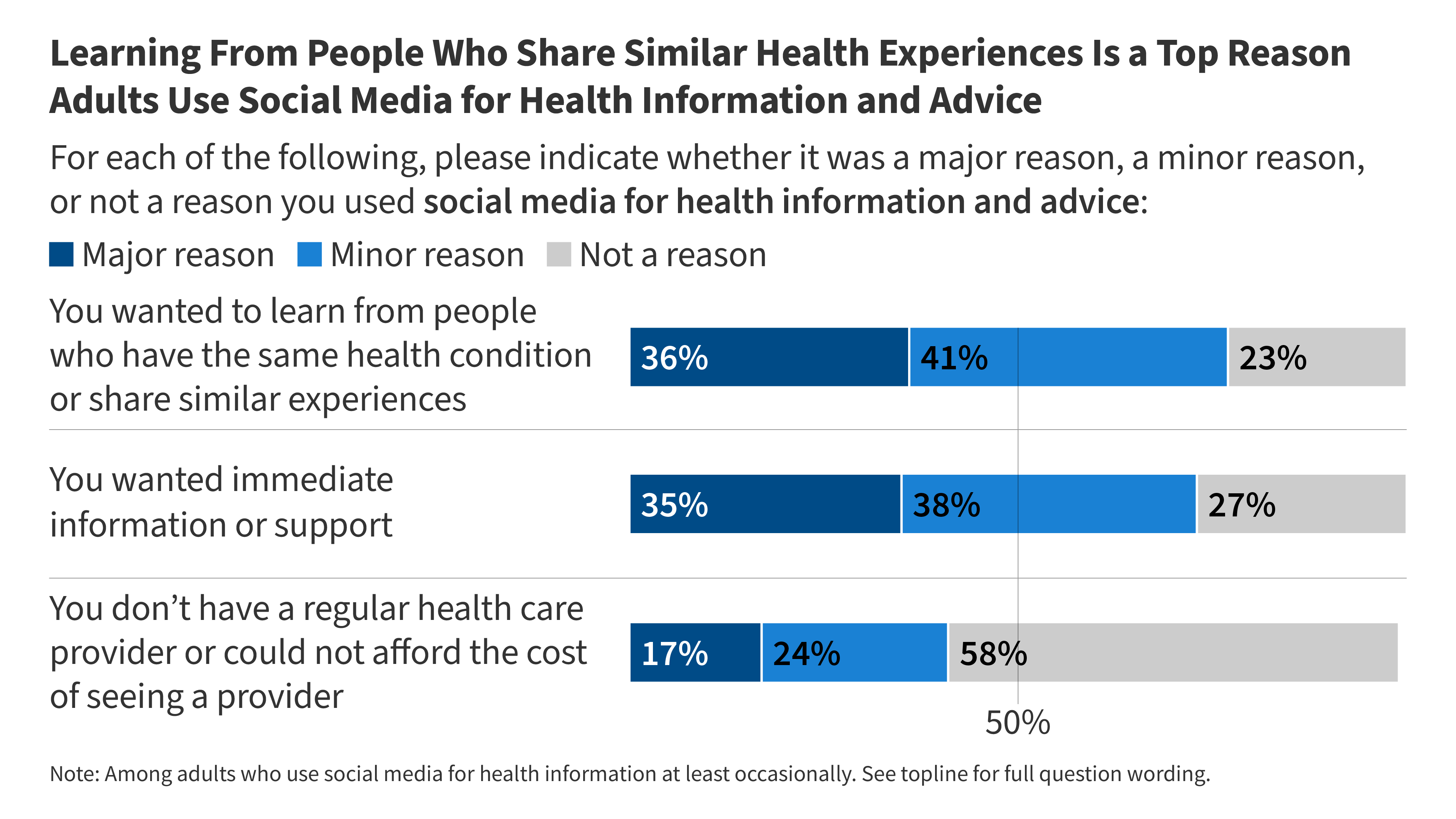
KFF Tracking Poll on Health Information and Trust: Use of Social Media and AI For Health Information and Advice | KFF
This poll finds that about 3 in 10 adults turn to social media for health information and advice at least monthly. Community connection and the need for immediate answers are the top reasons why people are turning to these tools. Slim majorities of those who use social media for health are confident they can tell what is true, and relatively few take steps to check the information they receive.