An exploration of how I became a massive geek.
triumph of the nerds
Hackers: Heroes of the Computer Revolution
A mere fifteen years ago, computer nerds were seen as m…

The education of a computer
Feeling of Computing
Feeling of Computing is an online community with a welcoming, cooperative, and revolutionary spirit. We are unified in the belief that the computer is tragically less humane than it could be. There’s a world of possibilities that get more beautiful the further away from the norm you go. We’re here to explore this world together, to discuss ideas about theory and practice, and to champion and support our members’ research and development efforts to reimagine the computer.
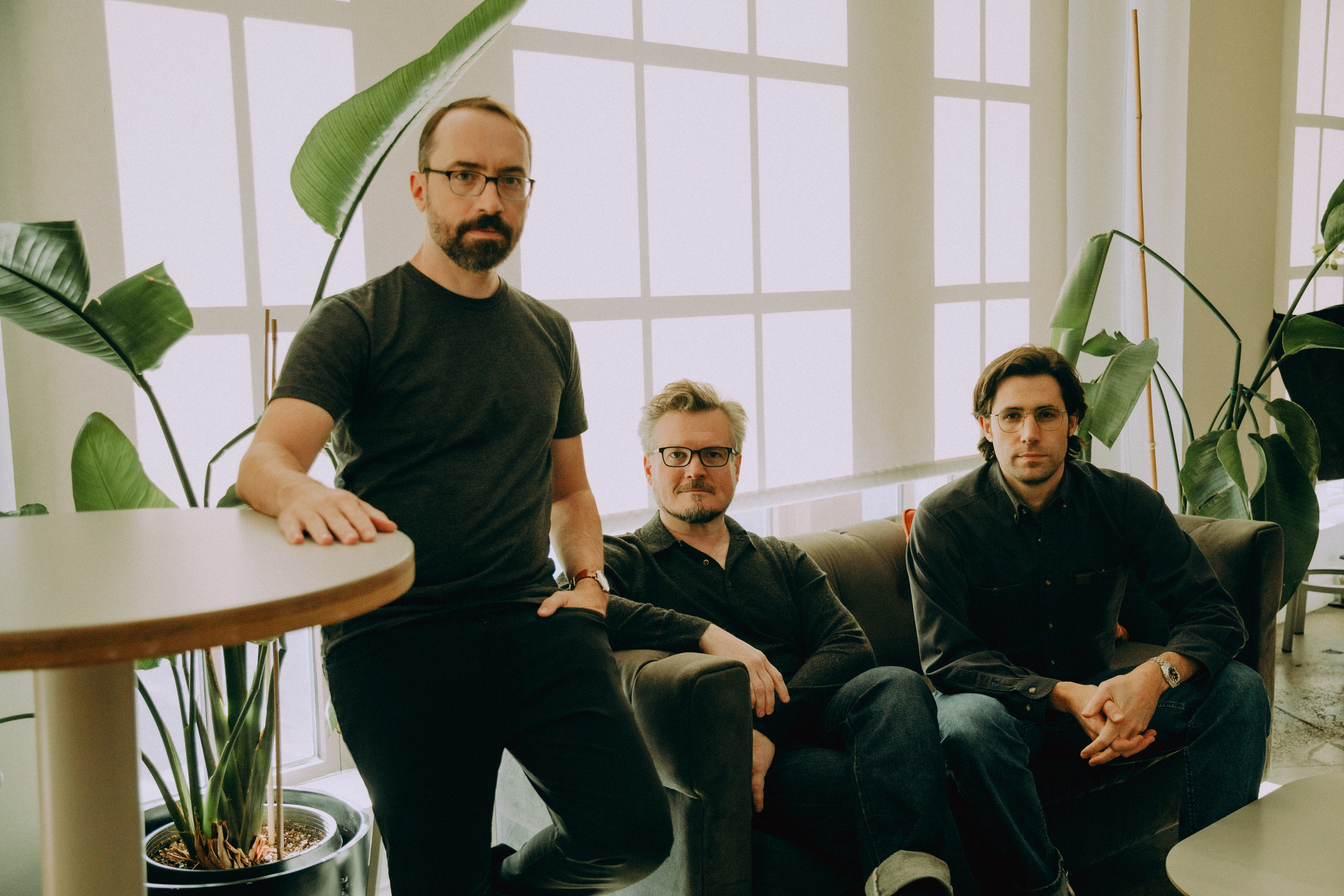
Telepath: building a new kind of computer
So, we made a thing: Let’s back up: for as long as I can remember, I’ve been obsessed with computers, fascinated not just by what they can do but what they could become. Like many, I took my early inspiration from science fiction. I dreamed of someday having something like the Enterprise’s computer. And why not? Science fiction has always driven scientists, engineers, and inventors to create real things that change the world.
The rise of Whatever
This was originally titled “I miss when computers were fun”. But in the course of writing it, I discovered that there is a reason computers became less fun, a dark thread woven through a number of events in recent history. Let me back up a bit.
Feeling of Computing — Conversations
Thought as a Technology
Have you ever felt awe and delight upon first experiencing a computer interface? An interface that surprised you with its strangeness, with a sense of entering an alien world?
Humanities in the Machine - Blain Smith
There is something quietly remarkable about the people who built the foundations of modern computing. Not their technical achievements, though those are extraordinary. What is remarkable is where they came from before they ever touched a machine.
Our interfaces have lost their senses
We programmed them by punching cards, plugging in wires, and flipping switches. Programmers walked among banks of switches and cables, physically choreographing their logic. Being on a computer used to be a full-body experience.
» Apple, Carmen Sandiego, and the Rise of Edutainment The Digital Antiquarian
If there was any one application that was the favorite amongst early boosters of personal computing, it was education. Indeed, it could sometimes be difficult to find one of those digital utopianists who was willing to prioritize anything else — unsurprisingly, given that so much early PC culture grew out of places like The People’s Computer Company, who made “knowledge is power” their de facto mantra and talked of teaching people about computers and using computers to teach with equal countercultural fervor. Creative Computing, the first monthly magazine dedicated to personal computing, grew out of that idealistic milieu, founded by an educational consultant who filled a big chunk of its pages with plans, schemes, and dreams for computers as tools for democratizing, improving, and just making schooling more fun. A few years later, when Apple started selling the II, they pushed it hard as the learning computer, making deals with the influential likes of the Minnesota Educational Consortium (MECC) of Oregon Trail fame that gave the machine a luster none of its competitors could touch. For much of the adult public, who may have had their first exposure to a PC when they visited a child’s classroom, the Apple II became synonymous with the PC, which was in turn almost synonymous with education in the days before IBM turned it into a business machine. We can still see the effect today: when journalists and advertisers look for an easy story of innovation to which to compare some new gadget, it’s always the Apple II they choose, not the TRS-80 or Commodore PET. And the iconic image of an Apple II in the public’s imagination remains a group of children gathered around it in a classroom.
I'm addicted to being useful
When I get together with my friends in the industry, I feel a little guilty about how much I love my job. This is a tough time to be a software engineer. The job was less stressful in the late 2010s than it is now, and I sympathize with anyone who is upset about the change. There are a lot of objective reasons to feel bad about work. But despite all that, I’m still having a blast. I enjoy pulling together projects, figuring out difficult bugs, and writing code in general. I like spending time with computers. But what I really love is being useful.


Changing Minds: Computers, Learning, and Literacy
An impassioned guide to how computers can fundamentally change how we learn and think.Andrea diSessa's career as a scholar, technologist, and teacher has b
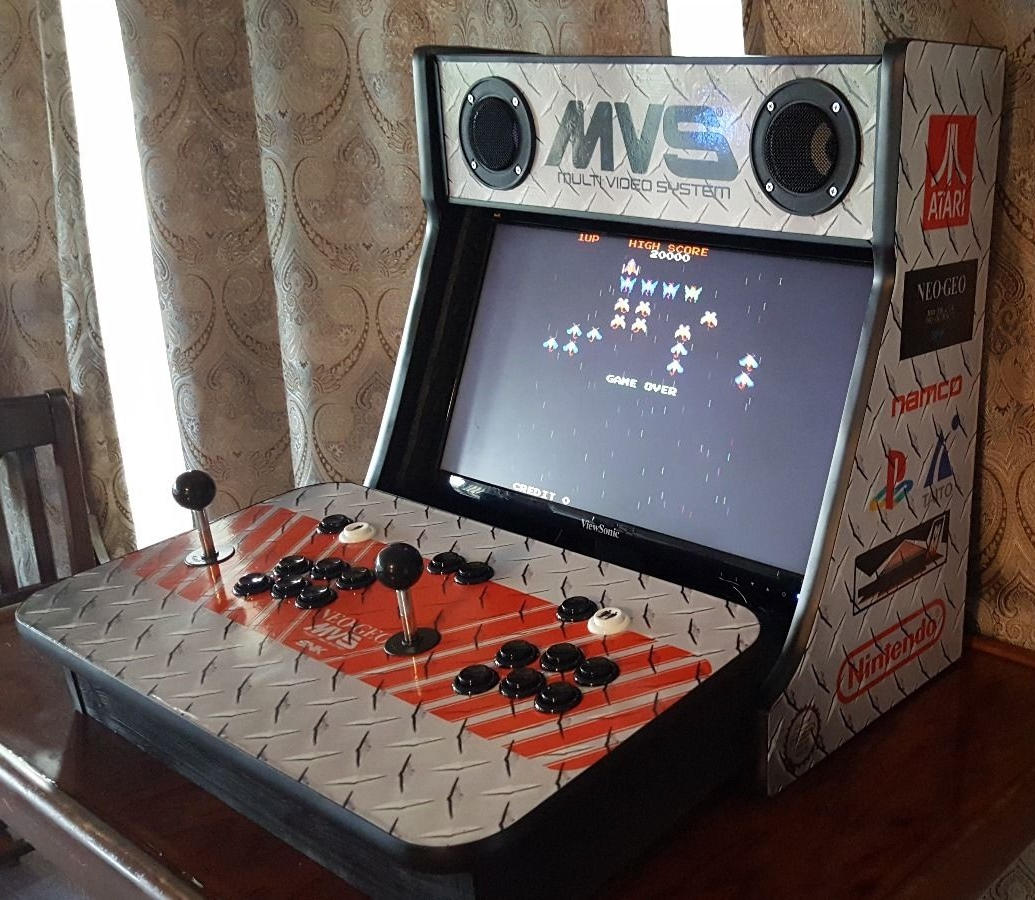
The Raspberry Pi Has Revolutionized Emulation
Every geek goes through a phase where they discover emulation. It’s practically a rite of passage. I think I spent most of my childhood – and a large part of my life as a young adult – desperately wishing I was in a video game arcade. When I finally obtained my
Ideal OS: Rebooting the Desktop Operating System Experience — josh.earth
Twitter user ekse has graciously translated this blog to Chinese. Thanks! TL;DR: By the end of this essay I hope to convince you of the following facts. First, that modern desktop operating systems are anything but. They are bloated, slow, and layered with legacy cruft that still functions only thanks to Moore's Law. Second, that innovation in desktop operating systems stopped about 15 years ago and the major players are unlikely to heavily invest in them again. And finally, I hope to convince you that we can and should start over from scratch, learning the lessons of the past.