Claude Code, NanoClaw, and Pi take radically different approaches to harness extensibility. The tradeoff is always safety vs. agent agency.
Agent Skills
AI coding agents take the shortest path to done, which usually means skipping the specs, tests, and reviews that make software reliable at scale. Agent Skill...
Thoughts on slowing the fuck down
Mario Zechner created the Pi agent framework used by OpenClaw, giving considerable credibility to his opinions on current trends in agentic engineering. He's not impressed: We have basically given up …
The Gap Through Which We Praise the Machine
My current theory of agentic programming: people are amazing at adapting the tools they're given and totally underestimate the extent to which they do it, and the amount of skill we build doing that is an incidental consequence of how badly the tools are designed.

Mental models for working with coding agents
Model intelligence sets the ceiling. Your workflow with the agent harness sets what you actually ship.
The Anatomy of an Agent Harness
Learn how agent harnesses transform AI models into autonomous work engines. Explore core components: filesystems, sandboxes, and memory.
Agentic coding and persistent returns to expertise
Anthropic is an AI safety and research company that's working to build reliable, interpretable, and steerable AI systems.
How coding agents work - Agentic Engineering Patterns
How coding agents work - Agentic Engineering Patterns
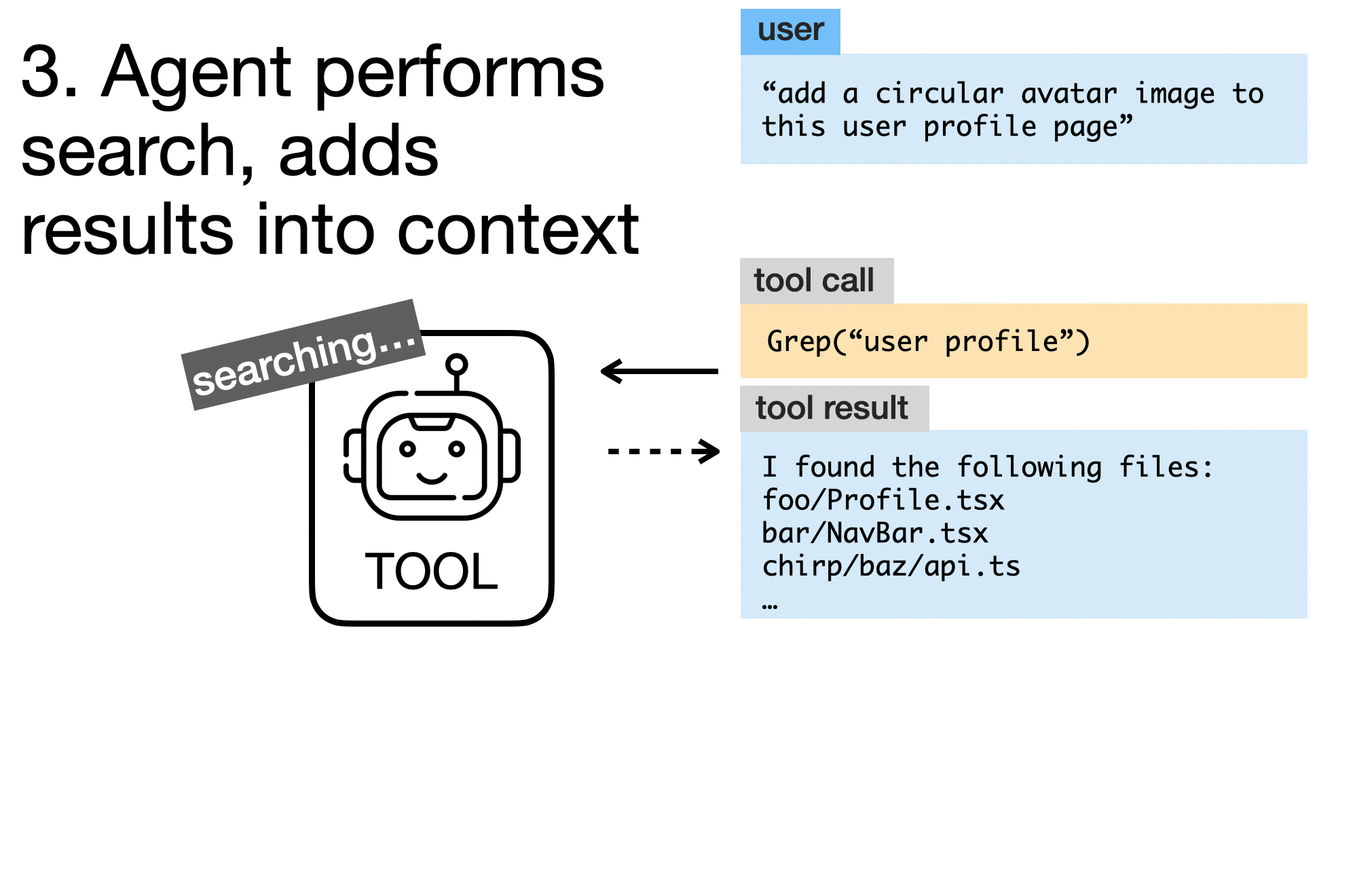
Tool use with Claude
Connect Claude to external tools and APIs. Learn where tools execute and how the agentic loop works.
The Claw ecosystem: 12 personal agents, dissected
OpenClaw runs on Pi. NanoClaw wraps Claude Code. MimiClaw runs on a $5 chip. I tore apart 12 personal agents to find what's inside.
Same Model, Different Results: Why Coding Agents Aren't Interchangeable
Reverse-engineering Claude Code reveals why it performs differently from other agents that use the same Anthropic models. The answer lies in sophisticated context engineering and tool orchestration hidden beneath the surface.
Pi: The Minimal Agent Within OpenClaw
A gentle introduction to the Pi coding agent and why I think it’s a glimpse into the future of software.
Building an Advanced Agentic Harness | Data For Science
From a single pilot to an air campaign: planning, parallelism, memory, verification, and observability for production-shaped agents.
10 things I learned from burning myself out with AI coding agents
Opinion: As software power tools, AI agents may make people busier than ever before.

The irrational effectiveness of the Pi harness
A month of coding with Pi, its small agent loop, and the skills and extensions I've added to it.

Running an AI-native engineering org | Claude
How the Claude Code engineering team’s processes and structure changed once agentic coding became the default way of working.
Equipping agents for the real world with Agent Skills
Discover how Anthropic builds AI agents with practical capabilities through modular skills, enabling them to handle complex real-world tasks more effectively and reliably.