

I was a theoretical physicist from 1992 to 2007. It was a romantic activity, exploring the fundamental nature of the cosmos! I became a university professor, wrote papers and books, and got to explore some of the most beautiful ideas ever discovered. In parallel, I also developed a fascination with the social systems humanity uses to make knowledge. Systems like the university or peer review are immensely deep inventions: our discovery system is itself one of the great inventions of humanity! But I believed a radically better discovery system must be possible. I became obsessed with this idea, eventually giving up tenure to work on it1. My first big project was to write a book helping develop and spread the fundamental ideas underlying the modern open science movement.
How to become an amazing contributor (to an open source project)
It's a busy morning here in New York City. My email inbox is full of pleasant surprises. The first is a patch for one of my open source projects. A second will appear this afternoon. A third should come late at night—or maybe tomorrow–from a new contributor. Alongside my day job, I contribute and manage open source projects. The number of projects I work on has grown from a couple of small tools to well over a dozen in the last three years. Open source has become a great way to learn new technology, experiment with modern software development practices, and, of course, meet other like-minded engineers. I find that seeing great contributors send working and tested code provides a unique feeling of accomplishment, as powerful as having many satisfied users of my own applications or strong revenues posted by the employer that pays my bills.
Becoming a stranger in my own field
There is a difference between making scientific work more accessible and changing what institutions recognize as valuable scientific work.

A Vision of Metascience
How does the culture of science change and improve? Many people have identified shortcomings in core social processes of science, such as peer review, how grants are awarded, how people are selected to become scientists, and so on. Yet despite often compelling criticisms, strong barriers inhibit widespread change in such social processes. The result is near stasis, and apathy about the prospects for improvement. People sometimes start new research institutions intended to do things differently; unfortunately such institutions are often changed more by the existing ecosystem than they change it. In this essay we sketch a vision of how the social processes of science may be rapidly improved. In this vision, metascience plays a key role: it deepens our understanding of which social processes best support discovery; that understanding can then help drive change. We introduce the notion of a metascience entrepreneur, a person seeking to achieve a scalable improvement in the social processes of science. We argue that: (1) metascience is an imaginative design practice, exploring an enormous design space for social processes; (2) that exploration aims to find new social processes which unlock latent potential for discovery; (3) decentralized change must be possible, so outsiders with superior ideas can't be blocked by established power centers; (4) ideally, change would align with what is best for science and for humanity, not merely what is fashionable, politically popular, or media-friendly; (5) the net result would be a far more structurally diverse set of environments for doing science; and (6) this would enable crucial types of work difficult or impossible within existing environments. For this vision to succeed metascience must develop and intertwine three elements: an imaginative design practice, an entrepreneurial discipline, and a research field. Overall, it is a vision in which metascience is an engine of improvement for the social processes and ultimately the culture of science.
Shut Up and Prove - Hyperproblems
TLDR; We are at an asteroid hitting the earth level of crisis of intellectual life. My first love was the foundations of mathematics. Or maybe the second lo…
Shut Up and Prove - Hyperproblems
TLDR; We are at an asteroid hitting the earth level of crisis of intellectual life. My first love was the foundations of mathematics. Or maybe the second lo…
The Journal of Scientific Integrity
by Laura Luebbert and Lior Pachter Background (by LL) Four years ago, during the first year of my PhD at Caltech, I participated in a journal club organized by the lab I was rotating in. I was assi…

Read - Night Science
Itai and Martin have published – and continue to publish – about the main aspects of the creative scientific process and its thinking tools.

Metascience Since 2012: A Personal History
This essay is a personal history of the $60+ million I allocated to metascience starting in 2012 while working for the Arnold Foundation (now Arnold Ventures).
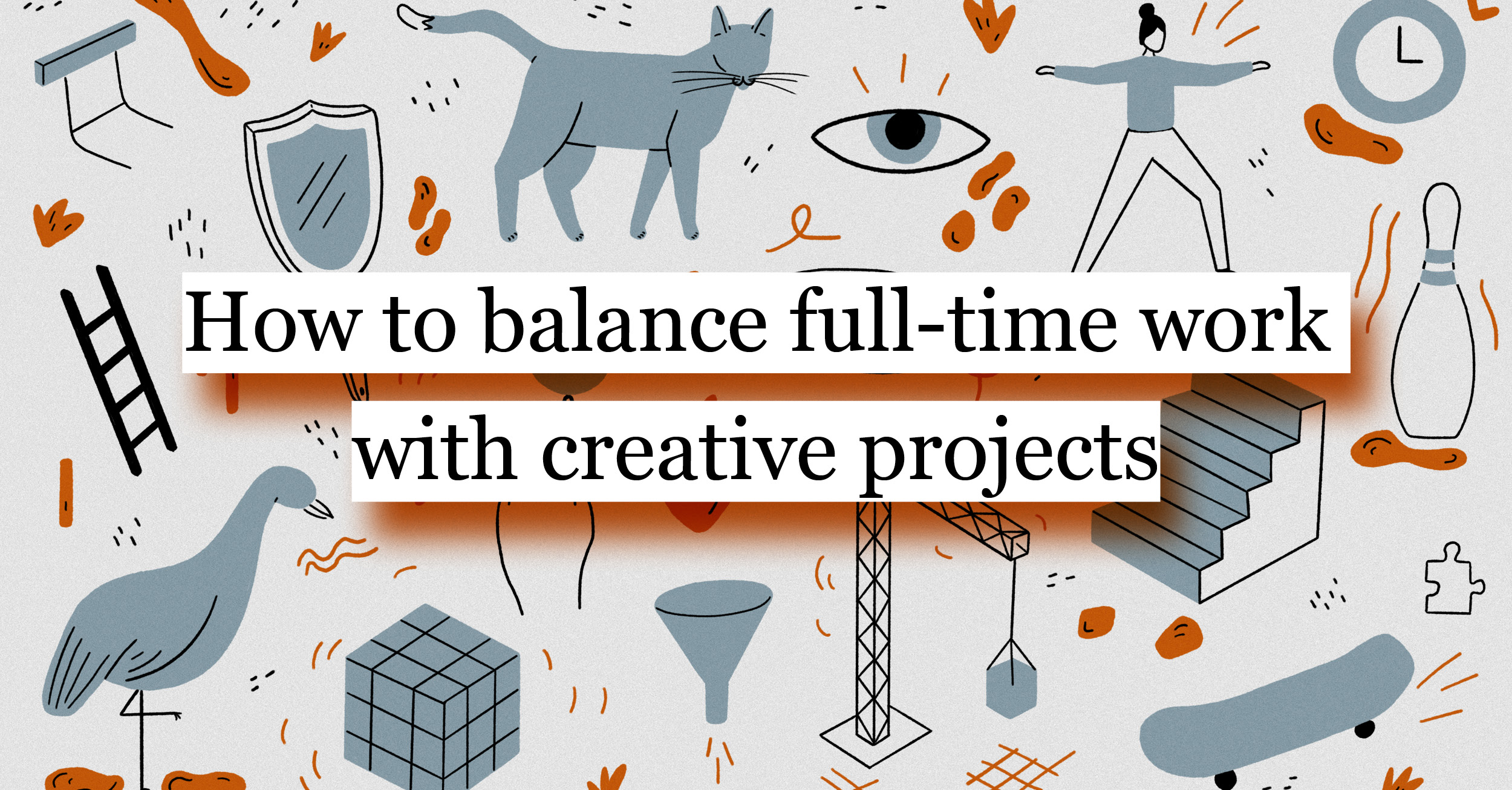
How to balance full-time work with creative projects – The Creative Independent
A guide to finding the right day job, protecting your time, and building creative habits by Jeffrey Silverstein. Illustrated by Sunny Eckerle.
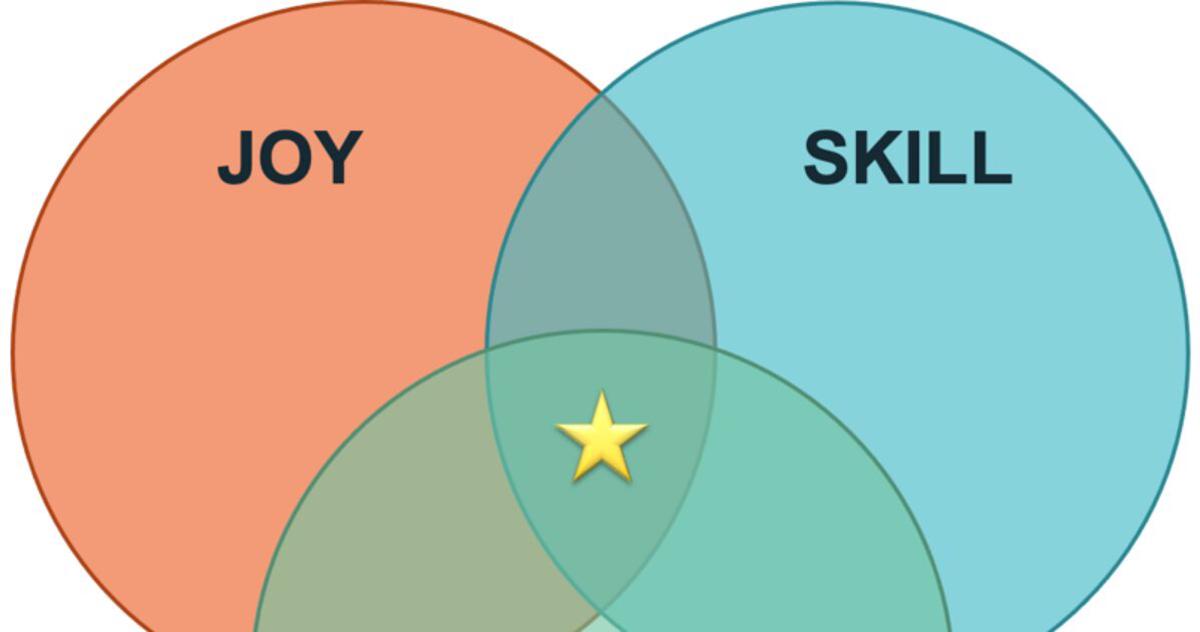
Finding Fulfillment
What creates a fulfilling existence? Exploration leads to a framework I've used for years for myself and the people around me. I hope it helps you too.
Pitfalls and chances in creating optimal conditions for openness and collaboration in science
Marion Poetz on what it takes to foster innovation in Science and how to make it more interesting for companies and organizations.

Midjourney
An independent research lab exploring new mediums of thought and expanding the imaginative powers of the human species.
Cultivating a state of mind where new ideas are born
Solitary work, creativity and larval ideas

I got into tech six years ago because I figured I could have an outsized impact on making a less harmful, more empowering world for workers and marginalised people. Only this year, I started connecting IRL with people who think this way. Here I tried to write about the ways that's transformed me.

DWeb, Culture and Resistance
meri.garden