

h-card is a simple, open format for publishing people and organisations on the web. h-card is often used on home pages and individual blog posts. h-card is one of several open microformat draft standards suitable for embedding data in HTML.
h-feed
h-feed is a microformats2 specification for marking up HTML as a feed with optional with name, photo, common author, that contains h-entry items (or other root (h-*) objects), and published by numerous personal sites and consumed by social readers.
h-entry
h-entry is the microformats2 vocabulary for marking up blog posts, from articles to notes to replies and more, or episodic or time-series based content in general on web sites, typically inside an h-feed.
Microformats – building blocks for data-rich web pages
A (very) belated follow up to Getting Started with Microformats 2, covering the basics of consuming and using microformats 2 data. Originally posted on waterpigs.co.uk.
HyperCard
HyperCard is a software application and development kit for Apple Macintosh and Apple IIGS computers. It is among the first successful hypermedia systems predating the World Wide Web.
HyperCard
HyperCard is a software application and development kit for Apple Macintosh and Apple IIGS computers. It is among the first successful hypermedia systems predating the World Wide Web.
Virtual Cards | Old Open Collective Docs
Virtual cards are an additional benefit offered to collectives through some hosts. Hosts create virtual cards and assign them to a Collective. Anyone with access to that card can then use it to make payments on behalf of the Collective. This is particularly useful for covering recurring costs like hosting a website.
Ignacio Soffia on Twitter / X
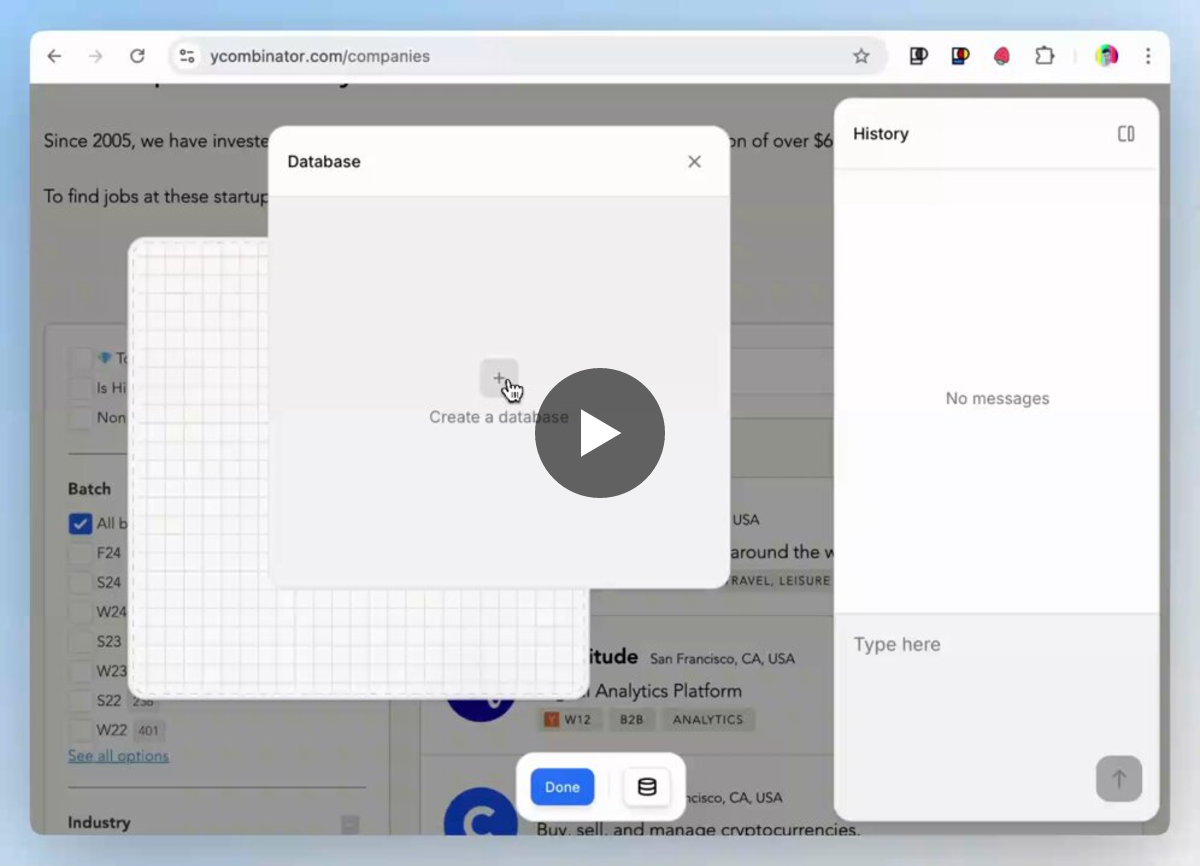
Creating a card is simple. All you need is to select what part of the site you want to use as a "live database" and then use natural language to describe what you want the card do or look like. pic.twitter.com/PsJXWFAQwu— Ignacio Soffia (@ignaciosoffia) November 21, 2024
Cardless | Embedded Credit Card Platform
Build credit into your product experience. Run it end to end with modular APIs, pre-built components, analytics, and full-service infrastructure.

Micro.blog
Post short thoughts or long essays, share photos, all on your own blog. Micro.blog makes it easy, and provides a friendly community where you can share and engage with others.
The HotJava Browser: A White Paper
Browsers allow people to treat the data spread across the Internet as a cohesive whole. Web browsers integrate the function of fetching the data with figuring out what it is and displaying it. One of the most important file types browsers understand is the hypertext markup language (HTML). HTML allows text data objects to embed simple formatting information and references to other objects.
Visa Digital Issuer Solutions
Build cardholder primacy with standout digital experiences.

Hypercard
An introduction to Apple's Hypercard. Guests include Apple Fellow and Hypercard creator Bill Atkinson, Hypercard senior engineer Dan Winkler, author of The...

Issue Cards | Service Design Tools
Support the conversation around complex matters by breaking down the subject into physical cards.

Micropublish: Sign in
Create or modify posts on your Micropub-compatible website. Find out more about the requirements.
I like this idea for postcards. (it is postcard + digital e2ee) penumbraprint.com/shop/ #random

Penumbra Print Shop | Shop
www.penumbraprint.comWe wrote a @standard.site explainer — what it is & why it's useful 📝✨ ~shared standards for longform publishing? ~a way to see what friends read & write? ~the atmosphere's hottest collab? yes yes & yes! Seeing lots of q's after Bluesky's new standard.site link card integration. Here's a TL;DR!

What is Standard Site, and why is it useful?
lab.leaflet.pub
