


How did the internet become a tangled web of misinformation? Miles speaks to danah boyd, a Principal Researcher at Microsoft Research, founder of Data & Society, and Visiting Professor at New York...
The Oxymoron of “Data-Driven Innovation”
Once upon a time, in the dawn of the internet era, web products came from college dudes. The dudes were almost always wealthy and well-connected, but they weren’t usually market-savvy. These …

Brennan Kenneth Brown (@brennan@social.lol)
Because $18 million dollars isn't enough for some people, I have *more* people and organisations of note to list as paying Omarchy patrons (there are over hundreds in total): - Axel Fontaine is the creator of Flyway, the widely used database migration tool he sold to Redgate in 2019. He's also submitted code to the Omarchy repo, both a funder and a hands-on contributor. - Marc Köhlbrugge is the founder of WIP and BetaList, fixtures of the indie-hacker/bootstrapper scene that Omarchy's ricing bullshit aesthetic is clearly courting. - ServiceStack is an established .NET web-services framework vendor, one of the patrons backing the project as a company rather than an individual. - Bertrand Janin is a longtime open-source developer (ex-Ramp, ex-Truveris) running his own small shop, Atelier Janin. - Pagecord, the blogging platform created by Olly. - Vincent Ritter, founder of Tinylytics and Scribbles, known for complaining about being offended by pronouns, being disappointed by more inclusive Apple emoji, disparaging "foreigners" who drive for Uber and play "foul rap music," and praising Elon Musk the day after he performed two Nazi salutes on camera. Manton Reece, of micro.blog, publicly defends him. - 9538-7874 Quebec inc. is one of at least a couple of numbered, unnamed Canadian corporations on the list. Bizarre shell companies with no public identity attached to them at all. Unsure about these. https://omarchy.org/patrons/
Data Scientist: The Sexiest Job of the 21st Century
Back in the 1990s, computer engineer and Wall Street “quant” were the hot occupations in business. Today data scientists are the hires firms are competing to make. As companies wrestle with unprecedented volumes and types of information, demand for these experts has raced well ahead of supply. Indeed, Greylock Partners, the VC firm that backed Facebook and LinkedIn, is so worried about the shortage of data scientists that it has a recruiting team dedicated to channeling them to the businesses in its portfolio. Data scientists are the key to realizing the opportunities presented by big data. They bring structure to it, find compelling patterns in it, and advise executives on the implications for products, processes, and decisions. They find the story buried in the data and communicate it. And they don’t just deliver reports: They get at the questions at the heart of problems and devise creative approaches to them. One data scientist who was studying a fraud problem, for example, realized it was analogous to a type of DNA sequencing problem. Bringing those disparate worlds together, he crafted a solution that dramatically reduced fraud losses. In this article, Harvard Business School’s Davenport and Greylock’s Patil take a deep dive on what organizations need to know about data scientists: where to look for them, how to attract and develop them, and how to spot a great one.

Field Notes: The Architecture of Rationalization - Aaron Ross Powell
Marginalia on the internet turning bad, platform extraction, and existential restlessness.
How Google and AI Nearly Made a Seasoned Reporter Spiral — ProPublica
I thought I had missed something major in my reporting. Turns out I had stumbled into an AI-fueled feedback loop that involved a real LLC’s fictional website and a search engine that’s thrusting unreliable answers on users.

The five biggest challenges facing misinformation researchers
I Hate The Way We Talk Online
Jason Toney on algorithm-speak, main character energy, and why a simple question about music charts revealed how badly we've forgotten how to talk to each other online."

Google research shows the fast rise of AI-generated misinformation | CBC News
From fake images of war to celebrity hoaxes, AI technology has spawned new forms of reality-warping misinformation online. New analysis co-authored by Google researchers shows just how quickly the problem has grown.

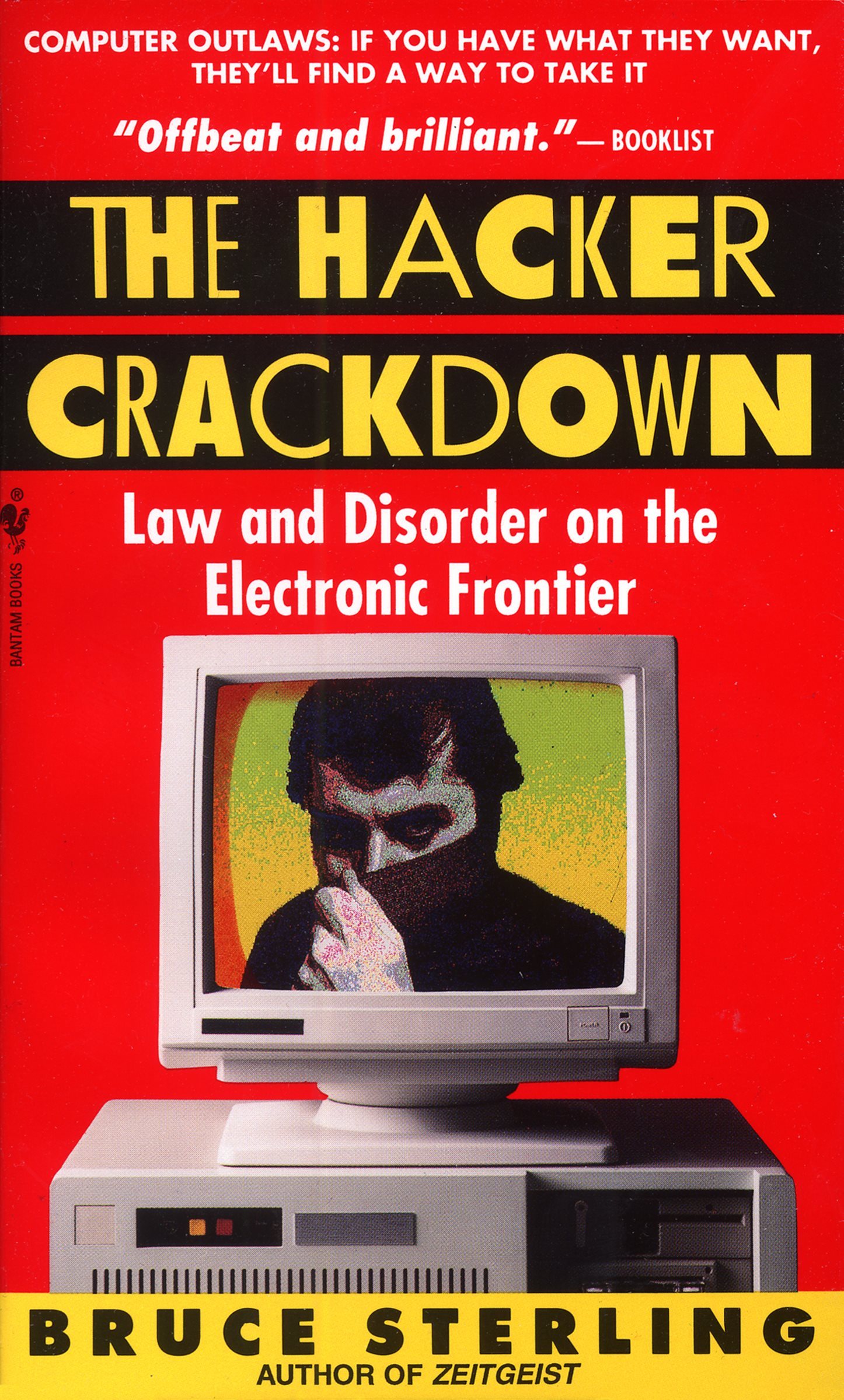
The hacker crackdown: law and disorder on the electronic frontier
A journalist investigates the past, present, and future…
Reframing our relation to our data | Ronen Tamari
From data as digital exhaust to data as digital trails to collective wisdom.

Competitive Compatibility: Let's Fix the Internet, Not the Tech Giants
Tech's market concentration—summed up brilliantly by Tom Eastman, a New Zealand software developer, as the transformation of the Internet into "a group of five websites, each consisting of screenshots of text from the other four"—has aroused concern from regulators around the world.

What Was the Internet?
As AI overtakes the web, five writers reflect on how far it’s fallen and what comes next.

What Was the Internet?
As AI overtakes the web, five writers reflect on how far it’s fallen and what comes next.
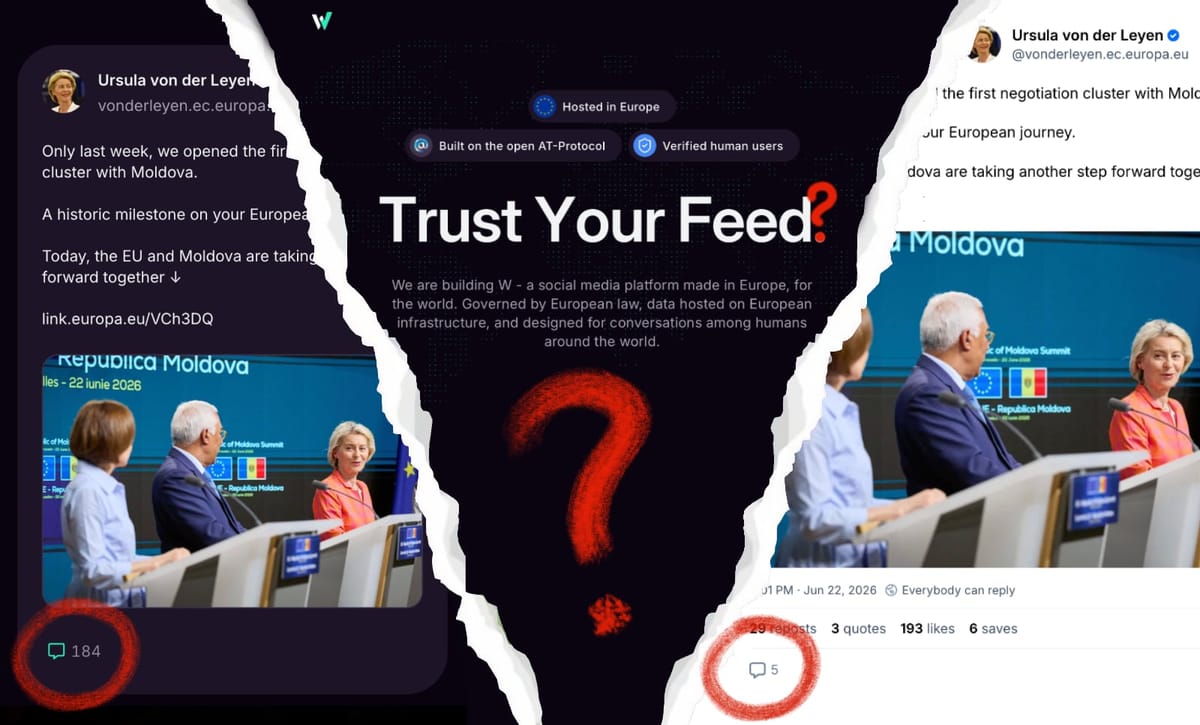
W Social, Fictional Metrics and the Beauty of Open Data
W Social's tagline is "Trust Your Feed" but the company's landing page displays inflated engagement metrics - a misrepresentation that contradicts its own promise.
Anil Dash on The Web We Lost
2026 IC2S2: Keynote Presentation by Kate Starbird