


This resource is an excellent point of reference for those seeking to advance the rights of people with disabilities belonging to minority and indigenous communities in Bangladesh.
Prevalence and experience of violence against persons with disabilities in Bangladesh: findings from a nationwide mixed-method study
Current prevalence of disability in Bangladesh stands at 7.14%. Due to various misconceptions, stigma, and lack of policies, they are more vulnerable to violence and abuse from perpetrators. However, there is a paucity of research on the prevalence of emotional, physical, and sexual violence in the country. To address this knowledge gap, the current study aims to estimate the prevalence and explore the experiences of emotional abuse, physical, and sexual violence of persons with disabilities with their coping strategies. This study adopted a mixed-method sequential design comprising qualitative and quantitative components. A total of 5000 persons with disabilities were interviewed during the survey, and mini-ethnographic case studies were conducted with 51 purposively selected persons with disabilities from all eight administrative divisions of Bangladesh. Descriptive and bivariate statistical analysis was performed for quantitative data. Qualitative data were analysed through thematic analysis. The study concludes that the lifetime prevalence of emotional, physical, and sexual abuse is 68.9%, 26.6%, and 11.5%, respectively. Male participants were more prone to experience sexual abuse than females for both lifetimes (male: 12.7% & female: 10.3%) and within the last 12 months before the survey (male: 6.6% & female: 5.1%). Neighbours and close family members were found to be perpetrators of emotional and physical violence, whereas immediate family members were the perpetrators of sexual violence. Even though participants shared several coping mechanisms, equal to or less than 0.5% sought help from a counsellor to cope with the trauma. Results from the study correspond to the earlier studies with implications for future research and urgent policy reform. Although women are more vulnerable to experiencing different forms of violence, men with disabilities are no different. However, this remains unseen and unheard. To reduce the prevalence of violence against this marginalised group, a coordinated and collaborative approach is required targeting nationwide sensitisation, easy access to help-seeking centres, and adequate policy implementation.
Policy solutions key to their inclusion in job sector
Hawa Islam, a graduate with hearing and speech disabilities, endured discrimination and disrespect while working in several job sectors in Bangladesh. Eventually, she ended up without a job and is currently struggling financially.

🔎 assamese people on bangladeshi immigration - Google Search

Islamization of Bangladesh’s Electoral Politics and its Anti-trans Implications - শুদ্ধস্বর
As the aspirations behind Bangladesh’s July uprising failed to materialize, Trans Bangladeshi citizens must rely on coalition-building efforts to make their voices heard.

AI and the Future of Accessible Work
Many countries have legislation that prohibits discrimination against people with disabilitiesa in the context of employment. For example, the U.S. Americans with Disabilities Act (ADA),b the U.K.’s Equality Act of 2010,c and European Union policyd prohibit employment-related discrimination and require employers to provide reasonable accommodations or adjustments so disabled employees can perform their jobs. More broadly, the United Nations Convention on the Rights of Persons with Disabilities (UNCRPD)e has influenced legal frameworks across the globe. Despite these anti-discrimination policies, disabled people remain significantly underrepresented in the workforce. Employment gaps between disabled and non-disabled people exist globally.28 Among blind and low-vision Americans, for instance, only 44% are employed compared to 79% of those without disabilities.f Only 54% of d/Deaf peopleg in the U.S. are employed, compared to 70% of hearing people.8 These discrepancies are worse for multiply marginalized disabled people. For example, employment rates for disabled women are significantly lower than rates for disabled men.21

Why social theories become ‘scripture’ for Bangladesh’s self-styled Left
There is a ‘curious intellectual confidence’ among Bangladesh’s self-styled leftists. They have the confidence of someone who has read three-quarters of a Europ

WebAIM: Web Accessibility In Mind
Expanding the potential of the web for people with disabilities by empowering individuals and organizations to create accessible content.
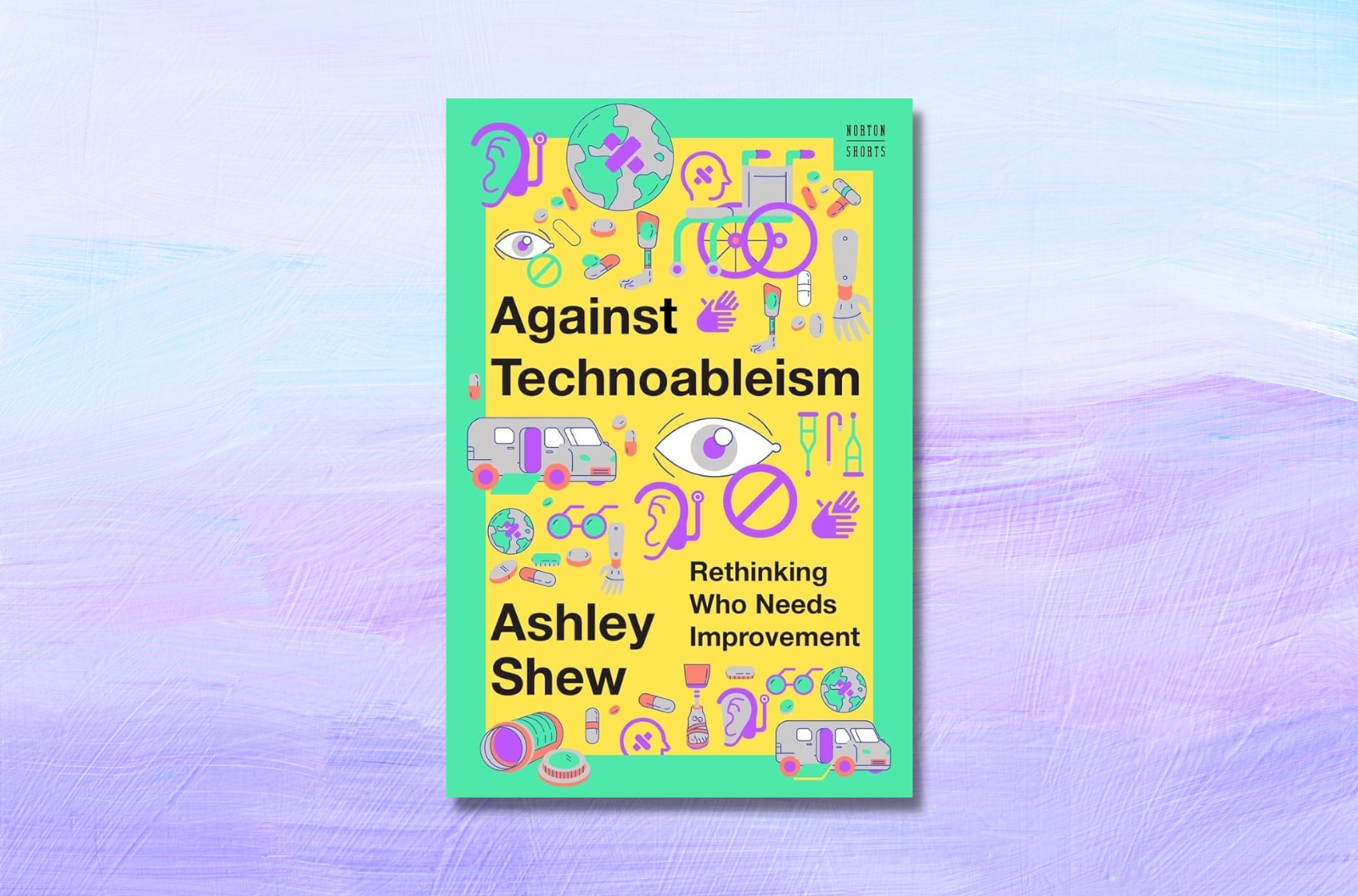
Ask Disabled People What They Want. It’s Not Always Technology.
While our lives are deeply entangled with technologies of all kinds, disabled people are almost never included in discussions about technology.
Disability-Driven Development
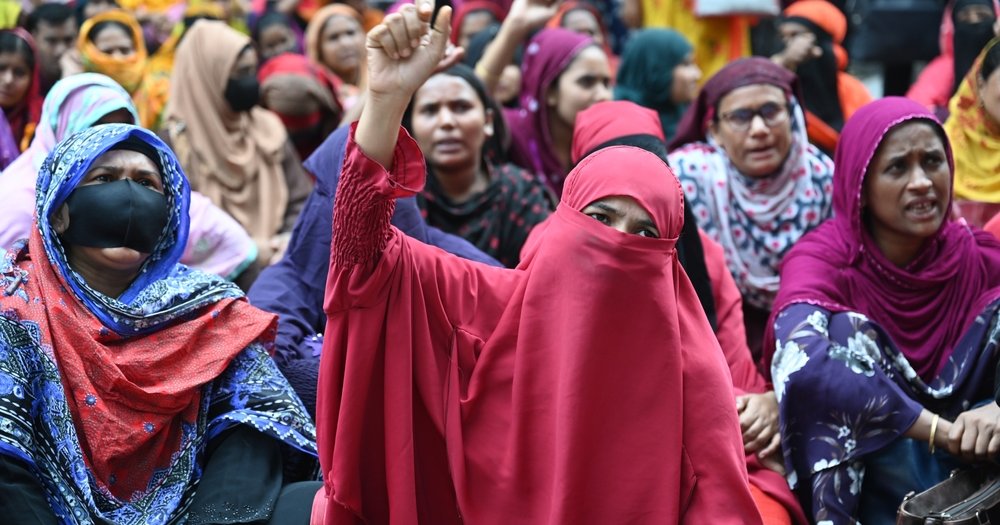
Bangladesh: Garment workers protest demanding TK30,000 minimum wage increase - Business and Human Rights Centre
Check out this page via the Business and Human Rights Centre
How People with Disabilities Use the Web
Introduces how people with disabilities, including people with age-related impairments, use the Web.
Mental Health, The Bangladeshi State, Culture, and Liberalism — miftah
That for Bangladeshi liberals, “the culture” and “the people” are boogeymen that shield capitalism and the state from any criticism, becomes the most ironic when the topic is mental health, and the impulse of these people is to blame mentally ill people for not seeking help.