


This resource is an excellent point of reference for those seeking to advance the rights of people with disabilities belonging to minority and indigenous communities in Bangladesh.
Prevalence and experience of violence against persons with disabilities in Bangladesh: findings from a nationwide mixed-method study
Current prevalence of disability in Bangladesh stands at 7.14%. Due to various misconceptions, stigma, and lack of policies, they are more vulnerable to violence and abuse from perpetrators. However, there is a paucity of research on the prevalence of emotional, physical, and sexual violence in the country. To address this knowledge gap, the current study aims to estimate the prevalence and explore the experiences of emotional abuse, physical, and sexual violence of persons with disabilities with their coping strategies. This study adopted a mixed-method sequential design comprising qualitative and quantitative components. A total of 5000 persons with disabilities were interviewed during the survey, and mini-ethnographic case studies were conducted with 51 purposively selected persons with disabilities from all eight administrative divisions of Bangladesh. Descriptive and bivariate statistical analysis was performed for quantitative data. Qualitative data were analysed through thematic analysis. The study concludes that the lifetime prevalence of emotional, physical, and sexual abuse is 68.9%, 26.6%, and 11.5%, respectively. Male participants were more prone to experience sexual abuse than females for both lifetimes (male: 12.7% & female: 10.3%) and within the last 12 months before the survey (male: 6.6% & female: 5.1%). Neighbours and close family members were found to be perpetrators of emotional and physical violence, whereas immediate family members were the perpetrators of sexual violence. Even though participants shared several coping mechanisms, equal to or less than 0.5% sought help from a counsellor to cope with the trauma. Results from the study correspond to the earlier studies with implications for future research and urgent policy reform. Although women are more vulnerable to experiencing different forms of violence, men with disabilities are no different. However, this remains unseen and unheard. To reduce the prevalence of violence against this marginalised group, a coordinated and collaborative approach is required targeting nationwide sensitisation, easy access to help-seeking centres, and adequate policy implementation.
Policy solutions key to their inclusion in job sector
Hawa Islam, a graduate with hearing and speech disabilities, endured discrimination and disrespect while working in several job sectors in Bangladesh. Eventually, she ended up without a job and is currently struggling financially.

🔎 assamese people on bangladeshi immigration - Google Search

Islamization of Bangladesh’s Electoral Politics and its Anti-trans Implications - শুদ্ধস্বর
As the aspirations behind Bangladesh’s July uprising failed to materialize, Trans Bangladeshi citizens must rely on coalition-building efforts to make their voices heard.

Why social theories become ‘scripture’ for Bangladesh’s self-styled Left
There is a ‘curious intellectual confidence’ among Bangladesh’s self-styled leftists. They have the confidence of someone who has read three-quarters of a Europ

WebAIM: Web Accessibility In Mind
Expanding the potential of the web for people with disabilities by empowering individuals and organizations to create accessible content.
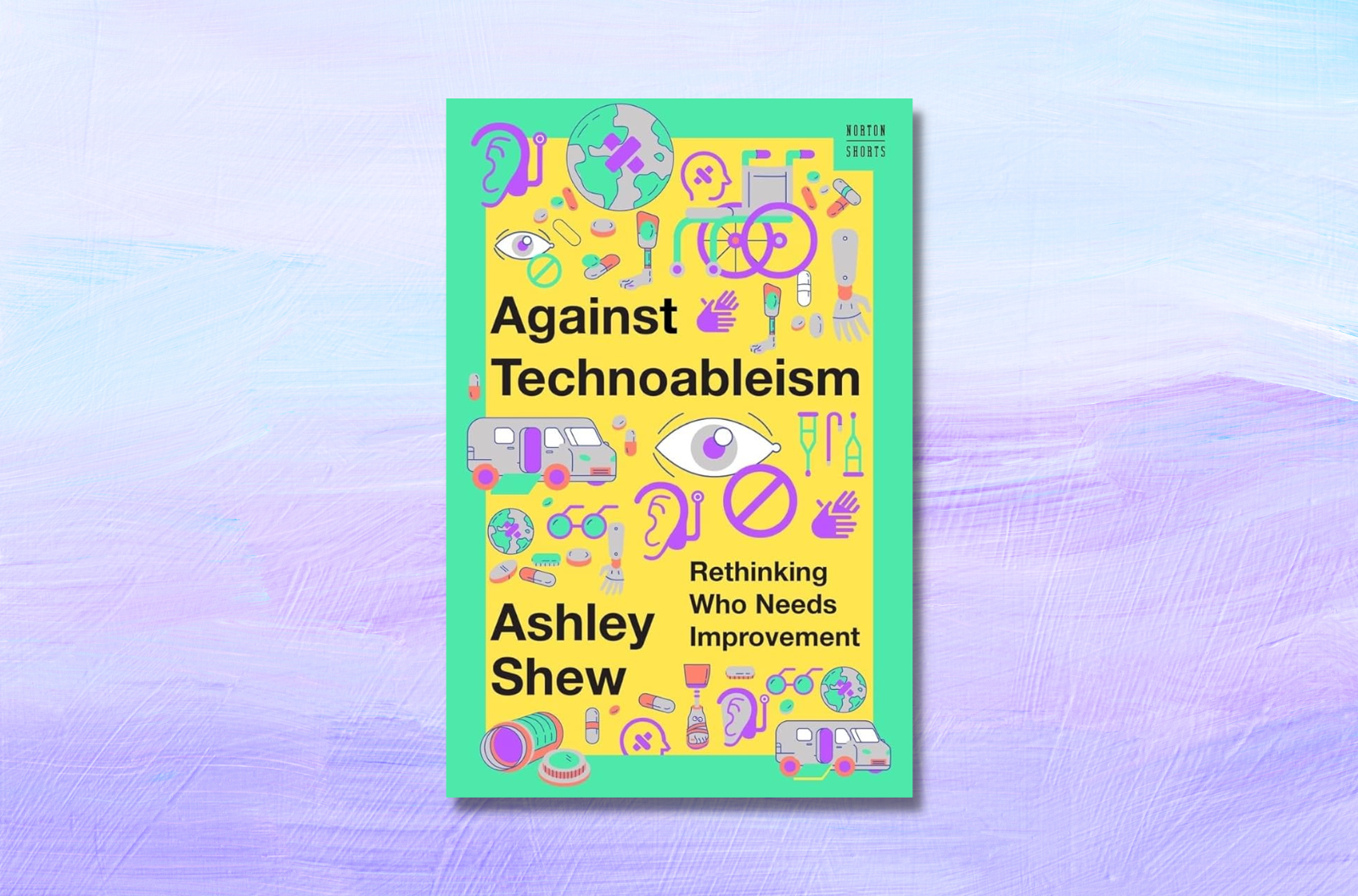
Ask Disabled People What They Want. It’s Not Always Technology.
While our lives are deeply entangled with technologies of all kinds, disabled people are almost never included in discussions about technology.
Disability-Driven Development
How People with Disabilities Use the Web
Introduces how people with disabilities, including people with age-related impairments, use the Web.
Belonging Is a Right, Not a Reward
CW: Ableism Disabled people have been made to prove their worth for too long. Society sees value in work, earnings, or productivity, and anyone who doesn’t meet these standards is expected to…

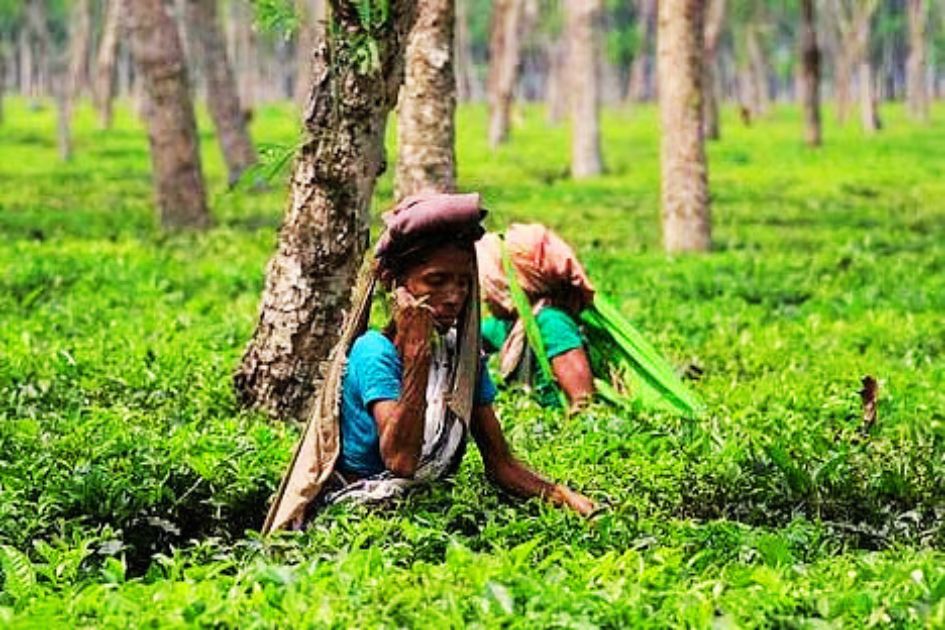
Colonial scars still shape Bangladesh tea workers’ struggle for rights
Bangladesh tea workers renew wage, union and land demands amid colonial-era labour legacies.
Inclusive Design for a Digital World
In this book, readers will learn the Web Content Accessibility Guidelines (WCAG) 2.1 requirements, emerging technologies such as VR and AR, best practices for web development, and implementation of inclusive design. Begin understanding the immense opportunities in designing for accessibility.
Challenging Ableism: A Critical Turn Toward Disability Justice in HCI
A reflection on our learnings from the CHI 2022 "Dreaming Disability Justice in HCI" workshop, and why we continue to call for disability justice, despite the limitations of how we practice it within academia and industry.
Disability in Bangladesh: General

Disability in Bangladesh: Particular
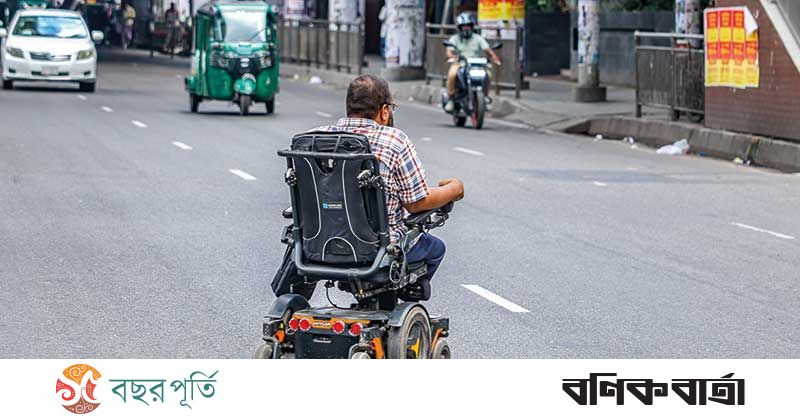
নগর অবকাঠামোয় উপেক্ষিত প্রতিবন্ধী ব্যক্তিদের প্রবেশগম্যতা
Prevalence and experience of violence against persons with disabilities in Bangladesh: findings from a nationwide mixed-method study
Policy solutions key to their inclusion in job sector
Exploring the status of persons with disabilities among minority and indigenous communities in Bangladesh - Minority Rights Group

Job-seeking graduates with disabilities launch hunger strike as protest enters 21st day

Man sent to jail over gang rape of physically challenged woman

Disabled woman raped and becomes pregnant in Tangail, BNP's secretary general arrested - BDDiGEST

Accused in rape of Netrokona woman with speech and hearing disabilities arrested

Man detained over rape of intellectually disabled girl in Ctg

Court denies bail to man accused of raping disabled teen, grants wife bail