

Publish documents, connect ideas, discuss them in context, and preserve verifiable authorship and collective memory over time.
Digital Sovereignty with Seed Hypermedia (FOSDEM 2026)
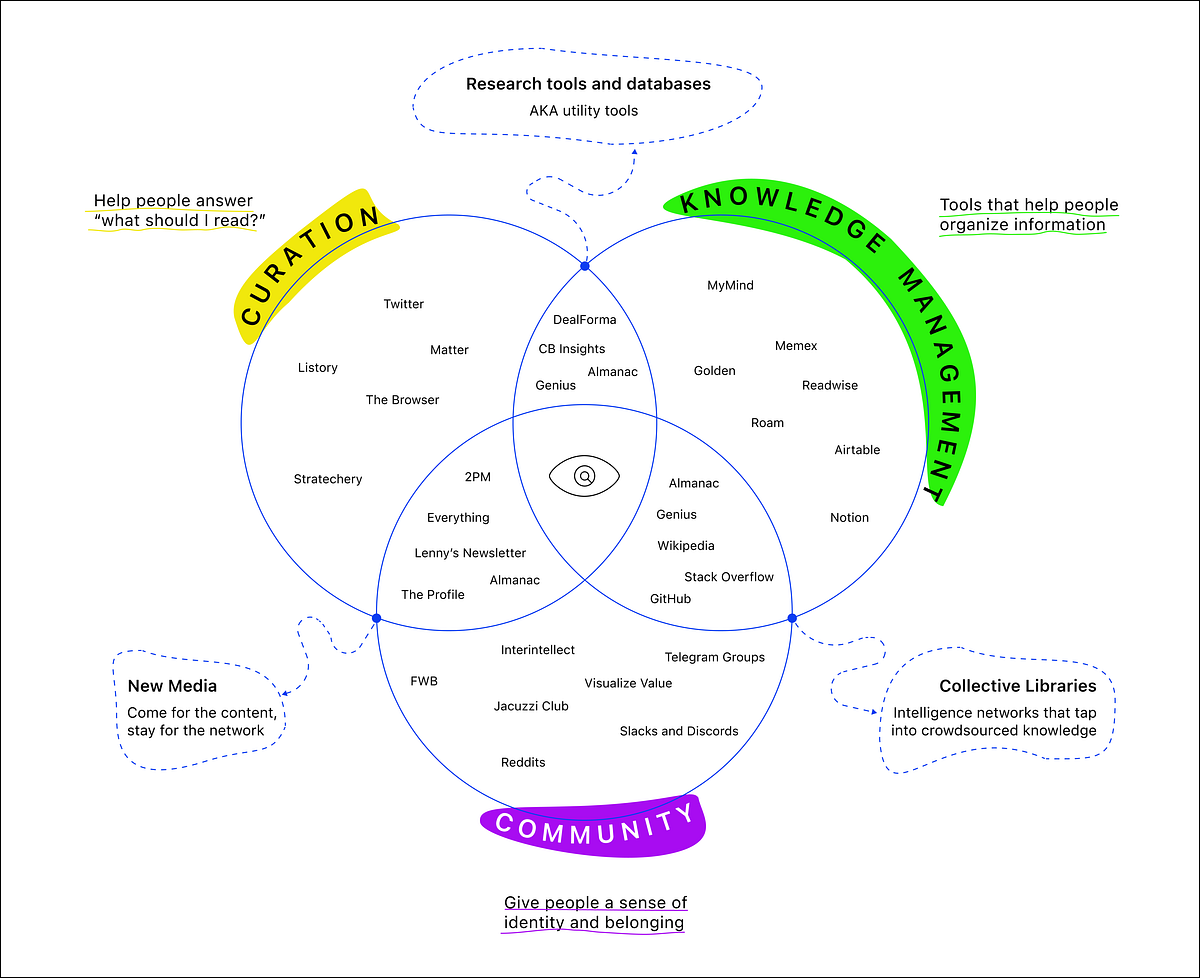
The rise of community-curated knowledge networks
The Internet put thousands of years of human thought at our fingertips, and enabled billions of people to create content. At least 2.5…
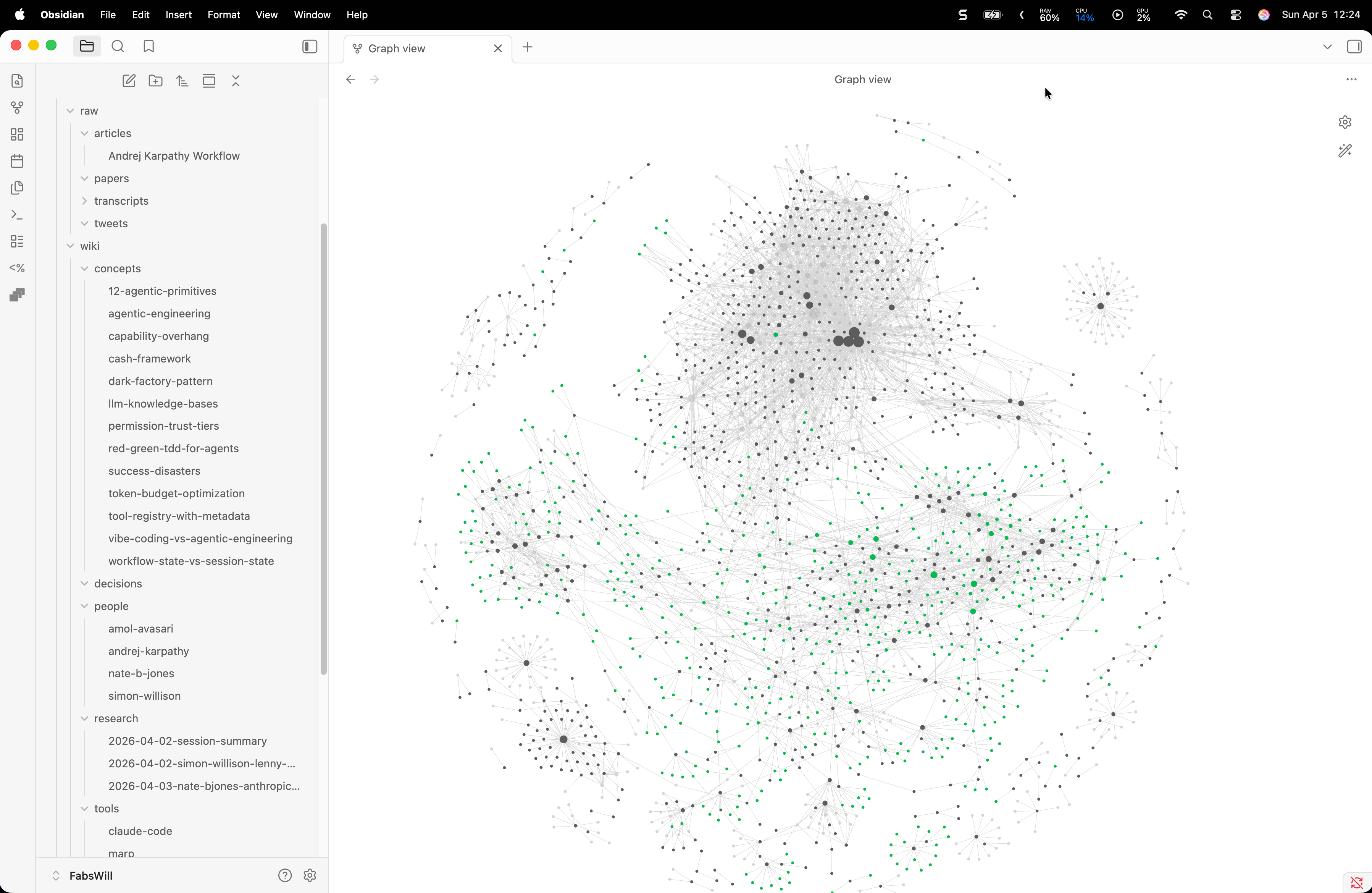
I Built a Knowledge Base That Writes Itself. Here Is What Andrej Karpathy Got Right.
Andrej Karpathy posted about using LLMs to build personal knowledge bases. I took his workflow, wired it into my Obsidian vault with Claude Code, and within an hour had 21 cross-linked wiki articles compiled from YouTube transcripts. Here is how it works and why it matters.
Hyperlink Academy
It's a lightweight collaborative publishing tool for quick tiny docs that can grow into rich creative surfaces ✨🌱
Hypermedia
Welcome to the Hypermedia Protocol: a decentralized publishing and discussion network
The Micro-Paper: Towards cheaper, citable research ideas and conversations
Academic, peer-reviewed short papers are a common way to present a late-breaking work to the academic community that outlines preliminary findings, research ideas, and novel conversations. By comparison, blogging or writing posts on social media are an unstructured and open way to discuss ideas and start new conversations. Both have limitations in the proliferation of research ideas. The short paper format relies on the conference and journal submission process while blogging does not operate within a structured format or set of expectations at all. However, at times the demand exists for late-breaking ideas and conversations to arise in a raw form or with urgency but should still be archived and recorded in a way that promotes citational honesty and integrity. To address this, I present: The Micro-Paper, as a micro-paper itself. The Micro-Paper is a small, cheap, accessible, digital document that is self-published and archived, akin to a pre-print of a short paper. This meta micro-paper discusses the context, goals, and considerations of micro-paper authoring.

The Research Nexus vision for a more connected scholarly community
Crossref envisions “a rich and reusable open network of relationships connecting research organizations, people, things, and actions; a scholarly record that the global community can build on forever, for the benefit of society”. This Research Nexus expands on the importance of research objects being persistently and uniquely identified. The scholarly community has an established practice of connecting things such as citations to others’ work and it is increasingly critical to identify relationships beyond citations, bringing together published work, unpublished work, institutions, individuals, and identifying the actions that they take e.g., funding, publishing, creating, modifying, citing, and sharing. The Research Nexus brings together metadata and relationships to build a joined-up picture of the scholarly ecosystem and helps everyone identify these relationships and how they change through time. This vision is possible if all parts of the scholarly ecosystem (and beyond) work together, including various scholarly infrastructure organizations.

Universal Version Control
Building tools to help people explore alternatives, keep track of history, and collaborate better, across all kinds of media.
NLnet; Nanoarguments
Scientific knowledge is currently scattered across papers, repositories, and disconnected platforms, with no structured way to trace how claims connect to evidence or how arguments develop. Nanoarguments builds a framework and tools for creating, browsing, and contributing to a global, federated graph of scientific discourse and evidence. Researchers and their communities can collaboratively structure claims, evidence chains, and discussion as nanopublications, which are small, cryptographically signed Linked Data snippets with precise provenance and authorship, published to a decentralized peer-to-peer network. The project builds upon the Nanodash interface to help users browse, edit, and aggregate discourse and evidence graphs, and integrates with dokieli to enable in-context authoring of nanopublications as inline annotations while reading or writing a document. A bidirectional ActivityPub connector bridges the nanopublication network and the fediverse, allowing discourse threads to start as social exchanges and crystallize into persistent, machine-readable evidence records. The project will be piloted with early adopter research groups in discourse and evidence modeling. All components will be released as open-source modules that other systems can build upon.
Publishing apps | at-store
Writing, newsletters, blogging, and reader-growth tools built to help creators publish on the open web and keep direct relationships with their audience.
epistemic garden - mapping how ideas spread online
We're building tools to help communities understand their information landscape and protect against harmful coordinated narratives.
Back into blogging and just published something I've been thinking about for a while now – making archival content more resilient and discoverable on atproto. Oral history, interactive transcripts, content addressing, and keeping important stories from being quietly erased. maboa.it/resilient-archives-on-the-at-…

Keeping Archives Alive: Resilience and Discovery on ATProto
maboa.it