

Sentiment analysis is the practice of assessing the likely attitude or opinion expressed through natural language. In machine learning, sentiment analysis is used to estimate emotion present in text/image/video, and can be used to classify postive, neutral, or negative feelings.
Ollama
Ollama is the easiest way to automate your work using open models, while keeping your data safe.

A multiclass Q-NLP sentiment analysis experiment using DisCoCat
Sentiment analysis is a branch of Natural Language Processing (NLP) which goal is to assign sentiments or emotions to particular sentences or words. Performing this task is particularly useful for...

Open information extraction
In natural language processing, open information extraction (OIE) is the task of generating a structured, machine-readable representation of the information in text, usually in the form of triples or n-ary propositions.
Uniting the Tribes: Using Text for Marketing Insight
Words are part of almost every marketplace interaction. Online reviews, customer service calls, press releases, marketing communications, and other interactions create a wealth of textual data. But how can marketers best use such data? This article provides an overview of automated textual analysis and details how it can be used to generate marketing insights. The authors discuss how text reflects qualities of the text producer (and the context in which the text was produced) and impacts the audience or text recipient. Next, they discuss how text can be a powerful tool both for prediction and for understanding (i.e., insights). Then, the authors overview methodologies and metrics used in text analysis, providing a set of guidelines and procedures. Finally, they further highlight some common metrics and challenges and discuss how researchers can address issues of internal and external validity. They conclude with a discussion of potential areas for future work. Along the way, the authors note how textual analysis can unite the tribes of marketing. While most marketing problems are interdisciplinary, the field is often fragmented. By involving skills and ideas from each of the subareas of marketing, text analysis has the potential to help unite the field with a common set of tools and approaches.

ollama launch· Ollama Blog
ollama launch is a new command which sets up and runs coding tools like Claude Code, OpenCode, and Codex with local or cloud models. No environment variables or config files needed.
The Consensus Trap: Dissecting Subjectivity and the “Ground Truth” Illusion in Data Annotation
As part of the Digital Library's transition to Open Access, new features for researchers are available in the Premium Edition. Click here to learn more.

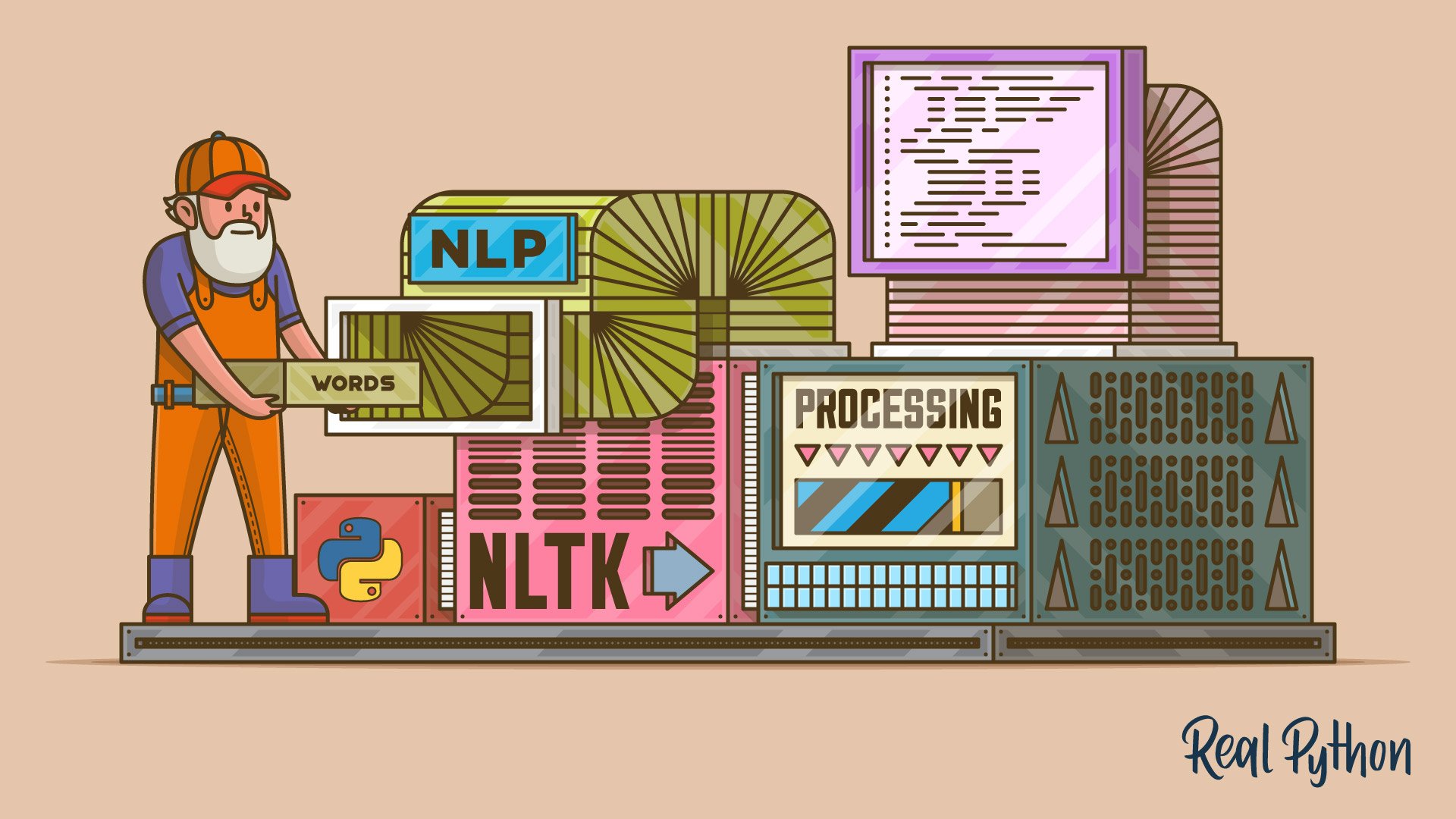
Natural Language Processing With Python's NLTK Package – Real Python
In this beginner-friendly tutorial, you'll take your first steps with Natural Language Processing (NLP) and Python's Natural Language Toolkit (NLTK). You'll learn how to process unstructured data in order to be able to analyze it and draw conclusions from it.
ConvoKit: Conversational Analysis Toolkit
This toolkit contains tools to extract conversational features and analyze social phenomena in conversations, using a single unified interface inspired by (and compatible with) scikit-learn. Several large conversational datasets are included together with scripts exemplifying the use of the toolkit on these datasets. The latest version is 4.1.2 (released June 26, 2026); follow the project on GitHub to keep track of updates.


Ollama: all aboard open models· Ollama Blog
Serving 8.9 million developers, Ollama has raised $88M from Benchmark, Theory Ventures, 8VC, Y Combinator, and many incredible angel investors.
Ollama's new engine for multimodal models· Ollama Blog
Ollama now supports new multimodal models with its new engine.