

Whether it's building a new project from scratch, implementing a big feature, or beginning a large refactor, it can be difficult to stay motivated and complete large technical projects. A method that works really well for me is to continuously see real results and to order my work based on that.
The unreasonable effectiveness of just showing up everyday
Six years, no deadlines, and one rule: write some code every day. That slow, stubborn routine turned a side project into a sustainable search company.

The Science of High Performance
Research shows that knowing what you want to accomplish is more important than performance at the start. But once you know where you're going, you can accelerate your progress by considering and implementing these steps.

Introducing Routines: Research that keeps working - Elicit
Tell the Elicit Research Agent what to keep current. Routines find new evidence, update your work, and report back for your review.

Attention Is My Most Valuable Asset for Productivity as a Software Developer | Zachary Betz
My high-level workflow looks something like this: identify the problem to solve; think on the problem and let ideas percolate; research, discuss, and experiment with these ideas; implement and test the solution; deliver and maintain the solution.
Just-in-Time PM #21: Workflow Strategies - Forte Labs
Now it’s time to look at the JIT Project Manager’s toolkit. How do we put these ideas into practice in our day to day work? Through Workflow Strategies, a set of practical techniques for executing modern projects. Here is the full list, according to whether they work better for small or large-scale projects, and what kind of situation they are best suited for.

Strategies for Long Projects - Ben Brostoff
I’m in the middle of three multi-month to a year projects right now: Writing a book Running a marathon Building a ...

I Spent 2 years Launching Tiny Projects | Tiny Projects
Two years ago, frustrated with a long list of unfulfilled project ideas in my phone notes, I decided to give myself one week to try each idea out in its tiniest form.
BiTS Americas Webinar 25 November 2025
My Writing Productivity Pipeline
Write a lot, and often, we are told. But no one shows us how to keep track of all that work.

When your project isn’t making money
It might be that you’re losing money on every sale (Which means that each and every item you sell, every service you perform, costs you money. Bigger won’t make you better…) Becau…

How to build a roadmap in 3½ steps | HackerNoon
<em>When done right, the product roadmap reduces uncertainty about the future and keeps product teams focused on the highest priority product initiatives. But how to build it effectively?</em>

How To Validate Product Ideas Before (And After) Building Them
People spend too much time writing software relative to speaking to potential customers, prior to launching and after it. Reversing that is a win.
Great engineering teams focus on milestones instead of projects | Jade Rubick - Engineering Leadership
Programs are more complicated than projects which are more complicated than milestones. Instead of projects, focus on milestonesMost engineering organizations focus on delivering projects. You can get better results by focusing on milestones instead.

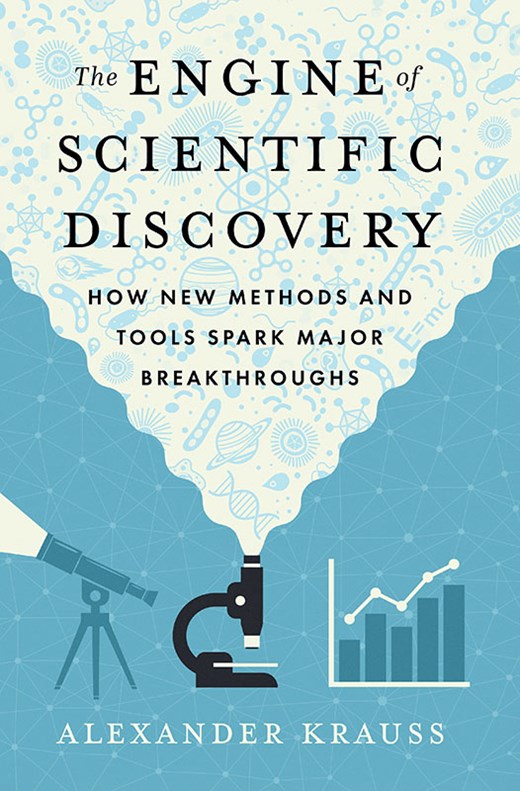
The Engine of Scientific Discovery: How New Methods and Tools Spark Major Breakthroughs
Abstract. How do we spark new scientific discoveries? Why do some breakthroughs seem even accidental? And most importantly, how can we accelerate them and
Coping strategies for the serial project hoarder
I gave a talk at DjangoCon US 2022 in San Diego last month about productivity on personal projects, titled “Massively increase your productivity on personal projects with comprehensive documentation and …
one of the reasons why I'm critical of "bigger models will solve this" is that cranking the output velocity of technician work sharpens the need for process work, which is the domain of expertise. process is incredibly hard to get right. most fields are bad at it. and it's *gaining* importance.

Ed
when it comes to LLMs, I have been trying to beat the technician/expert drum. LLMs are becoming master technicians, but they obviously lack integrative capabilities to deploy expertise. but I'm starting to realize that a lot of people don't understand, or don't value the difference.
