

The Platform Studies book series has been established to promote the investigation of underlying computing systems and how they enable, constrain, shape and support the creative work that is done on them. The series investigates the foundations of digital media — the computing systems, both hardware and software, that developers and users depend upon for artistic, literary, and gaming development. Books in the series will certainly vary in their approaches, but they will all also share certain features: A focus on a single platform or a closely related family of platforms; Technical rigor and in-depth investigation of how computing technologies work; An awareness of and discussion of how computing platforms exist in a context of culture and society, being developed based on cultural concepts and then contributing to culture in a variety of ways — for instance, by affecting how people perceive computing.
The platformization of cultural production: Theorizing the contingent cultural commodity
This article explores how the political economy of the cultural industries changes through platformization: the penetration of economic and infrastructural extensions of online platforms into the web, affecting the production, distribution, and circulation of cultural content. It pursues this investigation in critical dialogue with current research in business studies, political economy, and software studies. Focusing on the production of news and games, the analysis shows that in economic terms platformization entails the replacement of two-sided market structures with complex multisided platform configurations, dominated by big platform corporations. Cultural content producers have to continuously grapple with seemingly serendipitous changes in platform governance, ranging from content curation to pricing strategies. Simultaneously, these producers are enticed by new platform services and infrastructural changes. In the process, cultural commodities become fundamentally “contingent,” that is increasingly modular in design and continuously reworked and repackaged, informed by datafied user feedback.

Game Platforms | Game Developer
Explore the latest news and expert commentary on Game Platforms, brought to you by the editors of Game Developer
Platform as a Runtime - the Next Step in Platform Engineering
As systems become larger and more complex we need to take the concepts of platform engineering to a higher level – to the code level – by creating platforms and abstractions that will reduce cognitive load, help simplify and accelerate software development, and allow for easy maintenance and upgrades to the platform. Let’s move from “platform” to “Platform as a Runtime”.

The Social Meaning of the Personal Computer: Or, Why the Personal Computer Revolution Was No Revolution
This essay presents a processual model of the personal computing movement that depicts the PC's birth within the context of complex and often contradictory social strategies, each of which used the meaning of computer technology in a distinctive way. It suggests that innovators are constrained by such processes to depict new artifacts in culturally meaningful ways, so that it is difficult for them to conceive of their technologies in radical terms. The rhetoric of "revolution" aside, innovators found it expedient to draw from the stock of meanings at hand as they created new meaning-frameworks for their artifacts. The result is that the new artifacts did not express a coherent or effective political vision and failed to have the intended social effects. This study implies that new technologies frequently reproduce existing social and meaning systems; if they do bring about social change, the changes may differ from those intended by the innovators.
The Social Meaning of the Personal Computer: Or, Why the Personal Computer Revolution Was No Revolution
This essay presents a processual model of the personal computing movement that depicts the PC's birth within the context of complex and often contradictory social strategies, each of which used the meaning of computer technology in a distinctive way. It suggests that innovators are constrained by such processes to depict new artifacts in culturally meaningful ways, so that it is difficult for them to conceive of their technologies in radical terms. The rhetoric of "revolution" aside, innovators found it expedient to draw from the stock of meanings at hand as they created new meaning-frameworks for their artifacts. The result is that the new artifacts did not express a coherent or effective political vision and failed to have the intended social effects. This study implies that new technologies frequently reproduce existing social and meaning systems; if they do bring about social change, the changes may differ from those intended by the innovators.
Indigitalization: Indigenous Computing Theory - Jon Corbett
The politics of ‘platforms’
Online content providers such as YouTube are carefully positioning themselves to users, clients, advertisers and policymakers, making strategic claims for what they do and do not do, and how their place in the information landscape should be understood. One term in particular, ‘platform’, reveals the contours of this discursive work. The term has been deployed in both their populist appeals and their marketing pitches, sometimes as technical ‘platforms’, sometimes as ‘platforms’ from which to speak, sometimes as ‘platforms’ of opportunity. Whatever tensions exist in serving all of these constituencies are carefully elided. The term also fits their efforts to shape information policy, where they seek protection for facilitating user expression, yet also seek limited liability for what those users say. As these providers become the curators of public discourse, we must examine the roles they aim to play, and the terms by which they hope to be judged.
Platform Design: Interfaces, Incentives, Emergence & Second-Order Thinking
Platform design isn't just product design at scale. Learn the four concepts that set it apart—with a detailed Lego case study showing how great platforms enable creativity.
Digital Degrowth: Radically Rethinking our Digital Futures
We are fast approaching the point of “peak digital”, with the continued mass production and excessive consumption of digital technologies set to become a key driver of climate crisis, ecological breakdown and ongoing societal instability.<br /> <br /><i>Digital Degrowth</i> is a call to completely rethink our digital futures in these fast-changing times. It explores how degrowth thinking and alternate forms of “radically sustainable computing” might support ambitions of sustainable, scaled-down and equitable ways of living with digital technologies. Neil Selwyn proposes a rebalancing of digital technology use: digital degrowth is not a call for simply making reduced use of the digital technologies that we already have – rather it is an argument to reimagine digital practices that maximise societal benefits with minimal environmental and social impact. Drawing on illustrative examples from across computer science, hacker and environmental activist communities, this book examines how core degrowth principles of conviviality, autonomy and care are already being used to reimagine alternate forms of digital technology.<br /> <br />Original and stimulating, this is essential reading for students and scholars of media and communication, sustainability studies, political ecology, computer/data sciences, and across the social sciences.

how do you a call a person who is interacting with digital media ?
We use tools from computer science, media design, and digital art to study massive cultural data sets. Directed by Dr. Lev Manovich.
Resonite
A novel digital universe with infinite possibilities. Whether you resonate with people around the world in a casual conversation, playing games and socializing. Or you riff off each other when creating anything from art to programming complex games, you'll find your place here.

Institute of Network Cultures | Ben Grosser: Planning the Exodus from Platform Realism
Thinking about the current state of platforms, I’m reminded of Mark Fisher’s articulation of capitalist realism, the idea that we don’t imagine or build alternatives to capitalism because we can no longer envision a world without it. Big tech, in a few short years, has managed to instill within the public a similar state of platform realism. So many are unable to imagine how global communication, media, search, etc. could ever function without the platforms. Despite a growing malaise, it’s become difficult for many to consider a world without big tech platforms as a viable conception of the future.

Feeling of Computing
Feeling of Computing is an online community with a welcoming, cooperative, and revolutionary spirit. We are unified in the belief that the computer is tragically less humane than it could be. There’s a world of possibilities that get more beautiful the further away from the norm you go. We’re here to explore this world together, to discuss ideas about theory and practice, and to champion and support our members’ research and development efforts to reimagine the computer.
LURK
Welcome to LURK, we host, facilitate and archive discussions around net- and computational culture and politics, proto- and post-free culture practices, (experimental) (sound) (new media) (software) art, and things like that…
Ditch Platforms

Guides, stories, and reasons to leave platforms in favor of protocols
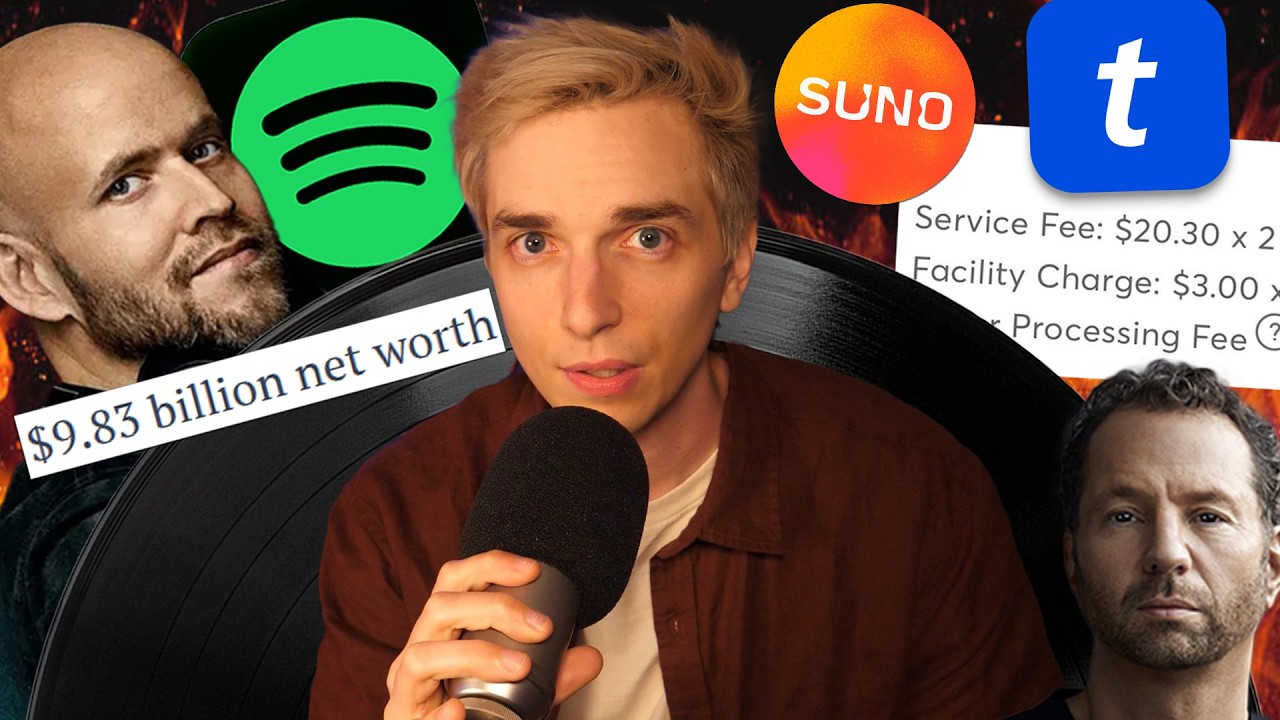
The Music Industry is Broken

Enshittification, Despotification, and the Open Internet
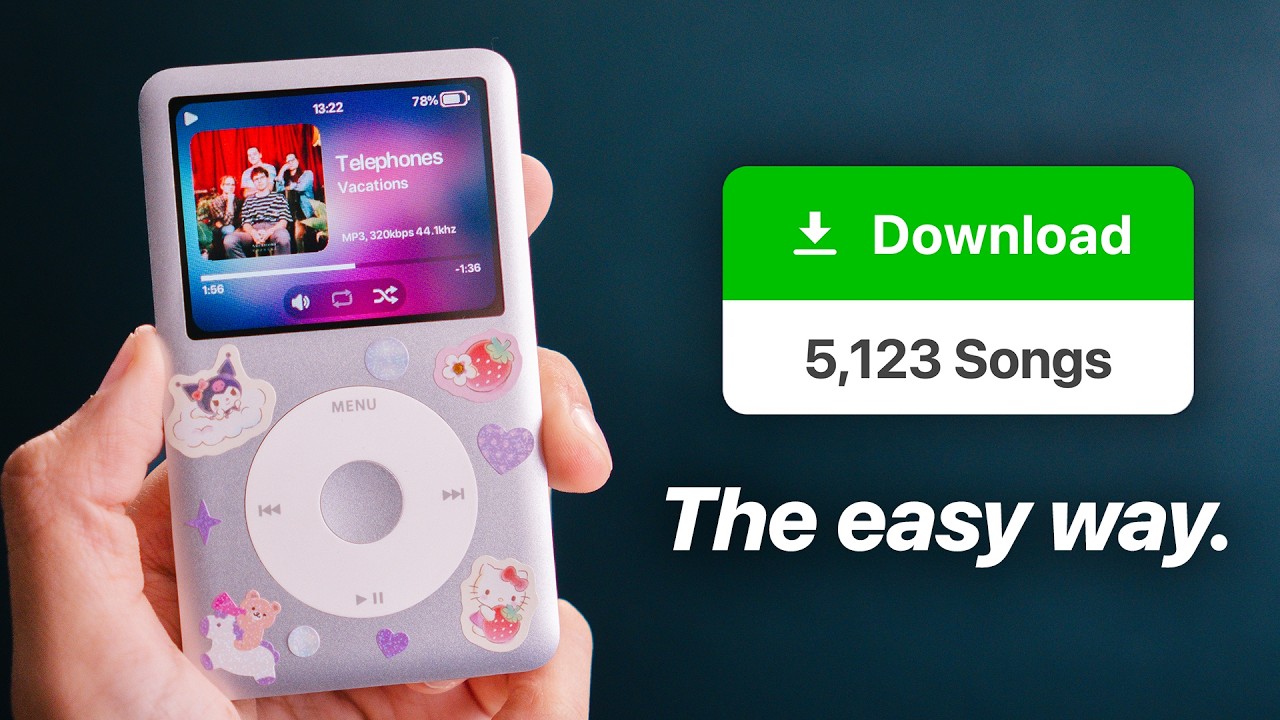
How to ACTUALLY Quit Spotify.
Kill Yr Substack | Jason Cosper

EFF is Leaving X

An Explanation (Which I Would Be Very Grateful If You Took The Time To Read)