


The lesson from Ukraine’s Kerch Bridge operation is clear: weaponising technological dependencies only makes countries more determined to break them....
All the Ways Europe Is Ditching American Technology
A WIRED timeline shows how dozens of governments, companies, and other organizations across Europe are moving, or planning to shift, away from US Big Tech.

The Authoritarian Stack: Mapping Big Tech’s Capture of State Power - Rosa-Luxemburg-Stiftung
A new project exposes the infrastructure of techno-oligarchic control — and why Europe must act

US tech dependence: A risk report for European businesses | Proton
Most European companies rely on US tech. Proton’s new report explains why that dependence is now a strategic risk and how to mitigate it.

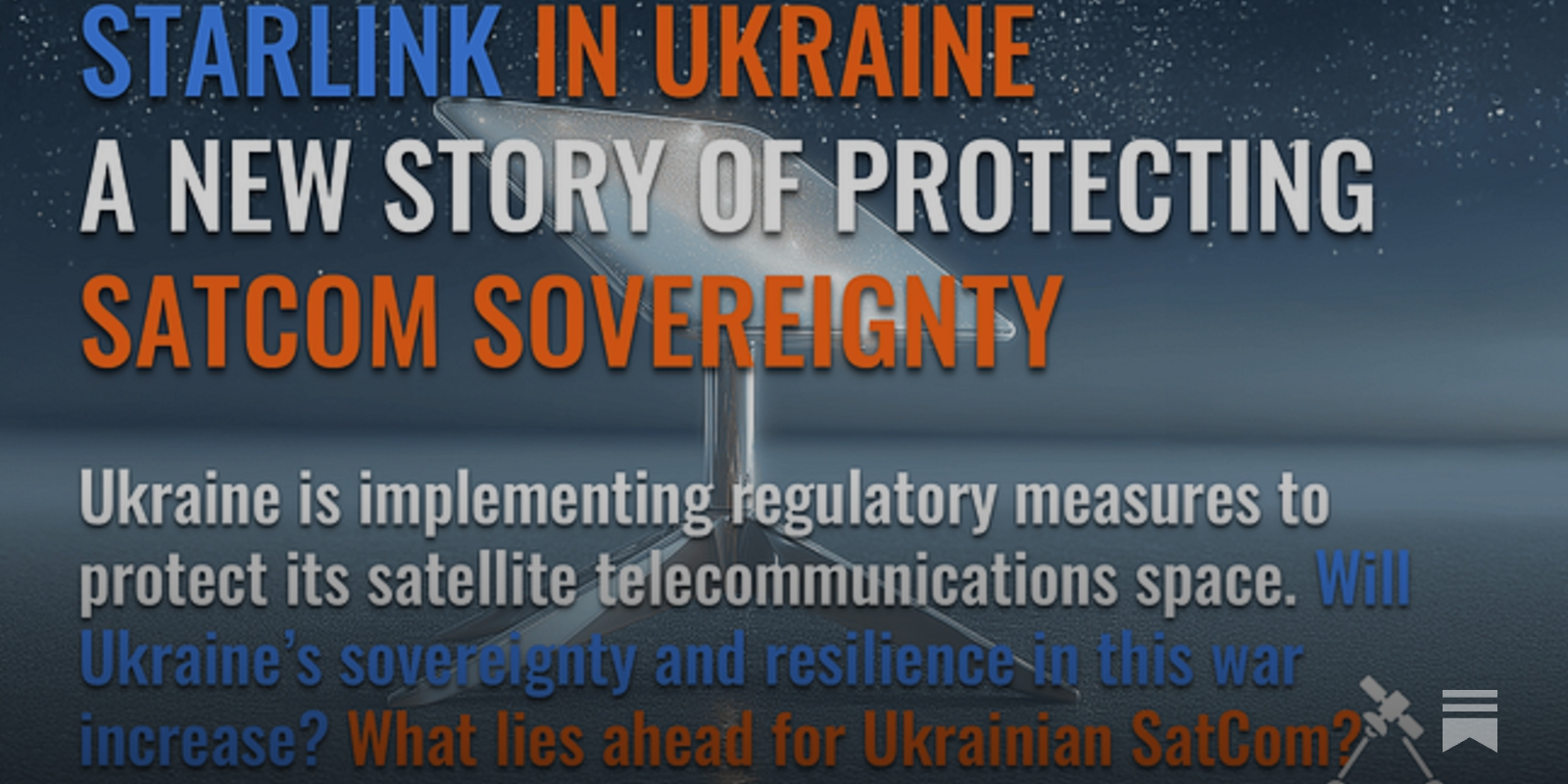
Starlink in Ukraine – a New Story of Protecting SatCom Sovereignty
Ukraine is finally implementing effective regulatory measures to protect its satellite telecommunications space. Will Ukraine’s sovereignty and resilience in this war increase?
EU-AI | Igor L.
The geopolitical landscape is shifting from physical borders to digital infrastructure. Here is a factual breakdown of how a $500 billion investment in "Sovereign AI" is changing global power dynamics. The Shift: From Land to "Substrate" Historically, a nation’s power was defined by its territory and legal systems (the Westphalian model). Today, power is increasingly tied to the compute substrate—the physical hardware and energy required to run AI. 1. Infrastructural Enclosure The "Sovereign Compute Coalition" (SCC) represents a massive consolidation of power. Major private entities are acquiring the three pillars of modern national strength: * Hardware: High-end AI chips (e.g., Nvidia). * Energy: The massive power grids needed to fuel them. * Data Centers: The physical "brains" of the digital economy. 2. The Rise of Technocracy As private companies own these essential tools, governments may find themselves in a position where they effectively "rent" their ability to govern. This moves decision-making power away from elected officials and toward those who control AI infrastructure. 3. Europe’s Strategic Response Europe is launching several initiatives to avoid becoming a "client state" of foreign tech providers. The strategy focuses on four main channels: * 8ra Initiative: Building a decentralized, multi-provider cloud-edge architecture to ensure data remains under European control and interoperable across borders. * ReArm Europe: A strategic defense package (presented in March 2025) aimed at boosting industrial competitiveness and reducing strategic dependencies in technology and defense. * Sovereign LLMs: Developing domestic models, such as Mistral, that are designed to align with European data privacy standards and cultural values. * Energy & Procurement: Using public procurement and new regulatory frameworks to create demand for homegrown, sustainable energy-efficient compute solutions. The goal of these moves is #DigitalSovereignty : the ability for a region to control its own digital destiny without relying exclusively on transnational monopolies. Data tells the real story. Are you following it? Follow #datanomics

Europeans want US tech out of their businesses | Proton
We asked Europeans what they think of US tech dominating European businesses and they’re not happy: Find out what they say needs to change.
What is a “European Alternative” to X? – Open Future
European alternatives to Big Tech platforms must go beyond sovereignty—they need decentralized models, robust safety, and public funding.
The EU Is Going Through a Trump-Fueled Breakup With Big Tech
France is already moving on from Zoom and Microsoft Teams in favor of homegrown alternatives. Other countries are quickly following suit.

The Invisible War in Ukraine Being Fought Over Radio Waves (Published 2023)
Using electromagnetic waves to flummox and follow smarter weapons has become a critical part of the cat-and-mouse game between Ukraine and Russia. The United States, China and others have taken note.

Ukraine hits second major tech site, expanding range of targets inside Russia By Reuters
Ukraine hits second major tech site, expanding range of targets inside Russia

Europe is wrong to take a sledgehammer to Big Google
We need nimble enterprises to operate on a level plane with US groups, writes Evgeny Morozov

Anatomy of a Franco-German tech misfire
As Europe debates how far to go in pivoting away from US Big Tech, a cloud initiative provides a cautionary tale.

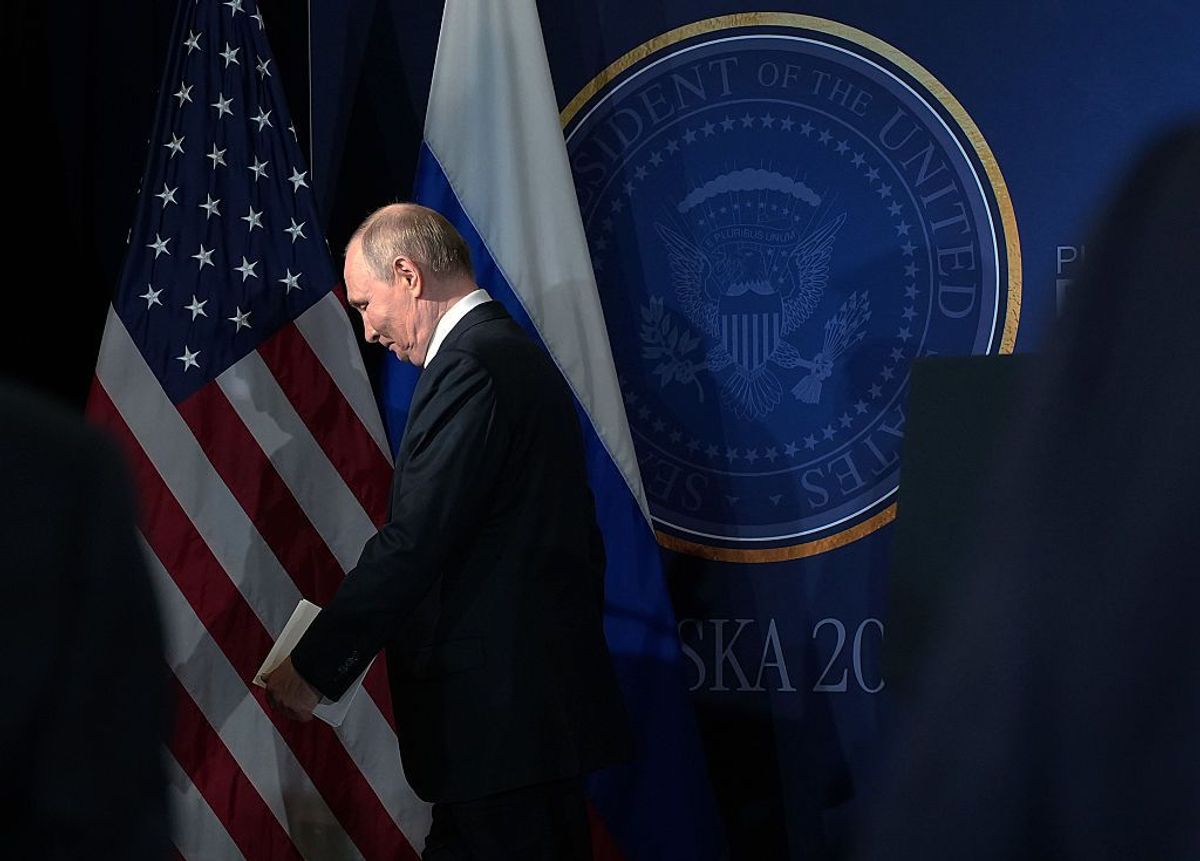
Exclusive: Putin puts a price on Trump's Ukraine energy truce — Kyiv fears the cost
Russia has demanded sanctions relief from the U.S. as part of talks over a possible energy ceasefire with Ukraine, while also seeking to link the initiative to a ceasefire in the Black Sea, U.S. and Ukrainian officials familiar with the talks told the Kyiv Independent. The demands come as Russia intensifies attacks on Ukraine's energy infrastructure, with one senior Ukrainian defense official saying Moscow is trying to inflict as much damage as possible to gain leverage before potential negotia
Supporting AT Proto development with money and infrastructure should be a no-brainer for EU industrial policy. In fact, given the need for alternatives to US-owned platforms, comparative advantage, and infinite downstream benefits, few areas offer a bigger bang for your industrial policy buck.

Eurosky Sebastian
2 days ago I had the opportunity to participate in the European Commission‘s workshop on the future of social networks in Europe, together with researchers, entrepreneurs, policymakers, investors and civil society representatives.

