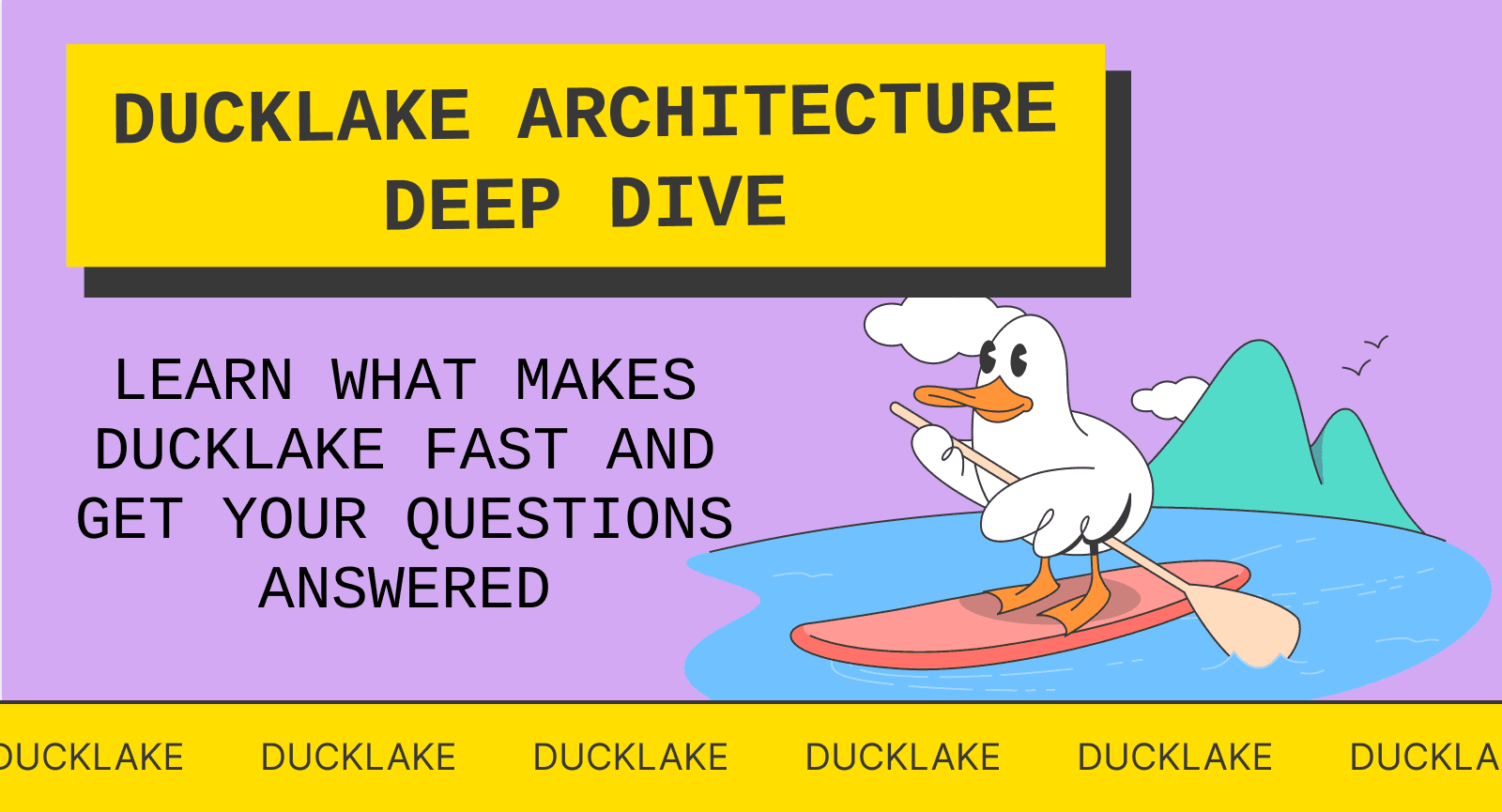
DuckLake is a next generation data lakehouse and open table format. It is significantly simpler and faster than Apache Iceberg or Delta Lake because it uses a SQL database for storing the catalog and metadata. This post covers an architecture deep dive with a detailed Q&A section. DuckLake consists of 3 components: storage, catalog, and compute. Each can be scaled independently, hosted locally with ease, and deployed to the cloud for production. MotherDuck offers managed DuckLake lakehouses for additional simplicity and performance.
Understanding new Cloud Storage hierarchical namespace | Google Cloud Blog
The new hierarchical namespace capabilities bring file system optimizations to Cloud Storage buckets.
NoSQL: The Baby and the Bathwater - Marc's Blog
This is a bit of an introduction to a long series of posts I’ve been writing about what, fundamentally, it is that makes databases scale. The whole series is going to take me a long time, but hopefully there’s something here folks will enjoy.
An analytical SQL database management system
DuckDB is a SQL OLAP database management system. Simple, feature-rich, fast & open source.

Willow - Home
Peer-to-peer protocols which scale up, down, and sideways. Sychronisable data storage, fine-grained access control, private and efficient synchronisation, and secure data delivery by any means possible.
Wildland – an open data management protocol
Wildland is a docker for your data. You can store, organize and access your data however and wherever you want.
Pond | A Linux operating system
Pond is a lightweight, beautiful Linux operating system.
AWS re:Invent 2018: Amazon DynamoDB Under the Hood: How We Built a Hyper-Scale Database (DAT321)
Apache Iceberg: The Definitive Guide | Dremio
Learn everything about Apache Iceberg, the open table format for big data, in this definitive guide by Dremio. Discover best practices, architecture insights, and implementation strategies.

Dremel: interactive analysis of web-scale datasets: Proceedings of the VLDB Endowment: Vol 3, No 1-2
Dremel is a scalable, interactive ad-hoc query system for analysis of read-only nested data. By combining multi-level execution trees and columnar data layout, it is capable of running aggregation queries over trillion-row tables in seconds. The system ...

A relational model of data for large shared data banks
Future users of large data banks must be protected from having to know how the data is organized in the machine (the internal representation). A prompting service which supplies such information is not a satisfactory solution. Activities of users at terminals and most application programs should remain unaffected when the internal representation of data is changed and even when some aspects of the external representation are changed. Changes in data representation will often be needed as a result of changes in query, update, and report traffic and natural growth in the types of stored information. Existing noninferential, formatted data systems provide users with tree-structured files or slightly more general network models of the data. In Section 1, inadequacies of these models are discussed. A model based on n -ary relations, a normal form for data base relations, and the concept of a universal data sublanguage are introduced. In Section 2, certain operations on relations (other than logical inference) are discussed and applied to the problems of redundancy and consistency in the user's model.
DBeaver Community | Free Open-Source Database Management Tool
DBeaver Community is a free, open-source database management tool recommended for personal projects. Manage and explore SQL databases like MySQL, MariaDB, PostgreSQL, SQLite, Apache Family, and more.

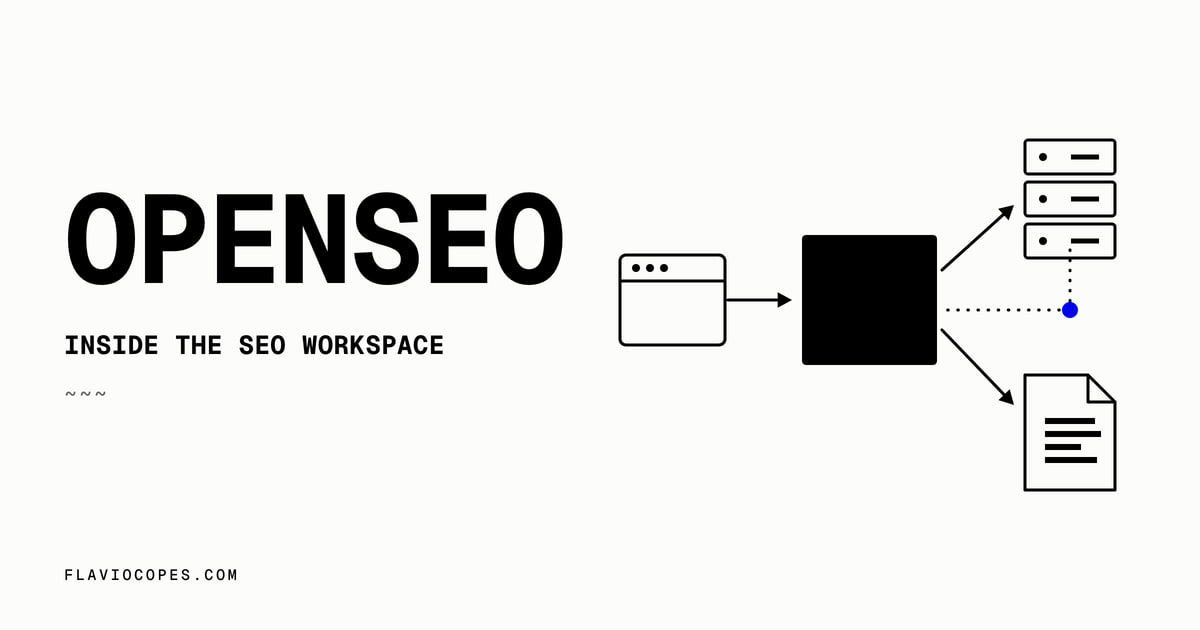
A deep dive into OpenSEO
Explore OpenSEO's architecture: SEO data APIs, Cloudflare Workers, its audit crawler, MCP tools, AI agents, storage, and self-hosting trade-offs.
Build Bigger With Small Ai: Running Small Models Locally
[Stageˣ] Linux distribution
A container-native, full-source bootstrapped, and reproducible toolchain to build all the things.