For my part, seeing AI catch up to my abilities in several domains has been painful. I feel a sense of loss. And I’m in a position where I have (a tiny bit of) leverage and control over the process. I can only imagine how painful it would be if I felt like it were completely out of my hands
AI Is a Mass-Delusion Event
Three years in, one of AI’s enduring impacts is to make people feel like they’re losing it.
AI overuse could spark "brain fry," new research finds
The mental strain associated with AI carries "significant costs," researchers find.
Stuck in the middle: Being an engineer & artist in the AI era | Annie Sexton | Offprint
I'm an AI skeptic, through and through. But I also voluntarily use AI nearly every day. So naturally, you might be asking: what the heck?

Arvind Narayanan (@aisnakeoil)
There’s a big, under-appreciated reason why people may have very different experiences and opinions about using AI for work — are they using it for tasks they’re already an expert at, or tasks they can’t do themselves? The former leads to a growth cycle and the latter leads to a dependence spiral. When I use AI to do something I’m an expert at, like coding, I treat it as a tool. I can build quickly, maintaining an understanding of the code, knowing that if necessary, I can fix the code myself. It feels empowering. It frees up my time to think about the complex, judgment-oriented parts of software engineering that I can’t or won’t delegate to AI. That means my own skills improve rapidly, and I get to climb the ladder of complexity and develop higher-level skills, much more so than when I write the code myself. I feel in control. I can lock in and achieve a flow state — when AI is working, I’m reviewing, building understanding, and planning the next steps. I never get the feeling that the tool is about to replace me. This is the growth cycle. (Of course, the growth cycle is not automatic. I still need to exercise agency to use AI responsibly. But it’s the same challenge with any productivity-enhancing technology, and those who’ve navigated such transitions before are well-equipped to navigate it with AI as well.) On the other hand, if I use it for tasks I don’t understand and haven’t learned to perform myself, I have no choice but to treat it as a superintelligence. If something breaks, the best I can do is ask AI to fix it and hope for the best. I generally can’t evaluate the quality of the output myself. The only way to find out if it's any good is if and when the work is ultimately reviewed by an actual expert. The experience is confusing, unsettling and disempowering. And forget about flow state. By over-relying on AI, I risk losing whatever skill I had at the task in the first place, even if it boosts productivity in the short term. This is the dependence spiral. It’s no wonder that entry-level workers and students preparing to enter the workforce find themselves in a bind. To compete with the AI-enabled productivity of more seasoned workers, they must adopt AI themselves, but doing so risks the dependence spiral. I have some thoughts on solutions that I will share in later posts, but I think having a clear diagnosis of the problem is a useful first step.

We All Hate AI, but if You’re Poor, It Can Really Ruin Your Life
Debt collection. Parole decisions. Oversight of public services. It’s all being outsourced to AI, with terrible consequences for poor people.

why I am AI sober
on walking away from AI and how you can mirror similar boundaries with big tech.
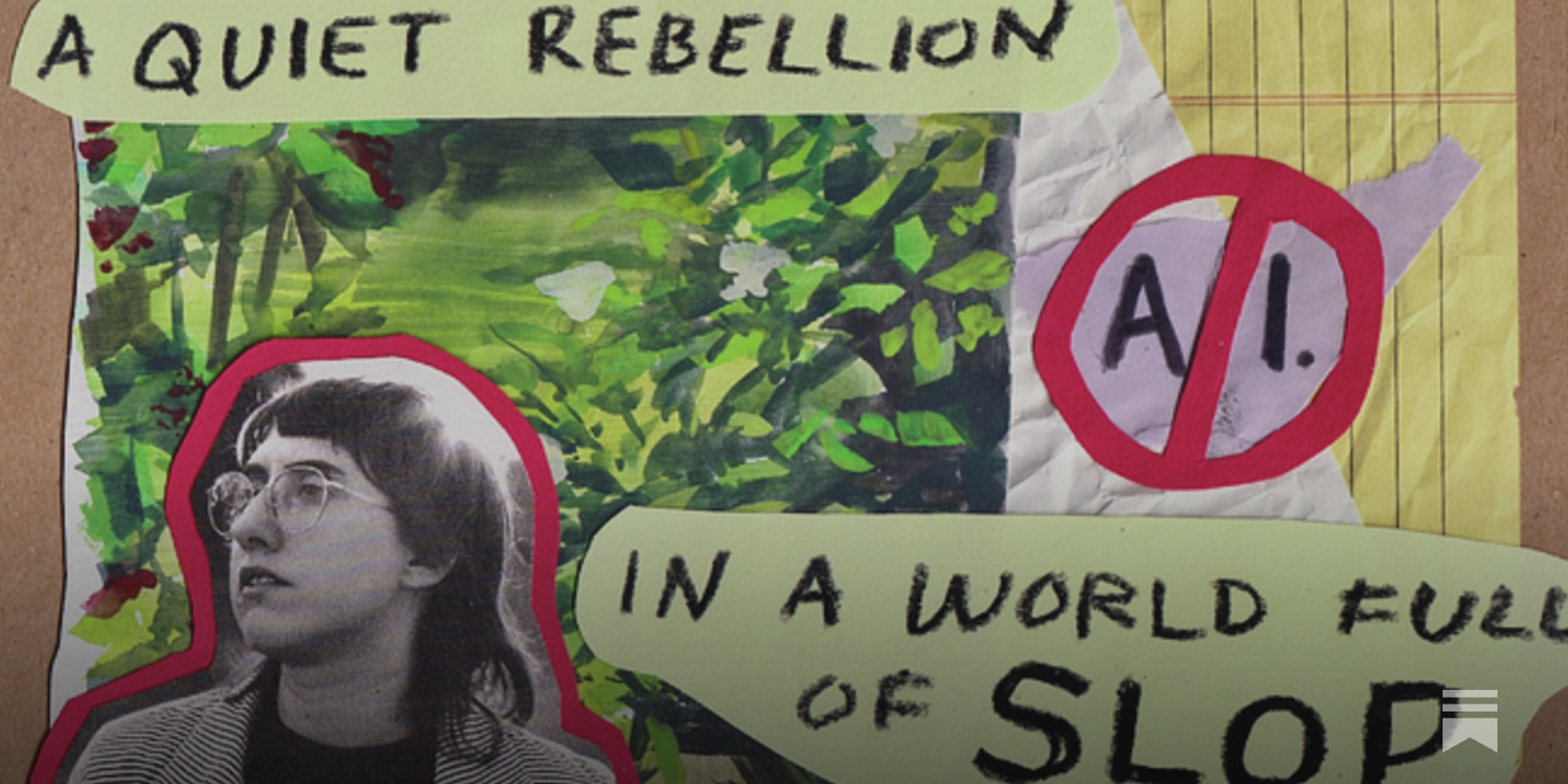
why I am AI sober
on walking away from AI and how you can mirror similar boundaries with big tech.
Why I'm (sort of) not worried about AI | Jack Conte
As a creator, and as a leader of a tech company, I have a deep sense of conflict about AI. I feel outrage, but I also feel something else. O
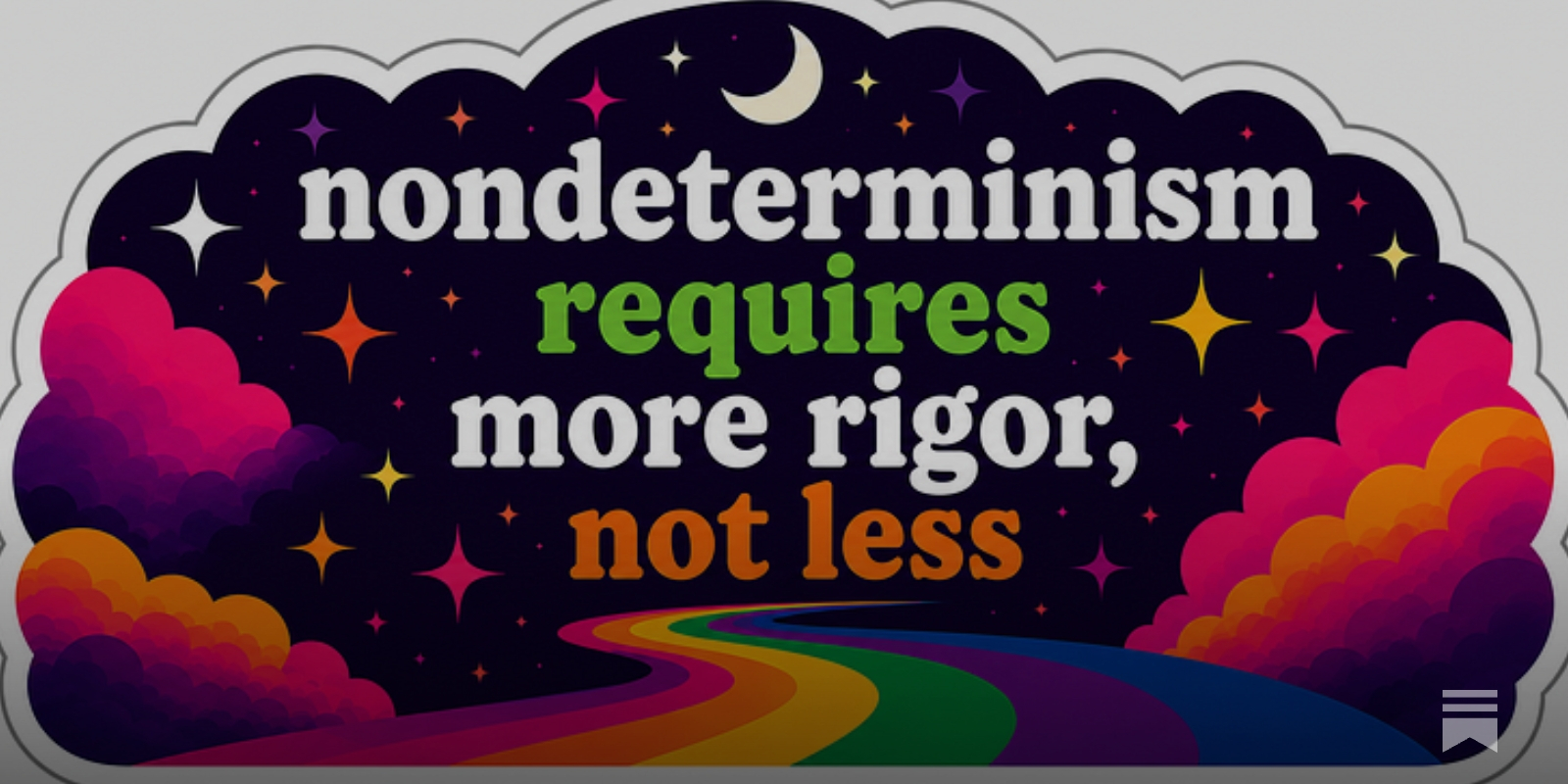
AI demands more engineering discipline. Not less
If you lived through the shift from handcrafted server pets to immutable infrastructure, you should sense something oddly familiar about what's happening now.
Is AI ruining our skills? Early results are in — and they’re not good
Reliance on artificial-intelligence tools degrades the abilities of physicians and software engineers, studies show.

Living in the inflection point
I'm scared, I'm excited, and I'm exhausted by the pace of change. All of those things can be true at the same time. This blog post is a (hopefully) grounded take on living through AI's inflection point, why the backlash is valid, and why human connection matters more now than ever.