


It's pretty funny how everyone has seemingly forgotten why W Social went closed source: initially they were open source, and various people from the community looked through their fork of the bluesky codebases, and went "lol wat no".
W Social, Public Institutions and the Theater of European Digital Sovereignty
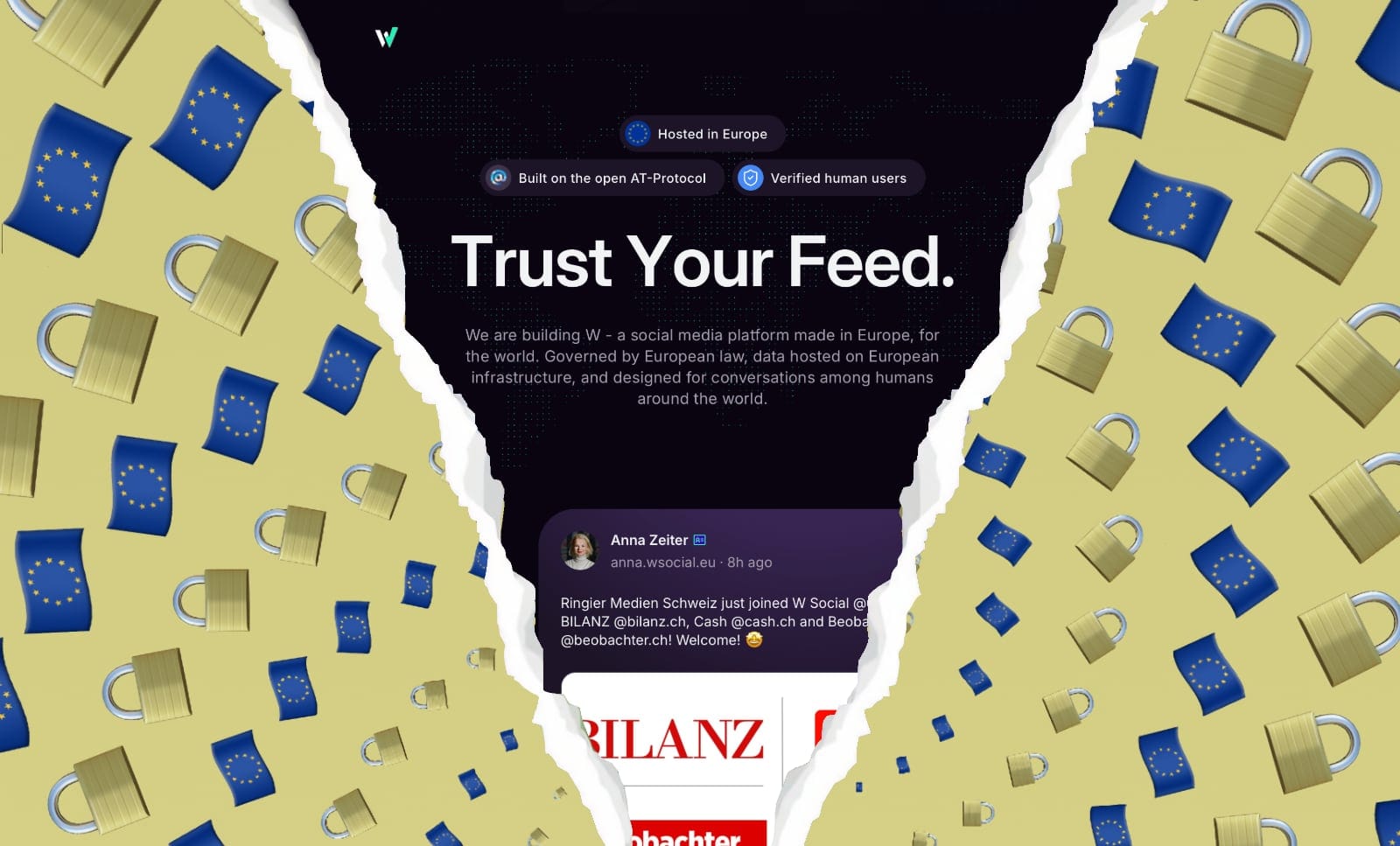
European public institutions are betting big on digital sovereignty and open source software. And yet they recently moved their Bluesky accounts to W Social, a private, for profit network owned by Swedish entrepreneurs that has quietly gone closed-source.
Emelia (@thisismissem.social)
Their code was messy to say the least & did things that simply made no sense to do if you want to preserve interoperability. It looked more vibe coded than written by a competent developer. A few of us tried to nudge them in the right direction, and then they went closed source.
Reclaiming Social Spaces: Are Open Source Platforms a Path for More Human Connection?
What if social media platforms were built to serve their communities, not billionaires? Join us with the founders of Blacksky as we explore the potential of open source social media.
Robin Berjon (@robin.berjon.com)
Again, we can try to be generous. But this fits a pattern. When people found issues in their open source code, instead of fixing them they went closed source. When they had an XSS vulnerability right at launch it took over a day for them to acknowledge and close it.

How open-source software took over the world | TechCrunch
It was just five years ago that there was an ample dose of skepticism from investors about the viability of open source as a business model. Fast-forward to today and we’ve witnessed the growing excitement in the space.
Coraline Ada Ehmke: The Rising Ethical Storm in Open Source
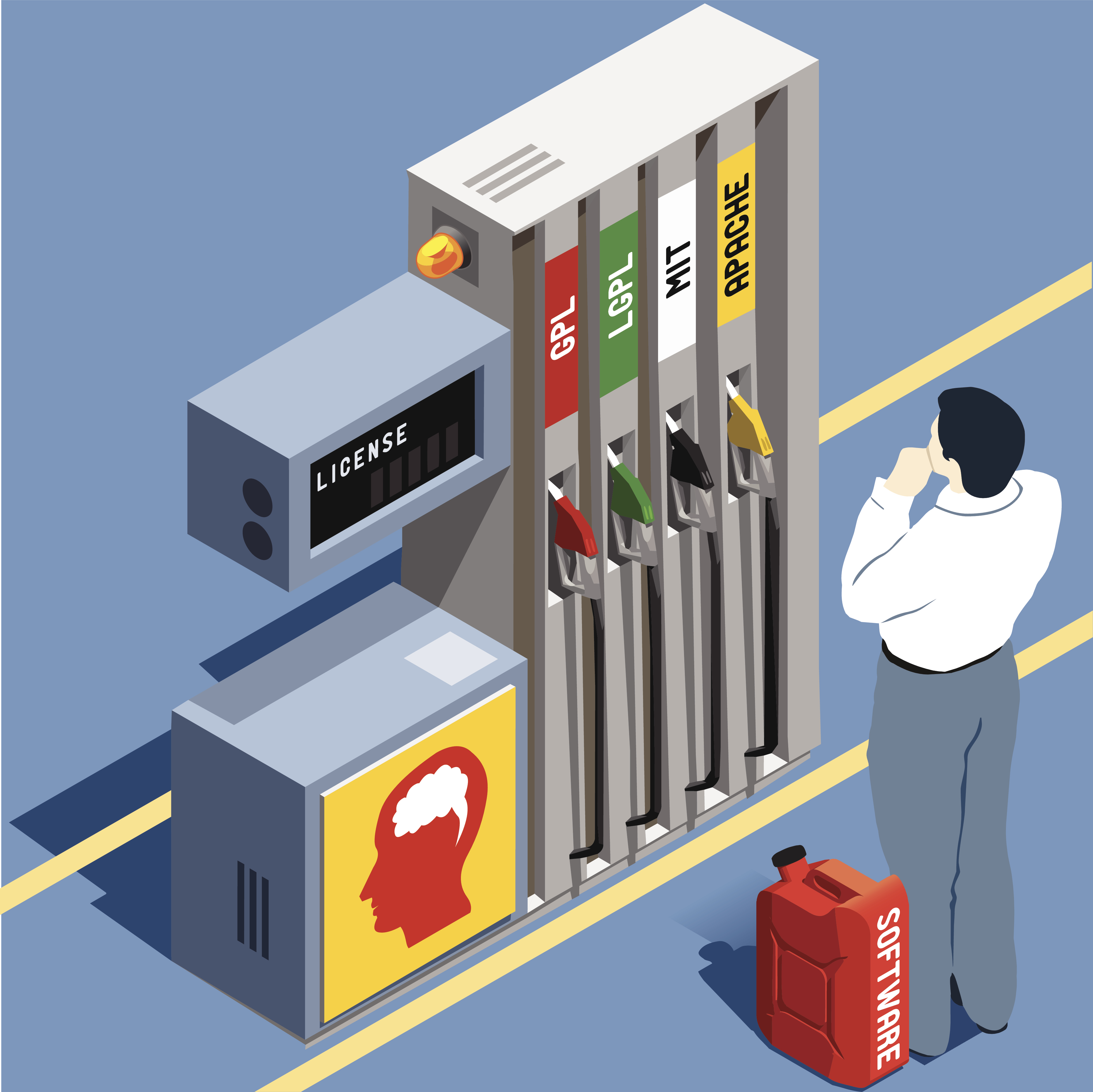
In the twenty years since the term “open source” was coined by Christine Peterson, our community has grown astronomically, all the while learning from its successes and failures. A lot has changed for open source developers in the past two decades. But the political and technological landscape has also changed.
Why open source is growing - and dying - at the same time
To be honest, if the greek king Sisyphus would be a developer writing open source code in 2016, he would feel at home. Sisyphus's famous punishment,

Elena Rossini 🌈 (@_elena@mastodon.social)
#WSocial will open up their beta program today… and I have a SCOOP for you: it appears that they have quietly gone closed-source! This is ironic, considering that the @EUCommission@ec.social-network.europa.eu just unveiled their Tech Sovereignty Package, emphasizing the importance of #OpenSource. And yet they have migrated their main ATproto accounts to W Social - whose code can no longer be inspected! My full article - with a great analysis by @aral@mastodon.ar.al: 🔗: https://blog.elenarossini.com/w-social-public-institutions-and-the-theater-of-european-digital-sovereignty/ #FOSS #DigitalSovereignty #BigTech
I hate the term “open source”
It doesn’t accurately reflect how people are building today anymore.

🔭🖤🚀 Social media’s next evolution: decentralized, open-source, and scalable
How Blacksky grew to millions of users without spending a dollar
On Silos vs an Open Social Web [#indieweb] - Tantek
This is a fair criticism of a lot of open social web work, though the seemingly obvious response was ironically worse. When open social web geeks attempted to prematurely design their technologies/solutions to attempt to work "for everyone" or for your (insert less tech-savvy family-member stereotype here), they ended up creating solutions that no one wanted for themselves, not even the geeks on their own websites. WebFinger is a prime example here.
Twitter’s decentralized, open-source offshoot just released its first code
But don’t build a social network on it just yet.

I can see a whole lot of people agreeing with this. Kinda the same with open source in general, but few open source projects are social protocols seeking widespread adoption. It's a particular flavor of narrative disconnection from reality we have to bridge out of to get out of our own way.

⠁⠀⠀⠀⠠
Every @proto developer sounds like this to me:
In this BBC interview, Anna Zeiter hijacks the European open-source debate to promote W Social, which is increasingly closed-source and relies on proprietary software to verify its users. By platforming W Social and ignoring Eurosky, the #BBC skipped its homework and missed a major point.

BBC Audio | Business Daily | Why Europe wants to rely less on US tech companies
www.bbc.com
