Their code was messy to say the least & did things that simply made no sense to do if you want to preserve interoperability. It looked more vibe coded than written by a competent developer. A few of us tried to nudge them in the right direction, and then they went closed source.
Emelia (@thisismissem.social)
It's pretty funny how everyone has seemingly forgotten why W Social went closed source: initially they were open source, and various people from the community looked through their fork of the bluesky codebases, and went "lol wat no".
Robin Berjon (@robin.berjon.com)
Again, we can try to be generous. But this fits a pattern. When people found issues in their open source code, instead of fixing them they went closed source. When they had an XSS vulnerability right at launch it took over a day for them to acknowledge and close it.

I Switched From Claude Code to OpenCode — Here's Why
I tested OpenCode against Claude Code for real development work. Here's what surprised me about the open-source alternative — and what I don't miss.
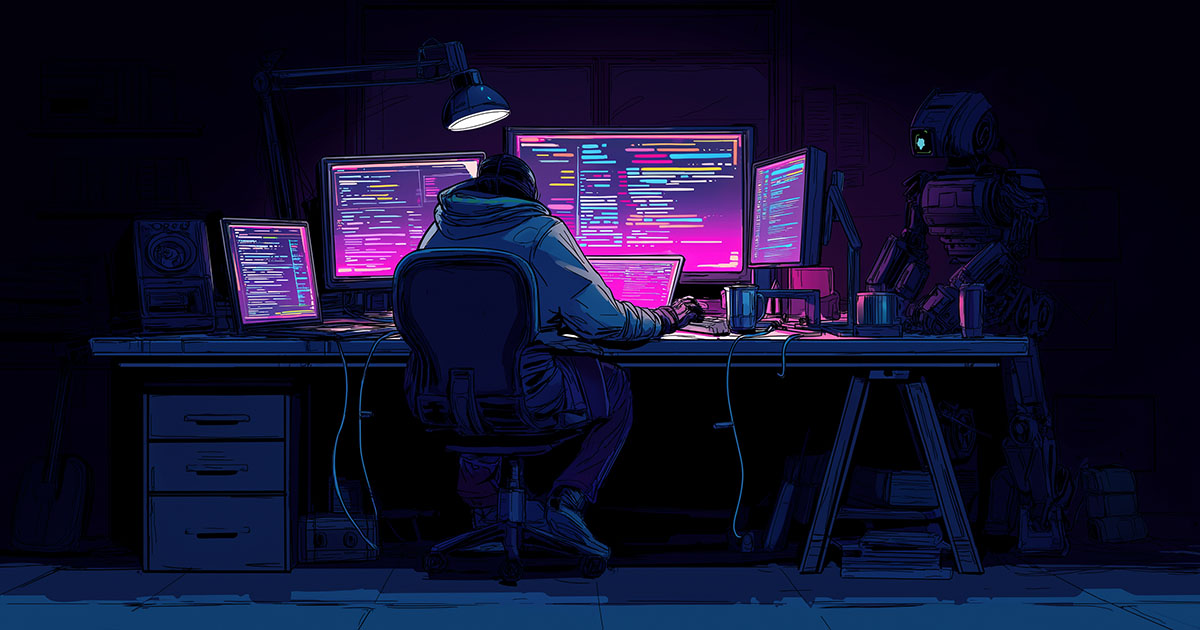
Why craft-lovers are losing their craft
Les Orchard made a quiet observation recently that I haven't been able to shake. Before LLM coding assistants arrived, the split between developers was…
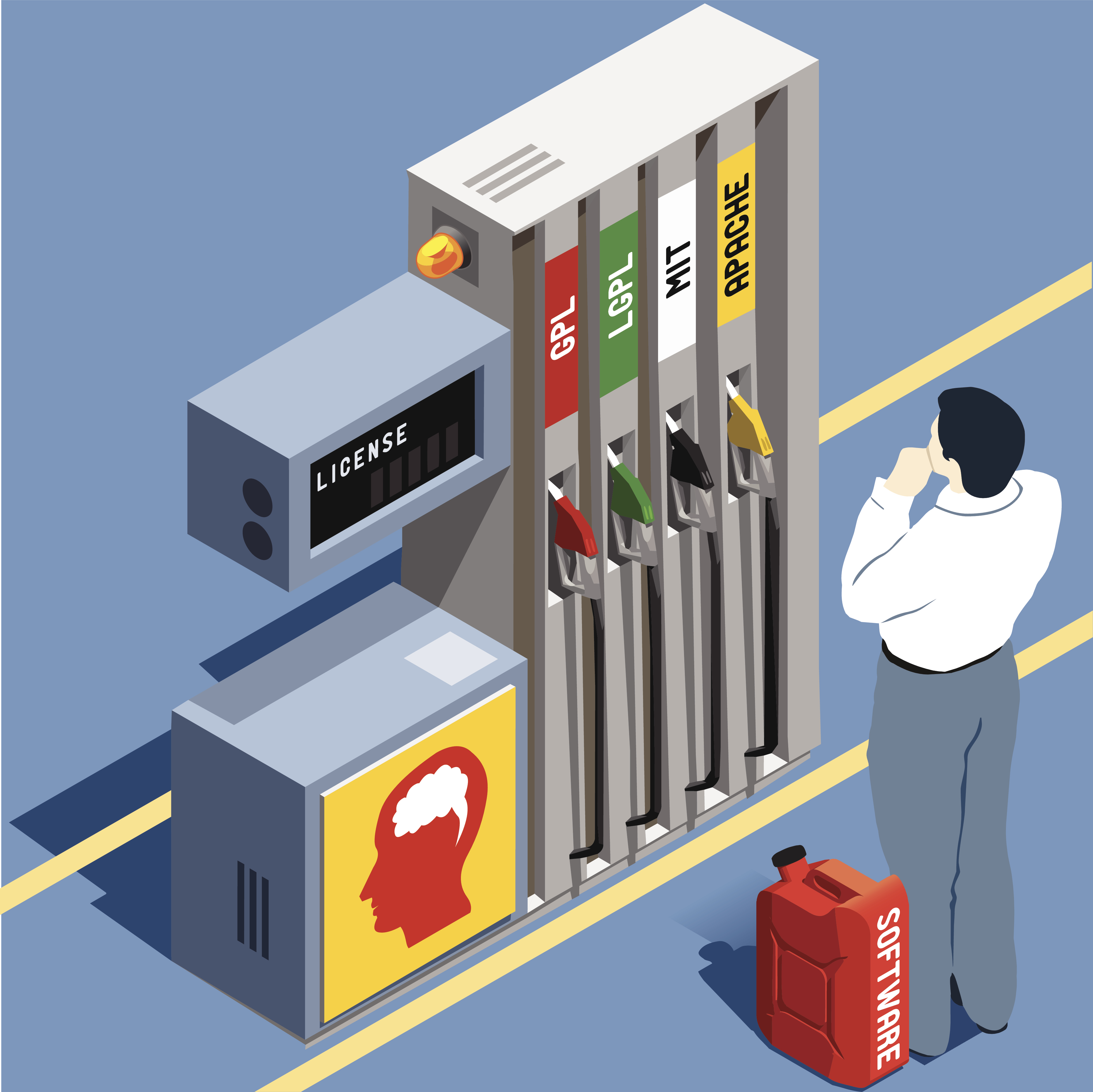
How open-source software took over the world | TechCrunch
It was just five years ago that there was an ample dose of skepticism from investors about the viability of open source as a business model. Fast-forward to today and we’ve witnessed the growing excitement in the space.
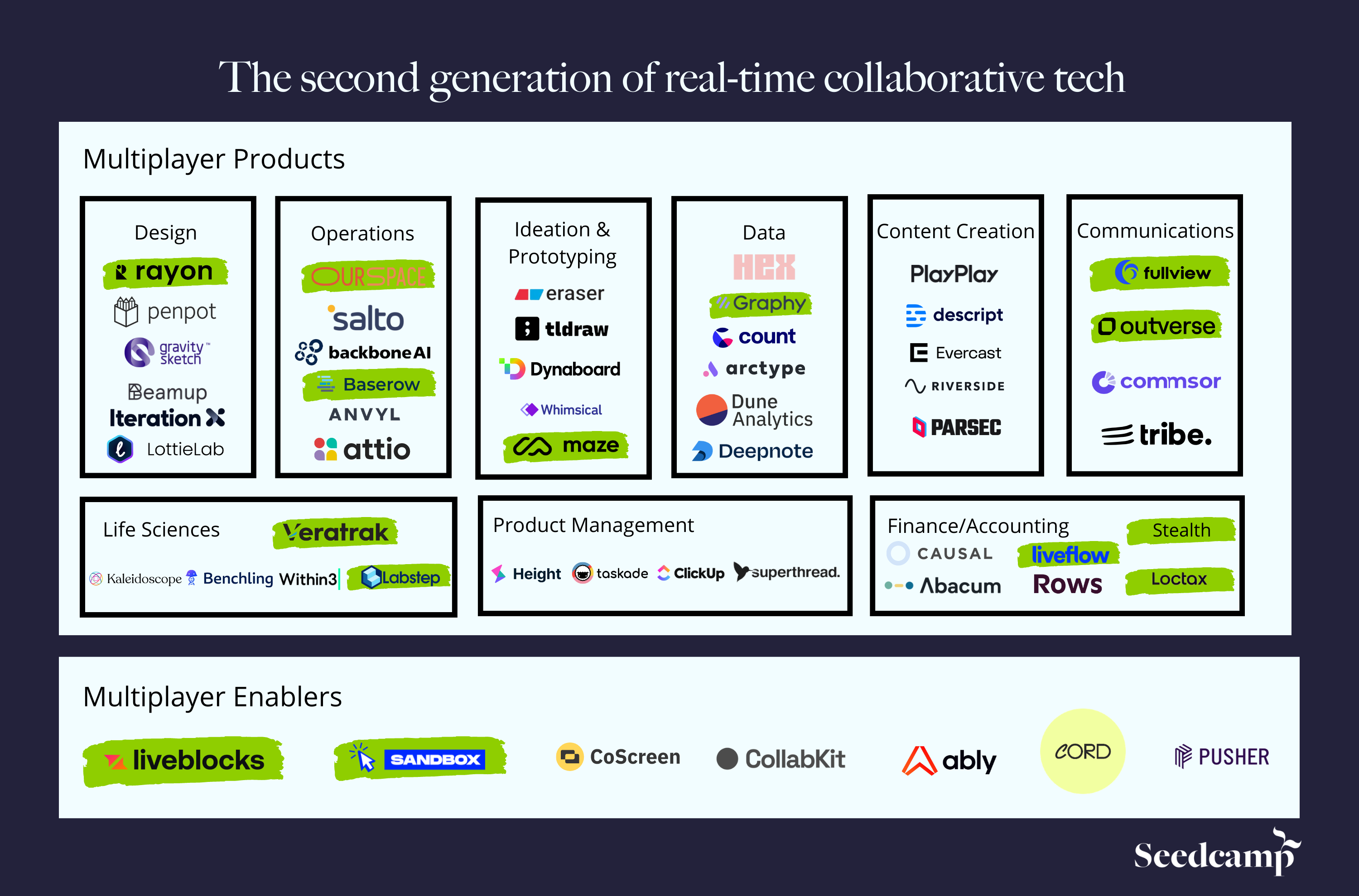
The Rise of Real-Time Collaborative Tech - Seedcamp
In 2007, Chris Wanstrath and PJ Hyett were sitting in a small SF apartment, building websites for CNET on Ruby on Rails. The more they used Rails, the more suggestions they had for improving the open-source project. But as was the industry norm back then, the open-source initiative was managed by a group of trusted coders who had explicit permission to commit changes. Anyone wanting to contribute to the central code had to go through them. Over time, Chris and PJ felt that they were spending more time lobbying for the change than actually identifying and coding the change. Fed up with the process, they decided to build their own repository: Logical Awesome LLC.
A Microcosm of the interactions in Open Source projects | RobMensching.com
Originally a thread on Twitter about the xz/liblzma vulnerability, when I finished typing it, I realized I had a real world slice of Open Source interaction that deserved more attention.
Code Is Cheap Now. Software Isn’t.
The barrier to entry for building software has collapsed. The barrier to building something that matters hasn’t moved an inch.
Coraline Ada Ehmke: The Rising Ethical Storm in Open Source
In the twenty years since the term “open source” was coined by Christine Peterson, our community has grown astronomically, all the while learning from its successes and failures. A lot has changed for open source developers in the past two decades. But the political and technological landscape has also changed.


Code Is Cheap Now, And That Changes Everything | Pere Villega
AI coding agents have made code production nearly free. Drawing on insights from Kent Beck, Paul Ford, and Simon Willison, this post argues that the value has shifted from writing code to defining systems — contracts, invariants, SLAs, and verification.