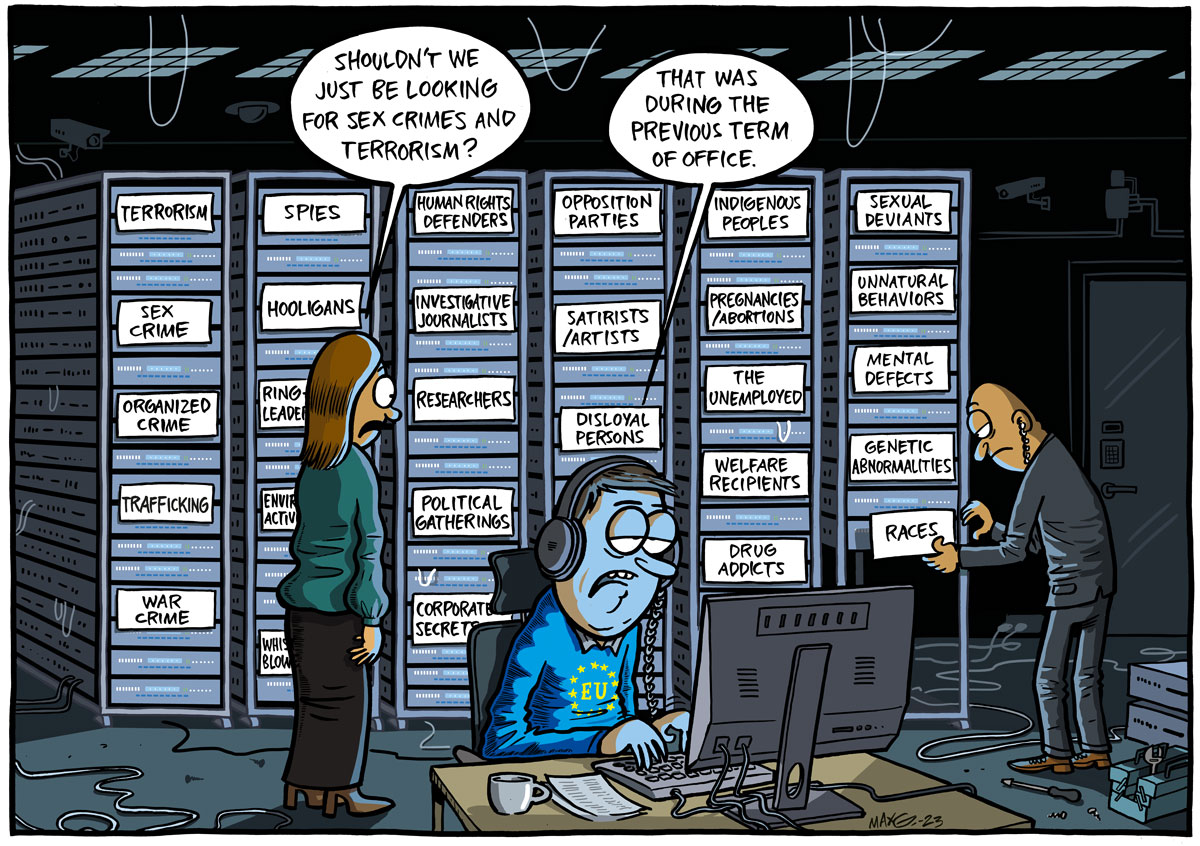
After Snowden’s whistleblowing in 2013, large parts of the internet became encrypted, enabling private and secure communication. Not everyone has welcomed this change. Most notably, the FBI and other U.S. government agencies have fought what is often called the “crypto wars”, the war on encryption. In recent years, they have been joined by the European Commission. Under the slogan “what about the children,” they try to introduce total mass surveillance of all EU citizens — first through the proposed Chat Control legislation, and later via the Going Dark and ProtectEU initiatives. The goal is to legally mandate spy tools on every European smartphone and computer. The forces behind these efforts have turned out to be American tech companies and intelligence agencies.
What happened to the fight for the Internet? -- Dustycloud Brainstorms
At the moment I am writing this, bad internet bills are being proposed across the US, Canada, Europe, and the UK. They're using the usual tactics: they claim they're fighting for kids or fighting security risks, but in general, that's what surveillance and censorship bills have always claimed.
An Attack on Tech Freedom, an Assault on Dissent
We live in a world of surveillance states, militarized police, and crackdowns on dissent. Meanwhile, corporate behemoths will often ally with the state to shut down dissident speech or aid and abet surveillance. In this context, it’s important for independent groups to develop and maintain encrypted communications platforms and independent web hosting. But the Trump...

We Shouldn’t Wait Another Fifteen Years for a Conversation About
With high-profile hacks in the headlines and government officials trying to reopen a long-settled debate about encryption, information security has become a mainstream issue. But we feel that one

Privacy under attack: the NSA files revealed new threats to democracy
We now know the apparatus of repression has been attached to the democratic state, but our struggle for privacy is far from hopeless. By Eben Moglen
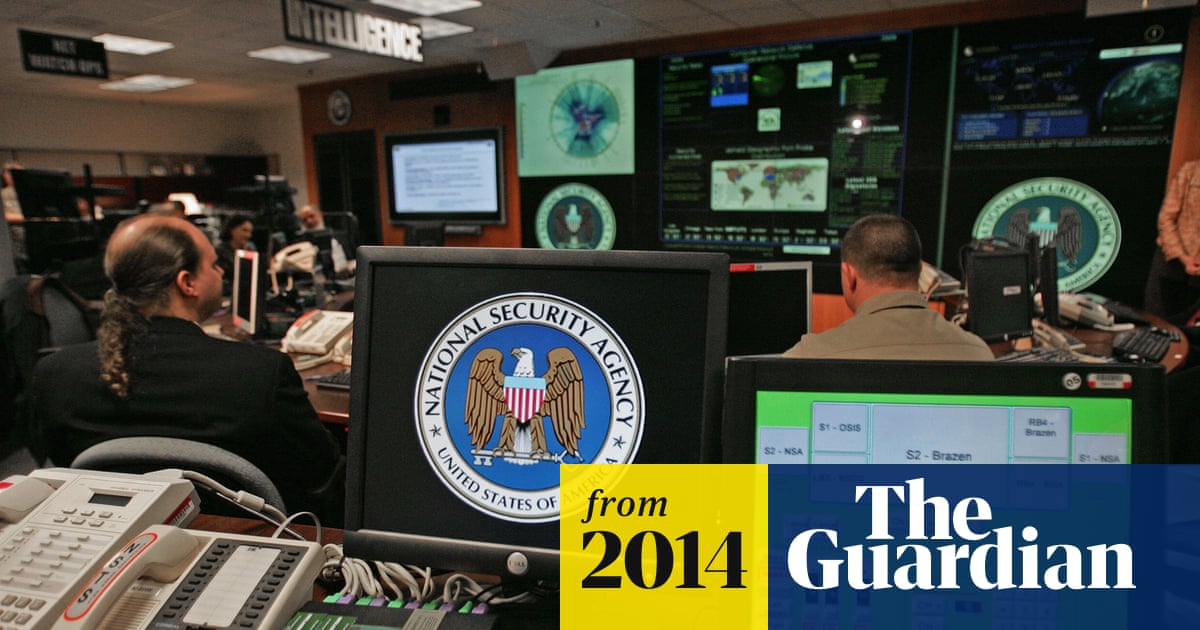
THE DEGRADATION OF HUMAN RIGHTS AND FREE PRESS THROUGH THE PEGASUS SOFTWARE IN THE ERA OF SURVEILLANCE, AS A THREAT TO INTERNATIONAL SECURITY. A DEBATE OF CIVIL LIBERTIES AND CENSORSHIP
The evolution of cyber spying technology presents new and rising dangers; coupled with the easy justification for use of the on-going terrorist crisis these dangers have now become major threats to the international security system. This article aims to provide analysis of these threats, using the new software Pegasus as a focal point of discussion. Developed by the Israeli ‘cyber-warfare’ company ‘NSO’, this spyware signals a danger not only to security but freedom of the press and journalistic integrity. This paper’s focus will centre on how this software is used for censorship rather than to combat terrorism and will examine the social and political ramifications of said use. As highlight, the case of UAE activist Ahmed Mansoor and his contemporaries who were writing against authoritarian governments will be discussed. This article will urge that strict global legislation is needed to stop the abuse of spyware as a tool of censorship.
Exit Chat Control · Become Ungovernable
A practical field guide to escape Chat Control and reclaim your digital privacy: encrypted messaging, email, VPN, DNS, passwords, Linux, GrapheneOS, self-hosting. Free, open source, no tracking.

AI Wants Your Life: Tech Boss Meredith Whittaker Says No | The Mishal Husain Show
Europe’s spies are learning to trust each other — thanks to Trump
Doubts over transatlantic intelligence-sharing is bringing European intelligence agencies closer together.

The architecture of the internet creates risks for democracy
Will democracy survive the internet? Do we need to choose between Facebook’s surveillance capitalism or democracy? Layered lines of evidence can inform questions like these. When considered together, the evidence gives rise to a concerning picture, as summarized in a recent report for the European Commission that I co-led.

The Trump Administration Group Chat, Signal: The Coke of Secure Messaging, Transparency Versus Security
The Trump administration’s Signal gaffe raises fascinating questions about secure messaging and the trade-off inherent in transparency.

The Online Tools That Fueled ‘No Kings’ and the Trump Resistance
Social media platforms, collaborative online tools, and encrypted messaging are all helping to power a massive, decentralized resistance to the Trump administration.

EU Parliament greenlights Chat Control 1.0 – Breyer: "Our children lose out"
Today, the European Parliament allowed the suspicionless mass scanning of private communications ("Chat Control 1.0") to pass, a measure it had rejected twice in March. Although a majority of voting Members of the European Parliament (MEPs) actually opposed the regulation (314 against, 276 in favor,

Safety Without Compromising on Privacy
Our approach to safeguards in Tinfoil Chat that keeps your conversations private: model evaluations before hosting, plus safeguard models that run exclusively inside secure enclaves.

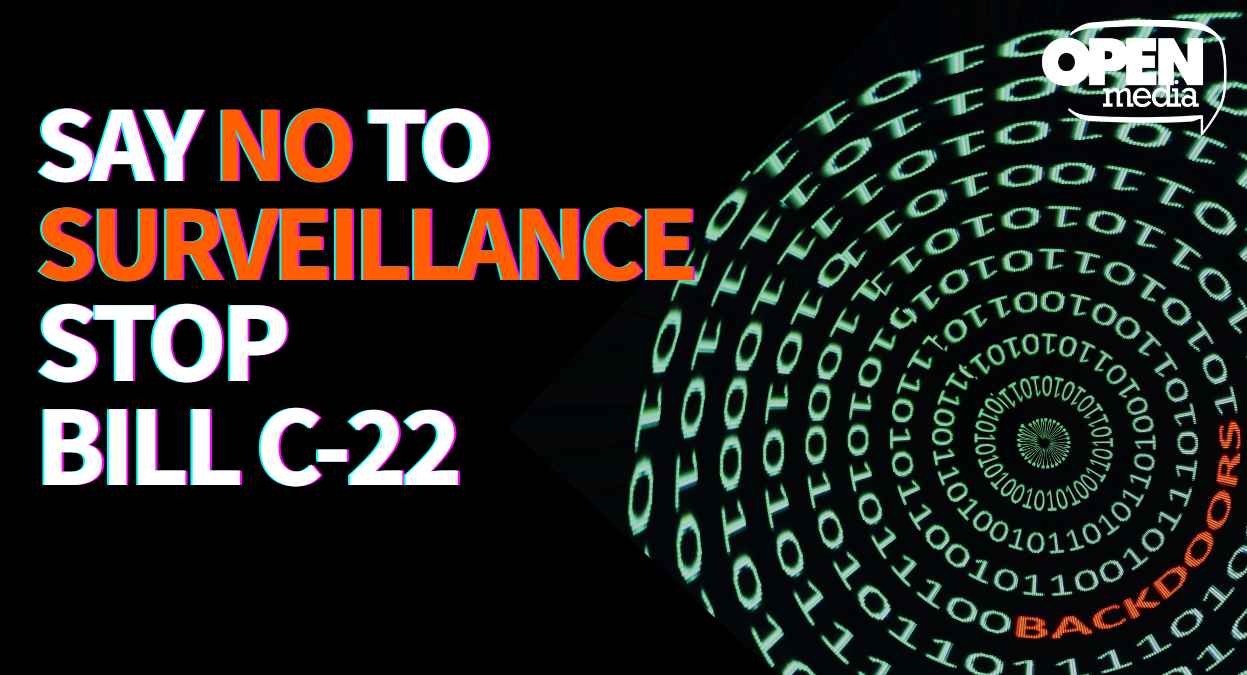
Stop Bill C-22!
🚨 Bill C-22 forces every Canadian internet provider, messaging app & cloud service to build surveillance backdoors and store a year of your data. Foreign state hackers exploited similar legislation in the US. Shut the backdoor: https://openmedia.org/StopC22 #BillC22
The Server Called Paranoia: Defend Autistici/Inventati
For twenty-five years, an Italian hacker collective has built communications infrastructure designed to survive censorship, surveillance and police raids. On August 26, the United States designated it a terrorist organization. On September 25, the wind-down period ends.

"Pushed into the Shadows": Evidencing Digital Surveillance Chilling Effects and the Erosion of the Rights to Freedom of Assembly and of Association
SummaryThe United Nations Special Rapporteur on the Rights to Freedom of peaceful assembly and of association, Gina Romero, presents "Pushed into the Shadows: Evidencing digital surveillance chilling effects and the erosion of the rights to freedom of assembly and of association". This Global Study documents the profound impact that pervasive digital monitoring exerts on fundamental public freedoms. Moving beyond traditional privacy-centric narratives, the Study details how contemporary surveillance ecosystems induce serious chilling effects.