


Scientists agree that we are on the precipice of a global climate crisis. How will it transform colleges and universities?Winner of the Frederic W. Ness Book Award by the Association of American Colleges and UniversitiesIn 2019, intense fires in the San Francisco Bay Area closed universities and drove afflicted people to shelter at other campuses. At the same time, extraordinary fires ravaged eastern Australia. Several universities responded by promising material and research support to damaged businesses while also hosting refugees and emergency response teams in student residence halls. This was an echo of the devastation wreaked by Hurricane Katrina on Tulane University in 2005.In Universities on Fire, futurist Bryan Alexander explores higher education during an age of unfolding climate crisis. Powered by real-world examples and the latest research, Alexander assesses practical responses and strategies by surveying contemporary programs and academic climate research from around the world. He establishes a model of how academic institutions may respond and offers practical pathways forward for higher education. How will the two main purposes of education—teaching and research—change as the world heats up? Alexander positions colleges and universities in the broader social world, from town-gown relationships to connections between how campuses and civilization as a whole respond to this epochal threat.Current studies of climate change trace the likely implications across a range of domains, from agriculture to policy, urban design, technology, culture, and human psychology. However, few books have predicted or studied the effects of the climate crisis on colleges and universities. By connecting climate research to a deep, futures-informed analysis of academia, Universities on Fire explores how climate change will fundamentally reshape higher education.
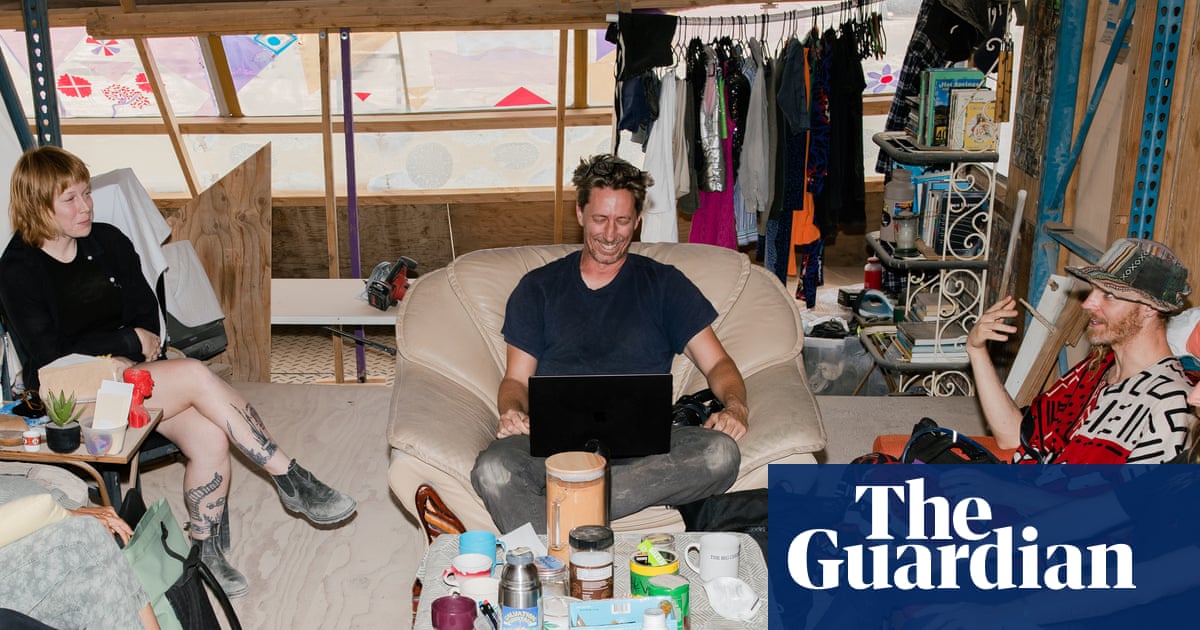
No tuition, no grades, no power grid: why are people flocking to a ‘college’ in the middle of the desert?
Two hundred miles from LA, an off-grid community with roots in Burning Man offers an unorthodox educational experience – is Mars College the future?
Some Ontario students can’t escape extreme heat | The Narwhal
As the school year begins, some students in Peel Region are feeling the impacts of climate change in the classroom

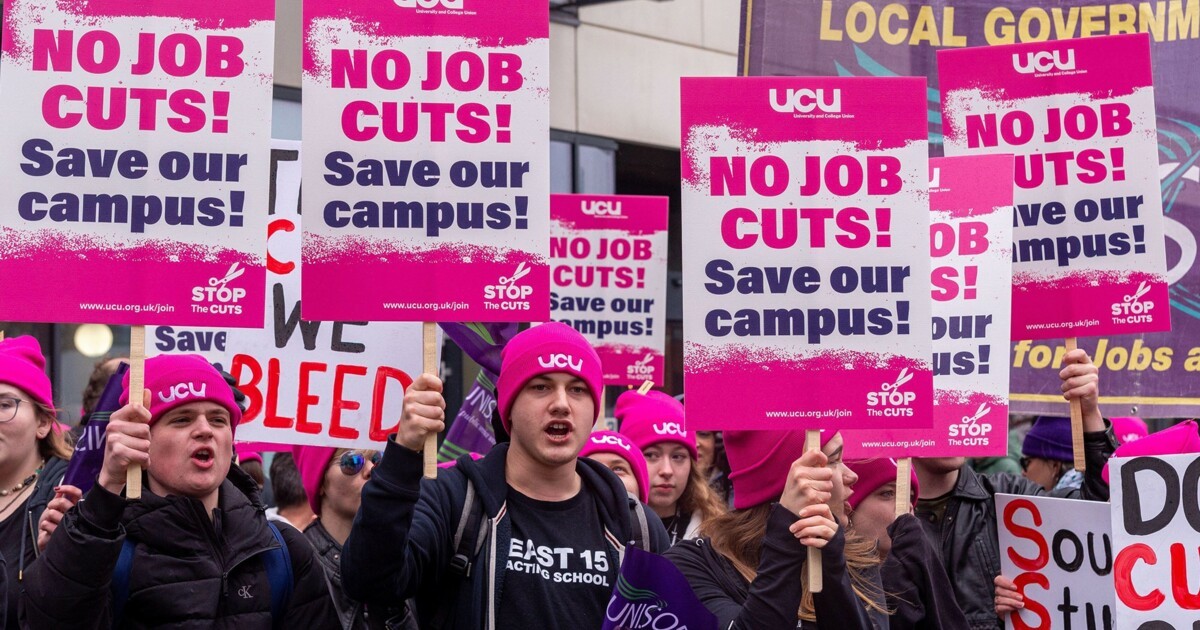
Stefan Collini · Squadrons of Pigs: Bonfire of the Universities
The problems with Britain’s universities are systemic and deep-rooted, not just local or contingent. Yet political and...
Education in a Time Between Worlds: Essays on the Futur…
Our world is currently undergoing major transformations…

Alternative Universities: Speculative Design for Innovation in Higher Education
Imagining the universities of the future.How can we re-envision the university? Too many examples of what passes for educational innovation today—MOOCs especially—focus on transactions, on questions of delivery. In Alternative Universities, David J. Staley argues that modern universities suffer from a poverty of imagination about how to reinvent themselves. Anyone seeking innovation in higher education today should concentrate instead, he says, on the kind of transformational experience universities enact. In this exercise in speculative design, Staley proposes ten models of innovation in higher education that expand our ideas of the structure and scope of the university, suggesting possibilities for what its future might look like. What if the university were designed around a curriculum of seven broad cognitive skills or as a series of global gap year experiences? What if, as a condition of matriculation, students had to major in three disparate subjects? What if the university placed the pursuit of play well above the acquisition and production of knowledge? By asking bold "What if?" questions, Staley assumes that the university is always in a state of becoming and that there is not one "idea of the university" to which all institutions must aspire. This book specifically addresses those engaged in university strategy—university presidents, faculty, policy experts, legislators, foundations, and entrepreneurs—those involved in what Simon Marginson calls "university making." Pairing a critique tempered to our current moment with an explanation of how change and disruption might contribute to a new "golden age" for higher education, Alternative Universities is an audacious and essential read.

Climate Change: Global Crisis To Local Action By Kevin Anderson
Sustainability
The sustainable University – structures, individuals and questions around institutional transformation
Large Language Muddle | The Editors
The AI upheaval is unique in its ability to metabolize any number of dread-inducing transformations. The university is becoming more corporate, more politically oppressive, and all but hostile to the humanities? Yes — and every student gets their own personal chatbot. The second coming of the Trump Administration has exposed the civic sclerosis of the US body politic? Time to turn the Social Security Administration over to Grok. Climate apocalypse now feels less like a distant terror than a fact of life? In three years, roughly a tenth of US energy demand will come from data centers alone.

The key to loving your job in the age of burnout
In 2009, two US professors set out to study zookeepers and aquarium workers in an effort to discover what kept them motivated at work.

Open science meets orange skies: K-12 educators’ engagement with computational notebooks to explore scientific events with human impacts
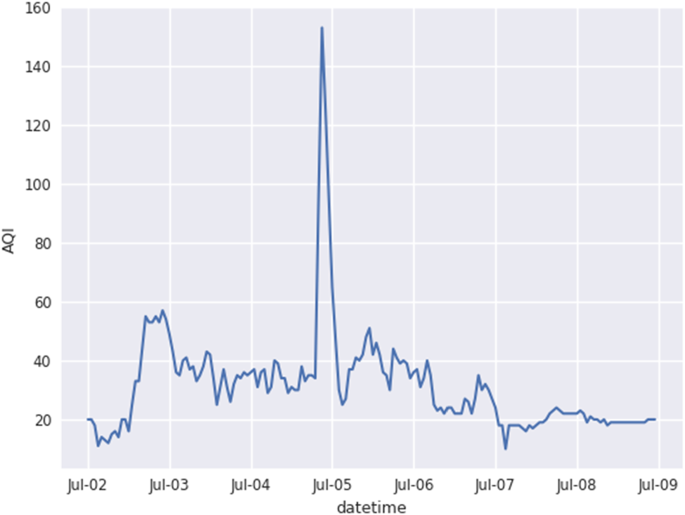
Computational notebooks are becoming a popular method to introduce mathematics, data, and scientific computing concepts to secondary students. Advocates argue computational notebooks encourage transparency and reproducibility in student work and can enable more personalized investigations of publicly available civic and scientific datasets. However, little is known about how teachers navigate these complex artifacts, let alone how they might support their students in doing so. In this paper, we investigate six pre-service and two in-service K-12 teachers’ sensemaking during a structured clinical think-aloud interview as they engaged with a computational notebook that examines disruptions in local air quality. The notebook presented a common event (annual fireworks) and an extreme event that impacted human health, during which the skies above the greater metropolitan San Francisco Bay region in California, USA turned orange due to wildfire pollution (“Orange Skies Day”, Sept 9, 2020). We examine the ideas that participants engaged as they interacted with the notebooks, and identify three ways in which they interacted with code in the notebook: to make sense of the scientific phenomenon (all participants), to make sense of the available data (6 out of 8 participants), and/or integrate these two dimensions (4 out of 8 participants). We present examples of each of these three forms of sensemaking, highlight their similarities and distinguishing features, and discuss implications for teacher education.
University science in the US needs a coherent plan
The Trump administration continues to degrade America’s scientific establishment, causing widespread harm to the country’s broader interests and well-being. Last week, the Association of American Universities reported that graduate student enrollment in major research universities, which award half of all doctorate degrees in the United States, is down 15% compared to a year ago. And no wonder, considering the effect of recent immigration policies that deter international students and the financial uncertainties that universities are facing given the unpredictable nature of federal funding. The ability to support new doctoral students depends heavily on research grants, and any responsible administrator would be cautious about making commitments to students they can’t keep. This is discouraging to the scientific community but should be alarming to everyone.

Home - ClimateAction.Tech
The climate crisis is happening all around us. As tech workers, we can use our skills to take and accelerate climate action.
Deep Response: An Emergency Education in Post-Consumer Praxis
You see the climate destabilization, biodiversity loss, resource scarcity, toxic bioaccumulation, and climate injustice happening all around us. You aren't the type to bury your head in the sand or shrug it off and so you roll up your sleeves. But where to start? How to ensure your work doesn't...

About the Atmosphere
I’m writing this from the beautiful UBC campus in Vancouver where ATmosphereConf 2026 is taking place. It’s a gathering of developers, researchers, and entrepreneurs who are passionate about keepin…

Groundings from @rude1.blacksky.team in #AtmosphereConf - on the importance of leaving the campus and going to where the people are - real knowledge is sitting down together to reason preach brother!
Disaster preparedness in the US

Starting with some articles I saved during/after the January 2025 wildfires in Southern California
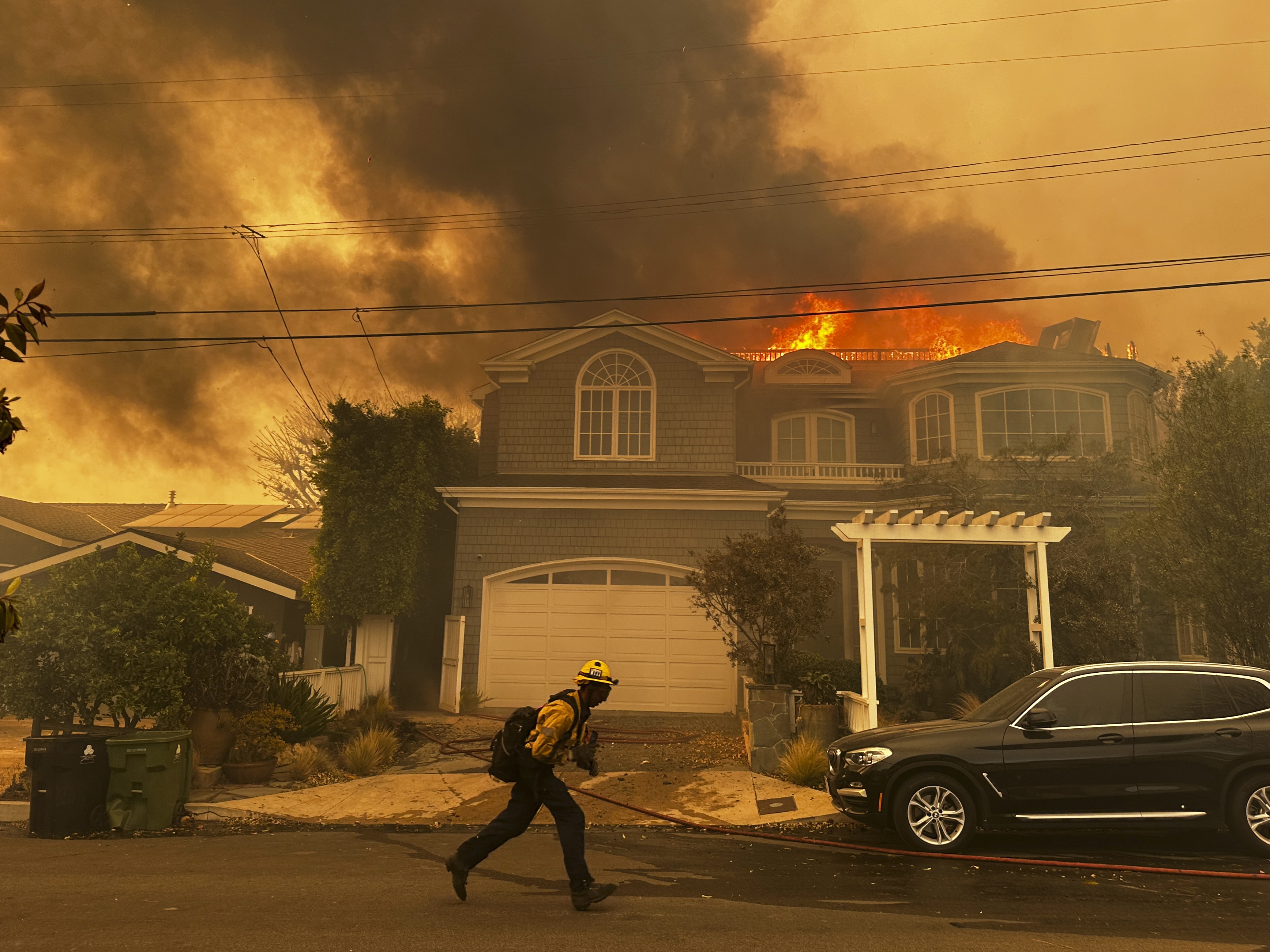
Cheat Sheet: These are the steps fire victims need to take to make an insurance claim
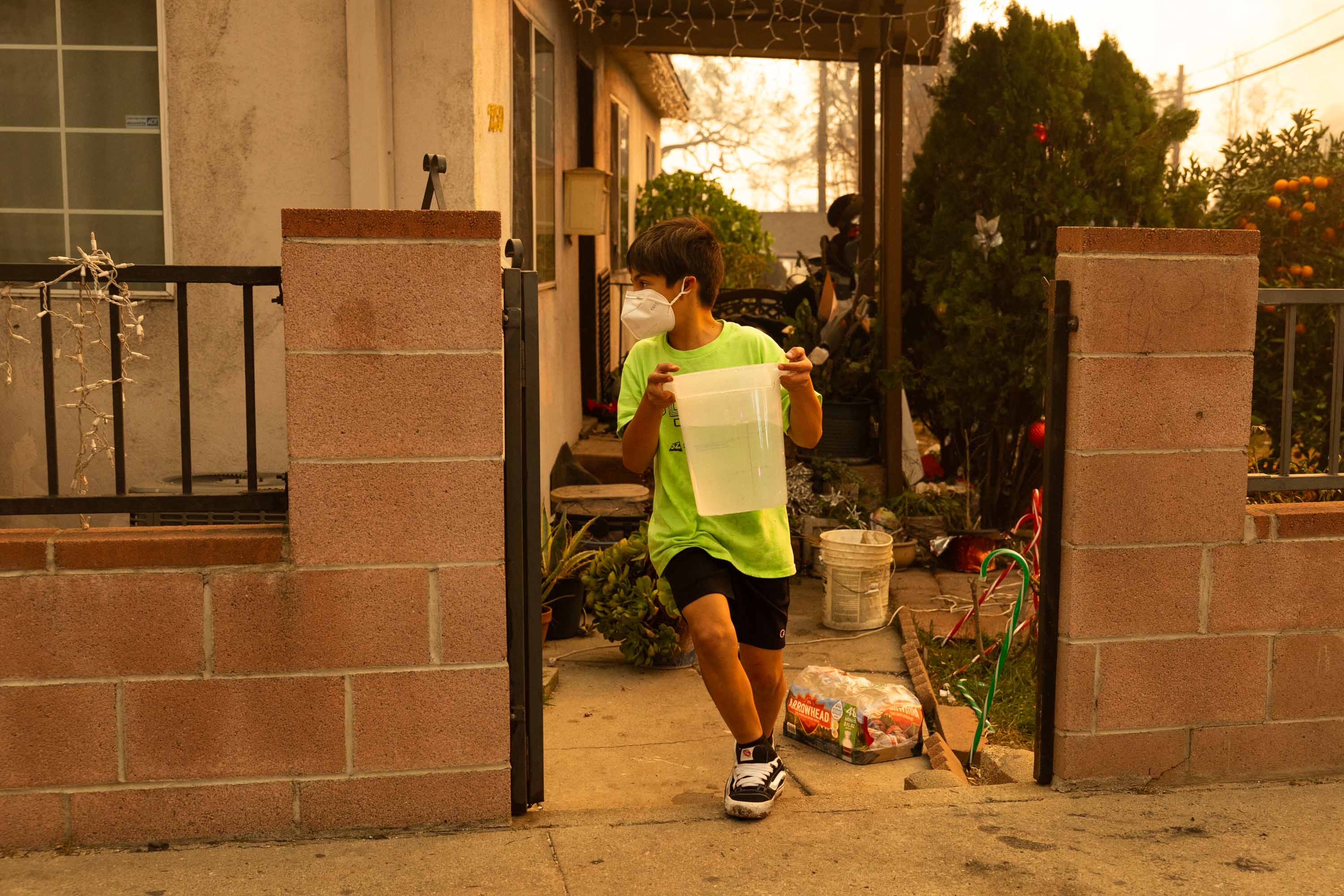
What to do — and not do — when you get home after a fire evacuation
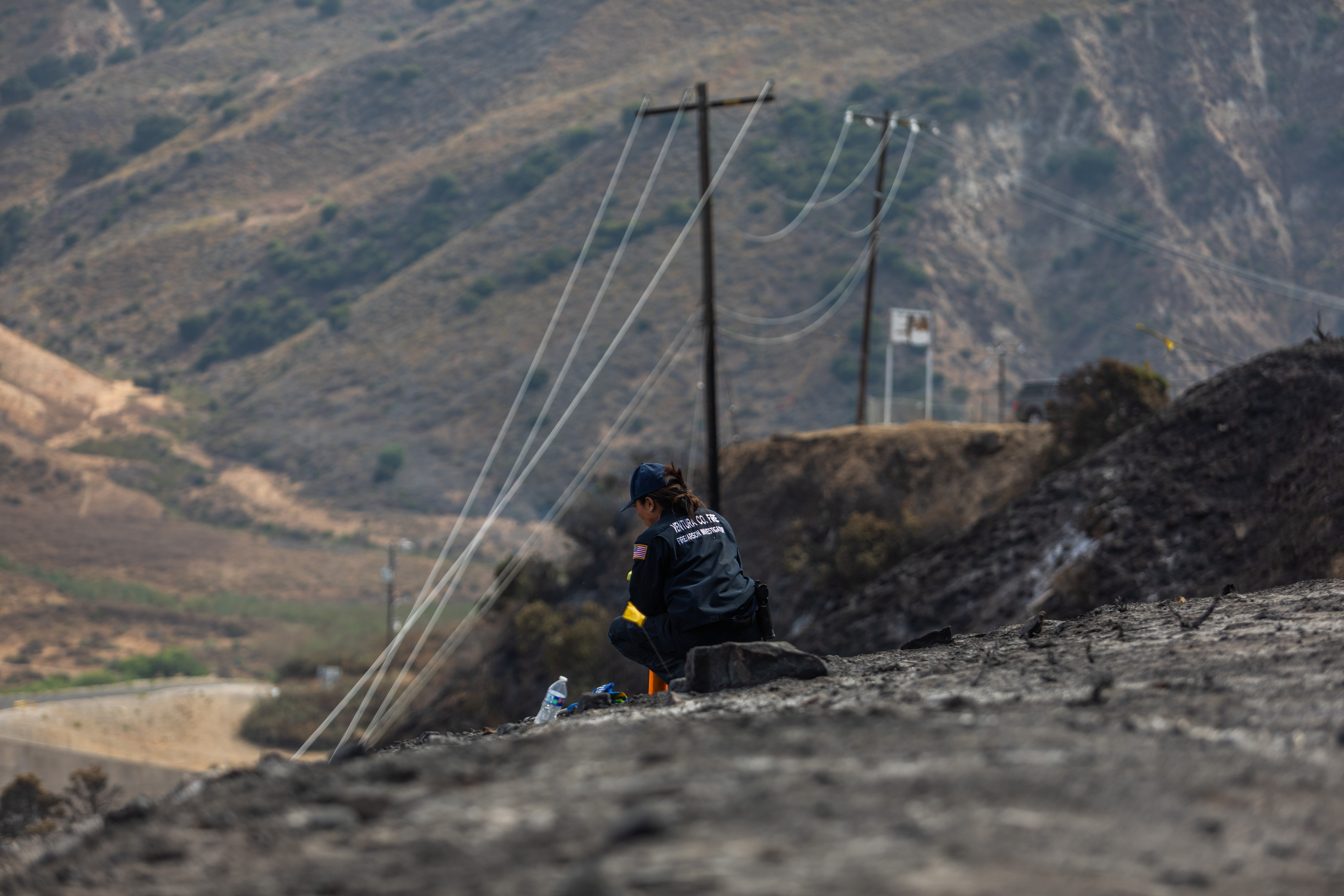
High winds and fires mean power outages. Here's how to prep
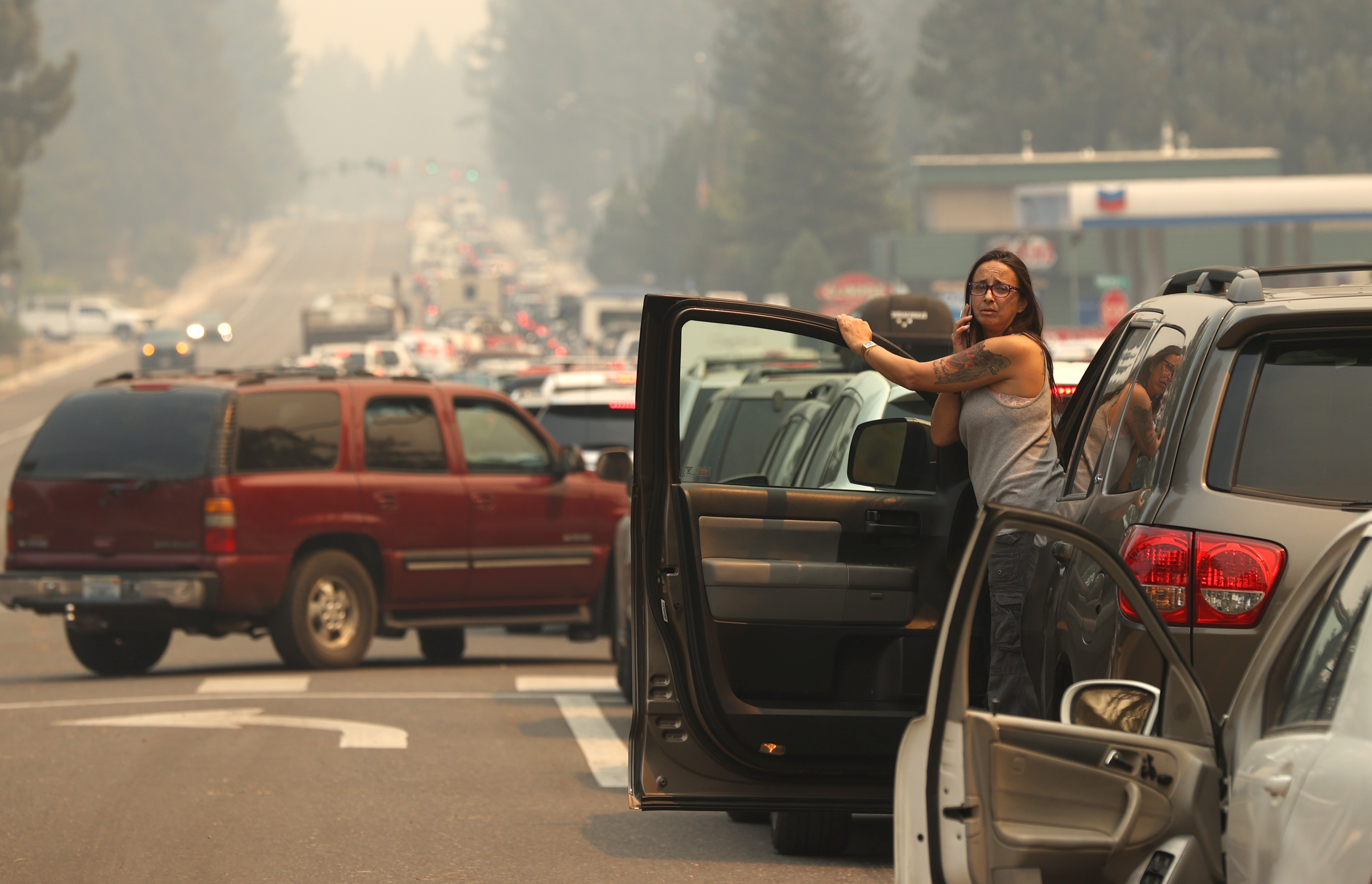
Evacuation terms can be confusing. Here’s what they mean and how to sign up for alerts
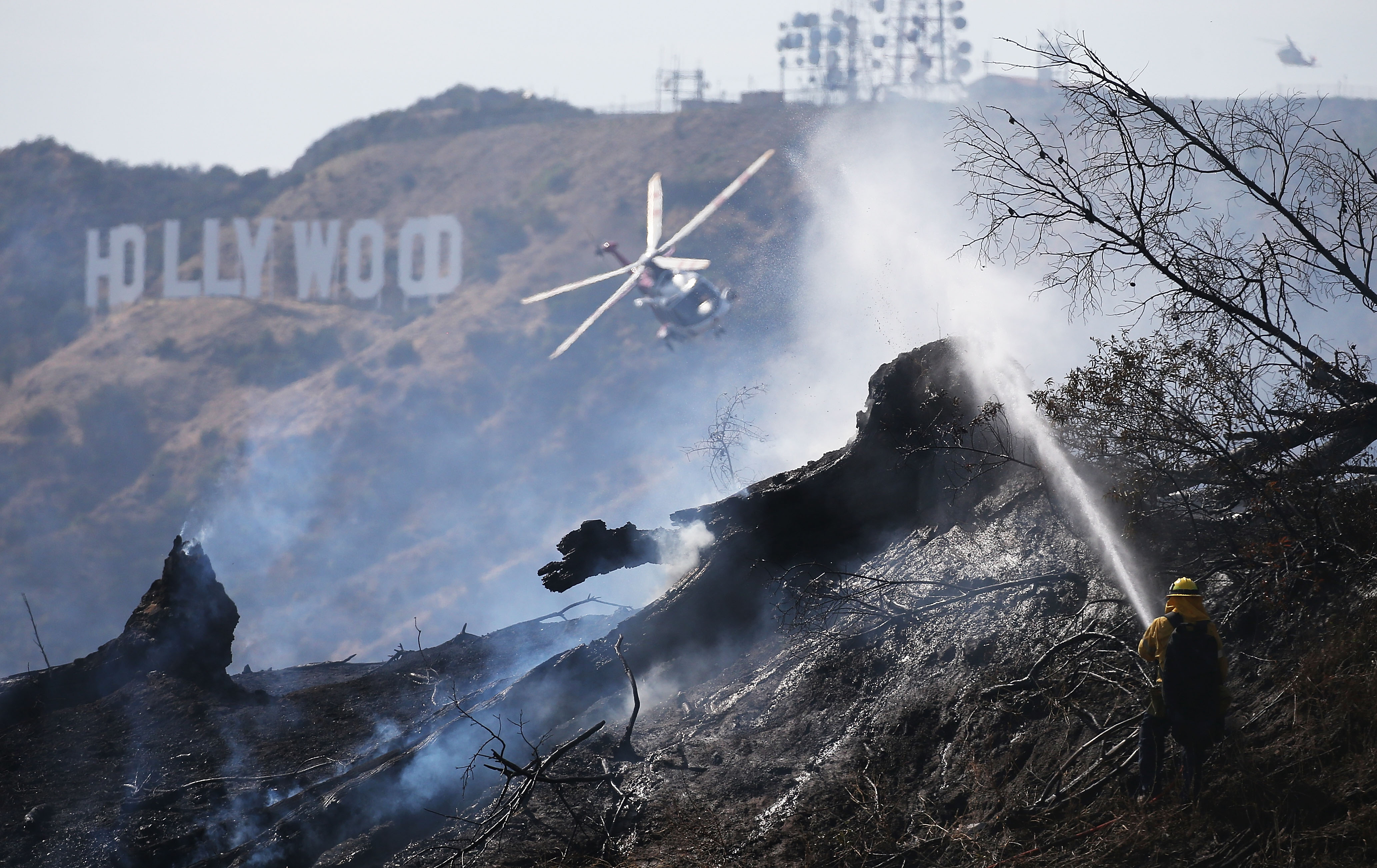
Every day is now fire season. Let's get you ready for the next wildfire burning near you
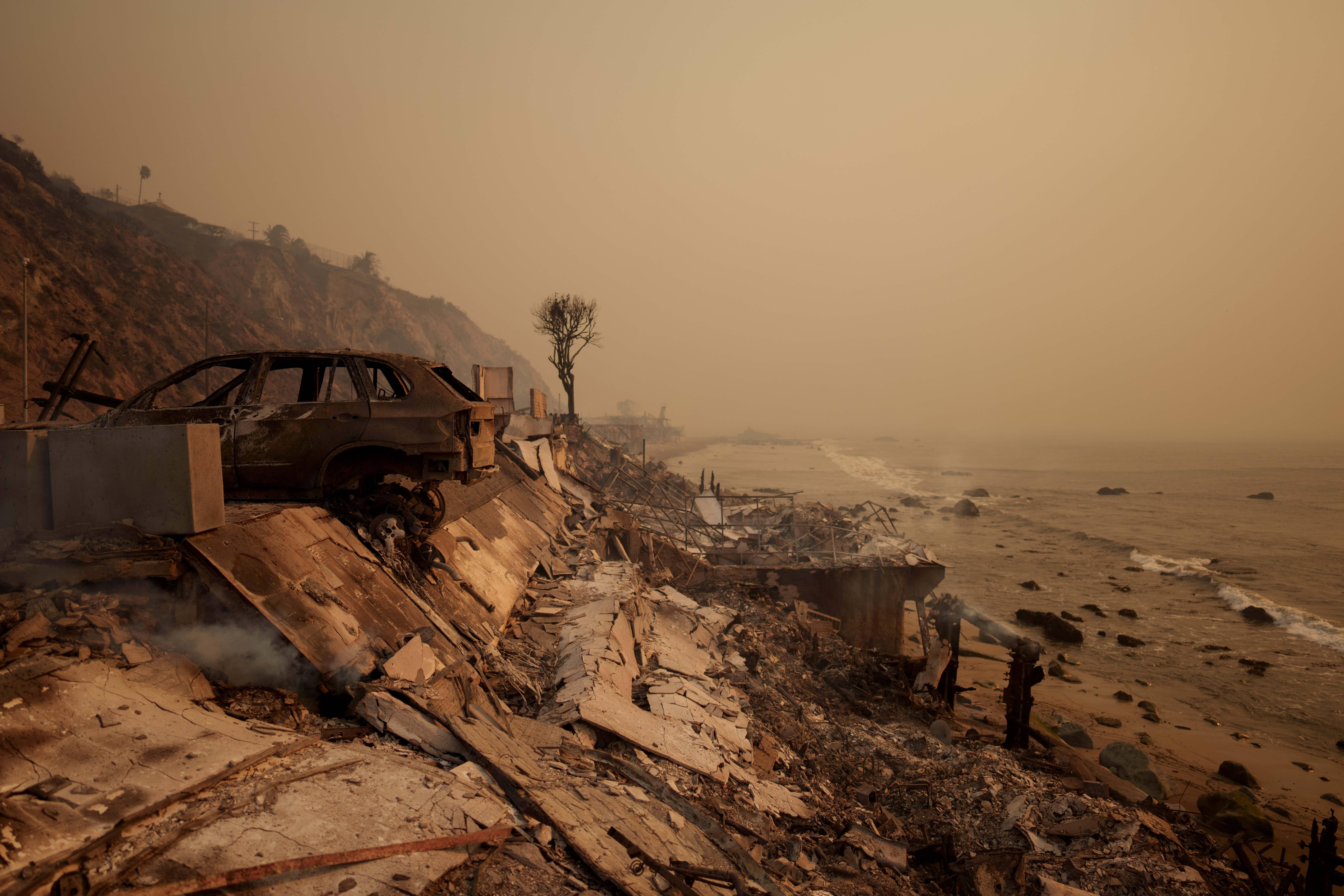
Cheat sheet: A quick roundup of SoCal fire coverage and safety resources
