

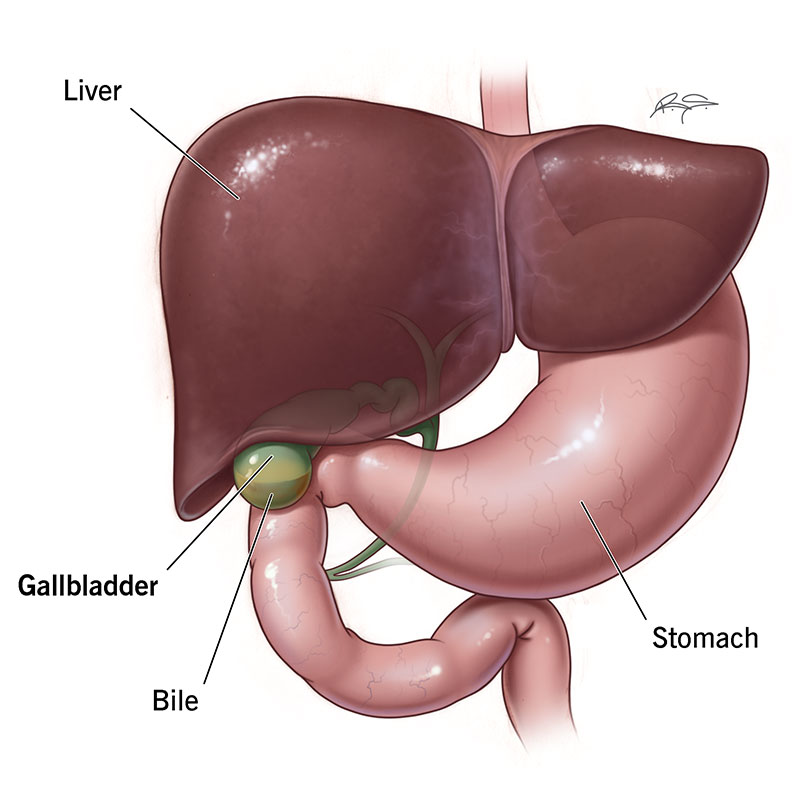
Your gallbladder is a small, pear-shaped organ located under your liver. Your gallbladder stores bile, which is a fluid your liver produces that helps digest fats.
Cholecystectomy (gallbladder removal) - Mayo Clinic
Does your gallbladder need to come out? Find out what happens during this common surgical procedure to remove your gallbladder.
PENiS | Notion
male reproductive system Organs of the male reproductive system.

VULVA | Notion
— Female reproductive system Organs of the human female reproductive system.
.webp?table=block&id=3f353b7a-6777-809b-a59d-c818e3bb68c4&width=2000&userId=&cache=v2&imgBuildSrc=pageMetadataCover)
General Surgeon in Birmingham, AL | Dr. Adam S. Harris, MD
Dr. Harris is a general surgeon in Birmingham, AL. Specializing in minimally invasive gallbladder removal, hernia repair, and robotic-assisted surgery at Grandview and St. Vincent’s.
How does food get traded around the world?
Our interactive tool helps you see where food is exported from and where it goes.
Sinc function
In mathematics, physics and engineering, the sinc function ( SINK), denoted by sinc(x), is defined as either or

AI Spots Pancreatic Cancer Years Before It Shows Up, Study Finds
An artificial intelligence system can spot pancreatic cancer long before it shows up on scans, raising the prospect of catching one of the deadliest tumors early enough to successfully treat, a study found.

Ultrasound imaging of the brain — Aleph
The most detailed vascular image of a living human brain we've seen, captured with ultrasound through the skull — and the pipeline behind it.
Symbiotic organs in insects: diversity, functional implications, and terminology
Abstract With over a million described species, insects represent the most successful group of animals on Earth. One of the drivers of insect diversity is their ability to engage in multifold beneficial symbioses with microorganisms, often involving specialized host organs to accommodate intra- or extracellular symbionts. The existence of such organs and their importance for sustaining and transmitting beneficial symbionts has been known for over a century, and specific terms have been established for categorizing organs harbouring intracellular bacteria (bacteriomes) or fungi (mycetomes), or cuticular crypts containing extracellular fungi (mycetangia). For others, however, general terms are lacking, e.g. organs containing extracellular bacteria associated with the cuticle or with the digestive tract. Furthermore, previously established terms have been misused in other contexts. Notably, ‘bacteriome’ has been increasingly employed in the microbiome field to refer to bacterial communities, instead of the term’s original meaning of specialized organs housing intracellular bacterial symbionts. Here, we review and categorize the diversity of symbiotic organs in insects and propose a unified terminology. Our hope is that this common language will facilitate communication and thereby support the field of symbiosis research in unravelling commonalities and differences in the evolution, ecology, development, physiology and molecular basis across symbiotic interactions. This article is part of the theme issue ‘Life in natural microcosms’.

Pheromone
A pheromone is a chemical that is secreted or excreted by an organism, which triggers a social response in members of the same species. There are alarm pheromones, food trail pheromones, sex pheromones, and many others that affect behavior or physiology. Pheromones are used by many organisms, from basic unicellular prokaryotes to complex multicellular eukaryotes. Their use among insects has been particularly well documented. In addition, some vertebrates, plants and ciliates communicate by using pheromones. The ecological functions and evolution of pheromones are a major topic of research in the field of chemical ecology.
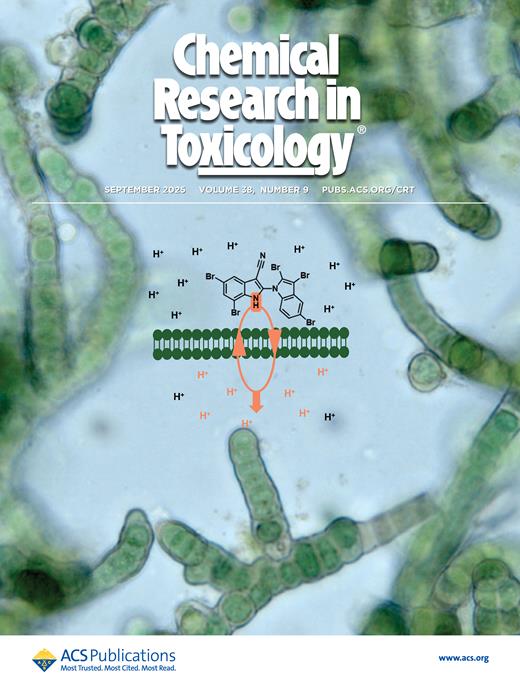
Liver and Intestinal Fatty Acid Binding Proteins Are Not Critical for Perfluorooctanesulfonate (PFOS) Tissue Distribution and Elimination in Mice
Abstract. Perfluorooctanesulfonate (PFOS) is a persistent environmental pollutant in the per- and polyfluoroalkyl substances (PFAS) class, known to accumul

Loss function
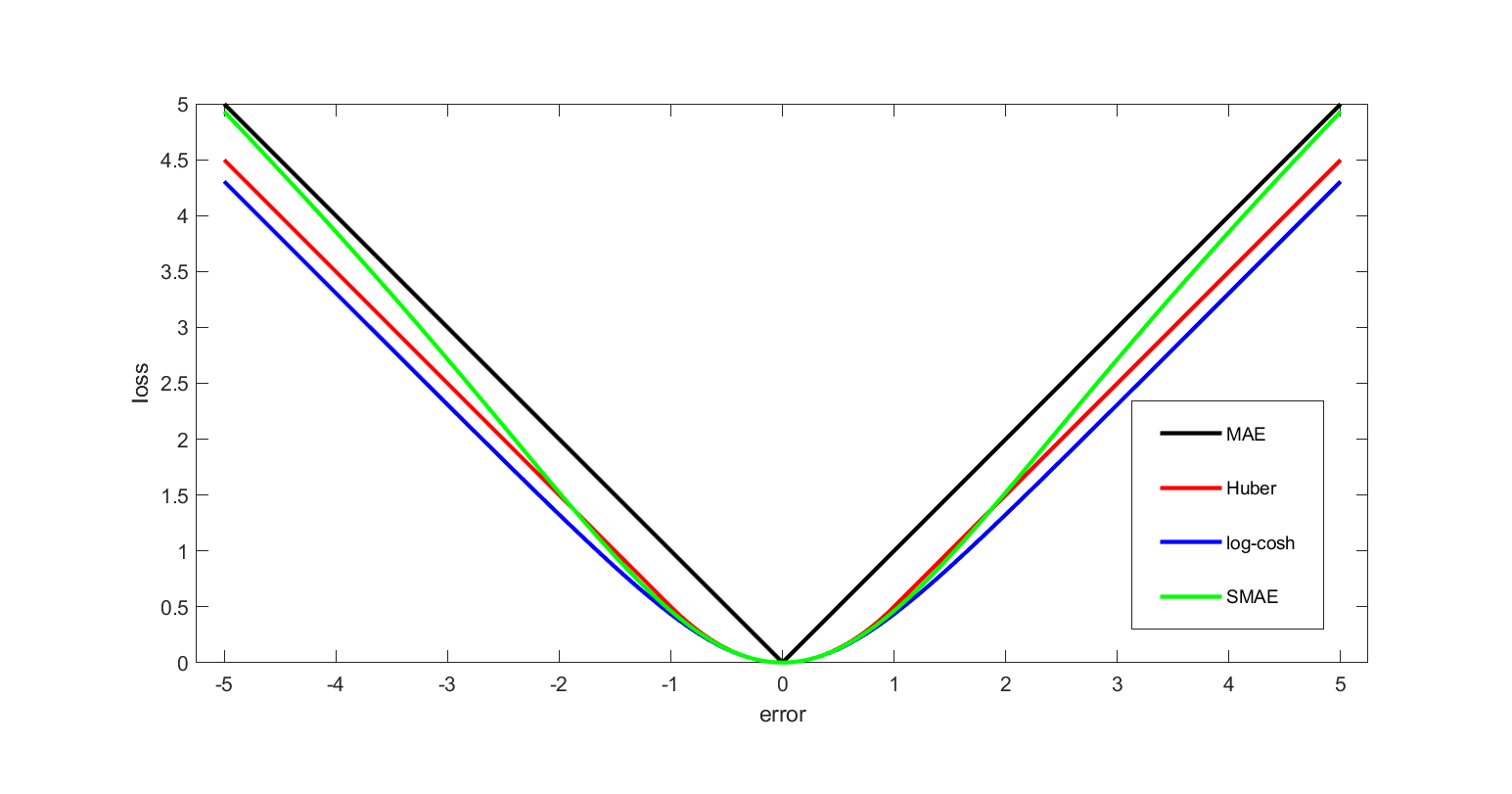
In mathematical optimization and decision theory, a loss function or cost function is a function that maps an event or values of one or more variables onto a real number intuitively representing some "cost" associated with the event. An optimization problem seeks to minimize a loss function. An objective function is either a loss function or its opposite, in which case it is to be maximized. The loss function could include terms from several levels of the hierarchy.
Mucus barrier, mucins and gut microbiota: the expected slimy partners?
The gastrointestinal tract is often considered as a key organ involved in the digestion of food and providing nutrients to the body for proper maintenance. However, this system is composed of organs that are extremely complex. Among the different parts, the intestine is viewed as an incredible surface of contact with the environment and is colonised by hundreds of trillions of gut microbes. The role of the gut barrier has been studied for decades, but the exact mechanisms involved in the protection of the gut barrier are various and complementary. Among them, the integrity of the mucus barrier is one of the first lines of protection of the gastrointestinal tract. In the past, this ‘slimy’ partner was mostly considered a simple lubricant for facilitating the progression of the food bolus and the stools in the gut. Since then, different researchers have made important progress, and currently, the regulation of this mucus barrier is gaining increasing attention from the scientific community. Among the factors influencing the mucus barrier, the microbiome plays a major role in driving mucus changes. Additionally, our dietary habits (ie, high-fat diet, low-fibre/high-fibre diet, food additives, pre- probiotics) influence the mucus at different levels. Given that the mucus layer has been linked with the appearance of diseases, proper knowledge is highly warranted. Here, we debate different aspects of the mucus layer by focusing on its chemical composition, regulation of synthesis and degradation by the microbiota as well as some characteristics of the mucus layer in both physiological and pathological situations.
Trump's Fed Chair Search Is Complicated by Powell's Silence on His Future
As President Donald Trump and his advisers begin weighing replacements for Federal Reserve Chair Jerome Powell, they’re running into one significant complication: It’s not clear that Powell will leave the US central bank next year.

Q: What's the large muscular organ in a woman's chest called? A: The heart? Q: I'm sorry, Bob. It's the SPLEEN. The spleen. freethoughtblogs.com/pharyngula/2026/09/14/i-know-…
