

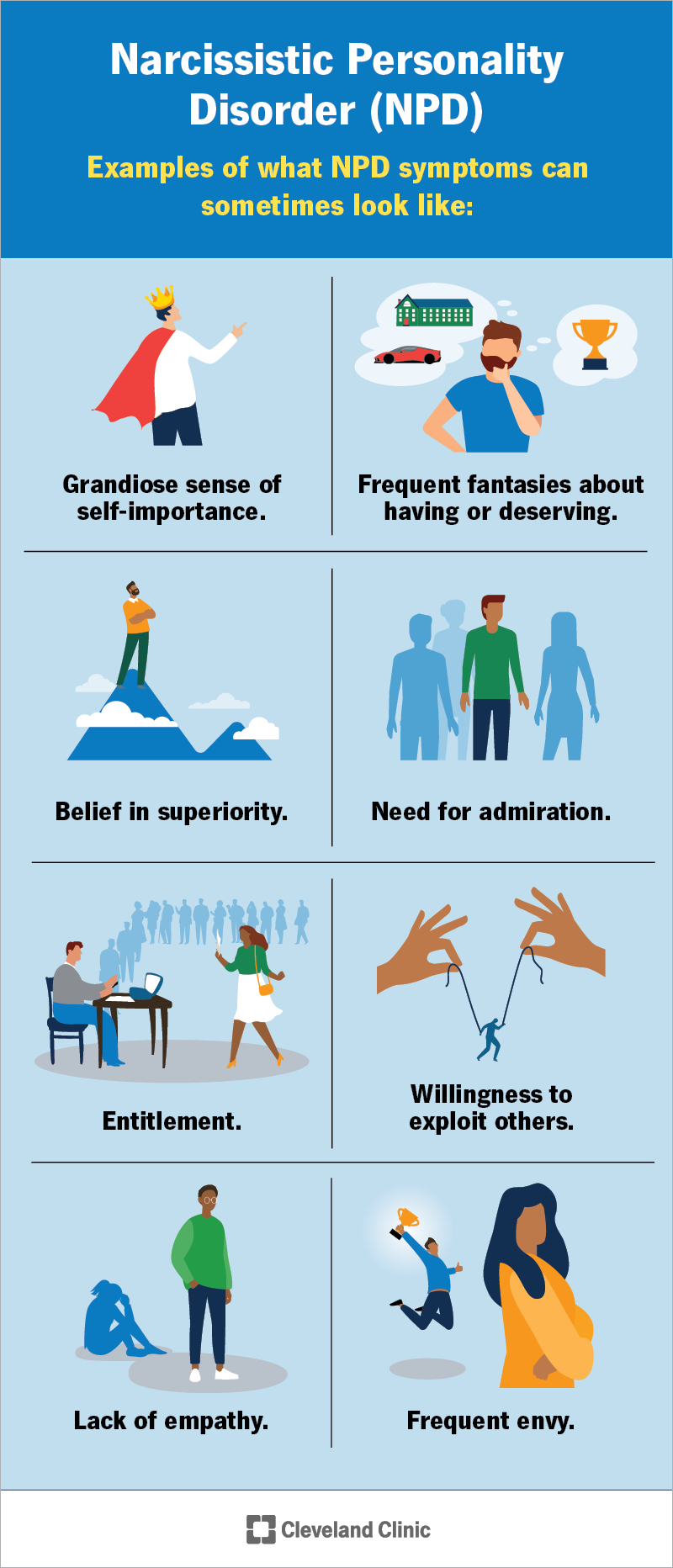
Narcissistic personality disorder is more than self-centered behavior. Learn how to recognize this mental health condition.
Reality Roundtable #19 — Dark Triad Personality Traits: How Psychopathy, Narcissism, and Machiavellianism Impact Our Cultures & Social Systems - The Great Simplification
Psychopathy is often portrayed as a rare and distant phenomenon – something confined to movie villains or prison cells. Yet when psychopathy is combined with narcissism and Machiavellianism to form what psychologists call the Dark Triad, its impact becomes far more immediate. Individuals with these traits can wield disproportionate influence over our culture, institutions, and daily lives. What goes on inside their minds, and how do they shape the world around us?

How to take things less personally and avoid mind reading | Psyche Guides
Always blaming yourself or assuming others think ill of you? A CBT therapist shares ways to break these self-critical habits

Nobody Has a Personality Anymore
My generation is obsessed with treating every trait as a symptom of a disorder: You’re not shy, you’re autistic; you’re not forgetful, you’ve got ADHD, writes Freya India.

Autistic People Care Too Much, Research Says » NeuroClastic
Autistic people care too much. Autism research pathologizes autistic people when autistic people stick to their morals and are selfless people

What neurodivergent people really think about the words used to describe them
Research reveals a clear preference for how neurodivergent adults want to be described, though not everyone agrees.

ADHD and giftedness: a neurocognitive consideration of twice exceptionality
Current models of cognition and behavioral diagnosis emphasize categorical classification over continuous considerations of function and promote the "differential diagnosis" of various conditions according to observational criteria. However, an overemphasis on a purely behavioral, categorical approach to understanding human function fails to address the comorbidity of different disorders and does not include a consideration of overlapping levels of function, from "pathological" through "normal," to "gifted" or exceptional. The frequent co-occurrence of "gifted" and "pathological" function is thus difficult to understand from a corticocentric and purely behavioral and observational point of view. This article reviews "giftedness" in relation to the diagnosis of attention-deficit hyperactivity disorder, coexistence of which is termed "twice exceptional." It additionally considers problems in assessing these functions using current neuropsychological tests and methodologies that are presumably based upon a corticocentric model of cognition.
Objective, subjective, and accurate reporting of social media use: No evidence that daily social media use correlates with personality traits, motivational states, or well-being.
Imposter Syndrome: Understanding and Managing It
Imposter Syndrome can be unnerving and frustrating. Here I unpick what it is, why it happens, and how to pragmatically manage it.
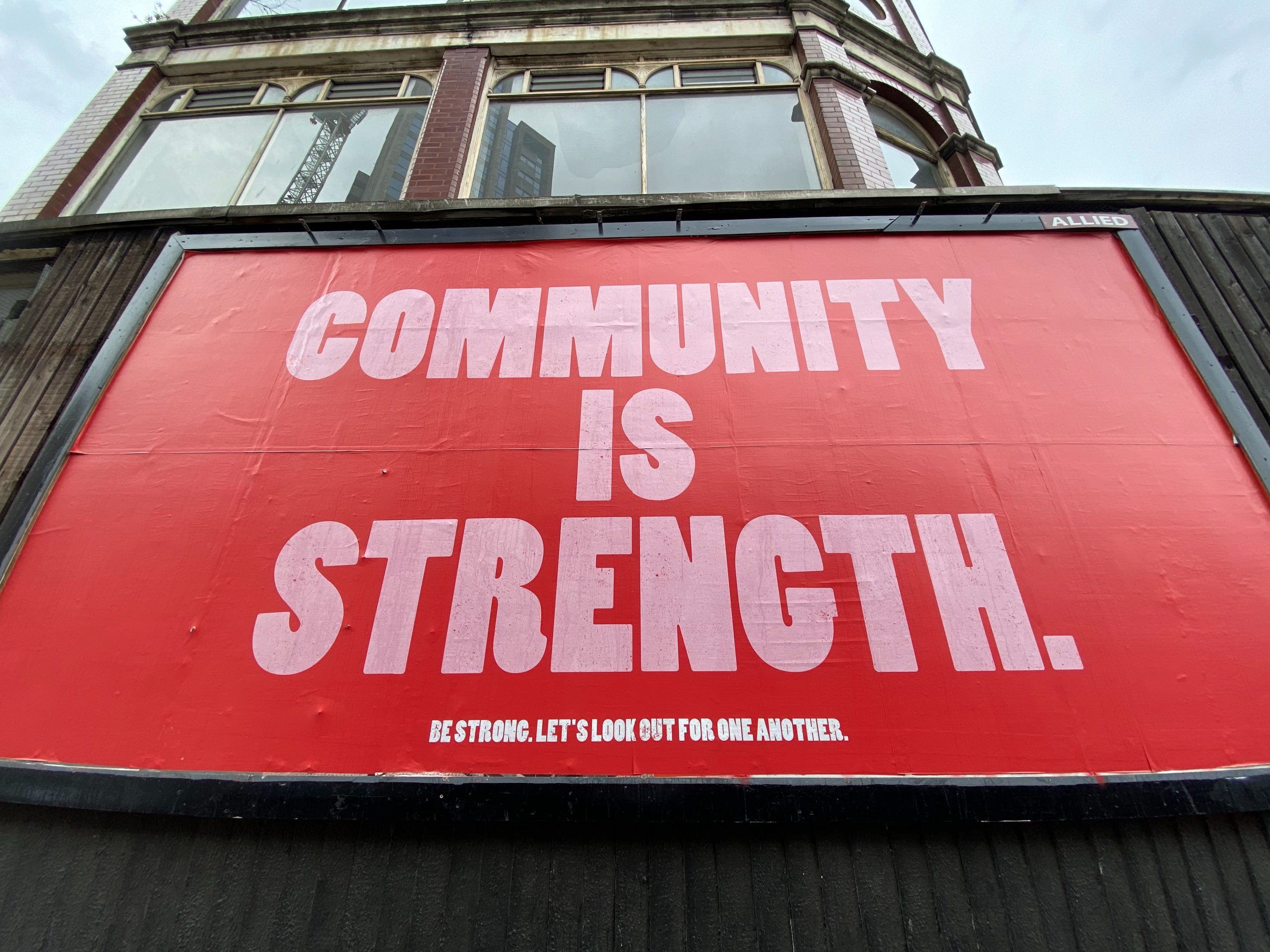
Too amused to stop? Self-control and the disengagement process on Netflix
Abstract. Consuming media entertainment often challenges recipients’ self-control. While past research related self-control almost exclusively to whether i
Members of right-leaning parties prefer leaders with ‘dark triad’ personality traits
The ‘dark triad’ is made up of narcissism, Machiavellianism and psychopathy.

Managing intrusive thoughts | Lifeline
Dealing with overwhelming and distressing thoughts can be difficult, but knowing how to handle them can make a big difference to how you feel. Learn why you might be experiencing intrusive thoughts and strategies that can help you manage them.

It’s the Effort That Counts: The Effect of Self-Control on Goal Progress Perceptions
Does the amount of self-control consumers must exert to choose a goal-consistent action influence their perceptions of goal progress? For example, if you choose to go to the gym when one of your favorite TV shows is on (vs. when nothing interesting is on TV), do you perceive that you have made a differential amount of progress toward your goal, despite completing the exact same workout? In eight studies (N = 7,515), the authors demonstrate that consumers perceive that they have made more progress on their goals when more (vs. less) self-control is required to choose to complete an identical goal-consistent task. This is because when consumers exert more (vs. less) self-control to choose a goal-consistent task over the goal-inconsistent alternatives, they infer higher commitment to the goal. The higher inferred commitment, in turn, leads consumers to perceive that future goal pursuit will be easier. The authors demonstrate this effect across a variety of tasks and means of exerting self-control, as well as with both hypothetical scenarios and real-behavior studies.

Hyperactive–impulsive ADHD traits predict higher curiosity in adults: evidence from a cross-sectional study
Attention-deficit/hyperactivity disorder (ADHD) is typically framed in terms of difficulties with sustained attention, behavioral regulation, and impulse control, yet growing work suggests that some associated traits may also relate to potentially adaptive tendencies. Curiosity has been highlighted in qualitative research as one such trait that can function as both a strength and a challenge for adults with ADHD, but quantitative evidence examining its relationship to ADHD traits remains limited. This study examined whether ADHD traits are associated with individual differences in trait curiosity in adults.
Why I Procrastinate
A look into me, my awful procrastination habit, and how I fixed it. (spoiler alert: it was ADHD)
Yielding to Temptation: Self‐Control Failure, Impulsive Purchasing, and Consumer Behavior
Abstract. Self-control is a promising concept for consumer research, and self-control failure may be an important cause of impulsive purchasing. Three caus
“Conscientiousness may be the best single word describing what drives social capital: conscientious people do their bit without being told. It is declining precipitately.” nicholasgruen.substack.com/p/social-fabric-the-price-of-…

Social fabric: The Price of What Survives
nicholasgruen.substack.com