


myles braithwaite's garden of ideas. a collection of thoughts, photos, and things they love.
myles/aster-myles-garden
A birth chart generator that runs entirely in the browser. Give it a date, a time, and a place, and it draws you a natal chart — no account, and no data leaving your machine unless you want it to.
Your Online Journal, Built from Heartbeats, Sleep Patterns, and Hikes
A startup called Gyroscope wants to build you a personal website that’s automatically updated with your own data.
Vibe coding personal apps in mid-2026 - Francis Irving
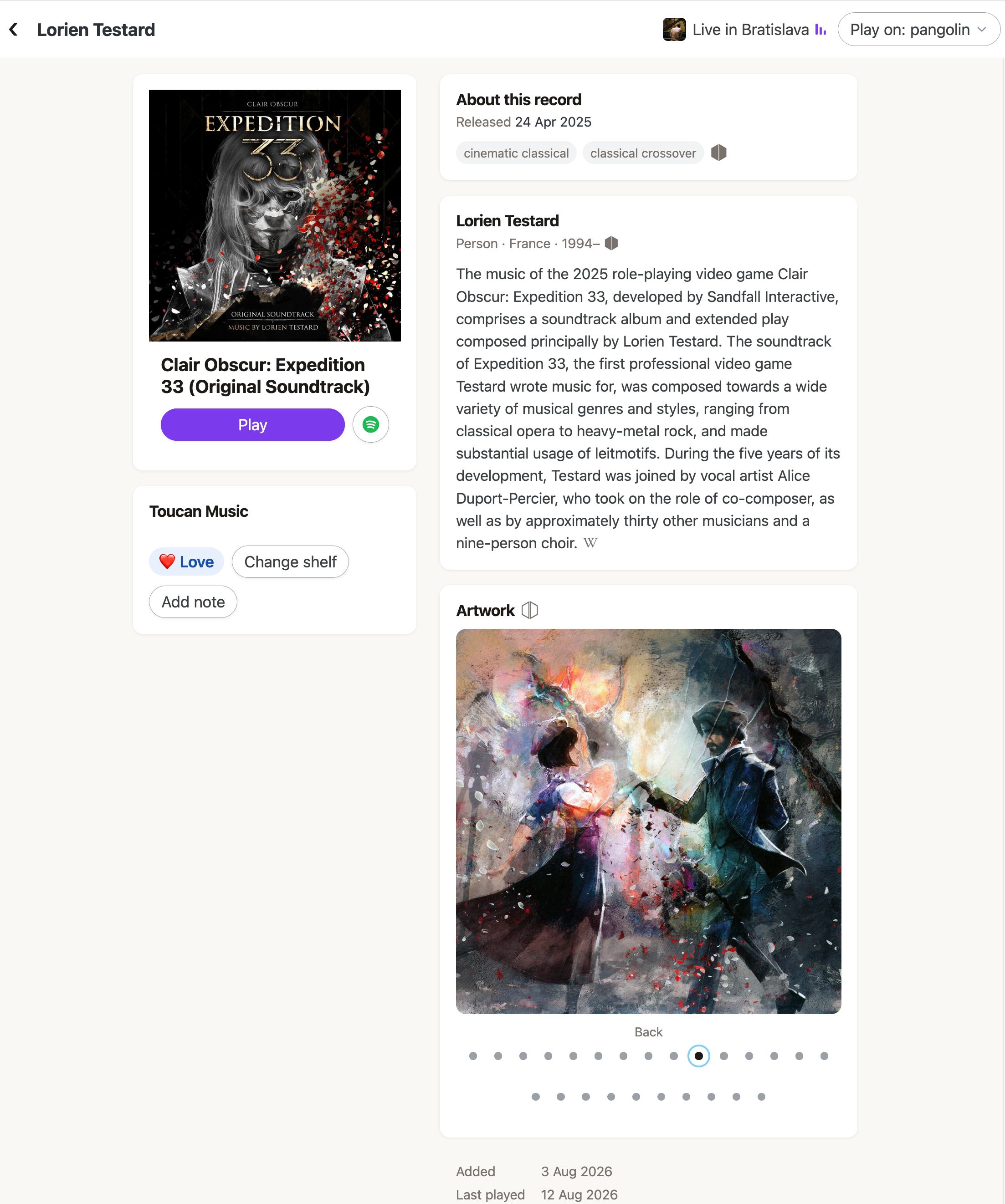
There are a few mobile apps that I’ve wanted for a while, and that are relatively speaking just for me.
Ancestry.com can use your DNA to target ads - CITP Blog
With the reduction in costs of genotyping technology, genetic genealogy has become accessible to more people. Various websites such as Ancestry.com offer genetic genealogy services. Users of these services are mailed an envelope with a DNA collection kit, in which users deposit their saliva. The users then mail their kits back to the service and […]
How Period-Tracking Apps Are Monetizing Women's Extremely Personal Data
More than 100 million women monitor their cycles on their phones.

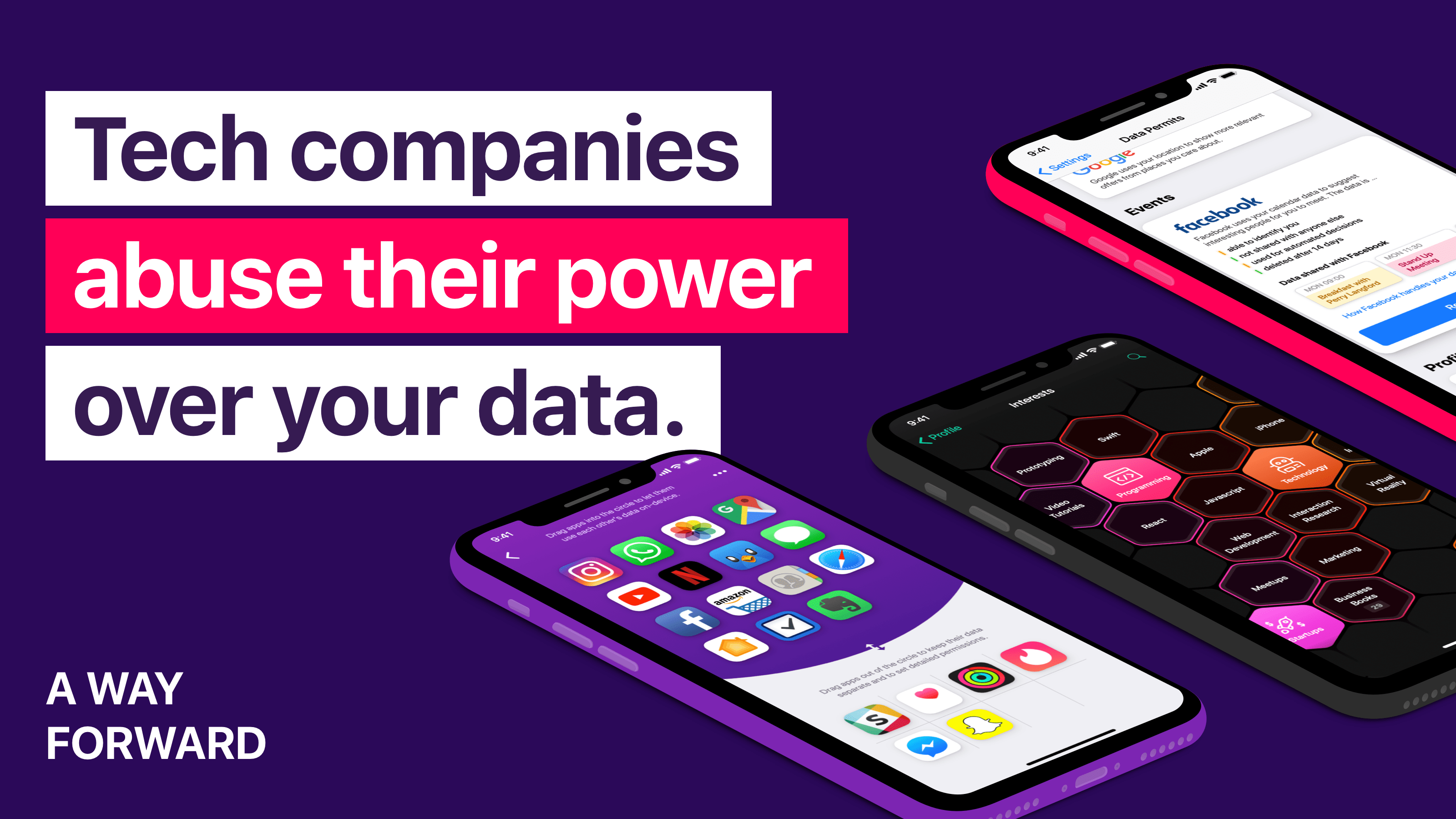
Rethinking how technology uses our personal data
This essay explores visually how keeping data and AI on‑device could empower not only users, but also companies.
Walrus (@walrus.northsky.social)
Whats your motive in making data like nationality and approximate date of birth public? It seems like users have/had the option to not have their full name made public, do users have the option to hide their nationality or approximate date of birth as well? If not, then why?

De-Google Your Digital Life | Privacy-Focused Solutions
Learn how to remove Google from your digital life. Expert guidance on privacy-focused alternatives and digital independence.
You can make an app for that
AI is empowering a generation of vibe coders to build exactly what they want. The personal software revolution is here.

Quantified self
Quantified self is both the cultural phenomenon of self-tracking with technology and a community of users and makers of self-tracking tools who share an interest in "self-knowledge through numbers". Quantified self practices overlap with the practice of lifelogging and other trends that incorporate technology and data acquisition into daily life, often with the goal of improving physical, mental, and emotional performance. The widespread adoption in recent years of wearable fitness and sleep trackers such as the Fitbit or the Apple Watch, combined with the increased presence of Internet of things in healthcare and in exercise equipment, have made self-tracking accessible to a large segment of the population.

Fedica (@fedica.com)
We've been doing social media analytics for well over a decade, no other social media platform provided public age data per account like this Facebook has user_birthday but users must authorize the app to read their own data, not of any account! Have we not learned anything from Cambridge Analytica

birthDateApprox stores a generated date: 1 January of the birth year, shifted randomly within a 24-month range. The day and month have no connection to your birthday, and even the year may differ. We use it to derive an age range, balancing privacy with context about who is behind the keyboard.
