


Learn narrative evaluation to identify harmful and helpful stories. This guide helps you assess narratives based on your vision & goals for social change.
Narrative Techniques For DIY Research And Organizing
DIY research and focused narrative techniques give communities the power to collect and analyze the stories that matter most.

Our fiction addiction: Why humans need stories
From fireside folk tales to Netflix dramas, narratives are essential to every society – and evolutionary theorists are now trying to figure out why, writes David Robson.

Disinformation as Cultural Narrative: Conceptualizing Disinformation as Cross-Platform, Identity-Affirming, Cathartic Stories
Rather than framing disinformation as false facts which can be countered by true facts, we propose a model of disinformation as narrative by tracing three case studies of successful disinformation ...

Weaving Narratives into Procedural Worlds
Examining the value, characteristics, and methods of integrating static narratives into otherwise procedurally generated environments.
How to Tell Stories About Complex Issues (SSIR)
Stories are the most powerful tool we have for increasing understanding and building engagement with complex issues. Telling them well can drive belief and behavior change. <meta property=

Against the obsession with narratives: A materialist critique
In recent years, political and cultural debate has increasingly turned into a battle of stories. Everything seems to revolve around…
Disinformation and grievance narratives
Disinformation is often defined as misleading content intended to instill false beliefs. But this definition is too narrow. We need to focus instead on its broader epistemic effects. Indeed, some disinformation campaigns rely not on sharing falsehoods but on spreading what I call grievance narratives. These narratives exploit the (real or imagined) grievances of a community and frame them as signs of a deeper systemic problem, typically instigated by a powerful and hostile group. In this way, they legitimize and amplify aversive emotions and foster a negative orientation toward the world, one in which emotions like resentment or indignation feel continuously warranted. Now, grievance narratives are particularly harmful because they epistemically isolate their targeted audience. In short, they undermine the network of information sources that a community can rely on and, as such, they obstruct access to epistemic goods, such as knowledge and understanding. This stems from a key feature of these narratives: namely, they polarize the world between those who recognize the forces responsible for the community’s suffering and those who don’t. The latter are portrayed as not merely mistaken, but as either hostile or complicit with those to blame. In this way, grievance narratives systematically foreclose any alternative explanation of the community’s experiences, leaving them with little more than a single narrative to trust.

Narrative Power In Crisis: Build A Crisis Comms Plan
How do we build narrative power during times of crisis?

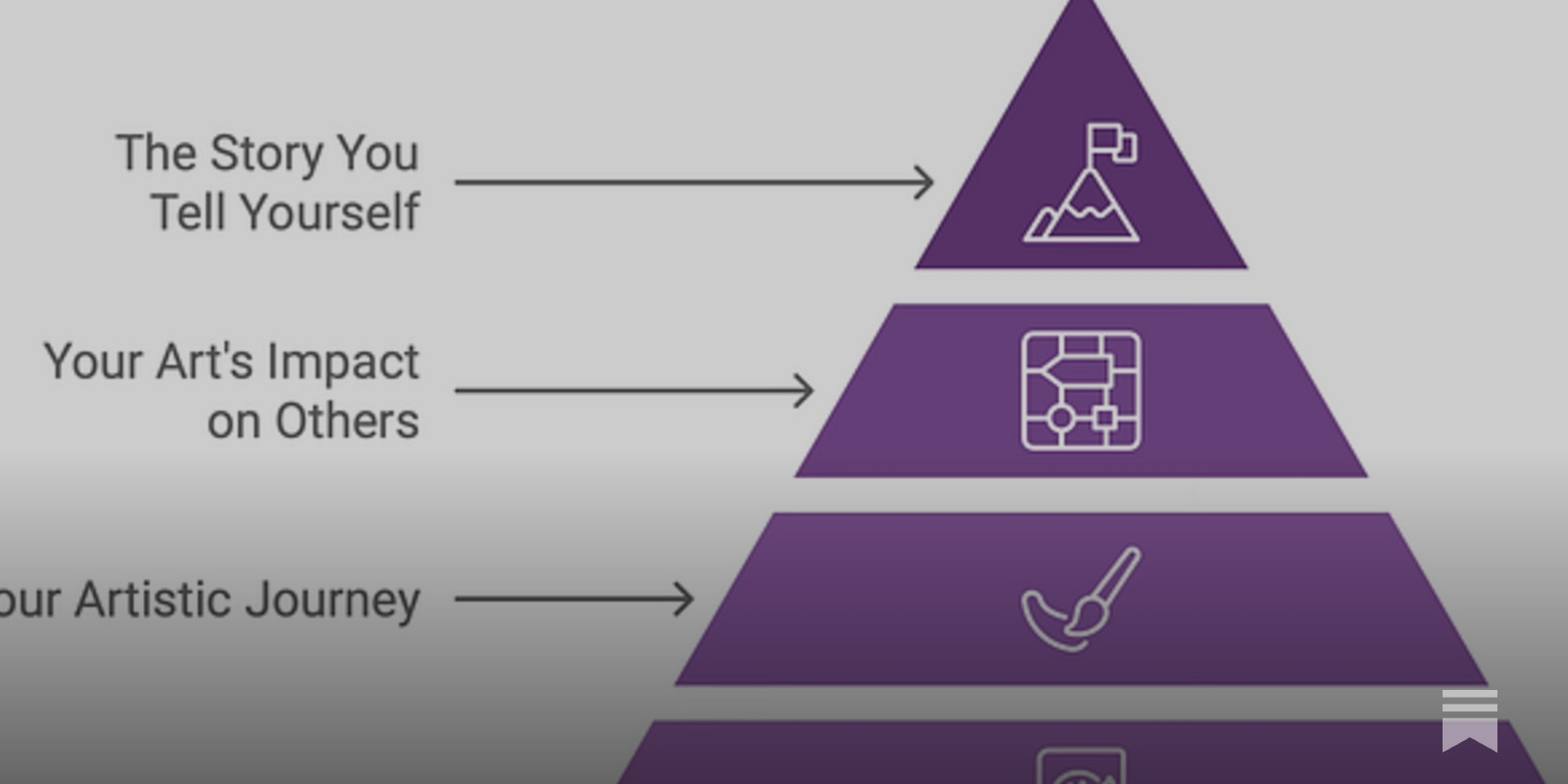
Master 4 Layers of Storytelling to Make Your Art Unforgettable
You think storytelling is just for writers? Wrong. The story you craft—not just on canvas, but in your journey, your impact, and in your own mind—could make your art impossible to ignore.
Narrative Alignment Strategy: The North Star Guide
Discover our narrative alignment strategy to unite movements. Learn how the Narrative North Star framework guides shared vision for deep, lasting social change.

The role of transportation in the persuasiveness of public narratives.
Mapping A Narrative Landscape Like A Plot Diagram Of Power
A plot diagram isn’t just for fiction—this framework helps movements map influence, tension, and narrative arcs.

Facilitated Communication Through Narrative Organizing
Narrative organizing is facilitated communication at scale—making meaning, building trust, and moving power.

How storytelling can help articulate emotions that evolve as the climate changes
Creative works can represent emotions emerging so fast that our brains can’t quite catch up with them.

Why Storytelling Matters When Changing Company Culture
A conversation with the University of Utah’s Jay Barney about how leaders who successfully drive cultural change communicate through authentic, compelling stories.

4-Layers, A Narrative Design Approach
Introduction This blog post will be about a new way to approach narrative design in games - the 4 Layers Approach. It is based on a GDC ...
