


Capitalist neoliberalism is losing ground—discover the narrative frameworks that can take its place to center care, equity, and interdependence.
The Abundance Agenda: Neoliberalism’s Rebrand
The new centrist push to regain control of the Democratic Party, with corporate money

Neoliberalism – the ideology at the root of all our problems
Financial meltdown, environmental disaster and even the rise of Donald Trump – neoliberalism has played its part in them all. Why has the left failed to come up with an alternative?
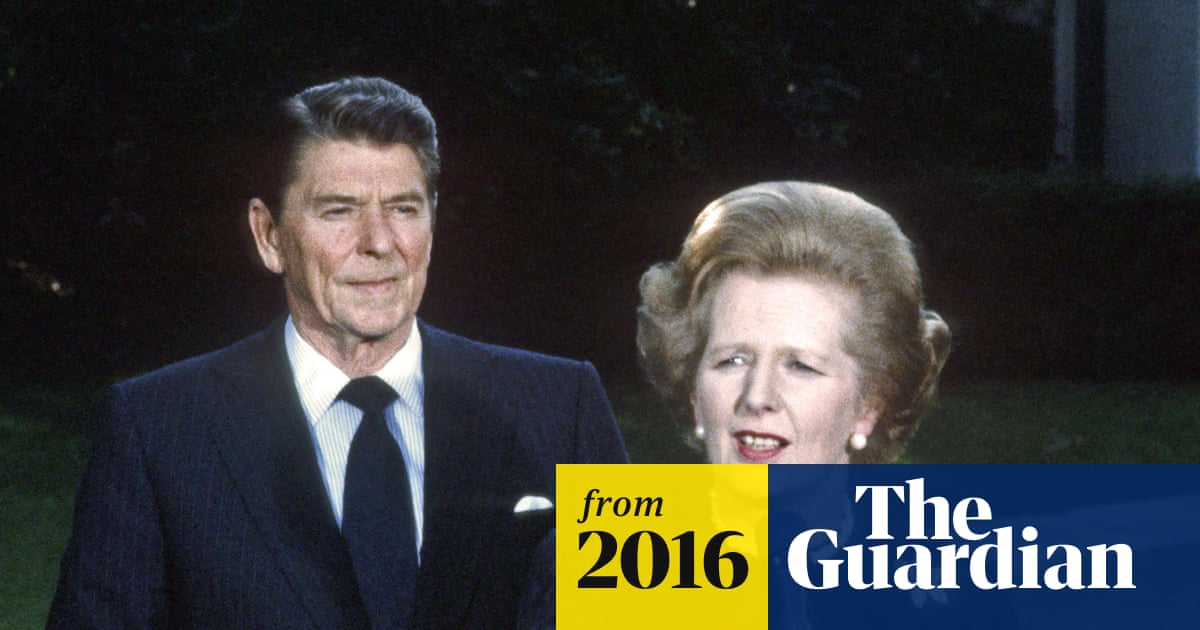
Neoliberalism – the ideology at the root of all our problems
Financial meltdown, environmental disaster and even the rise of Donald Trump – neoliberalism has played its part in them all. Why has the left failed to come up with an alternative?
Against the obsession with narratives: A materialist critique
In recent years, political and cultural debate has increasingly turned into a battle of stories. Everything seems to revolve around…
Neoliberalism | The Paper Pilot
The Paper Pilot's digital garden of thoughts on philosophy, politics, and sociology
Narrative Power In Crisis: Build A Crisis Comms Plan
How do we build narrative power during times of crisis?

Systemic Change
The Paper Pilot's digital garden of thoughts on philosophy, politics, and sociology. Reading time: ~9 minute read | Published: Nov 14, 2026 | Updated: Nov 14, 2026

Platform Politics: Corporate Power, Grassroots Movements and the Sharing Economy
Abstract. This is a book about the power of grassroots movements, narratives and modern corporations to change the way everyday life is organised, provisio
Paul Mason: capitalism is failing, and it's time to panic – video
The neoliberalist capitalist model has resulted in civil wars and economic disaster, and it’s only going to get worse

Narrative Alignment Strategy: The North Star Guide
Discover our narrative alignment strategy to unite movements. Learn how the Narrative North Star framework guides shared vision for deep, lasting social change.

Capitalist Realism: Is There No Alternative?
It is easier to imagine the end of the world than the end of capitalism. After 1989, capitalism has successfully presented itself as the only realistic political-economic system - a situation that the bank crisis of 2008, far from ending, actually compounded. The book analyses the development and principal features of this capitalist realism as a lived ideological framework. Using examples from politics, film (Children Of Men, Jason Bourne, Supernanny), fiction (Le Guin and Kafka), work and education, it argues that capitalist realism colors all areas of contemporary experience, is anything but realistic and asks how capitalism and its inconsistencies can be challenged. It is a sharp analysis of the post-ideological malaise that suggests that the economics and politics of free market neo-liberalism are givens rather than constructions. New Edition includes:Forward by Zoe Fisher, Mark’s wife, talking about Mark as a personIntroduction by Alex Niven, his friend and colleague, talking about the political significance of the book thirteen years after it was writtenAfterword by Tariq Goddard, the original editor and publisher, describing the writing and editing of the book, its original reception, and Mark’s own view of it"A quick and entertaining read." Socialist Standard "A provocative and necessary read...for anyone wanting to talk seriously about the politics of education today. " Times Higher Educational Supplement
Hype, financial narratives, and self-fulfilling prophecies in surveillance capitalism
The rise of platforms has transformed our understanding of contemporary capitalism, with the critical literature describing how these firms leverage unprecedented digital powers to extract monopoly rents – perhaps even heralding a new form of Feudalism. This paper draws on the literature on financial narratives to examine the role that such stories play within the form of capitalism that they describe, and what this suggests for the role of “hype” in contemporary capitalism. The same stories that for critical scholars appear as menacing threats of “technofeudalism” or “surveillance capitalism” for investors appear as optimistic stories of promising future returns. By driving financial investments, narratives afford platforms very real social and political powers, enabling them to function as a form of self-fulfilling prophecies. The paper argues for a cultural inflection to the political economy of Big Tech – viewing capitalism as neither mechanistic nor rational, but as an expression of a complex interplay between narrative, technology, and economic power. This suggests the need for a critical hype studies, geared at deconstructing the narratives undergirding the technological waves of capitalist pursuits, and examining the broader role of hype in coordinating and directing flows of capital within contemporary financialized capitalism.

The Prospects of a Pluriversal Transition to a Post-Capitalist, Post-C
This book critically engages with a central dilemma facing counter-hegemonic movements as global crises intensify: how to foster systemic change while

Preface | The World After Capital
Since publishing the previous version of The World After Capital, I have met with people across the political spectrum to discuss the ideas from the book. When I present these in person, I emphasize that the ideas are neither left nor right but forward (credit to Scott Santens who first used this phrase about Universal Basic Income). My writing, however, at times has alienated readers who identify as being more on the right. In this new edition, I am therefore making an extra effort to emphasize how both my diagnosis of where we are at and my suggestions for how to move forward do not map onto the existing political divides. Instead this is a new way of understanding our challenges and opportunities that can be the basis for movements and parties that are not trapped in Industrial Age ideology.
A Thrive/Survive Theory Of The Political Spectrum
I admitted in my last post on Reaction that I devoted insufficient space to the question of why society does seem to be drifting gradually leftward. And I now realize that in order to critique the …

The Joy of Becoming Worthless…except to each other — Douglas Rushkoff
My last piece, The Intentional Collapse, seems to have agitated a few people. I know it came off a bit dark. I talked about how the Uber wealthy believe the world as we know it is ending and that there won’t be enough essential resources to go around, so they need to take control of as much money and stuff and land as possible in order to position themselves for the end of days.