

Follow me on a different dopamine-crushing metrics-driven site instead. These links open in a new tab but you’ll collect 2 coins for each one you click!
Smart Events, Smarter Communities: Leveraging AI to Power Engagement
This session is about practical, usable stuff — no fluff.

The Buffett Formula: Going to Bed Smarter Than When You Woke Up
Learn how Warren Buffett and Charlie Munger turn curiosity into insight. Discover how interest-driven learning builds understanding and reveals hidden opportunities.

Cryptocurrencies with Tim Ferriss, Nick Szabo and Naval Ravikant
An incredible deep dive into the world of Bitcoin, Etherium, ICOs and more with an expert, a passionate learner and a novice.

Brave Rewards
Support content creators and earn tokens for ads you see in Brave. Use your tokens in Web3 apps, to book flights, exchange for other currencies, and more.

Tally Counter & Tracker Daily - Apps on Google Play
Count anything by tap with widget: goal,coins,days,clicks,numbers,progress,reps

matduggan.com
I wrote a browser extension to try and make finding random, independent websites more fun.

Online Sweepstakes Casino USA - Quick Prize Cashouts
Compare the top sweepstakes casinos available to US players. Free to enter, no purchase necessary, with Sweepstakes Coins redeemable for prizes. Find your best option here.
Artificial adventures
I've been playing around with AI. Nothing I'm doing is particularly exciting, but the internet tends to only surface the most extreme opinions in either direction and I found it useful to hear from friends who have opinions that aren't optimized for click-through rate.
Mustard Notes (@mustardnotes.com)
I'm a firefox & chrome browser extension that lets you put notes on any website AND have your bluesky/GitHub followers see them! chrome.mustardnotes.com firefox.mustardnotes.com (still in development and a hobby project so expect some rough edges 🙃)

Why infinite scroll's inventor wants to kill his creation : The Indicator from Planet Money
We practically live on our phones these days. Scrolling and scrolling, endlessly. Entrepreneur Aza Raskin is responsible for creating this infinite scroll. He also testified against Meta, who have been under fire — and in court — charged with making their apps addictive to children. On today’s show: Raskin tells us about the changes he thinks platforms should make to help people take their attention back. Come see Planet Money live on stage! 12 cities. Details and tix here: planetmoneybook.com Related episodes: The Social Media Crisis How algorithms are changing the way we speak For sponsor-free episodes of The Indicator from Planet Money, subscribe to Planet Money+ via Apple Podcasts or at plus.npr.org. Fact-checking by Cooper Katz McKim. Music by Drop Electric. Find us: TikTok, Instagram, Facebook, Newsletter.

Our Favorite Tools to Stay on Top of Your Financial Life (Published 2018)
Here are some of the best apps and services to help keep your money on track, whether you’ve never created a budget or you’re a seasoned investor.

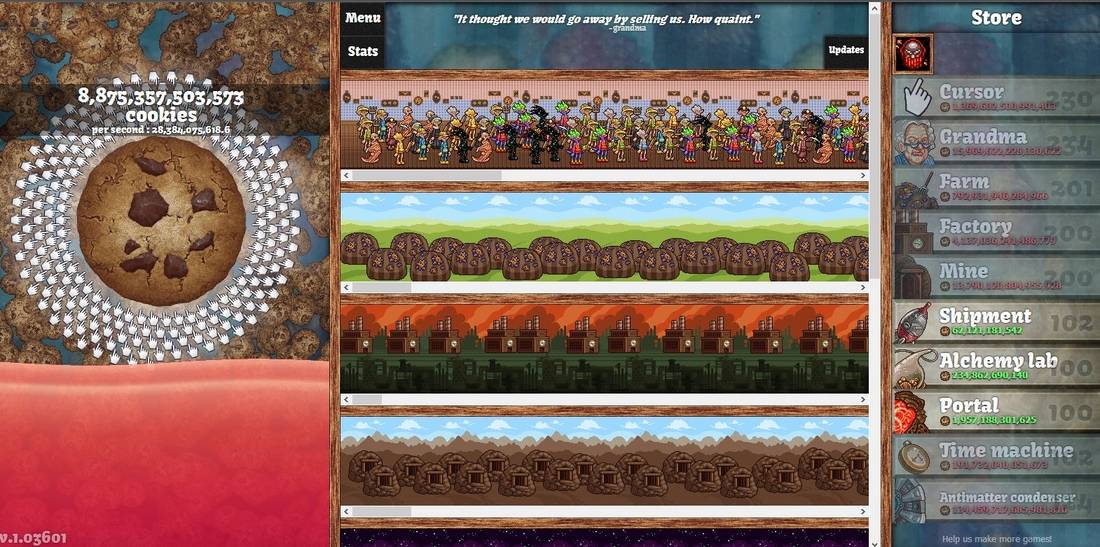
The cult of the cookie clicker: When is a game not a game?
There's a growing obsession online with cookies, imaginary chocolate chip cookies.
Bluesky Analytics
Engagement analytics for Bluesky accounts. See which posts resonated most.
🦫 alert! We published the second episode of "Teach the Web new Tricks", featuring native support for @atproto.com ! Learn more how we improve user agency and privacy at webbeef.org/atproto.html : - Native at:// protocol support. - Log in your PDS and forget OAuth ! - Authorize 3rd parties
