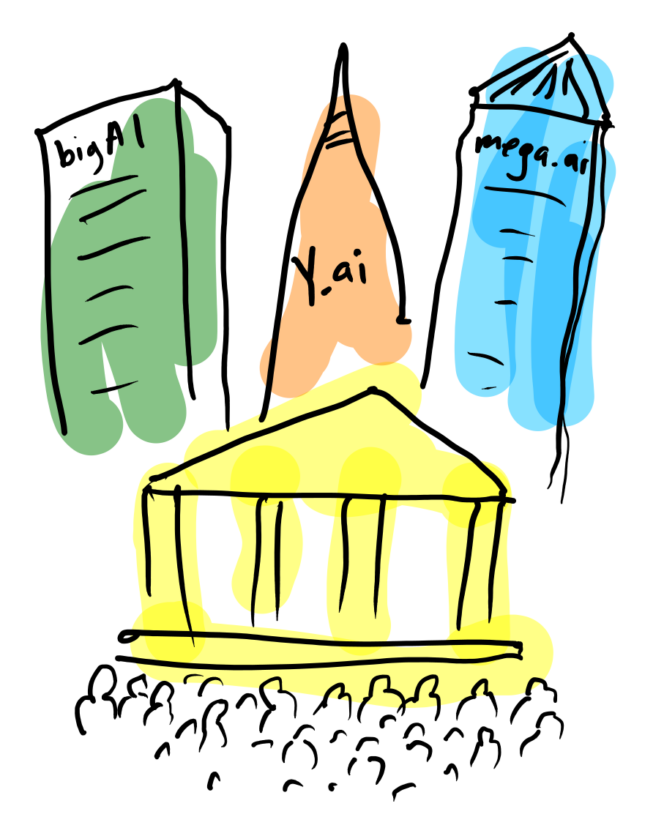
Universities, like other institutions, are currently being confronted with a dilemma: embrace the AI tools currently available from big-name tech companies, and be part of the future, or reject the miraculous machines and stick your head in the sand. This dilemma is a false one, on several counts. It is far from clear what role generative AI will have in the future of academic life, for one thing. And beyond rewording the choices, surely there are other options that this dilemma fails to consider.
Where does the rigor go? Research software and the future of trustworthy science.
Generative AI now makes it dramatically easier to produce something that looks like research: analysis code, figures, literature reviews, even whole pap…
AI Literacy Across the Curriculum
As you have no doubt seen, AI is becoming ubiquitous in our lives and in the technologies we use every day. Generative AI is no longer an experimental tool, but a deployed technology in many of the…

AI is turning research into a scientific monoculture
Generative AI deserves scientific attention. But the rush to study it is producing a feedback loop of topical and methodological convergence, flattening scientific imagination and crowding out the pluralism needed to keep research adaptive, resilient, and intellectually generative.

AI Is Hollowing Out Higher Education
Olivia Guest & Iris van Rooij urge teachers and scholars to reject tools that commodify learning, deskill students, and promote illiteracy.


The future belongs to those who can refute AI, not just generate with AI
Why verification, not prompting, could shape the next decade of engineering

A new direction for students in an AI world: Prosper, prepare, protect | Brookings
This report explores the potential risks generative AI poses to students and outlines what we can do now to minimize them.

Where will AI be at the end of 2027? A bet
We, Gary Marcus, author, scientist, and noted skeptic of generative AI, and Miles Brundage, an independent AI policy researcher who recently left OpenAI and is bullish on AI progress, have agreed to the following bet, at 10:1 odds, with criteria drawn from two earlier Substack essays by Gary that proposed criteria for

The 50 Percent Problem
Empirical evidence of the educational harm of generative AI
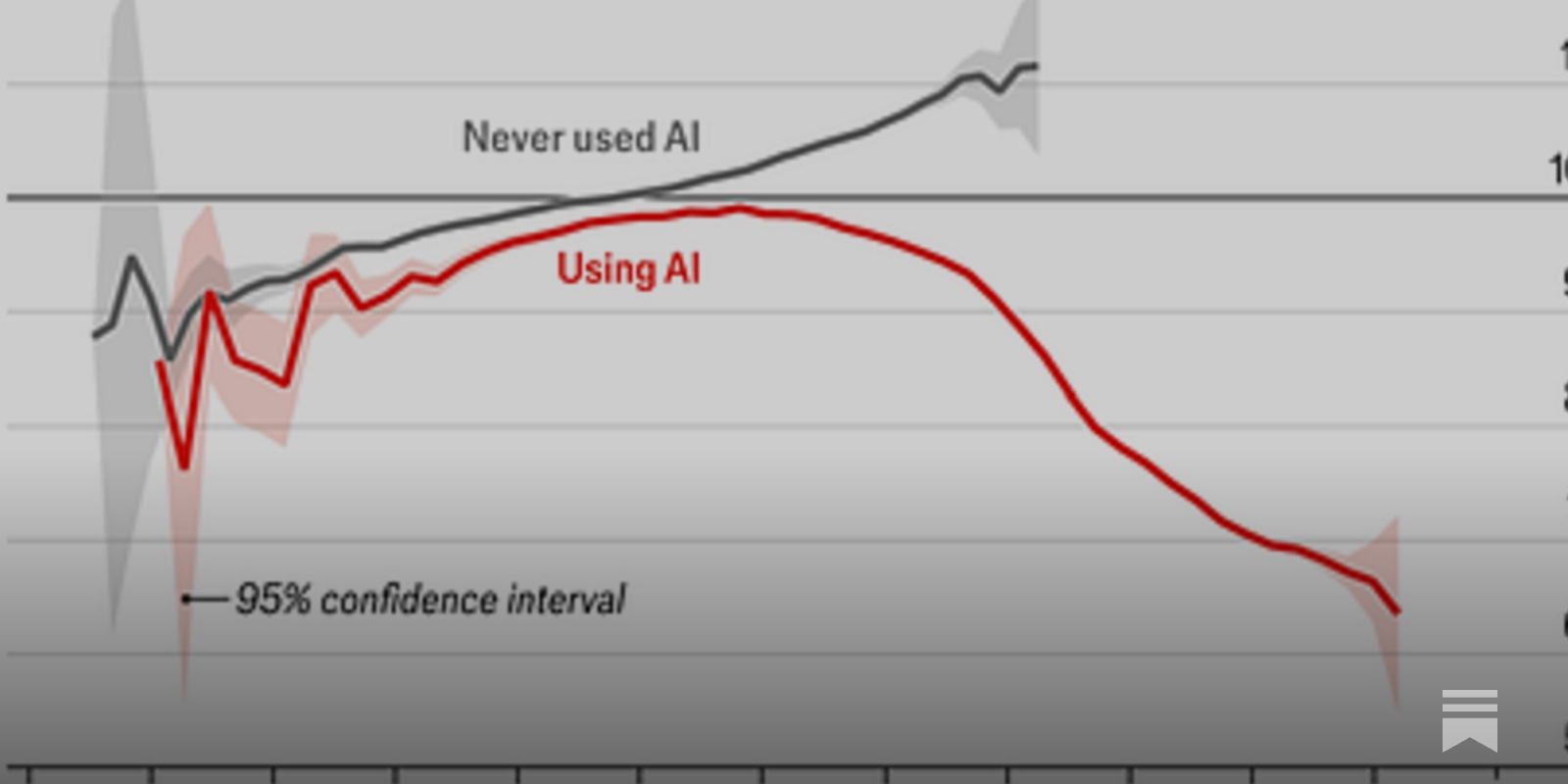
The 50 Percent Problem
Empirical evidence of the educational harm of generative AI
Will AI spark a scientific renaissance — or a diffuse monoculture?
Artificial intelligence’s ability to enrich science will depend not only on model capability, but also on whether researchers, reviewers and funders reward originality over speed.

Guest Post - The Perils of Using Generative AI to Perform Research Tasks: Editors’ and Publishers’ Viewpoints - The Scholarly Kitchen
Today's guest post offers a review of a panel of publishers and editors discussing the pros and cons of using Generative AI, along with ethical and policy implications.

70 years of AI hype
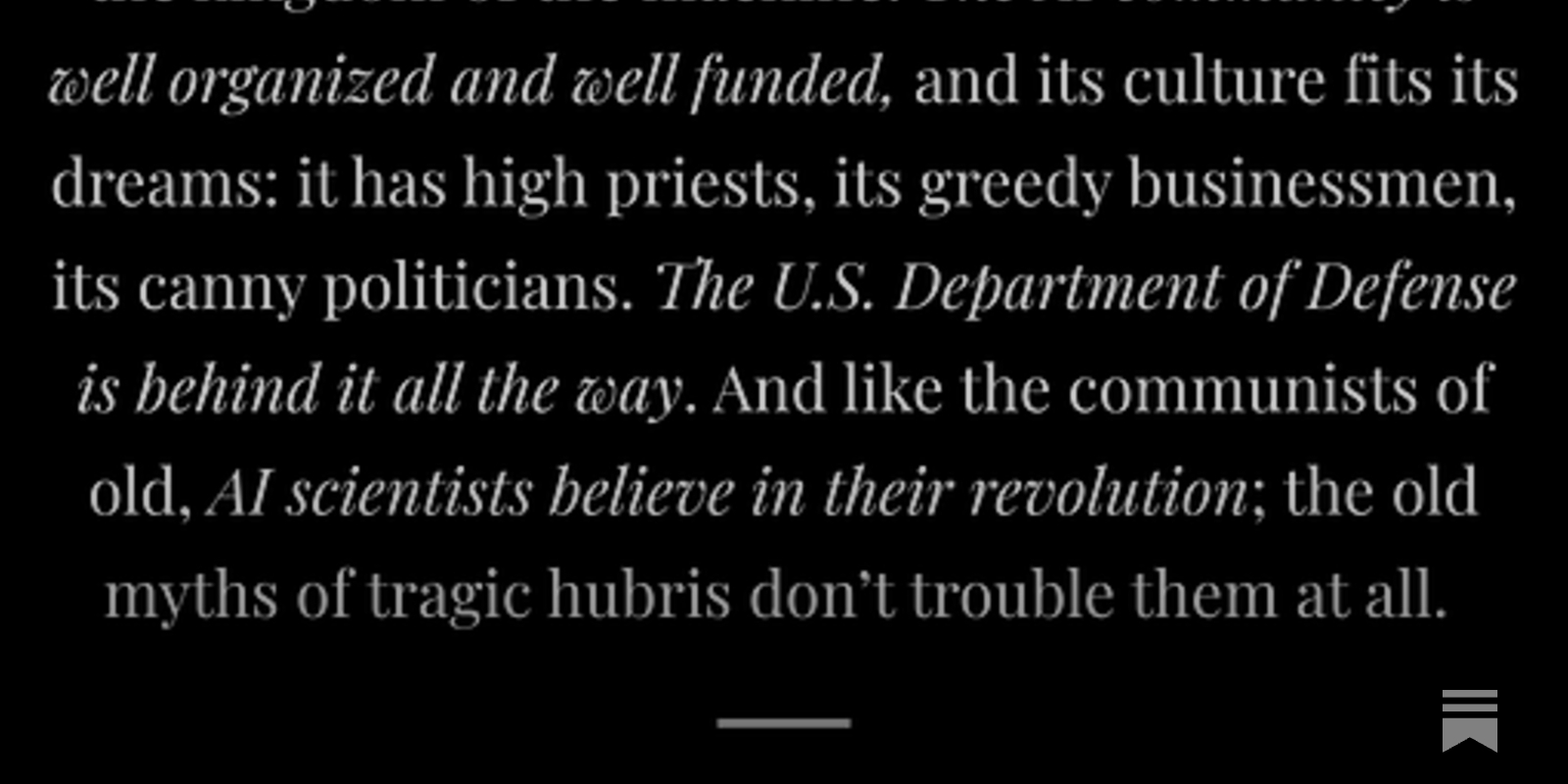
Quoting from Olivia Guest et al. (2025) "Against the Uncritical Adoption of AI Technologies in Academia."
NBER on Twitter / X
Nearly one-third of US STEM PhD students now write their dissertations with AI. Rarer at top programs, more common for non-native English speakers. AI users are more likely to enter industry, from @daniel_p_gross, @DShvadron, and @HansenZhang13 https://t.co/1M3LhTSbIa pic.twitter.com/ur0w0RENnx— NBER (@nberpubs) October 9, 2026

AI Is Quietly Changing Who Gets to Build Software
What If Universities No Longer Need Edtech Companies?