

Native Land is a resource to learn more about Indigenous territories, languages, lands, and ways of life. We welcome you to our site.
On whose land?
I am once again asking Canadian journalists to ask the most basic-ass question of on whose land will these be built? How is it that every other major industry must consider Indigenous rights but with tech it's like meh.

Download the Full Report — Passing the Message Stick
We pay respect to our Elders and acknowledge the Traditional Owners who’ve cared for country since time immemorial. Sovereignty over this land was never ceded - it always was, and always will be, Aboriginal land.
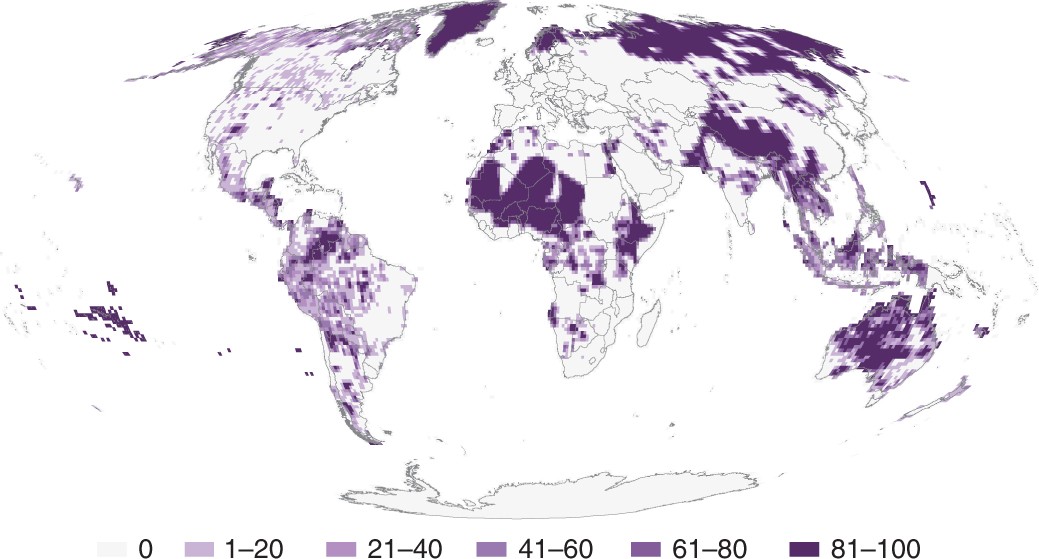
A spatial overview of the global importance of Indigenous lands for conservation
Understanding the scale, location and nature conservation values of the lands over which Indigenous Peoples exercise traditional rights is central to implementation of several global conservation and climate agreements. However, spatial information on Indigenous lands has never been aggregated globally. Here, using publicly available geospatial resources, we show that Indigenous Peoples manage or have tenure rights over at least ~38 million km2 in 87 countries or politically distinct areas on all inhabited continents. This represents over a quarter of the world’s land surface, and intersects about 40% of all terrestrial protected areas and ecologically intact landscapes (for example, boreal and tropical primary forests, savannas and marshes). Our results add to growing evidence that recognizing Indigenous Peoples’ rights to land, benefit sharing and institutions is essential to meeting local and global conservation goals. The geospatial analysis presented here indicates that collaborative partnerships involving conservation practitioners, Indigenous Peoples and governments would yield significant benefits for conservation of ecologically valuable landscapes, ecosystems and genes for future generations.
Home - Native Plants Finder
NOW AVAILABLE: Purchase native plants online from Garden for Wildlife Inc.,
Plant Native | NWF Native Plant Habitats
Learn why native plants are important for wildlife. Discover habitat essentials, sustainable practices, and ways to create a Certified Wildlife Habitat®.

Native Land Pod
Native American Heritage Month: Land and Seeking Justice
November is Native American Heritage Month, an important time to recognize and celebrate the contributions and resilience of Indigenous peoples.
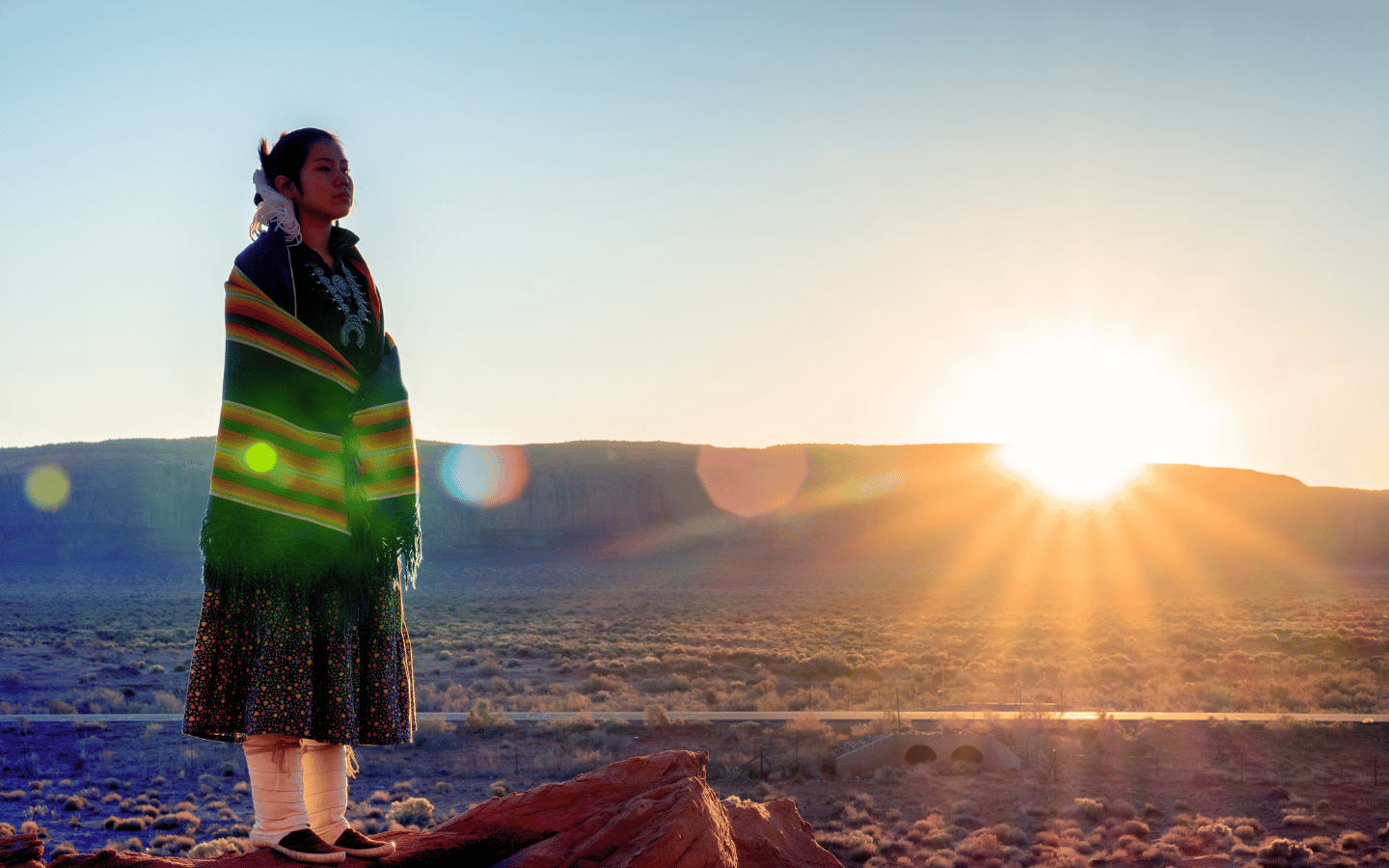
‘It is all about listening and sharing’: Indigenous solutions to the carbon divide
Deforestation rates are much lower on Indigenous land – and there is growing recognition that first peoples have vital role to play
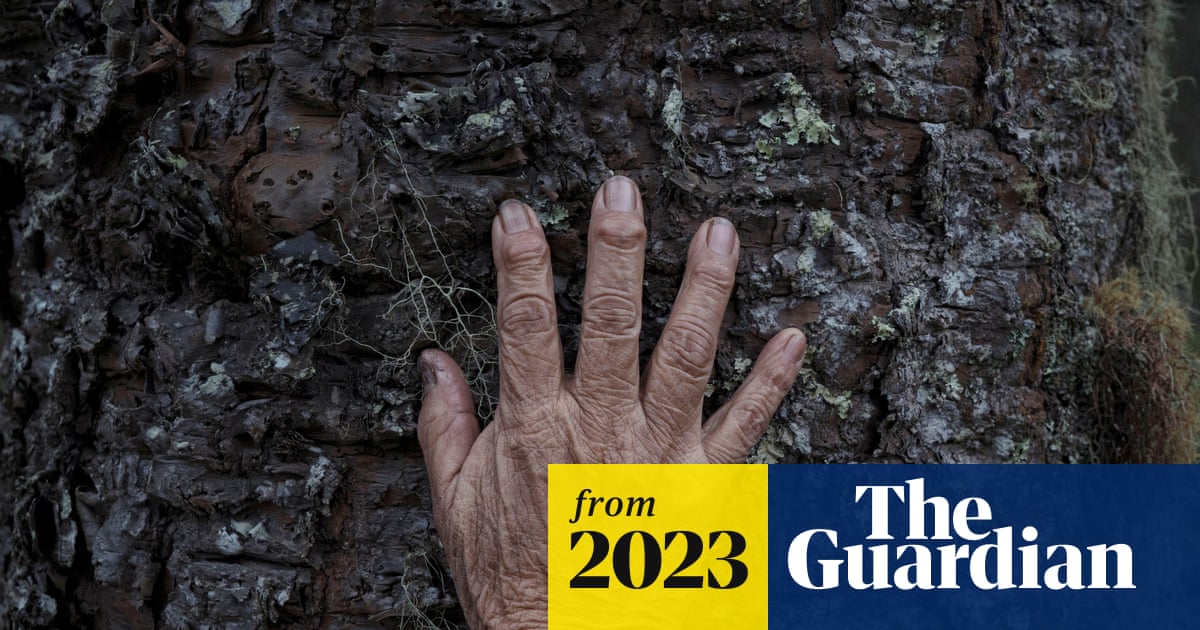
‘We can feel our ancestors’: one First Nation’s fight to save Canada’s old forests
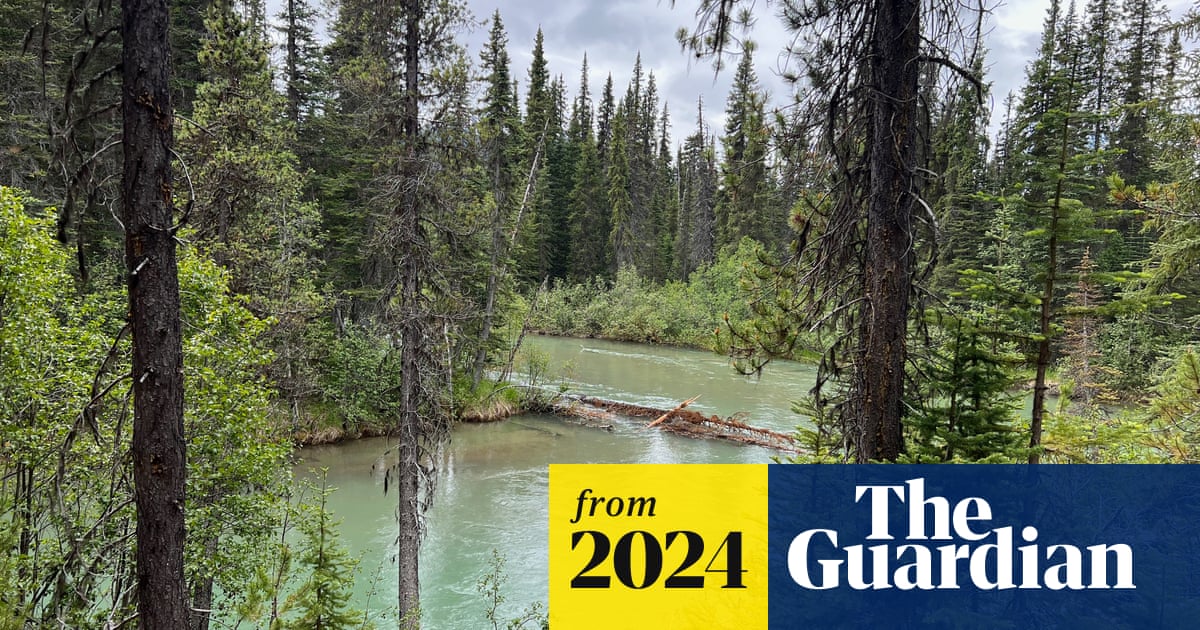
The Wet’suwet’en Nation never signed treaties with the Canadian or provincial governments, yet their land was leased to timber companies
Indigenous Data Sovereignty (DDN3-A11)
This article explores Indigenous data sovereignty, identifies some of the data-related challenges faced by Indigenous Peoples and highlights the work done to overcome these challenges.

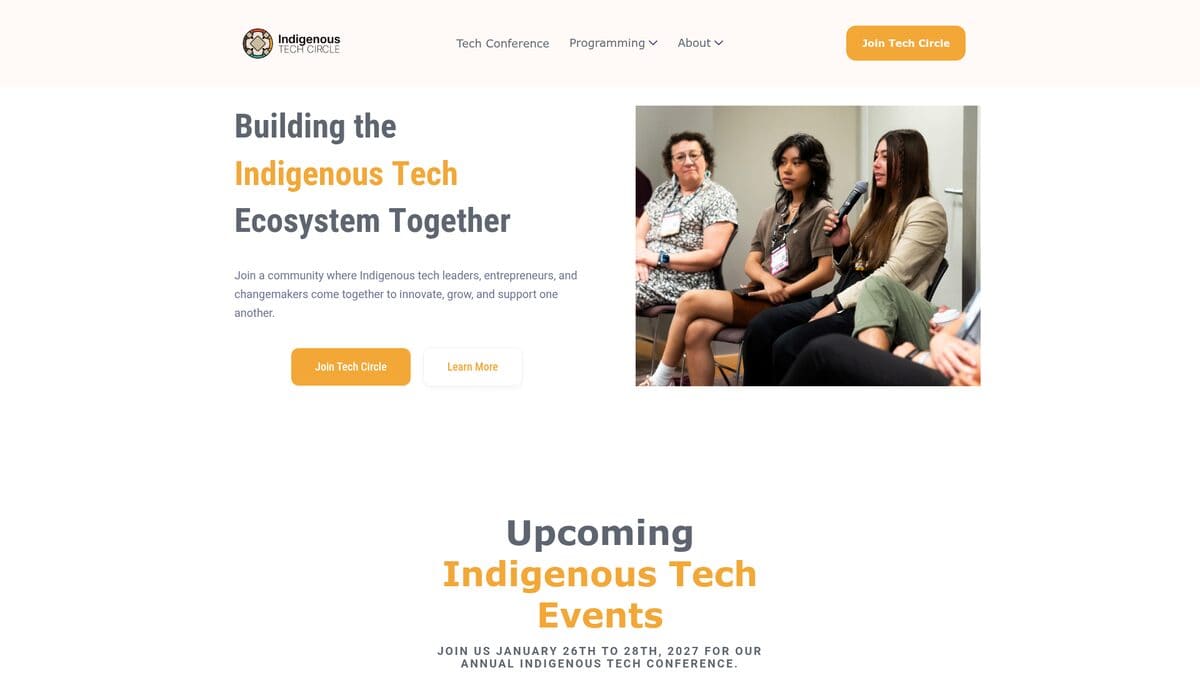
Indigenous Tech Circle | Indigenous-led Tech in Canada
Indigenous-led community connecting technologists, founders, investors, and changemakers across Canada — host of the largest Indigenous tech conference.
Guidelines for Indigenous-centred AI Design – Abundant Intelligences
The term ‘Indigenous’ is used as connective tissue rather than descriptive skin, to appreciate the hyperdense textures of our points of contact while respecting our rich and productive differences.The designation ‘v. 1’ is used to denote that this is only a first iteration and that we anticipate that these guidelines will be modified, adapted and updated as they circulate, to reflect the needs of specific Indigenous nations and communities.The purpose of these guidelines is to assist and guide the development of AI systems towards morally and socially desirable ends. Our focus is on the use and application of AI in Indigenous contexts. Yet we also believe these guidelines will be of use in other contexts, given that every implementation ofan AI system is a product and expression of cultural values. The goal of these guidelines is to promote intergenerational transmission of knowledge, ceremony, and practice, to connect and enhance our communities and to frame our relationships to the land, sea, and skyscapes. They are aimed at any person, group, organization, institute, company, and/or political or governmental representative that wishes to undertake responsible and fair development of AI systems with Indigenous communities. This responsibility includes, amongst other things, contributing to scientific or technological progress, projectIndigenous Protocol and Artificial Intelligence Workshops Position Paper 21 development, rules, regulations, codes and algorithm development, methodological approaches and public opinion.Although these guidelines are presented as a list, there is no hierarchy in its ordering. The first principle is no less important or weighted higher than the last.
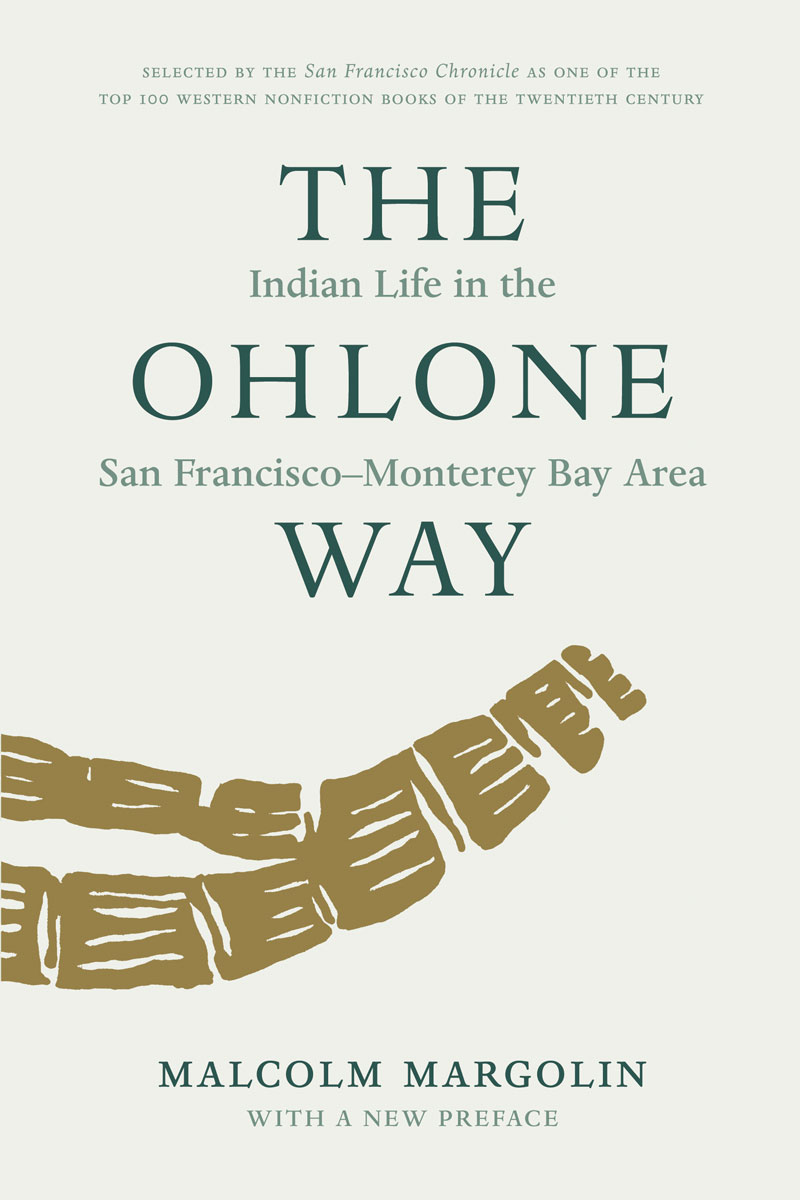
The Ohlone Way: Indian Life in the San Francisco-Monterey Bay Area by Malcolm Margolin
Two hundred years ago, herds of elk and antelope dotted the hills of the San Francisco–Monterey Bay area. Grizzly bears lumbered down to the creeks to
Supporting Indigenous Food Systems – Upland Agricultural Consulting
Upland Agricultural Consulting is committed to supporting First Nation, Métis, and Inuit Communities. We believe that investing in Indigenous communities leads to the success of British Columbia, and Canada. As Professional Agrologists, we want to see agriculturally-capable land being brought into full production. To meet that goal, we work alongside Indigenous leadership and staff to create agri-food suitability assessments based on the capacity of the land and the community and to meet the desired level of business development.

Guardians of the Earth: The essential role of Indigenous Peoples in the protection of natural resources - The Global Goals
For Indigenous Peoples, the land is not a resource to exploit, but a living being, a source of identity, spirituality and wellbeing.
