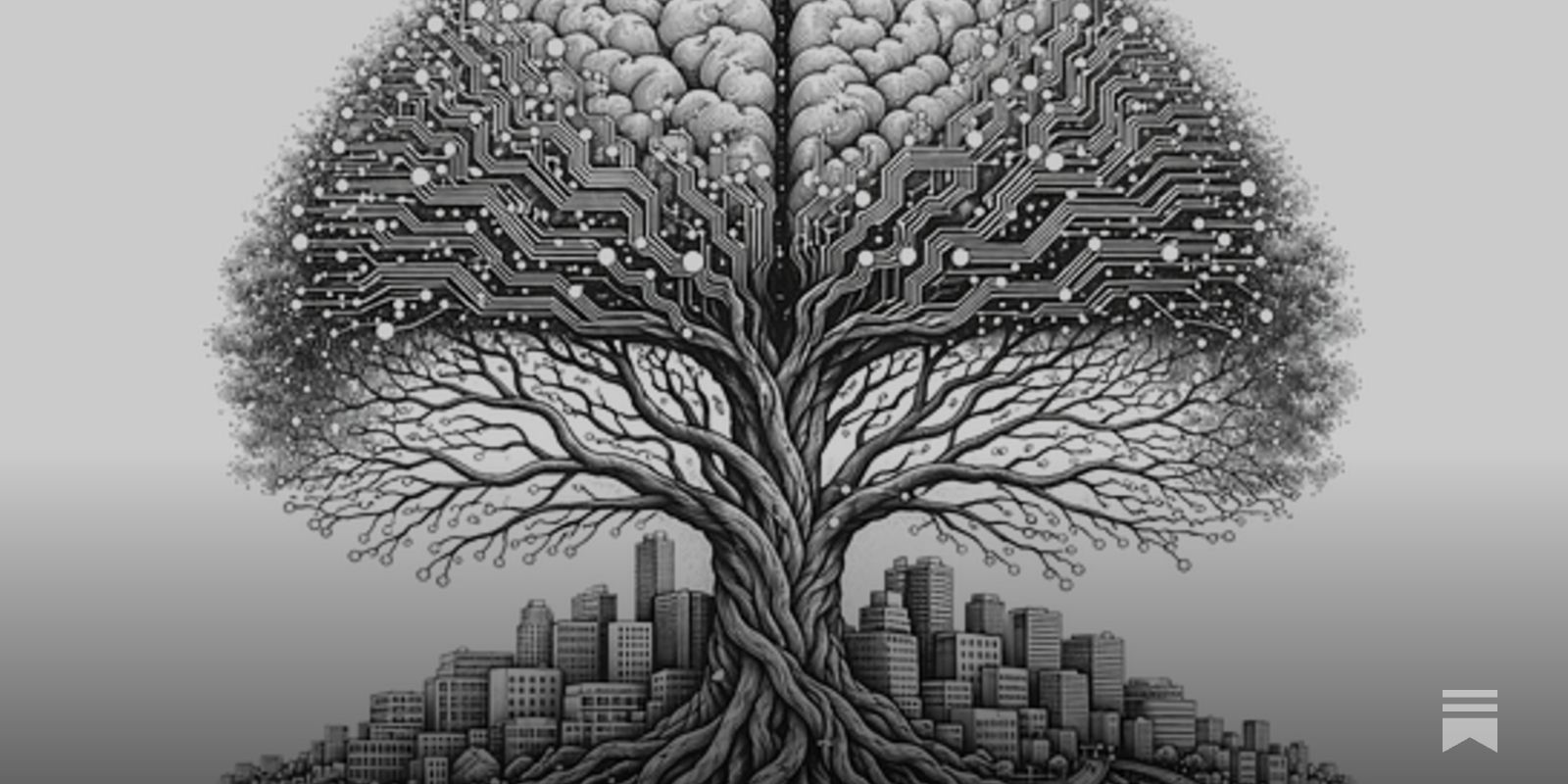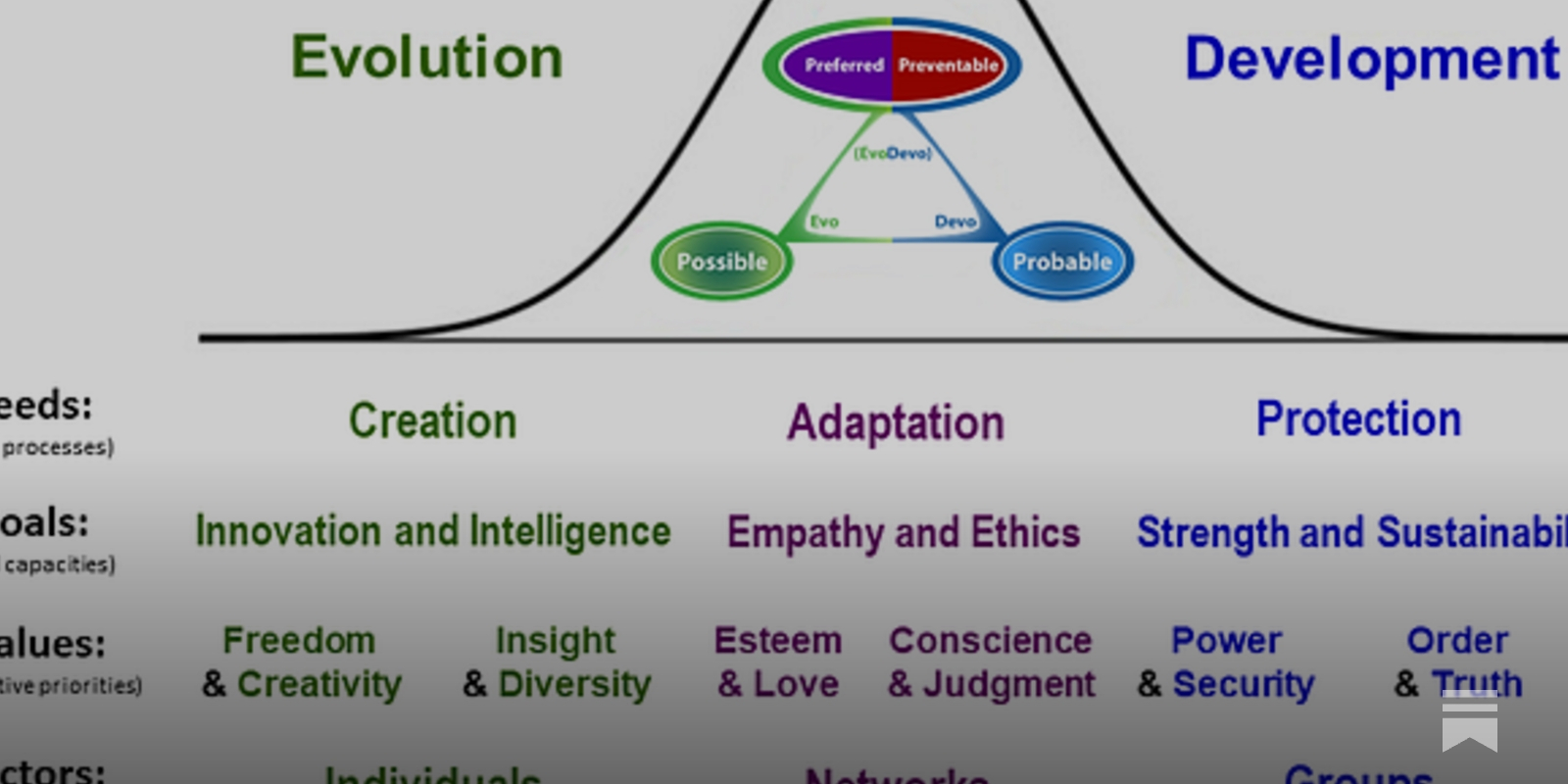
Building Ethical and Empathic AIs, PAIs, and Human-AI Teams. - Part 3 of an Introductory Series on Neuro- and Bio-Inspired AI Strategy
AI Ethics Class
AI, Ethics, and Society — Home
Natural Intelligence: Growing Emotional-Rational Minds
Evolving and Developing Intuitive, Emotional, Inferential, Deductive, and Healthy AI Minds - Part 2 of an Introductory Series of Four Posts

Friends with no previous interest in AI ethics have been asking me about it recently, so I want to share several underlying concepts about AI & power that are important to understand. 🧵 1/
Friends with no previous interest in AI ethics have been asking me about it recently, so I want to share several underlying concepts about AI & power that are important to understand. 🧵 1/— Rachel Thomas (@math_rachel) May 16, 2023
How Your Cheese-Powered Baby Trounces AI
An O.G. AI Researcher on How Being Social and Cultural Makes us Intelligent--and Whether Machines Can Ever Learn Empathy

AI & Ethics Workgroup | Lincoln Center for Applied Ethics
Artificial Intelligence (AI) is a term with an array of contingent and shifting meanings, unified only by a general aspiration to use mathematical computation to emulate human cognition, language and problem-solving. Rather than a technical term, “AI” can be thought of as a sociotechnical system and assemblage, consisting of technical objects and social imaginaries, practices and ideologies. How we characterize and conceptualize AI shapes how, why and when we use it and when we may constrain or refuse its use. This paper provides a primer on various technologies that often fall under the rubric of “AI” and outlines the various discursive and cultural meanings carried by the term.
UNESCO AI Ethics "Recommendation" – Let's do this!
artificial and natural intelligence, including politics, policy, ethics and security

Artificial Intelligence - AI Ethics - AIethicist.org Bookshop
The books recommended here (and in www.AIethicist.org) cover topics of AI ethics, big data & social impact, biased algorithms, privacy, lack of regulation or ethics around automated decision making.There are also books that provide background on what cause these areas (and hence the data) to be historically unequal and what are the root causes of social and structural injustices in these areas - like policing, mass incarceration, welfare, housing, financial markets, communication, just to name a few.

The tech industry hijacking of the AI ethics research agenda and why we should reclaim it
This paper reflects on the tech industry’s colonization of the AI ethics research field and addresses conflicts of interest in public policymaking concerning AI. The AI ethics research community faces two intertwined challenges: In the first place, we have a tech industry heavily influencing the AI ethics research agenda. Secondly, cleaning up after the tech industry has implied that we have turned to value-driven design methods to bring ethics to AI design. But by framing research questions relevant to a technical practice, we have facilitated the technological solutionism behind the tech industry’s business model. Therefore, this paper takes the first steps to reshape the AI ethics research agenda by suggesting moving toward an emancipatory framework that brings politics to design while, at the same time, bearing in mind that AI is not to be treated as an inevitability. As a research community, we must focus on the repressive power dynamics exacerbated by AI and address challenges facing the vulnerable groups seldom heard, despite the fact that they are the ones most negatively affected by AI initiatives.

AI: A Guide for Thinking Humans | Melanie Mitchell | Substack
I write about interesting new developments in AI. Click to read AI: A Guide for Thinking Humans, by Melanie Mitchell, a Substack publication with tens of thousands of subscribers.
Introducing ‘Designing responsibly with AI’
Part 1 of a series to help design teams understand the ethical challenges when working with AI and have better control over the possible…

Relational AI: Designing Agents for Human Systems
A framework for AI agents navigating the messy reality of human meaning, trust, and attention

2026 Cosmos HAI Lab Lecture with Jack Clark, Co-founder of Anthropic
[Keynote 01] A Theory of Appropriateness: Social Norms for Humans and AIs
Natural Security: Defensive and Sustainable Intelligence
Building Strong, Safe, and Secure Machines and Human-Machine Teams. - Part 4 of an Introductory Series

Natural Alignment: The Biomimicry Future of AI
Learning from Nature to Grow Smarter, Safer, Wiser AI. - A Newsletter by John M. Smart. Part 1 of 4 in a Founding Series of Posts.