

Why the kinship between artificial intelligence and the human mind is terrifying.
How Your Cheese-Powered Baby Trounces AI
An O.G. AI Researcher on How Being Social and Cultural Makes us Intelligent--and Whether Machines Can Ever Learn Empathy
AI is An Ideology, Not A Technology
At its core, "artificial intelligence" is a perilous belief that fails to recognize the agency of humans.
The stupidity of AI
The long read: Artificial intelligence in its current form is based on the wholesale appropriation of existing culture, and the notion that it is actually intelligent could be actively dangerous
My Thoughts on AI, Part 1: Fears, Opinions, and Mental Journey
My own personal thoughts and opinions on AI effects and usage, and how those have evolved over time

Humans can coexist with AI. Here’s how.
Some advice for people who are anxious, skeptical — or hoping AI just goes away.

Machine god metaphors eat your brain
There are other ways of thinking about AI
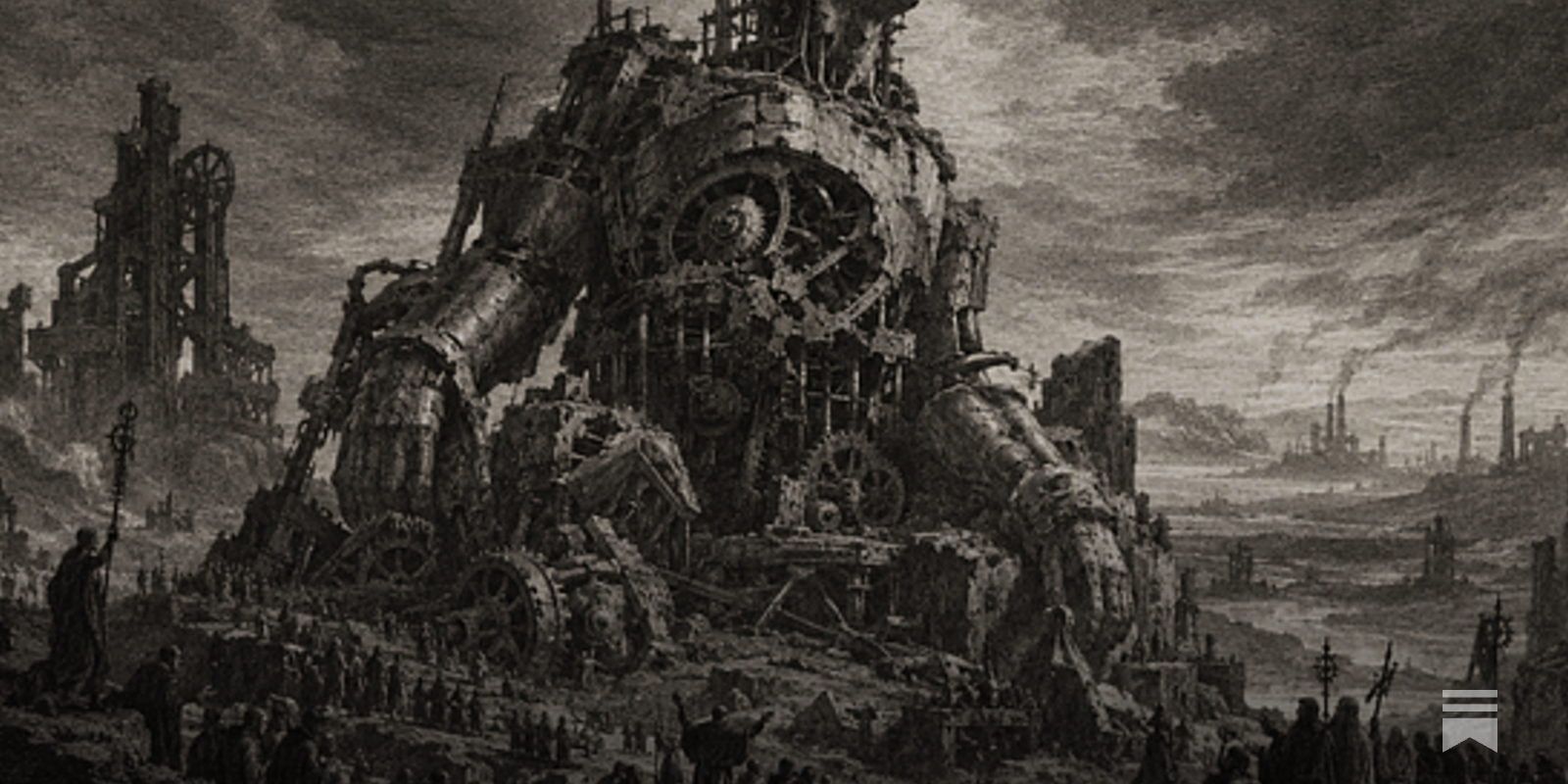
Our minds aren’t equipped to handle AI
AI is junk food for the mind: easy, tempting and ultimately very bad for you.

The Impact of Artificial Intelligence on Human Thought
This research paper examines, from a multidimensional perspective (cognitive, social, ethical, and philosophical), how AI is transforming human thought. It highlights a cognitive offloading effect: the externalization of mental functions to AI can reduce intellectual engagement and weaken critical thinking. On the social level, algorithmic personalization creates filter bubbles that limit the diversity of opinions and can lead to the homogenization of thought and polarization. This research also describes the mechanisms of algorithmic manipulation (exploitation of cognitive biases, automated disinformation, etc.) that amplify AI's power of influence. Finally, the question of potential artificial consciousness is discussed, along with its ethical implications. The report as a whole underscores the risks that AI poses to human intellectual autonomy and creativity, while proposing avenues (education, transparency, governance) to align AI development with the interests of humanity.

Misleading Metaphors, Real Risks
What To Fear from AI Agents and How to Reclaim Our Human Agency

Nassim Nicholas Taleb on Twitter / X
The problem isn’t that AI is intelligent. It isn’t. The problem is that too many adults (but not all) are at once mechanistic, imitative, unimaginative, stupid, formulaic, influenceable, & gullible, arrogant beyond their skill set, & too expensive to maintain.— Nassim Nicholas Taleb (@nntaleb) October 24, 2026
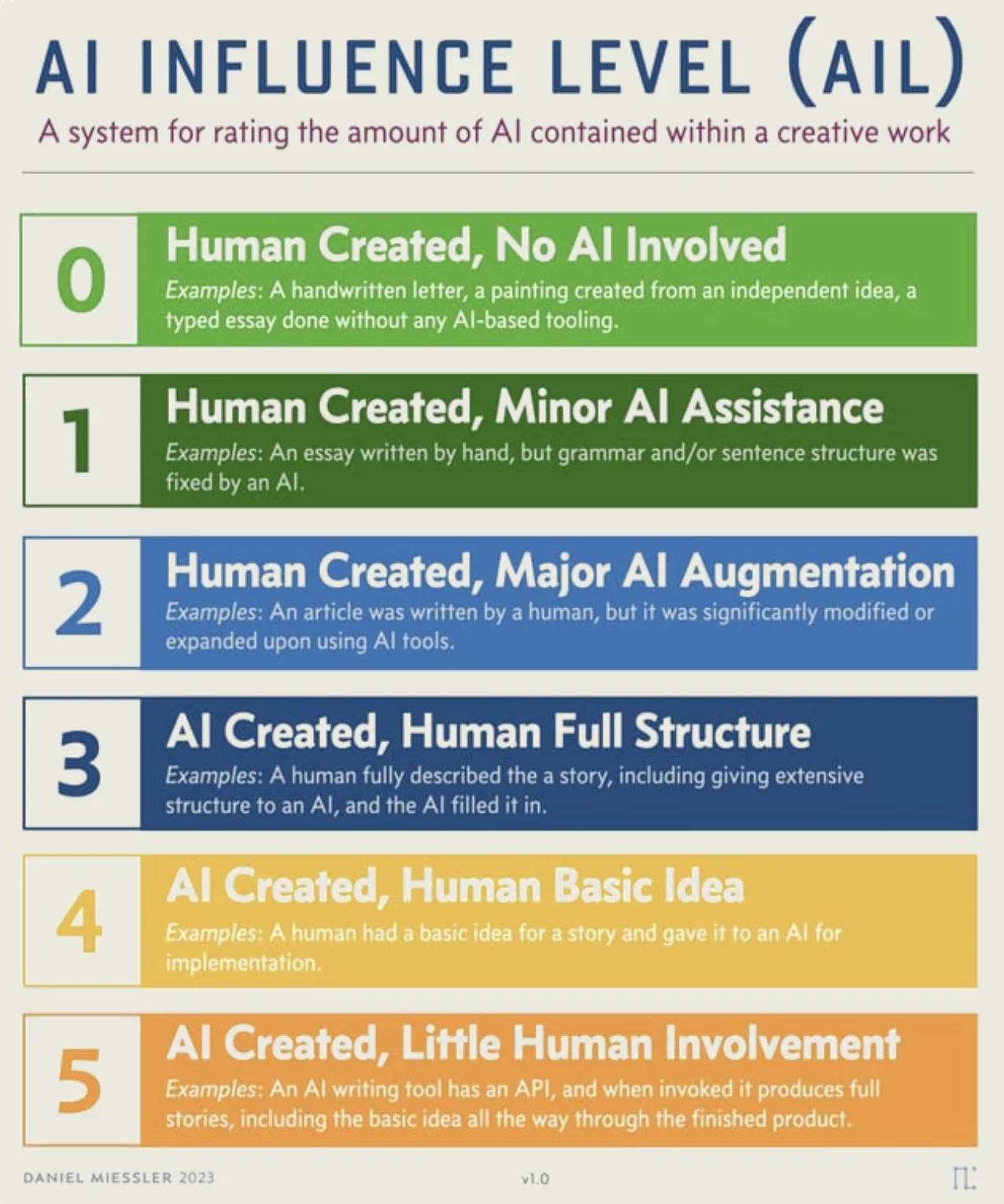
AI Influence Level (AIL) v1.0
Humans care who created things. Especially art. They especially care when the origin is in question, and more again when the origin might not be human. AI is yi
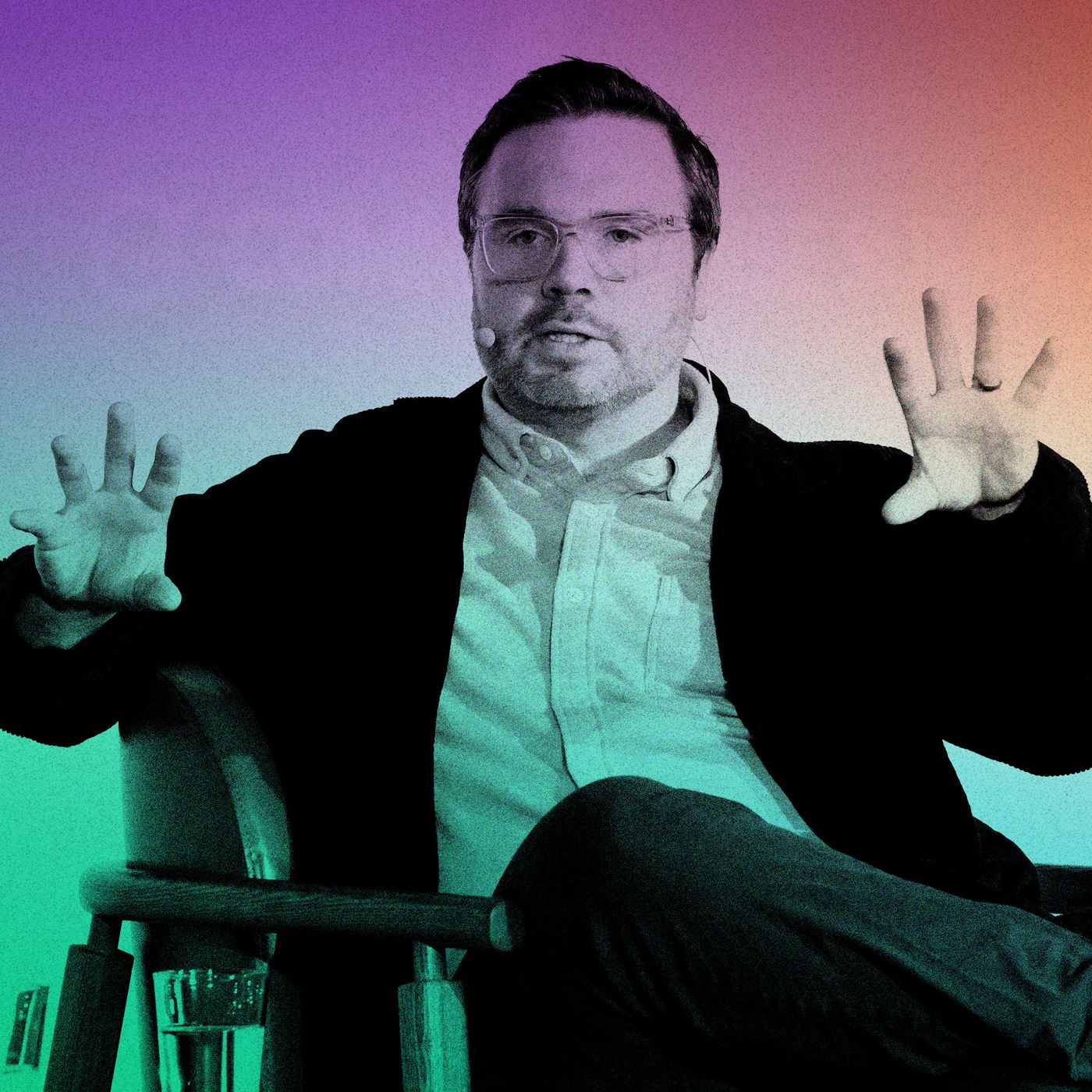
‘I Don’t Think We’re All F***ed Anymore’
Kevin Roose’s new book explores the terrifying implications of AI, but he’s feeling a bit more sanguine these days.
The Age of Wonders and Terrors
Twenty years ago, when the idea of AI taking over the world in our lifetimes still struck most of us as the unconstrained fantasy of those who knew too much science fiction and too little science, …

AI Changes Everything
From fear to optimism: why I am convinced AI is worth embracing.

Study: Sycophantic AI can undermine human judgment
Subjects who interacted with AI tools were more likely to think they were right, less likely to resolve conflicts.
