


Kevin Kwok has a schtick about how friend groups underinvest in themselves. A group of people with high mutual trust, shared interests, and low coordination costs have already solved for many of the issues that otherwise prevent humans from accomplishing great things.
You have more ways to connect than ever, but deep friendship feels hard to find – here’s how to build better connections
Despite being more connected than any previous generation, many young people report struggling to build friendships that provide a genuine sense of closeness.

Making Uncommon Knowledge Common - kwokchain
The Rich Barton Playbook for winning markets through Data Content Loops Preface: This is part of a longer private memo analyzing Zillow and its recent shift towards Opendoor’s model. May publish rest of memo at some later point. But wanted to share first part, on Rich Barton and Zillow’s initial rise. Have had many recent … Continue reading Making Uncommon Knowledge Common →

Private Equity Is Starting to Share With Workers, Without Taking a Financial Hit (Published 2024)
The buyout giant KKR pioneered a model of granting ownership stakes to employees at portfolio companies. Now it wants the approach to spread.

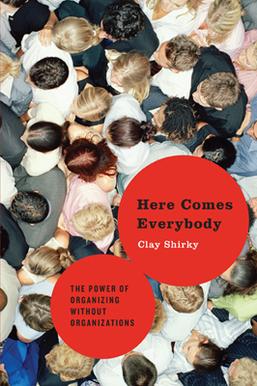
Here Comes Everybody (book)
Here Comes Everybody: The Power of Organizing Without Organizations is a book by Clay Shirky published by Penguin Press in 2008 on the effect of the Internet on modern group dynamics and organization. The author considers examples such as Wikipedia, MySpace, and other social media in his analysis. According to Shirky, the book is about "what happens when people are given the tools to do things together, without needing traditional organizational structures". The title of the work alludes to HCE, a recurring and central figure in James Joyce's Finnegans Wake and considers the impacts of self-organizing movements on culture, politics, and business.
The Science of Making Friends
Starting in early adulthood, our number of friends starts to decrease steadily; there are ways to reverse the tide, writes Elizabeth Bernstein.

The Power of Positive People (Published 2018)
Are your friendships giving you a boost or bringing you down?

Young people five times more likely to have no friends than a decade ago | IPPR
The number of young people with no close friends has increased five-fold since 2014Gen Z are more isolated, more distressed and less productive than previo


Rudy Fraser on Blacksky, Mutual Aid & Reclaiming Social Media
Breaking Cliques at Events: The Snowball Rule
I’ve been going to professional events for a number of years, and one of the trickiest dynamics I have seen is that most events develop an “insiders” group who has been going for a long time. These...

What Google Learned From Its Quest to Build the Perfect Team (Published 2016)
New research reveals surprising truths about why some work groups thrive and others falter.

Building for Organizers - The People Layer
The most enduring social networks aren’t the prettiest or the most addictive – it’s the ones that empower organizers.
Why Your Social Capital is Probably Worthless
In 1973, sociologist Mark Granovetter published one of the most influential papers in social network theory. "The Strength of Weak Ties" demonstrated something counterintuitive: when it comes to finding jobs and opportunities, your casual acquaintances are often more valuable than your close friends. This makes perfect sense when you think

