


Tools for better thinking
Collection of thinking tools and frameworks to help you solve problems, make decisions and understand systems.
Loop Engineering | AddyOsmani.com
You don't really need to be good at prompting anymore. The thing to get good at is the loop that does the prompting for you. It's five building blocks plus s...
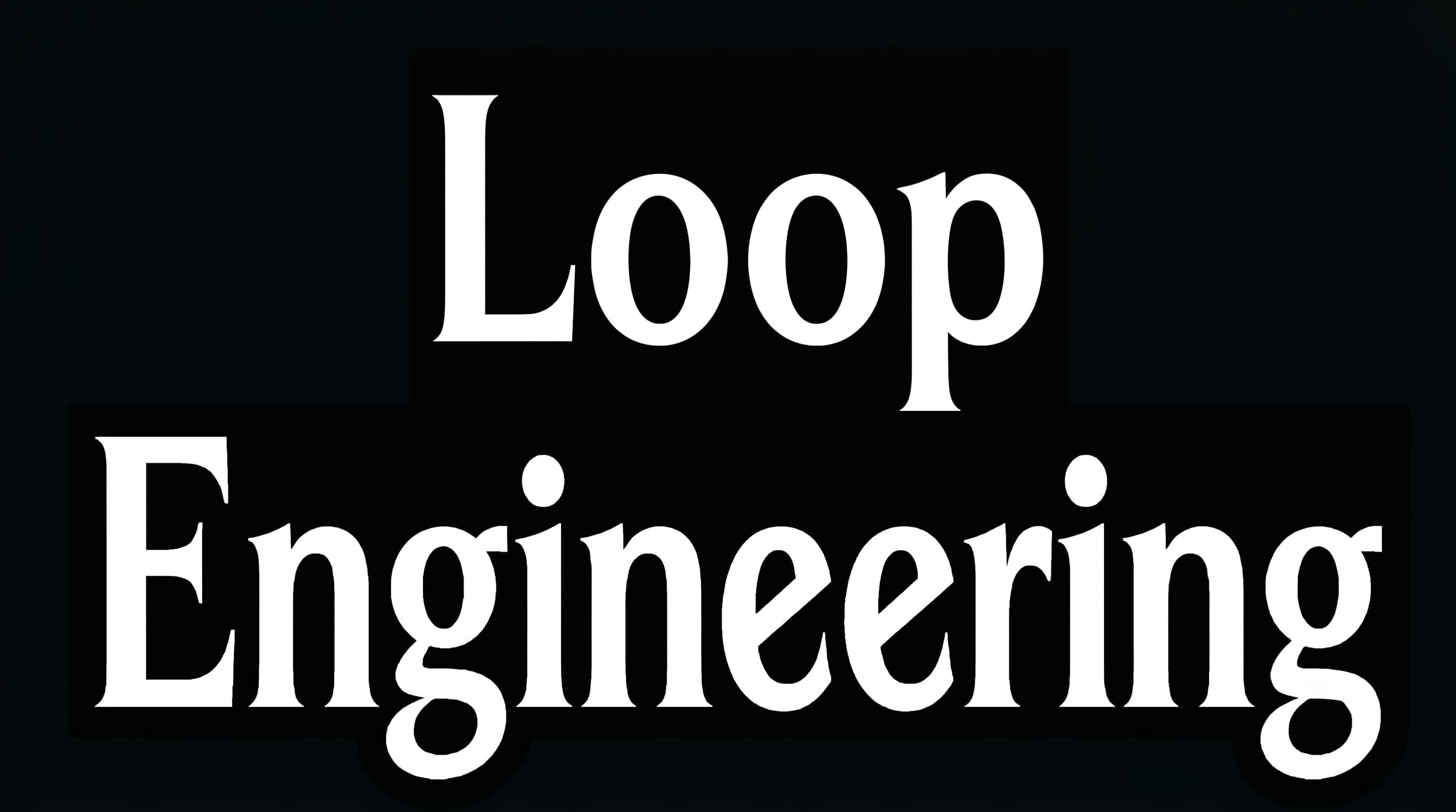
Tools for thought in your OODA loop
The unreasonable effectiveness of getting oriented
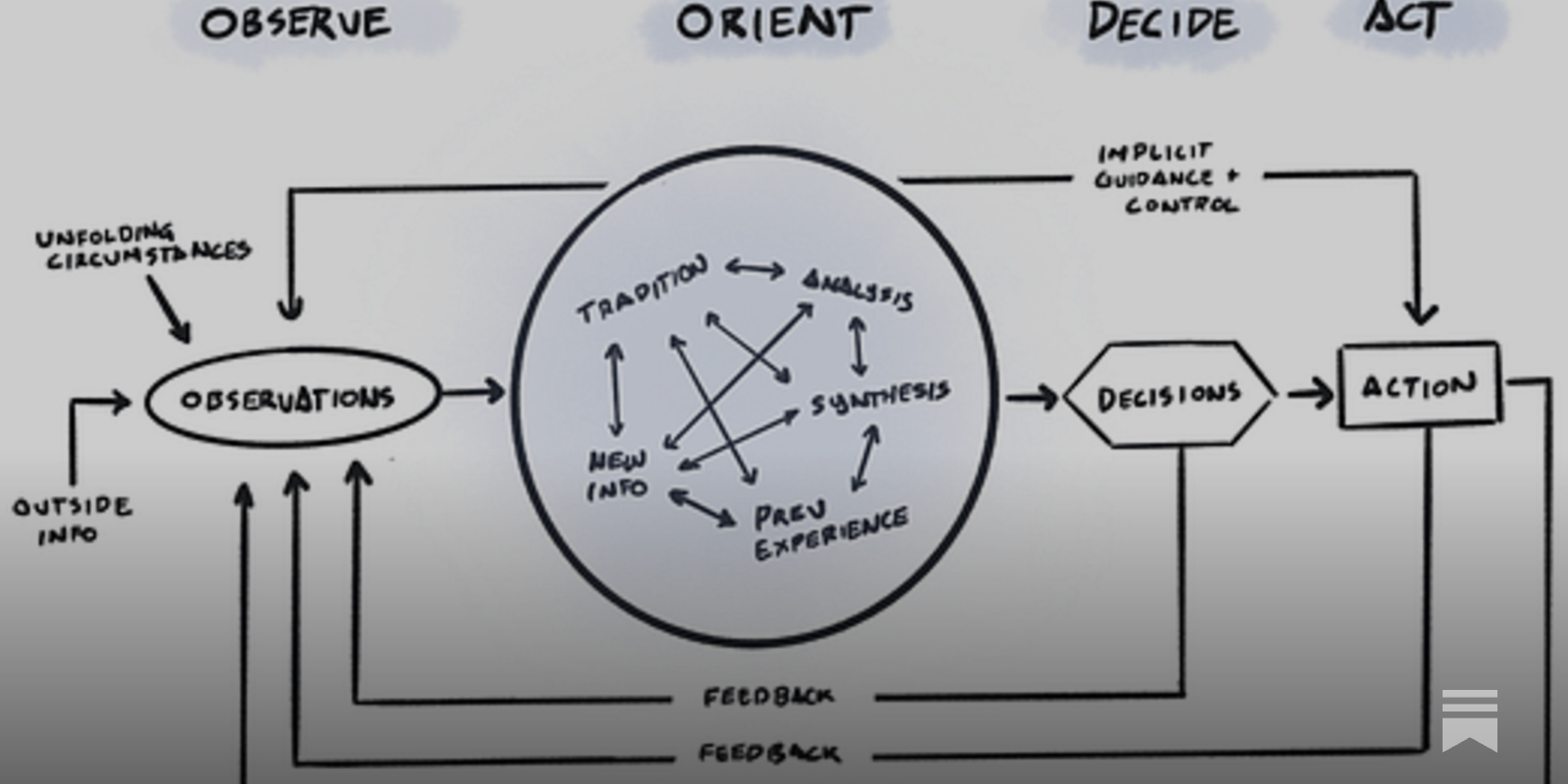
Knowing When to Stop: The Art of Making a Loop Converge | Andreessen Horowitz
The systems that matter will not be the ones that can keep going. They all can.

Thinking with Sand: A Talk Series Exploring New Software Tools for Creative Exploration and Augmented Thinking At the MIT Media Lab
Thinking Frameworks | 2021
Sharing out the best meta-thinking tools I’ve learned this year

[AINews] Loopcraft: The Art of Stacking Loops
a quiet day lets us highlight a great concept from Peter Steinberger, Boris Cherny, and Andrej Karpathy
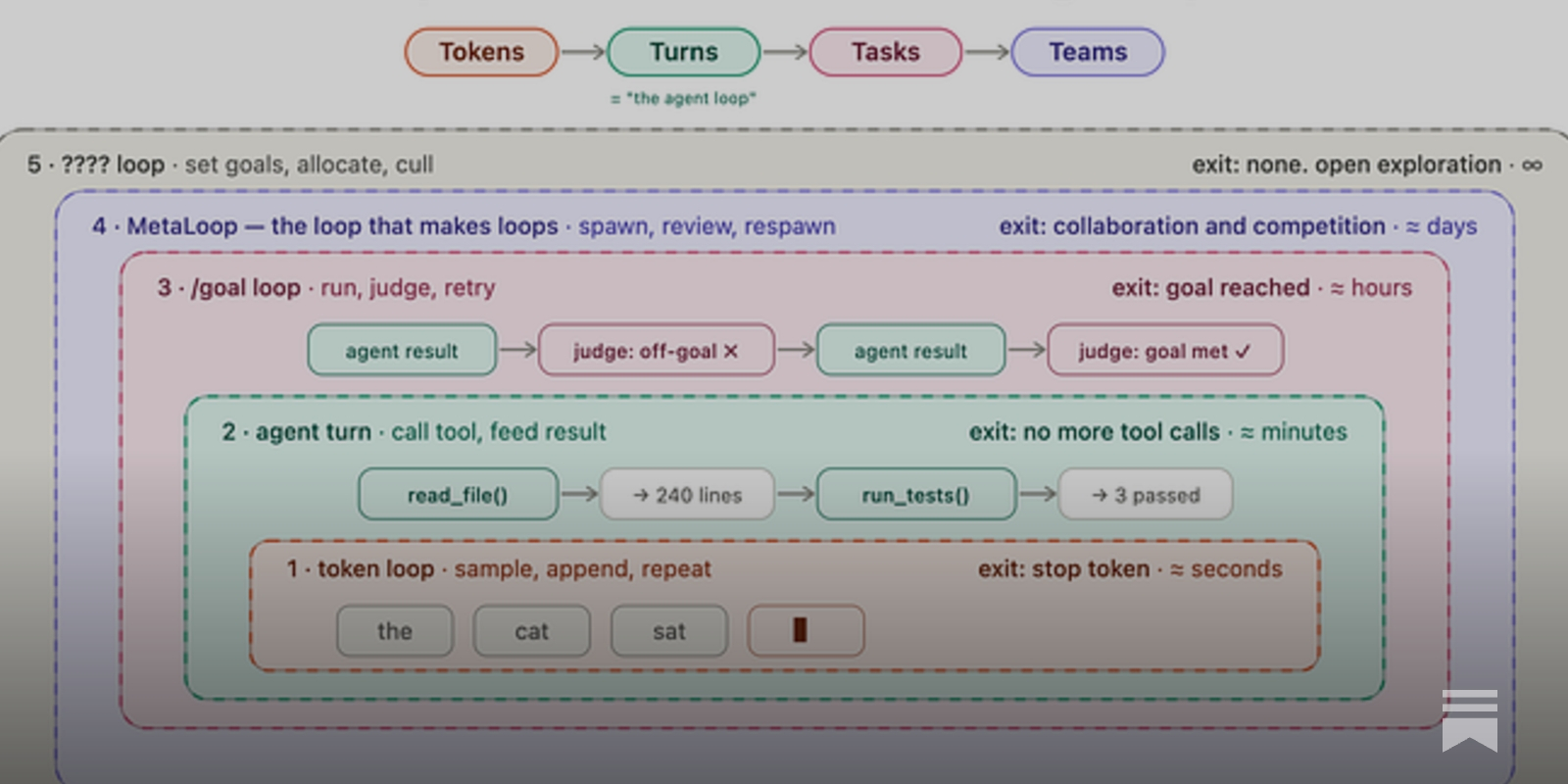
What is “loop engineering?”
There’s talk about loop engineering, but what is it exactly? I looked into it, and found triggers, cron jobs, AI slop & more. Is it a “here today, gone tomorrow” trend?
Summary: Thinking in Systems (by Donella H. Meadows)
The main argument of the book: Everything in this world is made of systems. While we cannot fully understand systems, we can observe them…
Tree-sitter - a new parsing system for programming tools - Strange Loop
Strange Loop is a conference for software developers covering programming langs, databases, distributed systems, security, machine learning, creativity, and more!

nobody should type code by hand anymore. here's what's left.
Josh Wulf and I talked loop engineering for four episodes. The models stopped being the constraint a long time ago; what's left is vision, verification and agency. Delete your skill packs, put the whole system under test, and revisit everything that used to be hard.

Tinkered Thinking
Daily, snackable writings to spur changes in thinking.Building a blueprint for a better brain by tinkering with the code.
Why we're bullish on loops
WTF are loops, why is everyone arguing about them, and why do they actually matter?

The Illusion of Thinking: Understanding the Strengths and Limitations of Reasoning Models via the Lens of Problem Complexity
Recent generations of frontier language models have introduced Large Reasoning Models (LRMs) that generate detailed thinking processes…
(iterate think thoughts): Painting with Gaussians
Dmitri's blog about programming, Clojure, and software development