Where there’s a desert, that changes everything, as if earth hadn’t wanted to fill only her own need.
Neom
Locus Award Nominee 2023 Dragon Award Nominee 2023 Seiun Award Nominee 2025 Machines roam the desert in search of purpose; works of art can be deadlier than weapons, and improbable love transcends …

Anaïs Kugel’s portraits are unmistakably from the female gaze
The Paris-based photographer has made a visual world that weaves together themes of identity, intimacy and femininity.

What Art Does: An Unfinished Theory
Why do we need art? What Art Does is an invitation to e…

Worlding Raga: 4 - Who Worlds?
So far we’ve been discussing Worlding as an art . One that an individual creator can engage in on their own. As Venkat suggested , we are already living in an…
Five Manifestos for the Beautiful World: The Alchemy Lecture 2023
The Alchemy Lecture 2023
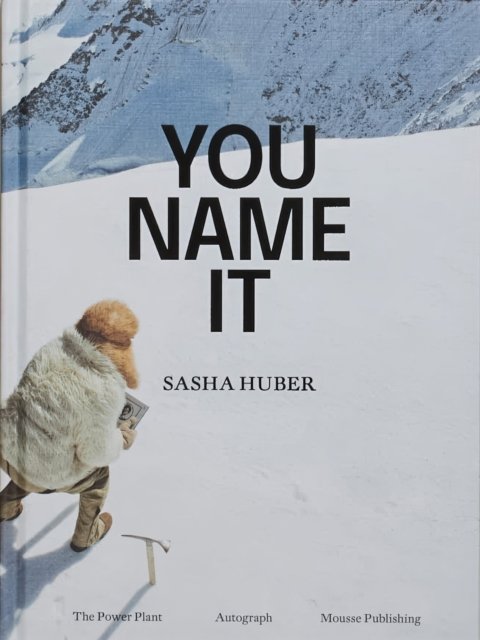
YOU NAME IT
Check out YOU NAME IT - This comprehensive publication focuses on the artwork and activism of Sasha Huber. A Helsinki-based visual artist and researcher of Swiss and Haitian heritage, Huber’s creative practice encompasses performance, photography, film, mixed media, reparative interventions, and collaborations to investigate colonial residues left in the environment. Her projects conceive of natural spaces—mountains, lakes, glaciers, forests, and craters—as contested territories, highlighting the ways in which history is imprinted onto the landscape through acts of remembrance, including memorialization through naming and the erection of monuments. For over a decade, Huber has produced work in relation to the cultural and political Demounting Louis Agassiz campaign, which seeks to redress the racist legacy of the Swiss-born naturalist and glaciologist. With her artworks, Huber challenges the terms by which we remember, asking not only who and what we memorialize, but also, and more importantly, how we do so. by Huber, Sasha on Bookshop.org UK!

The Great Season — 13FOREST Gallery
On Friday, January 24, 13FOREST Gallery will open The Great Season, an exhibition of new and recent acrylic work by painter Nicole Duennebier. Dark and sumptuous, The Great Season highlights a fantastical six-panel painting that associates the random beauty of nature with an elaborate 19th-century parlor game. Set against black backgrounds, Duennebier’s complex forms strongly refer to Baroque still-life paintings in which fruits and vegetables simultaneously emerge and pass into different stages of maturity. A key difference in Duennebier’s work is that, rather than render images of everyday objects, she bases them on her fascination with biology, particularly bacteria, fungi and other objects hidden from view. Referring to her use of darkness, the artist states that her inky backgrounds are “like a primordial soup, a pool of black that springs forth a decadent and sometimes horrible growth.” Each of the paintings in the show is associated with lush proliferation. In Bright Beast After Nature, for instance, a black background gives rise to a nebula of unfolding, biomorphic forms that seem to divide and overtake one another. Painted in thin, translucent layers, the work suggests a still life captured in only one of many stages it will eventually pass through. With Bright Beast Dissected View Duennebier gives an equally fantastic image of the engine behind such proliferation. Similar to vivisections seen in science textbooks, the painting shows the surface of a soft, woolly plant and the interior, biological source of its existence. In content the “engine” plays with the idea of a still life, but one made of flowers, vegetables and animal viscera. Duennebier’s centerpiece in The Great Season is a vast, six-panel painting titled, Hydnellum Myriorama. Its title refers to a type of fungus found in nature and to a Victorian card game – myriorama – in which children could arrange a series of illustrated cards to form hundreds of different landscapes. In Duennebier’s six panels are hybrid images that resemble Baroque still lifes, coral, fur, crystals and close-ups of microscopic fauna. Each of the forms emerges from nothing and stands bathed in a common light source. Despite the panels’ differing environments, Duennebier negates their importance by enabling viewers to arrange the panels into aesthetic experiences of their own choice. With Hydenellum Myriorama, the random potential of generation and decline in nature is given its parallel in art. Of her own work Duennebier states: “My interests in natural phenomenon (dermoid cysts, fungus, invasive flora/fauna) and my love of candied Old Master opulence always seem to be present in my painting… Painting with attention to detail, I’ve become accustomed to the fact that nature in itself, or anything living really, never totally allows you to have a perfectly idealized experience. Everything is always spewing, dripping, rotting a little.”

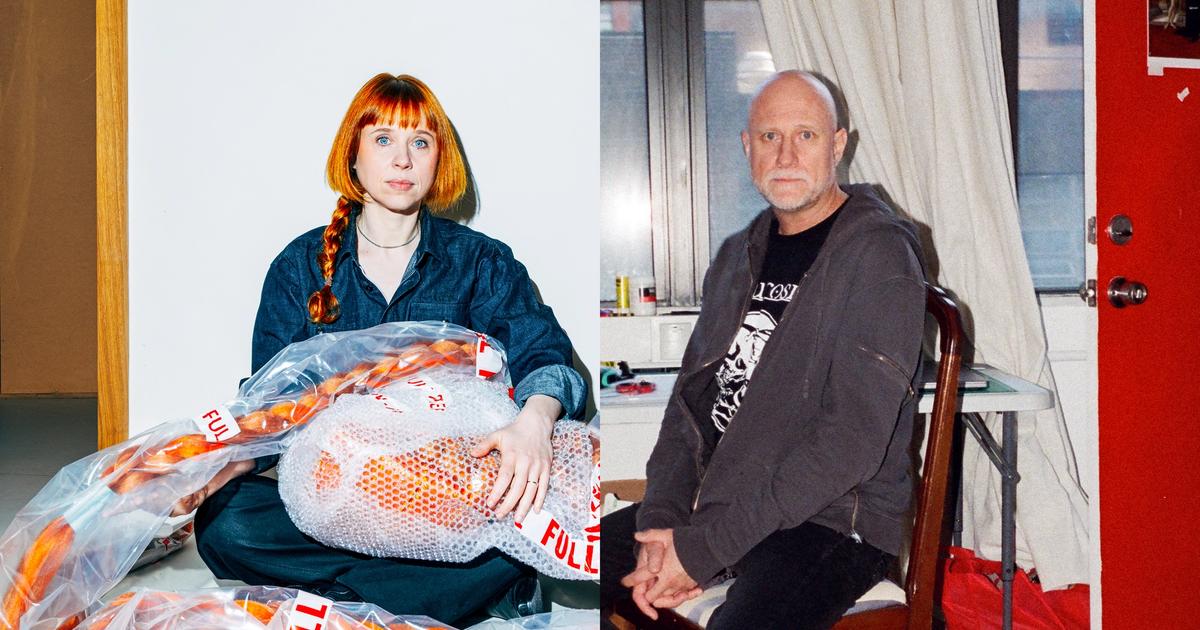
Trevor Paglen and Holly Herndon on Making Art with AI and What the Discourse Is Missing
The artists talk process, slop, and why optimism and pessimism don’t quite cover it.
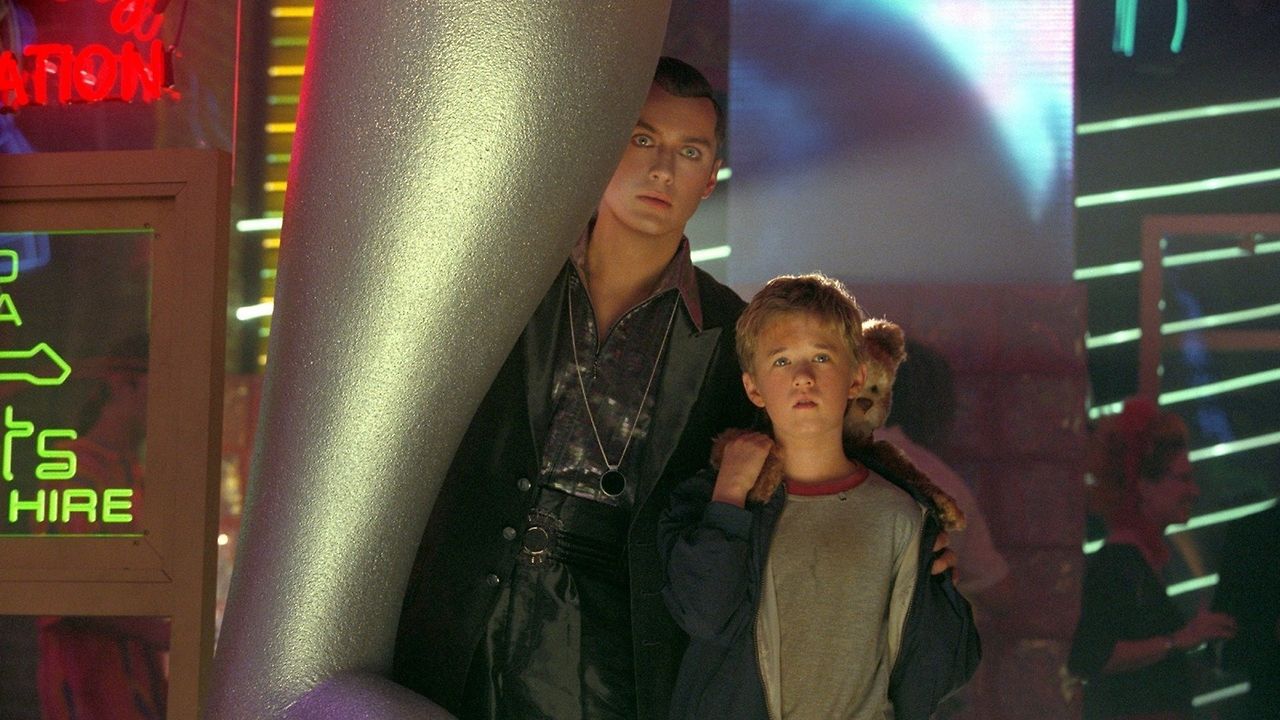
No Substitute for the Soul: 25 years of Steven Spielberg’s emotional sci-fi A.I. Artificial Intelligence • Journal
To mark 25 years of Steven Spielberg’s soulful sci-fi A.I. Artificial Intelligence, Robert Daniels looks back on the imaginative outlier in Hollywood, and what it can teach us about Earth today.
Appreciating Alan Wake’s Adverb Apocalypse
Alan Wake wears the veil of pulp horror with all the silliness it entails, hiding a valuable message about art under its surface.
The cinematograph, the "noematograph," and the future of AI art
From the cinematograph to the "noematograph," the Hugh-winning author explores how technology has, and may still, breed new artistic forms.

Ayn Rand and the Hippies
Original essays, each of which pulls an artifact from the Whole Earth Index and plumbs its deeper histories, arguing for why it helps us understand our present, and add nuance to the Whole Earth legacy.