10 years ago, my entrepreneurial goal was to raise $100M+ and make one $1B+ startup. Now my goal is to 100% own many $1M+ startups.
12 Things I Learned from Chris Dixon about Startups | Andreessen Horowitz
#1 “If everyone loves your idea, I might be worried that it’s not forward thinking enough.” Anyone thinking about starting a business should be searching for mispriced opportunities. While markets are mostly efficient in eliminating opportunities for extraordinary profit, there are always areas of an economy in which there are significant uncertainty. These areas are...

louisgray.com: The Myth of the Billion Dollar Startup
According to the Wall Street Journal, there are now as many as thirty companies who consider themselves startups valued at a billion dollars or more , based on how much money they’ve raised through pr

Interviews with Failed & Successful Startup Founders
+200 interviews with the brains behind shut down and active startups. Learn from their wins and their mistakes and become a better founder.
How we built a $1m ARR SaaS startup - Canny Blog
Canny recently hit a major revenue milestone: one million dollars in annual recurring revenue. Here's how we built a $1m ARR SaaS startup from the ground up.

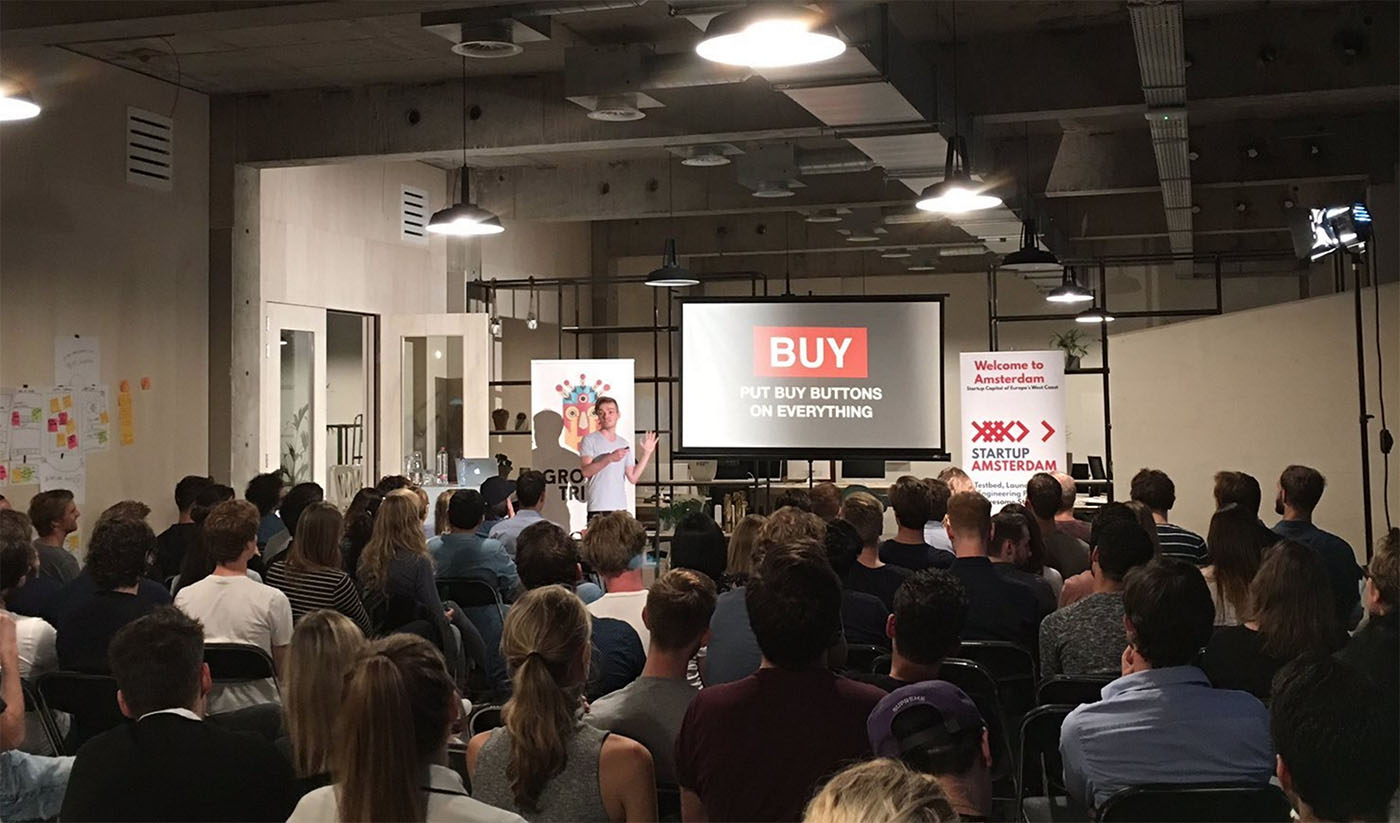
Bootstrapping side projects into profitable startups — @levelsio (Pieter Levels)
I presented about bootstrapping startups to profit at Dutch startup school Growth Tribe. Here’s the transcript. It’s pretty rough because I had to be very prac…
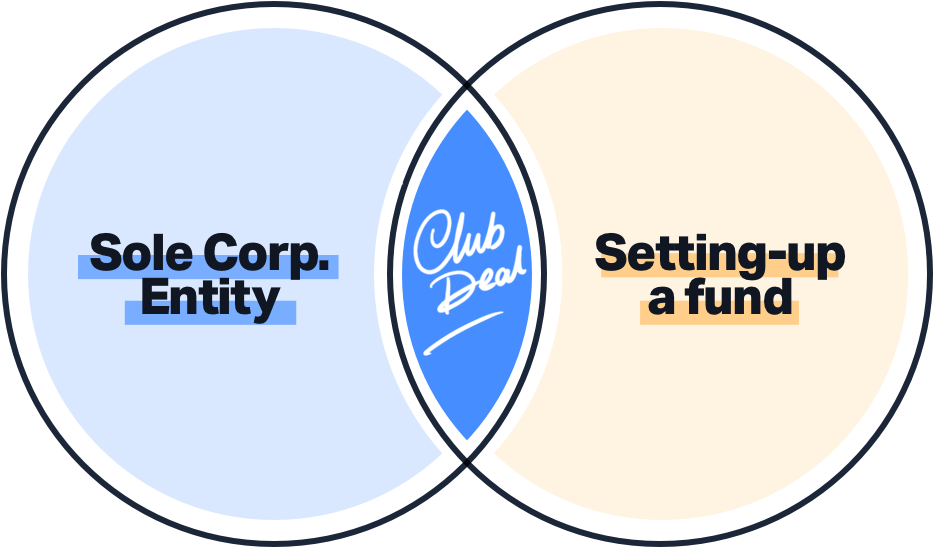
Sidecar funds, corporate vehicles, club deals: how do startup studios get financed?
As explained in The Rise of Startup Studios, a white paper published by The Global Startup Studio Network in 2019, the term “startup…
What is the best way to fund your startup?
47 votes, 44 comments. If you’re married or have kids starting a business can be a lot harder. You have more to lose and more people depending on…
Startup Mistakes: First-Hand Lessons from 80+ Failed Startups
We've analyzed why +80 startups have failed and identified some of their common mistakes. Here're our findings!
Five ways to build a $100 million business
Some time ago my friend (and co-investor in Clio , Jobber and Unbounce ) Boris Wertz wrote a great blog post about "the only 2 ways to bui...

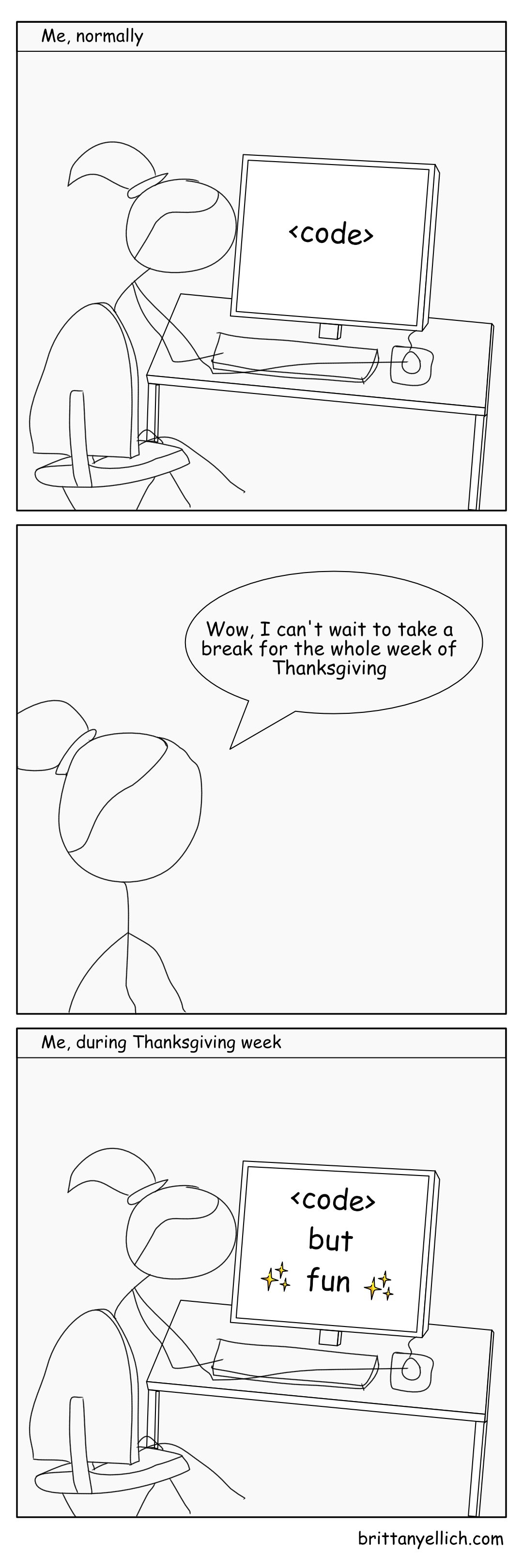
Build the thing you wish to see in the world
For most of my career, I've been confusing building products with building businesses—and that confusion kept me from pursuing a lot of ideas. Two weeks off helped me realize that not everything needs to be a startup, and some of the best things we build are the ones we build just because we want them to exist.
Founders Hub | Transform Finance
The founder playbook for building a company that lasts and stays true to why you started it. Research, case studies, and practical tools for incorporation, fundraising terms, board structure, ownership, and culture.
Find a Growth Hacker for Your Startup
Once startups are ready to scale, their biggest challenge is often hiring someone capable of leading the growth charge. A marketer with the right talents and approach can kick some serious ass once product-market fit and an efficient conversion/monetization process have been proven. But the problem is that most startups try to hire for skills
Why it's nice to compete against a large, profitable company
Competing against big firms? Their revenue streams are their Achilles heel. Learn how smaller startups have a shot.

The Everywhere Millionaire: Who Is Really Rich in America and How They Got There
From two leading economists comes a groundbreaking new portrait of the hidden fortunes of Main Street business owners—ordinary Americans who built extraordinary wealth and are quietly rewriting the rules of money and power. Most people think the path to great wealth runs through Wall Street or Silicon Valley. We’re told you must be a Zuckerberg, a Musk, or a Jamie Dimon to get rich. But this story is wrong. Drawing on unprecedented data from a decade of research and vivid real-life stories of entrepreneurs—from a self-made hot-dog stand billionaire to the heirs of an auto dealer—Zidar and Zwick reveal a surprising truth: prosperity is more attainable, more widely distributed, and closer to home than we imagine. A multitude of Americans have built staggering fortunes by running often unglamorous businesses far from the spotlight. A quiet revolution in the business world—the rise of “pass-through” firms like S-corporations and partnerships—supercharged this wealth, channeling vast income directly to business owners rather than traditional corporations.Part economic detective story, part roadmap to riches, this book reveals: —The Hidden 1%: They might be a local beer distributor, a dentist with a regional network of practices, a commercial HVAC contractor with trucks around town, or a restaurateur who keeps opening new locations. For every public company CEO, more than a thousand private business owners each have transformational wealth.— The Blueprint for Wealth: Zidar and Zwick describe where Main Street Millionaires come from, how they grew rich, and how much money they make. Their stories suggest the American Dream is not dead and many paths to prosperity remain open today. — Power Brokers: Armed with their fortunes, Main Street Millionaires wield power in city halls, statehouses, and Washington, often bending policy to protect what they’ve built. They are both growing the economic pie and grabbing bigger slices for themselves.The Everywhere Millionaire celebrates the stories of entrepreneurs who seized opportunities while asking hard questions about how concentrated wealth and power shape society. It is an essential guide to seeing the economy as it really is and recognizing the surprising paths to prosperity—and influence—everywhere.
All Things Sales! 16 Mini-Lessons for Startup Founders | Andreessen Horowitz
As a former CEO and software engineer (Citrix, XenSource, VERITAS, etc.), board member of GitHub (recently acquired by Microsoft), and lecturer in management at the Stanford Graduate School of Busines, a16z general partner Peter Levine is constantly asked “Why sales?” by entrepreneurs and technical founders. He himself used to hold the “engineer-centric” view that if...
CanInnovate | Kyle Briggs | Substack
I write about innovation, entrepreneurship, intellectual property, and related policy. I comment on the incentives created by existing policy structures and recommend practical ways to enact positive change. Click to read CanInnovate, by Kyle Briggs, a Substack publication with hundreds of subscribers.