

I study the Classical Near East (described here and here) and my methods can be summarized as philology and history augmented by sociology and linguistics. My historical framework is the regions of Central Asia, Iran, Iraq, and Syria circa 200–1200, especially the Sasanian Persian Kingdom, the early Islamic empire, and its successor states up to the Seljuqs, although I do venture into the first millennium BCE.
Remote Origins: Translation, Genealogy, and Alterity in Medieval Castile (1252-circa 1390)
This dissertation analyzes selected examples of thirteenth- and fourteenth-century written culture to show their engagement with the religious alterity of Islam as an integral part of the origins of the kingdom of Castile. Following an interdisciplinary methodology, it addresses how medieval ideas about astrology, geography, history, medicine, race, and religion participated in creating discourses about origins that recognized the intellectual and political authority of al-Andalus. It argues that early Castilian vernacular texts conceptualized the translation of Arabic sources as an instrument for creating, transforming, and superseding the alterity of Islam while recognizing the cultural and political authority of Andalusi traditions. The first chapter serves as an introduction explaining the historical and theoretical framework of the dissertation. To do so, it provides an overview of Castilian ideas about genealogy, historiography, authority, and translatio, and translation. Then, through close reading and ample historicization, chapters two, three, and four analyze the impact of Andalusi textual traditions, cultural practices, and human population in three interrelated fields of medieval science, literature, and history. Chapter 2 explores the political implications of King Alfonso X’s (r. 1252-1284) dedication to the translation of Arabic sciences by focusing on the translation of a treatise of astrology titled Libro de las cruzes (1259). The chapter traces the cultural and political context that accompanied the transmission of the book in al-Andalus alongside the content of its Arabic and Castilian prologues. In light of ideas about the transference of knowledge (translatio studii) shared by Christian and Muslim scholars, I conclude that deployment of a twofold origin in the Libro de las cruzes illustrates the strategies and motivations of Alfonso X’s broader engagement with Arabic sources. The third chapter turns to the early fourteenth-century romance Libro del caballero Zifar with a double focus on its forged origin as a translation from caldeo (Chaldean) and the prominence of cursed lineages. Regarding lineage, the chapter explores the representation of exemplary virtues by the protagonists of the romance as enacting ideas about the transformable character of lineage and the capabilities of the individual to unmake inherited negative traits. Likewise, the textual strategy of the forged translation enables the inclusion of Arabic and Asian referents at the origin of a profoundly Christian text. In chapter 4, literature meets historiography in the analysis of the Crónica de Flores y Blancaflor. Being the result of intertwining a Castilian chronicle—Alfonso X’s Estoria de Espanna—and a French romance, this text narrates the love story between an Andalusi Muslim prince and the daughter of a captive Christian noble. The chapter focuses on Berta, the captive woman, to show the implications of her decision to nurture Flores and Blancaflor with her milk. Considering Christian and Muslim ideas about milk and wet nursing along with the tenets of Castilian historiography, the chapter shows the limits of dominant ideas about dynastic origins among the Christian elites of Castile while evidencing the existence of an alternative discourse that—coming from within Castilian historiography—incorporates maternal and non-Christian kinship as an essential part of the origins and possibilities of the kingdom. A short final chapter serves as a conclusion, suggesting paths for expanding the results of this dissertation within and the thirteenth and fourteenth centuries covered by its contents.
Jonathan Berkey
I teach the full range of Middle Eastern history since the rise of Islam, and I participate in Davidson's Humanities Program. My research and writing focus on Islamic religious culture and medieval Egypt and Syria.
Illuminating Typography Books
'Cultural Connectives', a book by Rana Abou Rjeily, bridges the divide between Arabic and Latin-based languages by cleverly comparing their typography.

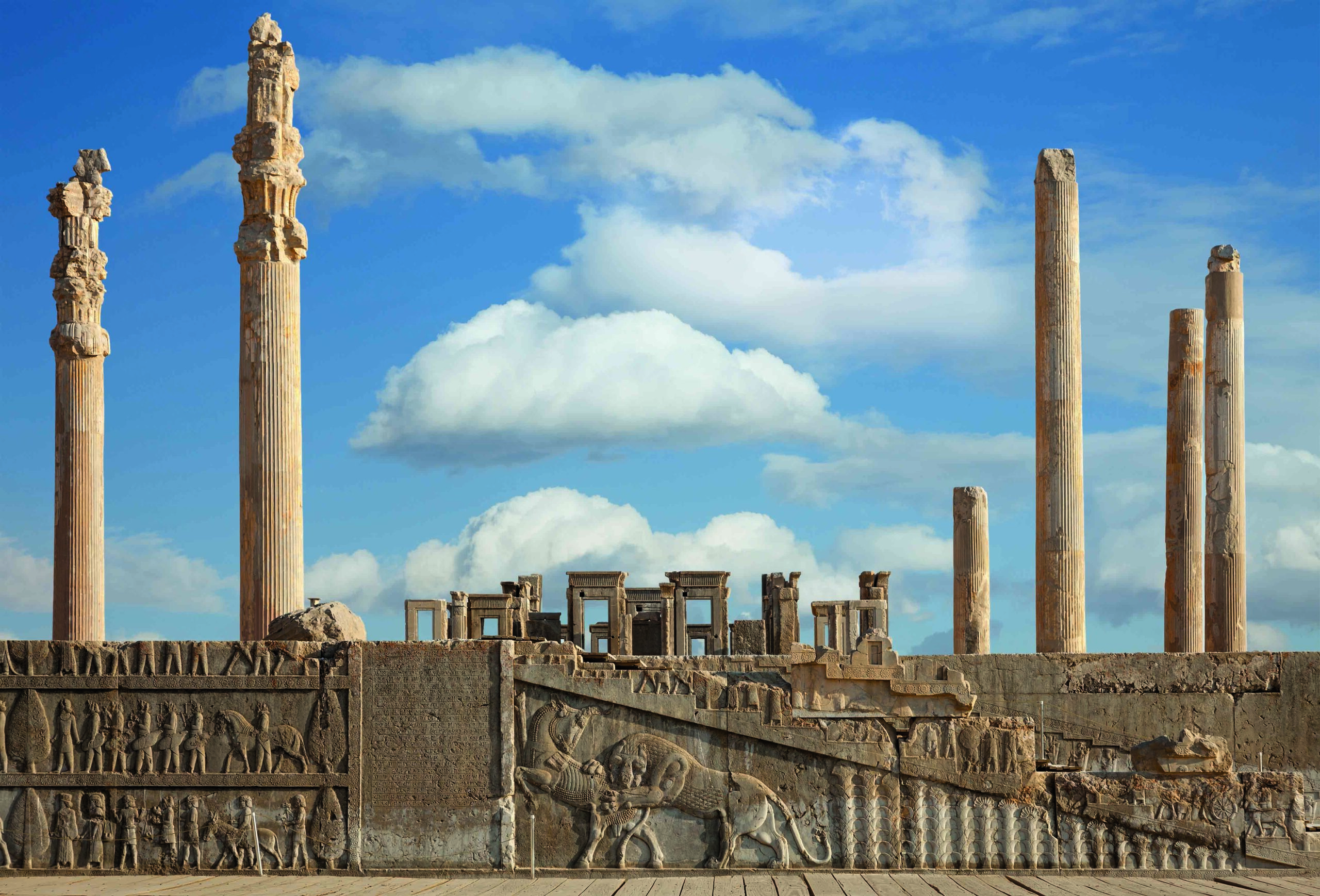
Features - Rise of the Persian Princes - Archaeology Magazine - July/August 2023
In their grand capital Persepolis, Achaemenidrulers expressed their vision of a prosperous,multicultural empire
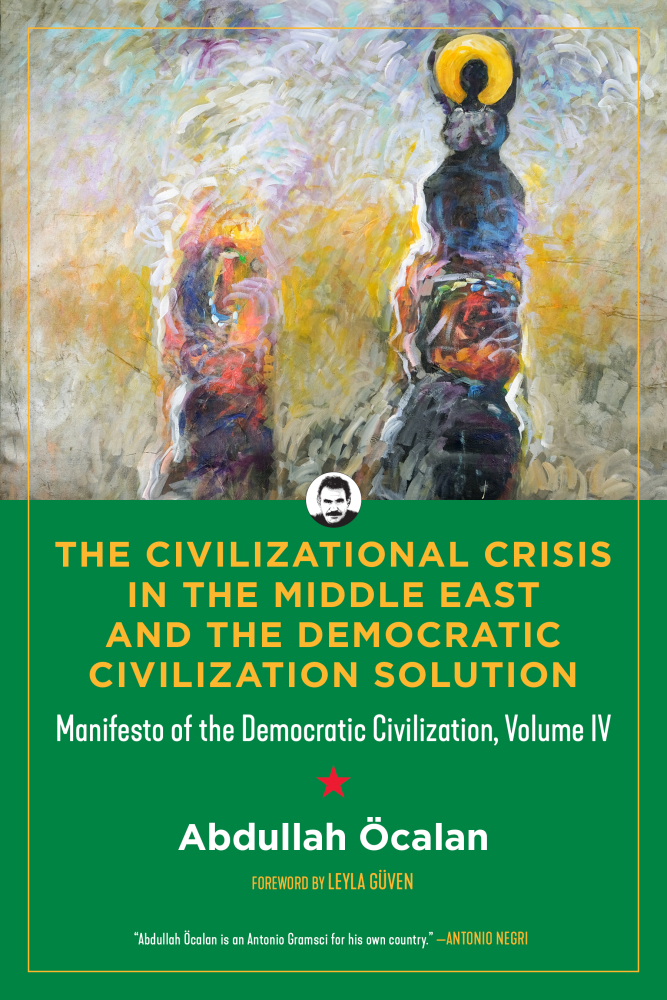
The Civilizational Crisis in the Middle East and the Democratic Civilization Solution: Manifesto of the Democratic Civilization, volume IV
The global crisis of civilization is nowhere more visible than in the Middle East. Wars, authoritarian regimes, social fragmentation, and ecological collapse converge into a single, devastating picture. Abdullah Öcalan argues that the solution to this crisis must be found in the same place where centralized civilization first emerged 5,000 years ago. The fourth volume of Öcalan’s Manifesto of Democratic Civilization traces the region’s deep historical crises while highlighting the many traditions of resistance—religious, cultural, communal, and antiauthoritarian—that have survived despite millennia of state domination. These traditions, he argues, provide the building blocks for a future beyond capitalist modernity. Drawing on the theoretical framework laid out in earlier volumes, Öcalan offers a bold rereading of Middle Eastern history, revealing how patriarchy, hierarchy, and empire became entrenched, and how they can be dismantled. He presents democratic confederalism, a moral and political society, and an ecological, women-centered economic order as the essential pillars of a new civilizational model. In this volume, Öcalan emerges not only as a strategist for resolving the Kurdish question but as a visionary for democratizing the entire region. He closes with urgent questions that speak directly to our global moment: How should we live? What must we do? And where do we begin? Praise “Öcalan, from his cell, reminds us that freedom is not a point of arrival, but a living process, a weaving that is remade collectively, an ethical construction that challenges us in every decision, in every word, in every step. His thought, in dialogue with the rebellious spirit of the people, becomes a vital tool for thinking about emancipation beyond classical forms of politics. That is why reading his work is not only an intellectual act, but a profoundly political act.” —Rosario Aquím Chávez, Bolivian activist, poet, and educator “Öcalan’s works have played a key role in inspiring one of the most widespread movements of real-life revolutionary transformation in recent memory.” —David Graeber, author of Debt and The Dawn of Everything “One should conclude that Abdullah Öcalan is nothing less than a Kurdish Nelson Mandela.” —Slavoj Žižek, author of The Courage of Hopelessness “Öcalan’s utopia—as is soon discovered—is extremely concrete; it is embodied in the struggles and the order of the zones liberated by the Kurdish communist militias! A real utopia, the one that Öcalan supports, a precious gem that strongly opposes the rebirth, so common today, of national fascisms. The utopia of the democratic confederation of peoples embodies a real process that will win every battle.” —Antonio Negri “In these times of accelerating climate change and deepening crises, the product of centuries of imperialism and the past few decades of hyper neoliberalism and ecological destruction, your struggle for freedom and peace has become our struggle, and your example a beacon for untold millions who will yet follow.” —Barry Gills, professor of Global Development Studies at the Faculty of Social Sciences, University of Helsinki About the Contributors Abdullah Öcalan, the founder of the Kurdistan Workers’ Party (PKK), is credited with developing the paradigm of Democratic Modernity. Since his abduction in 1999, he has been imprisoned on the island of Imrali in conditions of extreme isolation. During his time in prison, he has written over ten books that have transformed Kurdish politics. Writing extensively about history, philosophy and politics, he is widely regarded as a key figure in finding a political resolution to the Kurdish question. His writings have made significant contributions to discussions on freedom and outline proposals for non-state political systems in his theories on Democratic Confederalism. His most notable work is the five-volume “Manifesto for a Democratic Civilisation”. His works have been translated into over twenty languages. Leyla Güven is a Kurdish politician, co-chair of the Democratic Society Congress and former mayor of the municipality of Viranşehir in the Şanlıurfa Province of Southeast Anatolia of Turkey, where she represented the former Democratic Society Party. Click here for one-page information sheet on this product
Late Antique Syriac Homilies and the Quran
As any scholar who has been working on the Quran or Early Islam during the past two decades very well knows, there has been a long-standing debate over the nature/extent of the relationship between...

Late Antique Syriac Homilies and the Quran
As any scholar who has been working on the Quran or Early Islam during the past two decades very well knows, there has been a long-standing debate over the nature/extent of the relationship between...
Internet History Sourcebooks: Medieval Sourcebook
Home | Ancient History Sourcebook | Medieval Sourcebook | Modern History Sourcebook | Byzantine Studies Page Other History Sourcebooks: African | East Asian | Indian | Islamic | Jewish | Lesbian and Gay | Science | Women's | Global
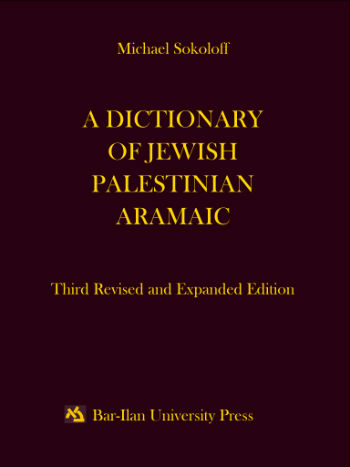
A Dictionary of Jewish Palestinian Aramaic of the Byzantine Period
contains the aramaic vocabulary of the jewish literary and epigraphic sources of eretz israel from the third century c e until the arab conquest including palestinian talmud midrashim targumim and synagogue inscriptions
Orientalism (book)
Orientalism is a 1978 book by Edward Said, in which he establishes the term "Orientalism" as a critical concept to describe the Western world's commonly contemptuous depiction and portrayal of the Eastern world. Societies and peoples of the Orient are those who inhabit regions throughout Asia and North Africa. Said argues that Orientalism, in the sense of Western scholarship about the Eastern world, is inextricably tied to the imperialist societies that produced it, which makes much Orientalist work inherently political and servile to power.

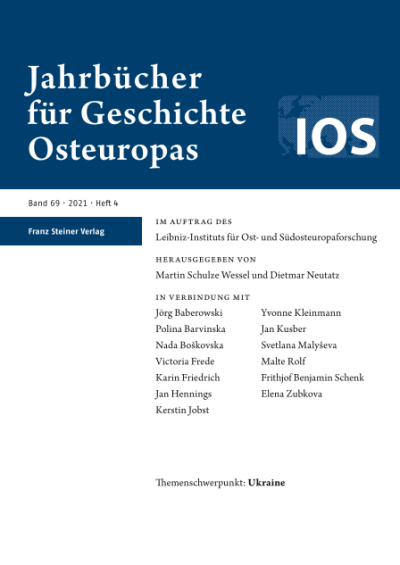
Sollte der Krieg Russlands gegen die Ukraine die Epistemologie der Osteuropäischen Geschichte verändern und wenn ja, wie?
The short article argues for revitalizing historical research to questions of the longue durée and, in analogy to the New Imperial History, considers the emergence of a New National History possible. Above all, the article calls for a continued decolonialisation of Russian history and, in this context, also for a strengthening of the Ukraine and Belarus focus in research, teaching and language mediation as well as in the form of a German Historical Institute in Kyiv.
Accent Expert Breaks Down 6 Fictional Languages From Film & TV | WIRED
PANEL | Applebaum, Satran, Siddiqi | Middle Eastern Classics Master’s Degree Program
Lorenzo Kamel
He held teaching and research positions in several universities in the Middle East, the United States, and Europe, including the Albert-Ludwigs-Universität Freiburg, where he served as a Marie Curie Experienced Researcher,[4] and Harvard University, where, among other appointments, he was a postdoctoral fellow for two years with a project entitled "Artificial Nations? The Sykes-Picot and the Islamic State's narratives in a historical perspective".[5] He holds a two-year M.A. in Israeli society and politics from the Hebrew University of Jerusalem, a Ph.D. in history from the University of Bologna, and lived for years in several countries in the Middle East, including, with visiting appointments, Egypt ('Ain Shams University), the Palestinian Territories (Birzeit University), Israel (Hebrew University), and Turkey (Bilkent University).
Language: English


How incel language infected the mainstream internet — and brought its toxicity with it

Zach Weinersmith (@zachweinersmith.bsky.social)

AP Stylebook (@apstylebook.com)
dialect.redlog.net

How Y’all, Youse and You Guys Talk (Published 2024)
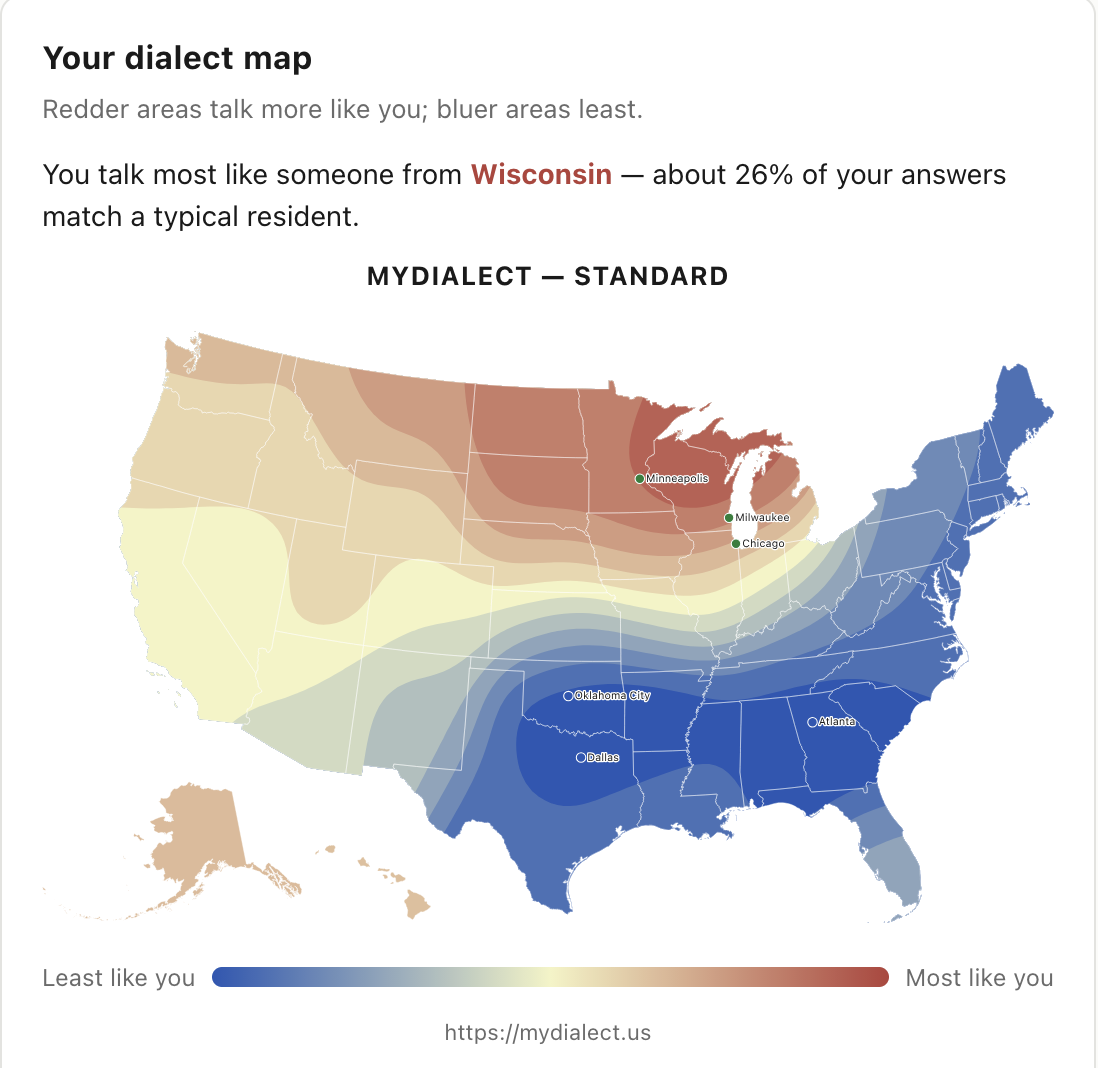
How Do You Talk? — American Accent Quiz & US Dialect Map