

Why isn't all government software open source?
Three things that need to change for government to open source all software it creates.
Open Source is four kinds of economic goods
Open Source code and the stewardship around it have different economics. That distinction helps show what a project might charge for, what it must budget for, and how it could fund stewardship without making the code less open.

Open source is the electric vehicle of digital policy
Open source is very popular these days, not least due to the open-source strategy that the European Commission announced last week as part of the tech sovereignty package. While there is a lot to criticise about that strategy (exaggerated goals, misleading numbers etc), the one thing I would like to
I hate the term “open source”
It doesn’t accurately reflect how people are building today anymore.

Open source is a restaurant
[[Chad Whitacre]] makes a great analogy around when/how software gets paid for, vs food. Open Source is a restaurant. At a restaurant, you eat your meal fir...

Open Source for the Government [presentation] - Bozho's tech blog
A month ago I gave a talk at OpenFest (a Bulgarian conference for open technologies). The talk was in Bulgarian, but I’ve translated the slides, so here they are. Currently,Continue reading

Open Source is a cost-allocation system
Because the right to use the software is not tied to payment, the license does not connect the people who benefit, the people who decide, and the people who bear the costs. Projects have to build those connections deliberately through governance.

Open source and the software supply chain
Managing something as esoteric as resources for building software with a variety of contributions made by the open source community is more amorphic.

When Free Software Isn't (Practically) Superior - GNU Project - Free Software Foundation
The Open Source Initiative's mission statement reads, “Open source is a development method for software that harnesses the power of distributed peer review and transparency of process. The promise of open source is better quality, higher reliability, more flexibility, lower cost, and an end to predatory vendor lock-in.”
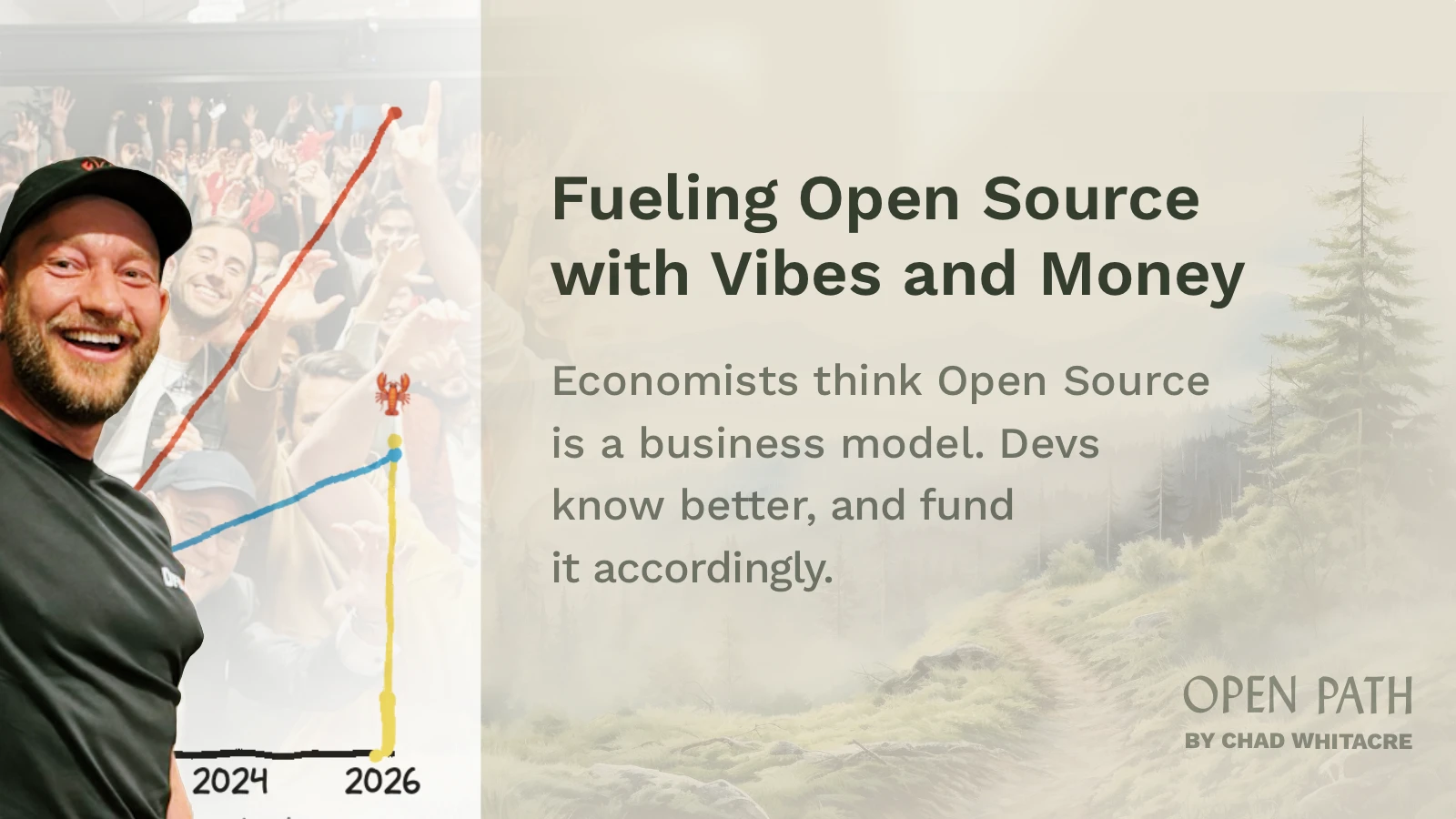
Fueling Open Source with Vibes & Money
Economists think Open Source is a business model. Devs know better, and fund it accordingly.
Open Source vs. Closed Control: How Switzerland Built Better - ISOC Switzerland Chapter
By Berna Alp and Marianthe Stavridou Introduction As societies undergo rapid digital transformation, public infrastructure is being fundamentally rethought. Money is no exception. While cash is declining across much of the world the question is no longer whether money will become digital, but how. Digital money or digital money transfers are not merely a technical upgrade. It encodes...
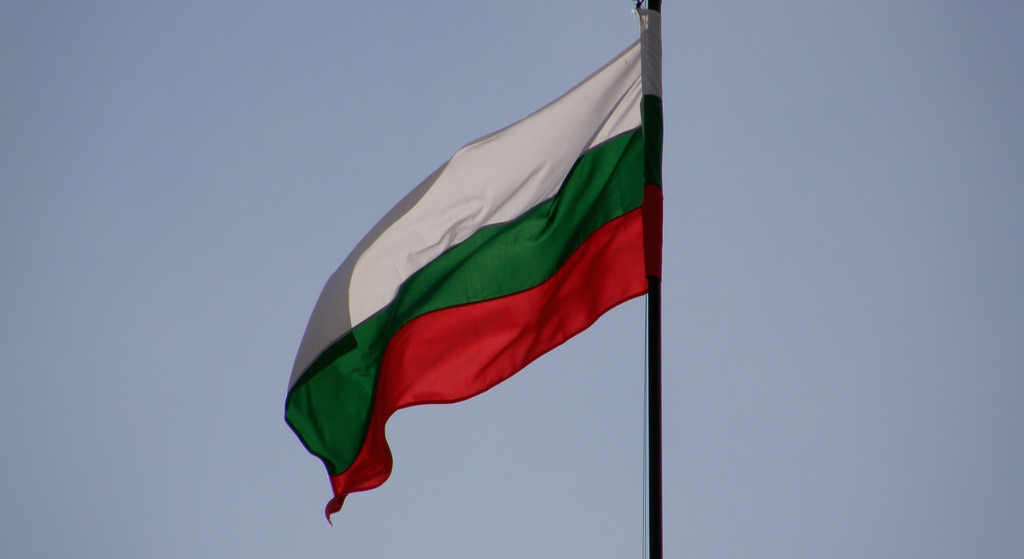
Bulgarian Government Now Requires Custom Software to be Open Source
The Bulgarian government has just passed an amendment to its Electronic Governance Act that mandates all custom software created for the government must be open source. The amendment was voted on i…
Why Open Source Misses the Point of Free Software - GNU Project - Free Software Foundation
The terms “free software” and “open source” stand for almost the same range of programs. However, they say deeply different things about those programs, based on different values. The free software movement campaigns for freedom for the users of computing; it is a movement for freedom and justice. By contrast, the open source idea values mainly practical advantage and does not campaign for principles. This is why we do not agree with open source, and do not use that term.
Open source has more forms of government than countries do.
I can see a whole lot of people agreeing with this. Kinda the same with open source in general, but few open source projects are social protocols seeking widespread adoption. It's a particular flavor of narrative disconnection from reality we have to bridge out of to get out of our own way.

⠁⠀⠀⠀⠠
Every @proto developer sounds like this to me:
