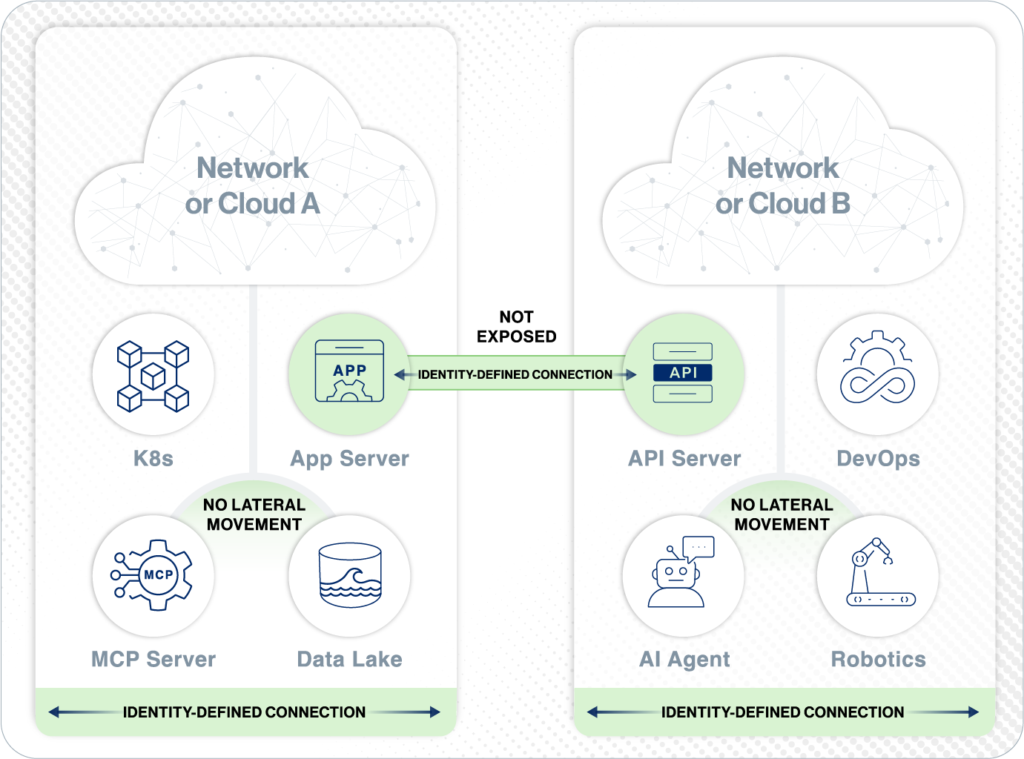
Secure workloads with Identity-First Reachability. NetFoundry closes inbound ports and replaces VPNs for simpler, zero-trust networking.
NetFoundry Documentation
Cloud-managed zero-trust networking platform. Manage identities, policies, services, and routers from the console, or automate through the API.
End-to-end encrypted relays for OCapN — Spritely Institute
Creating a direct connection between any two computers (not just from client to server) over the internet is notoriously difficult. Many home networks are behind NATs which prevent new inbound connections. Sometimes these NATs are from the ISP (carrier-grade NATs) which are impossible to work around with port forwarding and/or UPnP. While hole punching techniques can break through NATs, it's far from guaranteed. Thus, we need something that works in the general case: relays.
Connect, protect, and build everywhere
Make employees, applications and networks faster and more secure everywhere, while reducing complexity and cost.

Intro to Ockam | Ockam
Impossible connections become possible. Establish secure channels between systems in private networks that previously could not be connected because it is either too difficult or insecure.


Minimum viable decentralization – John Backus – Medium
If you want people to use your product, decentralize the bare minimum. Lessons from Freenet, I2P, Darknet markets, and Reddit.

Zero Trust Information
Zero Trust Networking is security with Internet assumptions; there is tremendous value if we apply the same approach to information.

IPFS — Content addressing for data with confidence
IPFS gives developers content addressing building blocks for verifiable, portable, and resilient applications across open networks
Tailscale: How it works
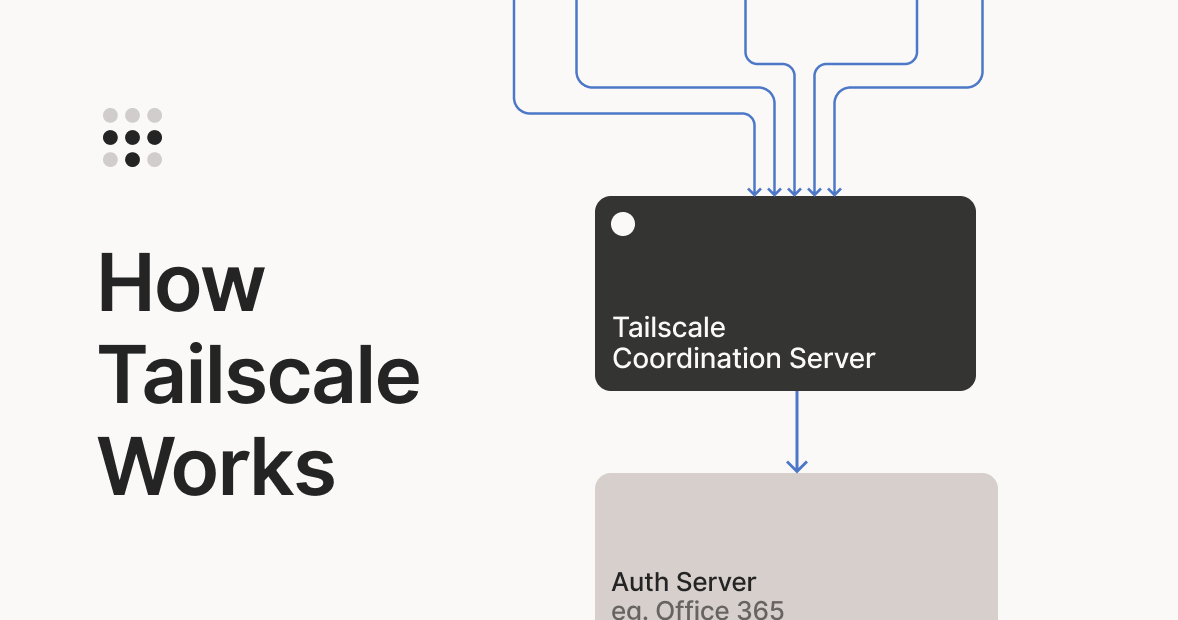
Understand the entire Tailscale system, how it works, how we built it, and its benefits compared to legacy VPNs. Use this article as a guide to quickly build your own Tailscale replacement.
Rayfish · Your own private network. No servers, no setup.
Rayfish is a peer-to-peer mesh VPN. Connect your devices by cryptographic identity. No port forwarding, no hosted server to trust. Share a code, and you're on the same encrypted LAN.
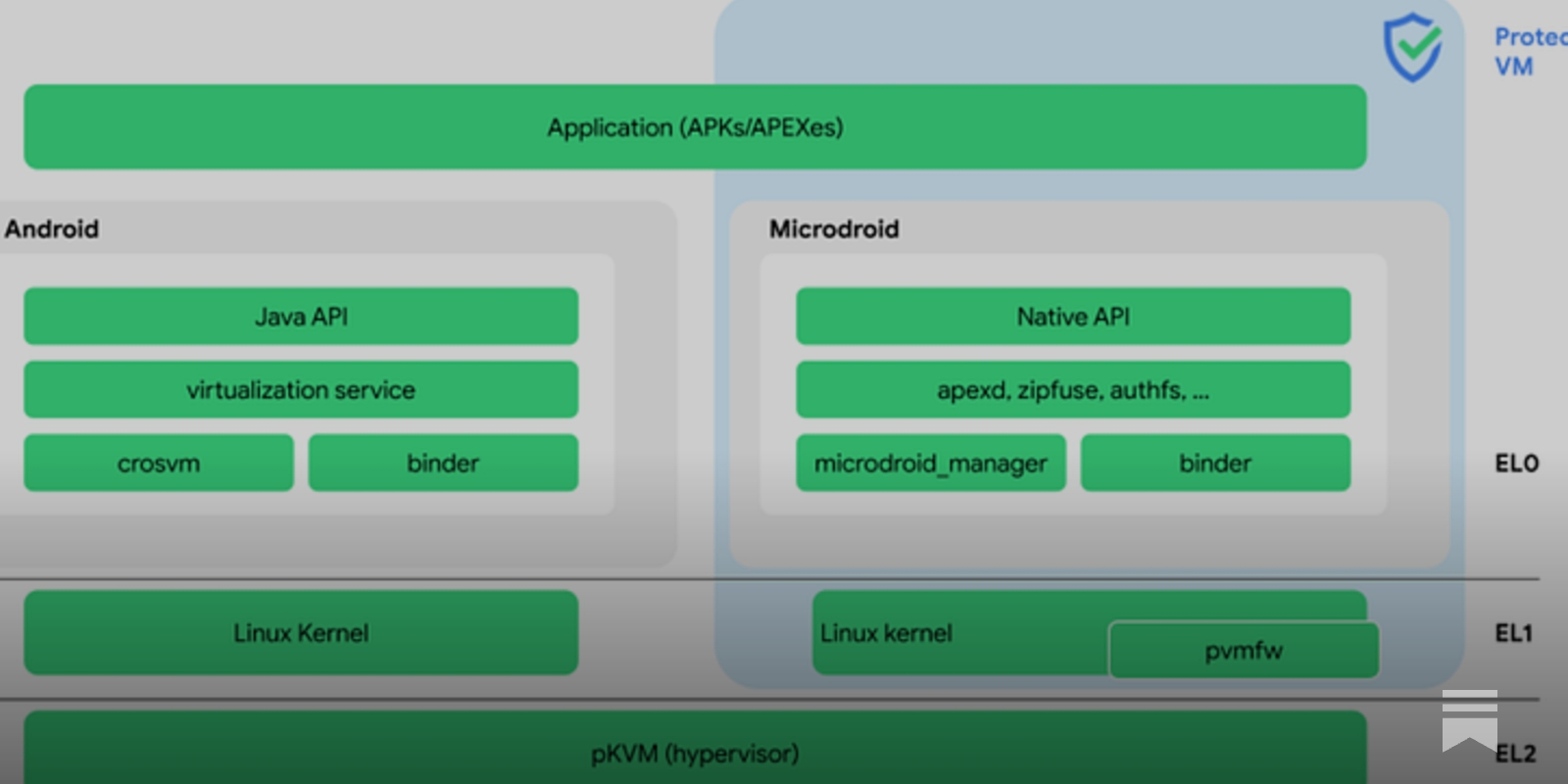
Why AVF?
AVF and pKVM: next-generation Trustworthy Execution Environment for connected products
Trust Over IP - Defining a complete architecture for Internet-scale digital trust
The Trust over IP Foundation is defining a complete architecture for Internet-scale digital trust that combines both cryptographic trust at the machine layer and human trust at the business, legal, and social layers.
Weave
Weave is accelerating the interoperability of the internet's missing trust layer. True community portability. Trust that travels.
Weave
Weave is accelerating the interoperability of the internet's missing trust layer. True community portability. Trust that travels.
TIL: Iroh: peer-to-peer networking for app developers
I came across Iroh (via, via) today as it hit 1.0 and found it a really interesting solution to a problem I knew existed but had not thought a lot about. Judging from the comment sections, it seems pretty clear that lots of people are confused as to exactly what Iroh is. I don’t think their launch post does their product justice at all, and their tagline is “IP addresses break, dial keys instead” which sounds cool, but if you think about it for just a second, you’ll end up with lots of questions. The biggest one is: “so how is this different from a mesh VPN like Tailscale, ZeroTier, Netbird, etc.?” It’s only after reading a lot of developers’ comments on the threads that I feel I understand: Iroh is aimed at application developers who want to communicate P2P between machines running their app, while mesh networks are aimed at network admins who want to connect devices they own/manage together.
The Decentralized Internet Is Here, With Some Glitches
Privacy advocates and venture capitalists want to circumvent the tech giants with apps using encrypted data stored on networks of computers.