Explore the fascinating world of psychobiotics and the gut-brain connection. Uncover the influence of gut health on mental well-being and cognition.
Psychobiotics: Bacteria to Brighten your Mood | Qualia
Uncover the power of psychobiotics—bacteria that boost mood and mental well-being. Explore the emerging field of gut-brain connection."

Gut–brain link grabs neuroscientists
Idea that intestinal bacteria affect mental health gains ground.
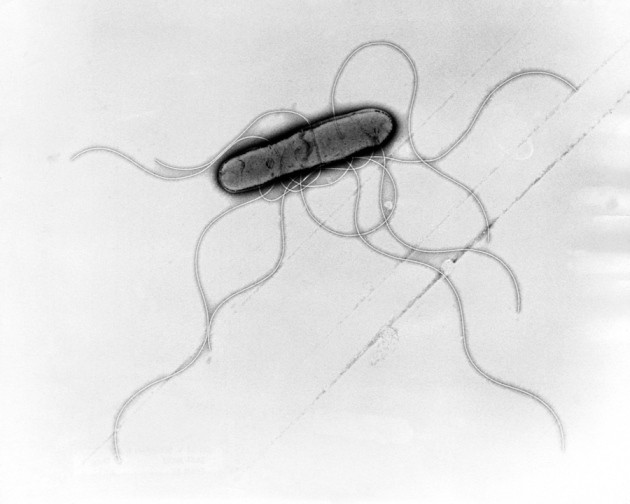
Psychiatry and Inflammatory Conditions
Diet and gut health are essential components of mental health, and the gut-brain axis has progressed from an esoteric concept to a popular one.
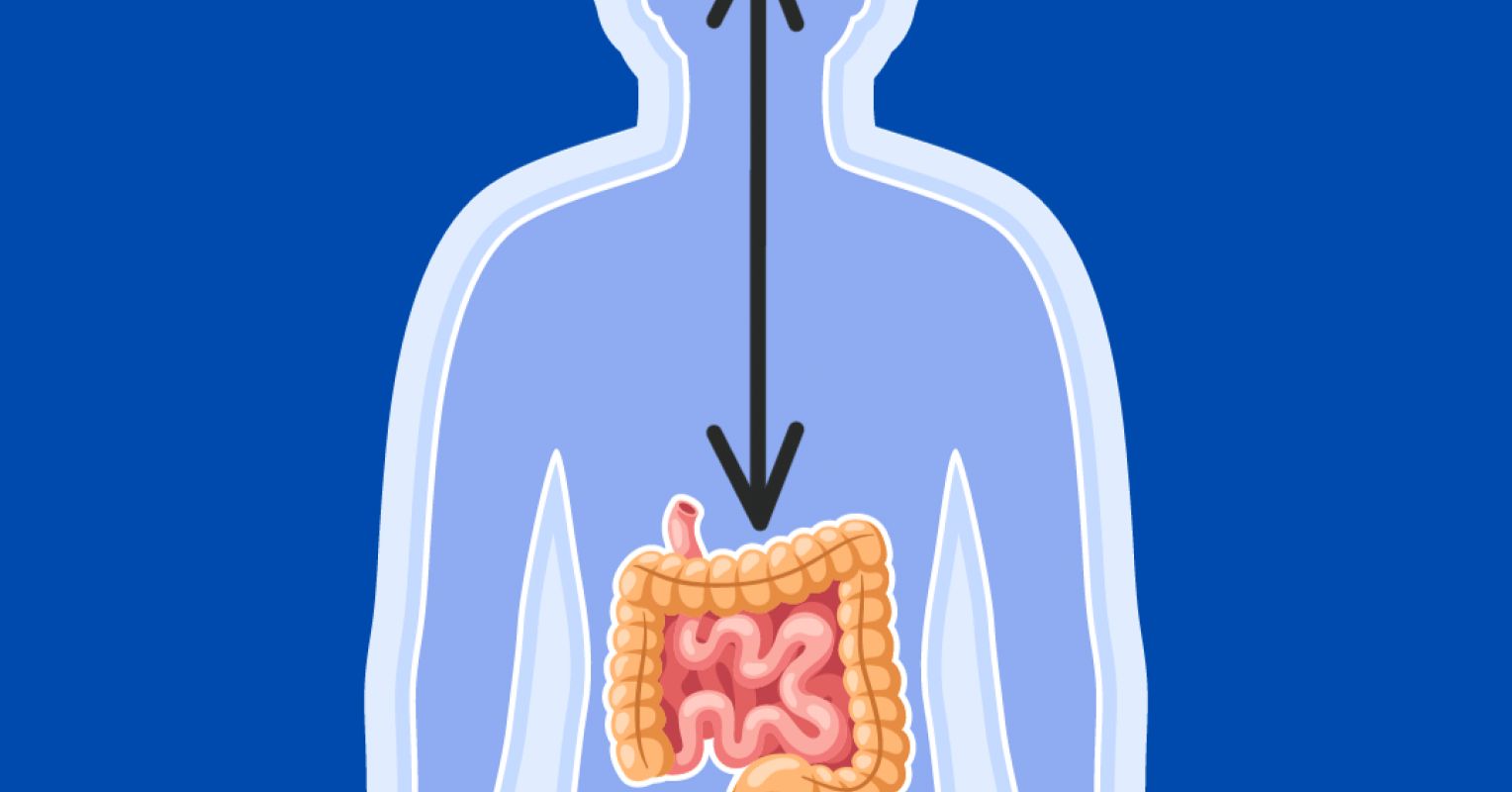
Mental Health May Depend on Creatures in the Gut
The microbiome may yield a new class of psychobiotics for the treatment of anxiety, depression and other mood disorders
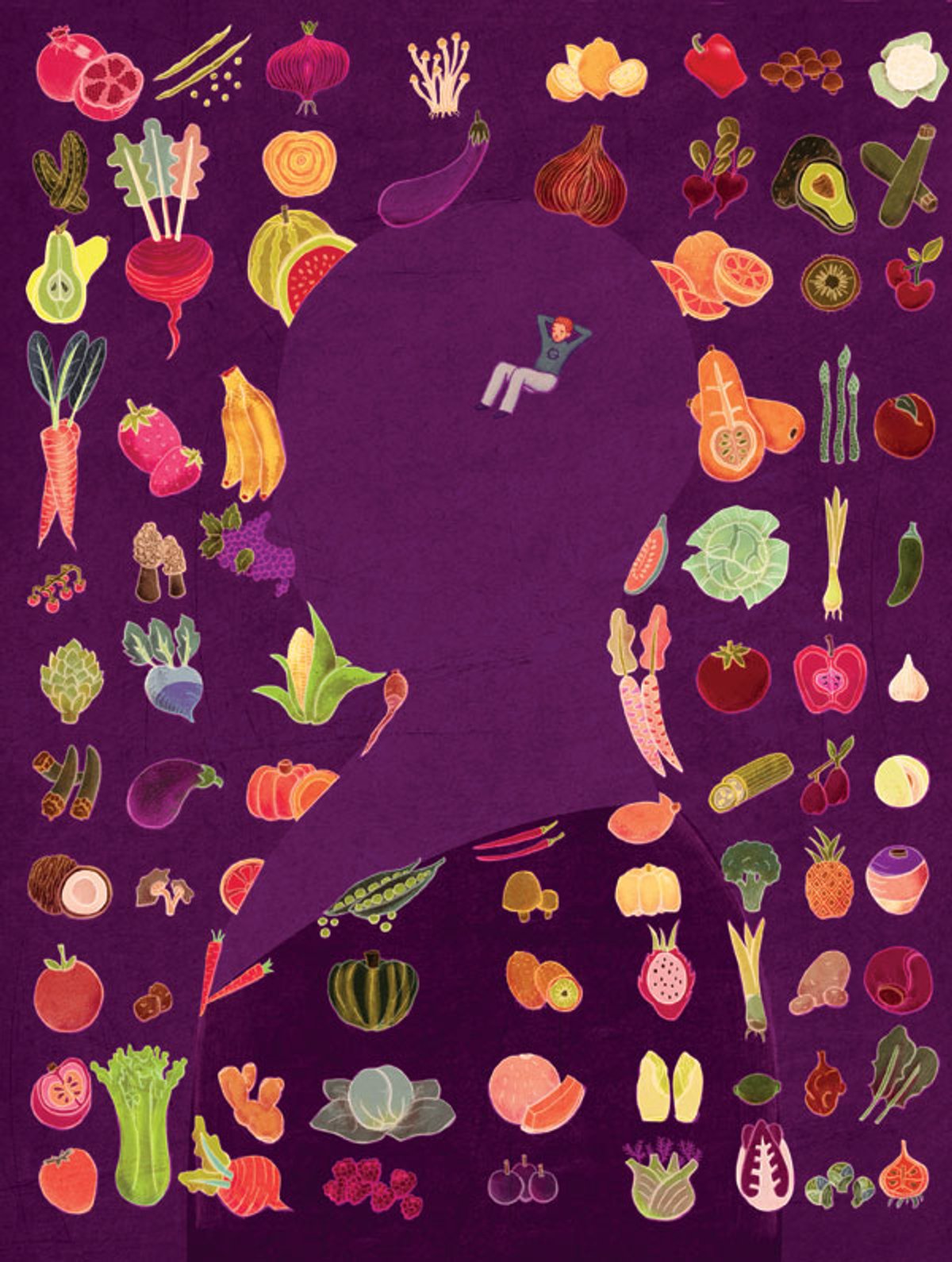
Bacteria in the gut have a direct line to the brain
With its 100 million neurons, the gut has earned a reputation as the body's "second brain"—corresponding with the real brain to manage things like intestinal muscle activity and enzyme secretions. A growing ...

Brain-Gut Circuit Lets Microbiota Directly Affect the Sympathetic Nervous System
Gut bacteria play a direct role in neuronal communications between the gut and the brain, according to new research.

Think Twice: How the Gut's "Second Brain" Influences Mood and Well-Being
The emerging and surprising view of how the enteric nervous system in our bellies goes far beyond just processing the food we eat
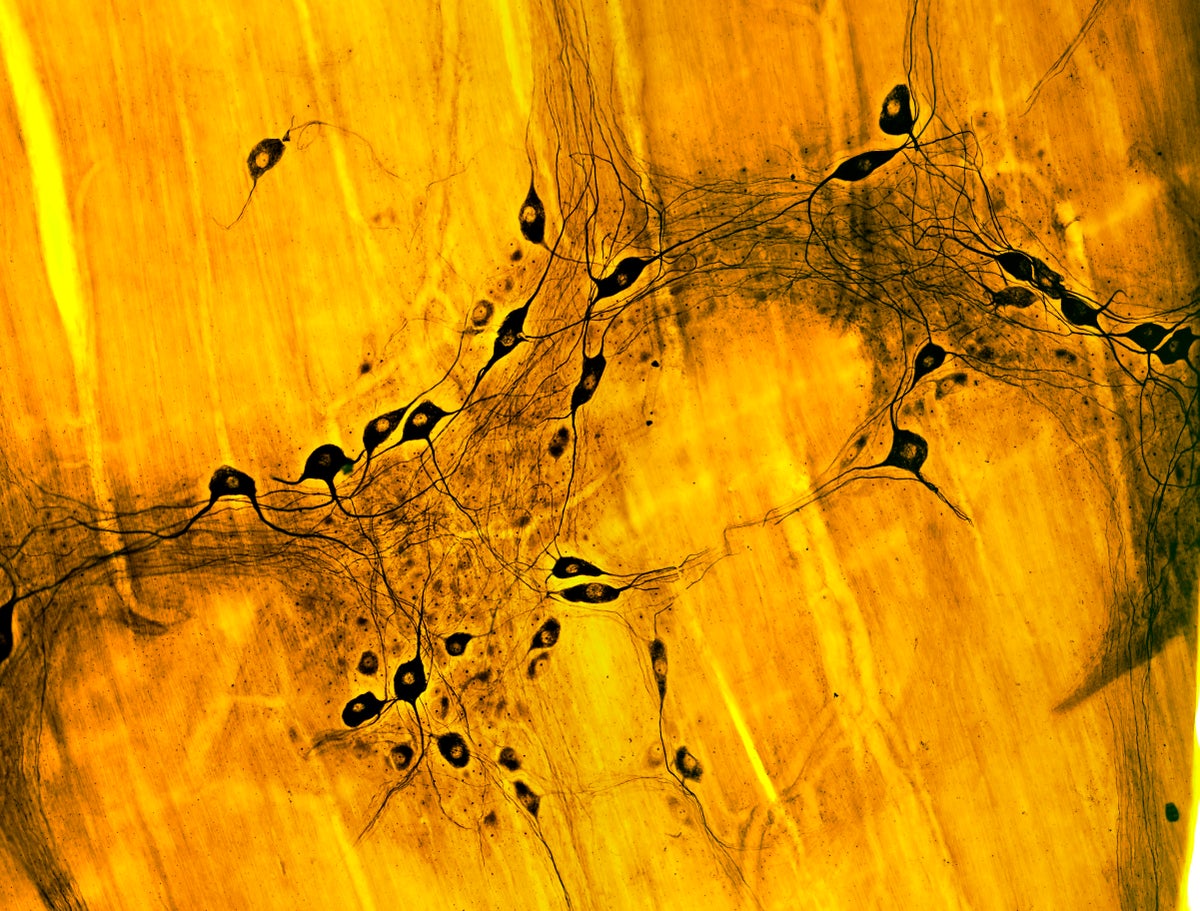
How Gut Health and Depression Could Be Connected
Research suggests that our gut microbiota influences mental health. Many factors impact our microbiome, which can dictate everything from how often we get sick to mood swings.
How Gut Bacteria Tell Their Hosts What to Eat
By suppressing or increasing cravings, microbes help the brain decide what foods the body “needs”

Gut Bacteria Might Guide The Workings Of Our Minds
Anxious mice calm down when they get an infusion of gut microbes from mellow mice. That has scientists wondering if gut microbes play a role in the human brain, too. Research on that is only just beginning. But it's intriguing to think there could be a real truth to the phrase "gut feelings."

Gut Bacteria Signature Shows Link to Depression
The first population-level study on the link between gut bacteria and mental health identifies specific gut bacteria linked to depression and provides evidence that a wide range of gut bacteria can produce neuroactive compounds. Jeroen Raes (VIB-KU Leuven) and his team published these results today in the scientific journal Nature Microbiology.<br /><br />

Gut bacteria spotted eating brain chemicals for the first time | New Scientist
The discovery of gut bacteria that need the calming chemical GABA to survive could explain why bacteria seem to influence our mood

The Probiotic Breakthrough for Anxiety Relief: How Gut Bacteria Influence Mental Health
Researchers have discovered that naturally occurring gut microbes produce indoles—compounds that play a key role in regulating anxiety-related brain activity. This finding paves the way for next-generation therapies that use probiotic microbes to support mental health and potentially reduce anxiety symptoms.
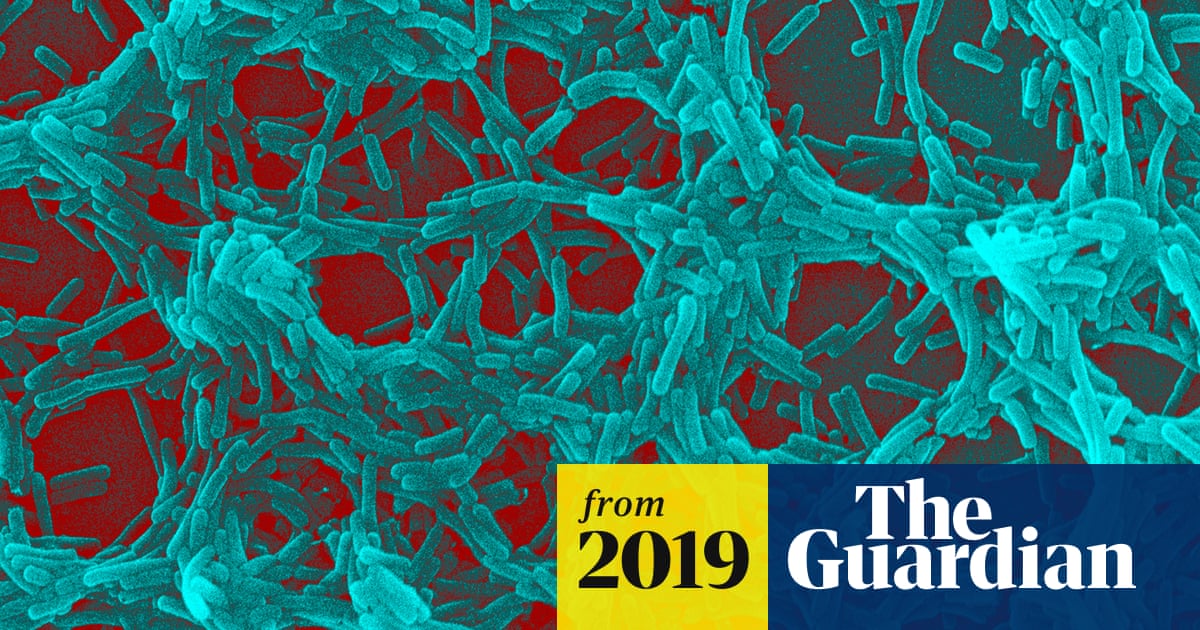
Gut bacteria may have impact on mental health, study says
Research opens door to possible treatments for depression based on probiotics
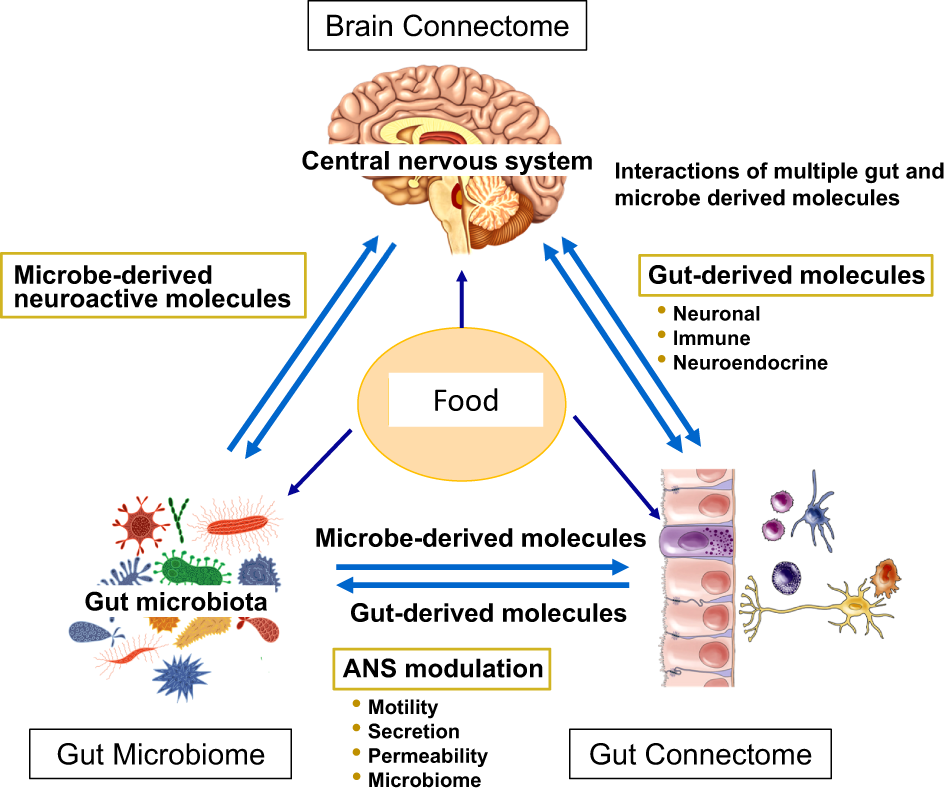
Role of diet and its effects on the gut microbiome in the pathophysiology of mental disorders
There is emerging evidence that diet has a major modulatory influence on brain-gut-microbiome (BGM) interactions with important implications for brain health, and for several brain disorders. The BGM system is made up of neuroendocrine, neural, and immune communication channels which establish a network of bidirectional interactions between the brain, the gut and its microbiome. Diet not only plays a crucial role in shaping the gut microbiome, but it can modulate structure and function of the brain through these communication channels. In this review, we summarize the evidence available from preclinical and clinical studies on the influence of dietary habits and interventions on a selected group of psychiatric and neurologic disorders including depression, cognitive decline, Parkinson’s disease, autism spectrum disorder and epilepsy. We will particularly address the role of diet-induced microbiome changes which have been implicated in these effects, and some of which are shared between different brain disorders. While the majority of these findings have been demonstrated in preclinical and in cross-sectional, epidemiological studies, to date there is insufficient evidence from mechanistic human studies to make conclusions about causality between a specific diet and microbially mediated brain function. Many of the dietary benefits on microbiome and brain health have been attributed to anti-inflammatory effects mediated by the microbial metabolites of dietary fiber and polyphenols. The new attention given to dietary factors in brain disorders has the potential to improve treatment outcomes with currently available pharmacological and non-pharmacological therapies.
Transplanting Gut Bacteria Alters Depression-related Behavior, Brain Inflammation in Animals
Knowledge of stress biology may eventually bring bacterial treatments for psychiatric disorders.