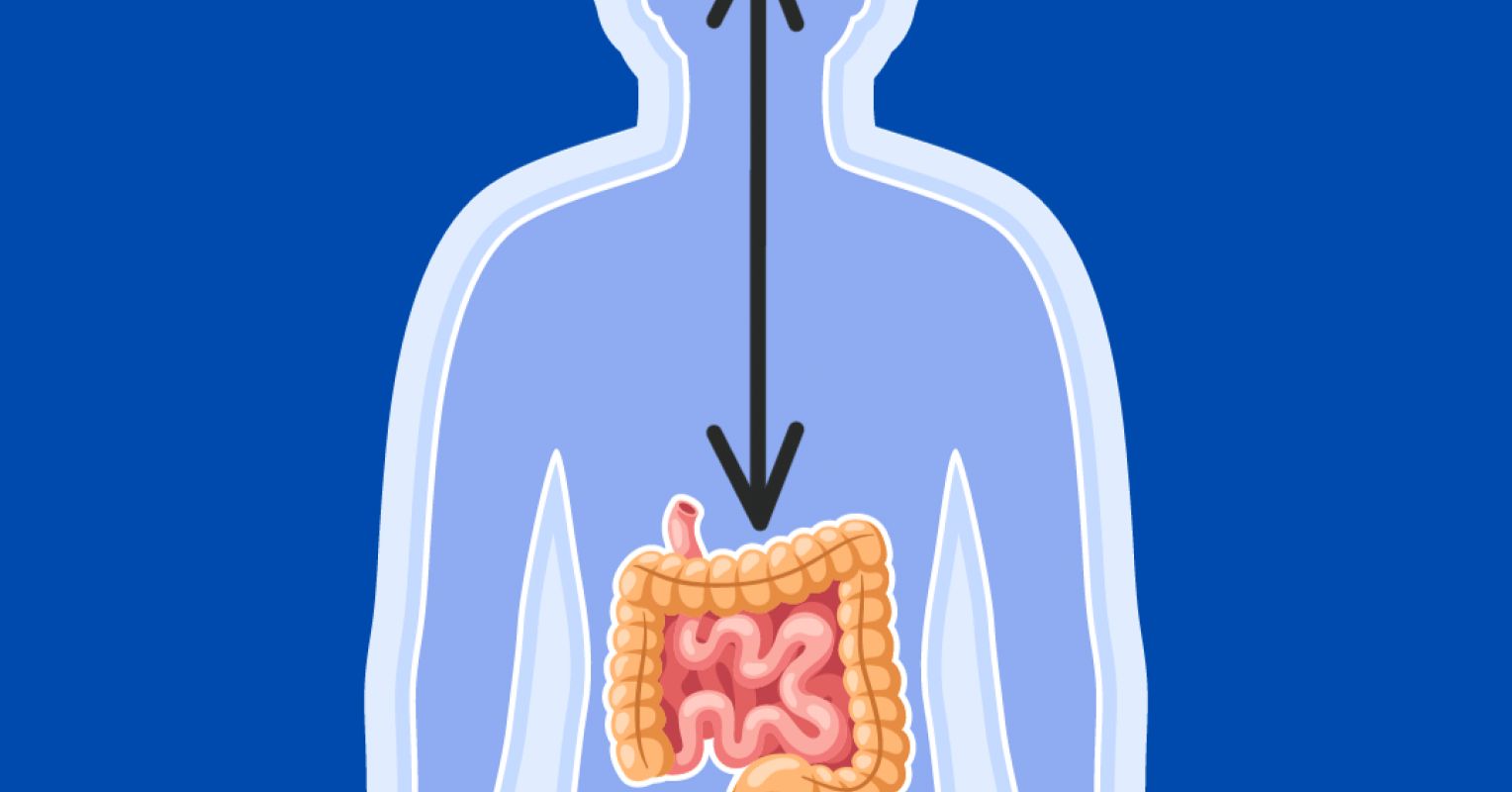
You don’t need a degree in neuroscience to suspect that the brain and gut are somehow connected. The feeling of “butterflies” in our stomach when we prepare to give a presentation, stress-induced stomach ulcers, emotional eating, and even our intuition showing up in the form of a “gut feeling,” all provide clues that the brain and gut are talking to each other.
Think Twice: How the Gut's "Second Brain" Influences Mood and Well-Being
The emerging and surprising view of how the enteric nervous system in our bellies goes far beyond just processing the food we eat
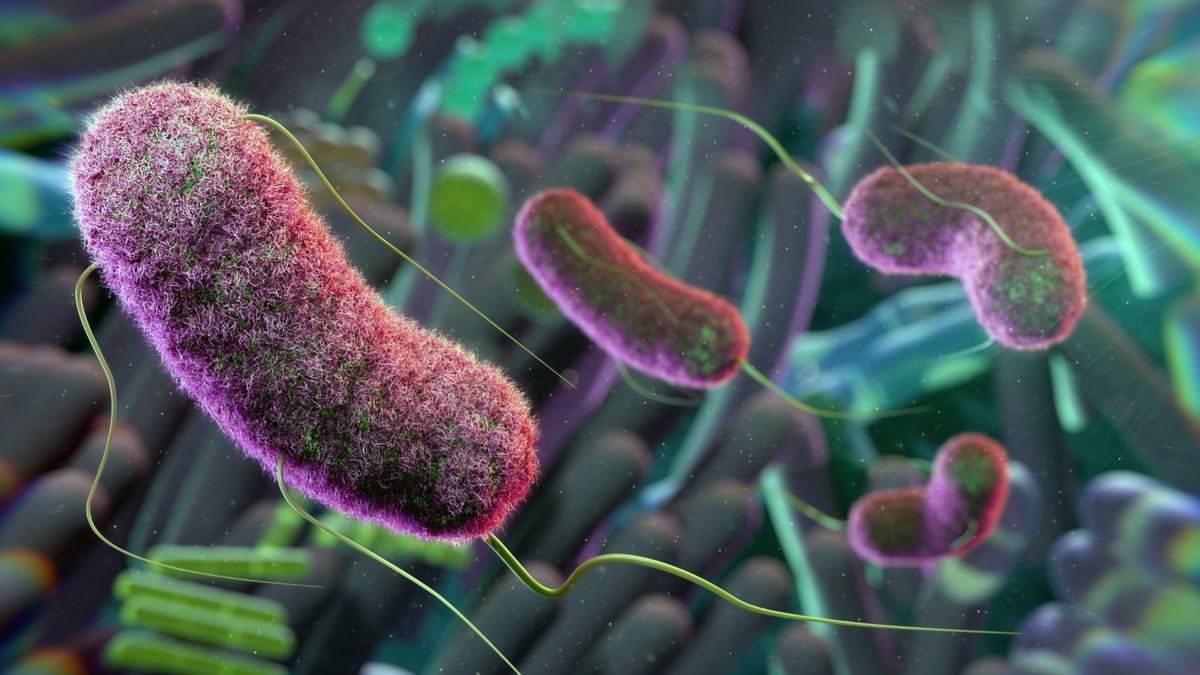
Bacteria in the gut have a direct line to the brain
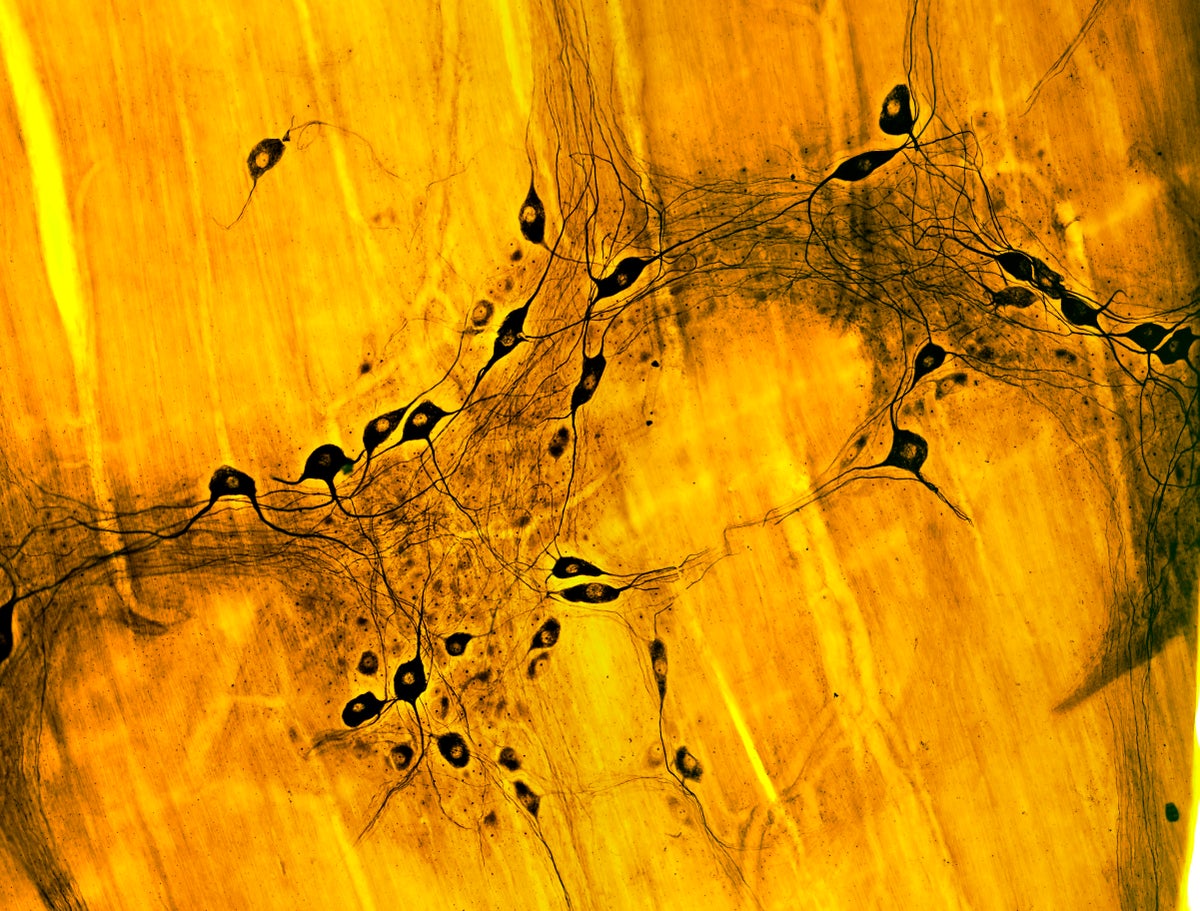
With its 100 million neurons, the gut has earned a reputation as the body's "second brain"—corresponding with the real brain to manage things like intestinal muscle activity and enzyme secretions. A growing ...

These neurons in the abdomen help form the gut-brain connection
Scientists have identified two types of brain cells in the abdomen that appear to control different aspects of digestion.
Gut–brain link grabs neuroscientists
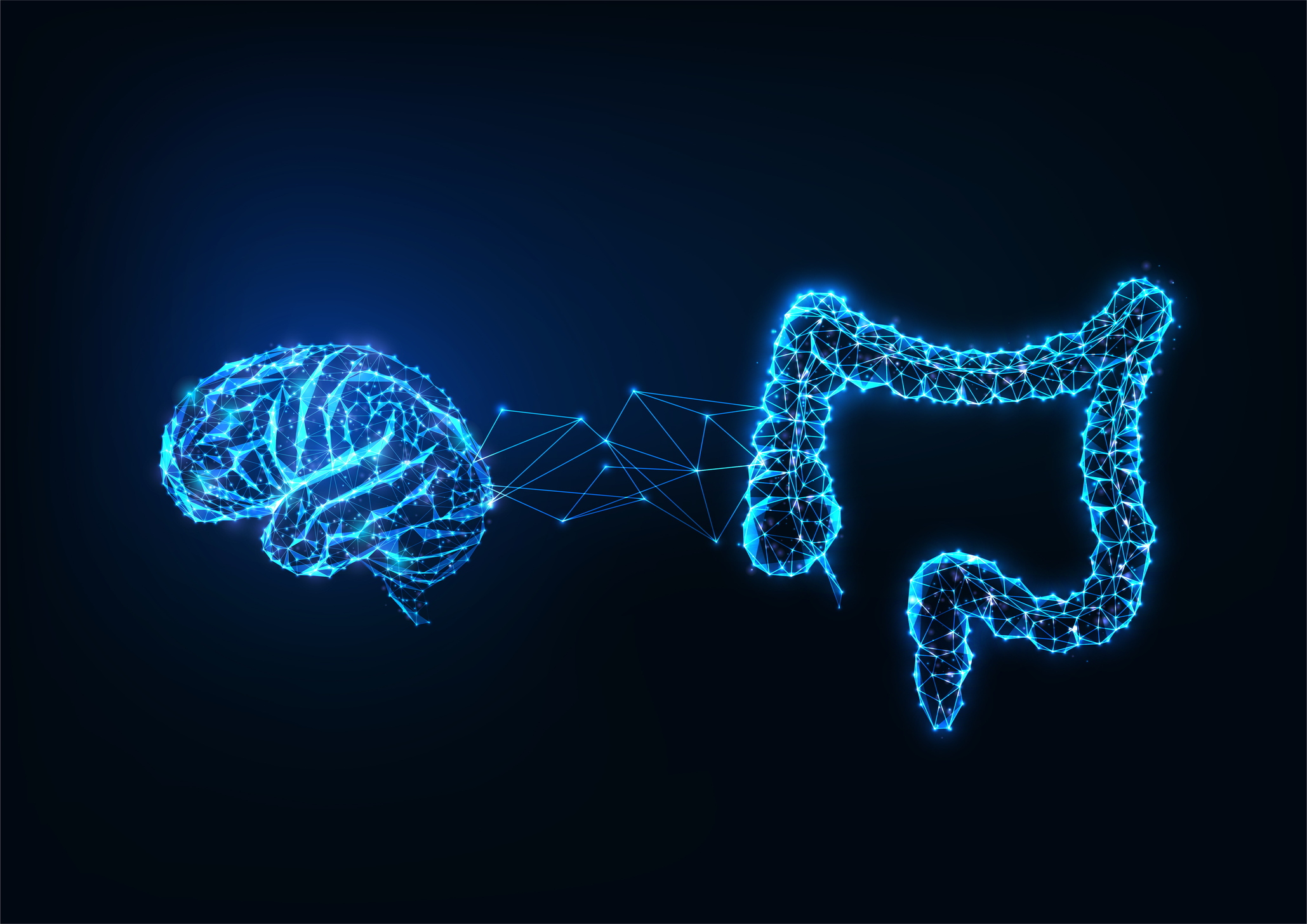
Idea that intestinal bacteria affect mental health gains ground.
Brain-Gut Circuit Lets Microbiota Directly Affect the Sympathetic Nervous System
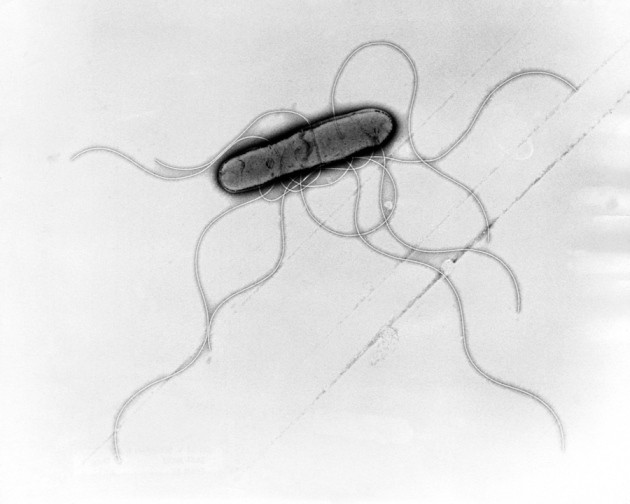
Gut bacteria play a direct role in neuronal communications between the gut and the brain, according to new research.

Psychiatry and Inflammatory Conditions
Diet and gut health are essential components of mental health, and the gut-brain axis has progressed from an esoteric concept to a popular one.
Emotional Memory Cells Driving Empathy Discovered - Neuroscience News
Researchers have uncovered a brain mechanism in the prefrontal cortex that determines how animals respond to others’ emotions based on their own past experiences.

What Causes the Brain’s Emotional Hub to Switch to Negative States? - Neuroscience News
Researchers explore how changes in the patterns of activity in the basolateral amygdala contribute to negative emotions such as fear, anxiety, and depression.
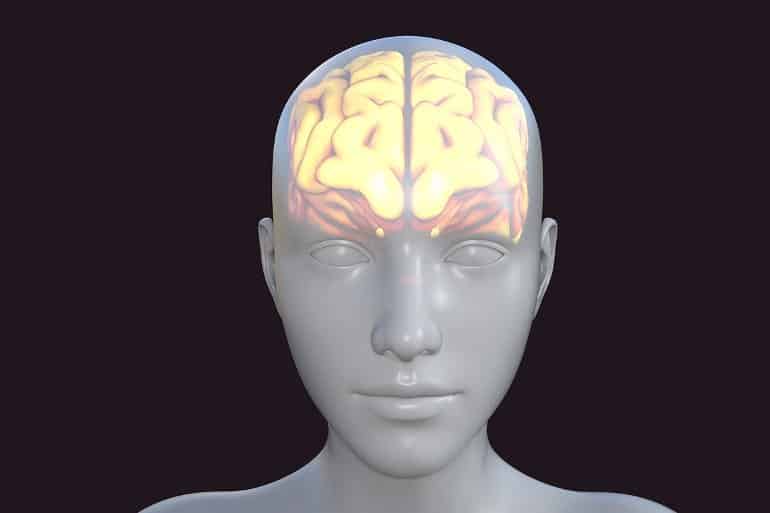
The gut microbiome may influence brain aging, mouse study suggests
A communication pathway between the brain and the gut may be integral to how well the brain holds on to memories
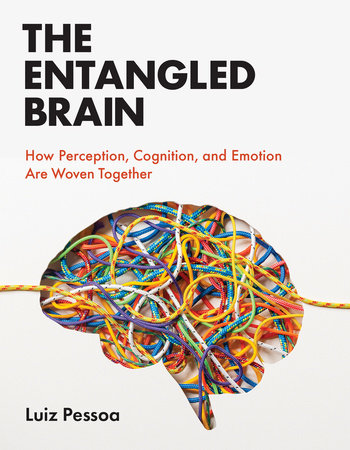
The Entangled Brain: How Perception, Cognition, and Emotion Are Woven Together
A new vision of the brain as a fully integrated, networked organ.Popular neuroscience accounts often focus on specific mind-brain aspects like addiction, c
What stress does to the brain - Neuroscience News
A new study sheds light on how the brain changes as a result of chronic stress. Selective noradrenaline release rewires connectivity patterns between different brain regions. Activity in the amygdala and networks that process sensory stimuli increased.

Psychobiotics: Bacteria to Brighten your Mood | Qualia
Uncover the power of psychobiotics—bacteria that boost mood and mental well-being. Explore the emerging field of gut-brain connection."

Body and Brain Benefits From Lasting Intimacy
Think intimacy is about physical touch? Reach into and understand the emotional brain to truly activate what sparks a deep human connection.

The link between our food, gut microbiome and depression
A new study takes an important step forward in understanding the link between the gut bacteria, what we eat and how we feel

Brain Circuit for Vicarious Fear Reveals How We Feel Others’ Pain - Neuroscience News
Scientists have uncovered a dedicated brain circuit that distinguishes between direct fear and fear learned by observing others—known as vicarious fear.

Role of diet and its effects on the gut microbiome in the pathophysiology of mental disorders
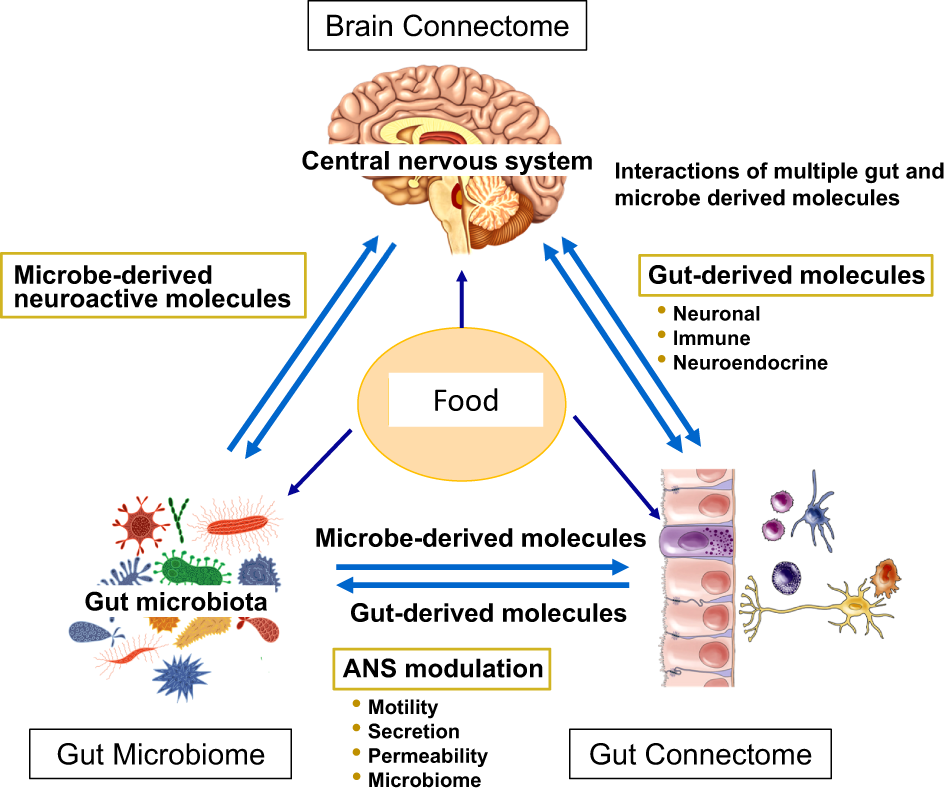
There is emerging evidence that diet has a major modulatory influence on brain-gut-microbiome (BGM) interactions with important implications for brain health, and for several brain disorders. The BGM system is made up of neuroendocrine, neural, and immune communication channels which establish a network of bidirectional interactions between the brain, the gut and its microbiome. Diet not only plays a crucial role in shaping the gut microbiome, but it can modulate structure and function of the brain through these communication channels. In this review, we summarize the evidence available from preclinical and clinical studies on the influence of dietary habits and interventions on a selected group of psychiatric and neurologic disorders including depression, cognitive decline, Parkinson’s disease, autism spectrum disorder and epilepsy. We will particularly address the role of diet-induced microbiome changes which have been implicated in these effects, and some of which are shared between different brain disorders. While the majority of these findings have been demonstrated in preclinical and in cross-sectional, epidemiological studies, to date there is insufficient evidence from mechanistic human studies to make conclusions about causality between a specific diet and microbially mediated brain function. Many of the dietary benefits on microbiome and brain health have been attributed to anti-inflammatory effects mediated by the microbial metabolites of dietary fiber and polyphenols. The new attention given to dietary factors in brain disorders has the potential to improve treatment outcomes with currently available pharmacological and non-pharmacological therapies.