

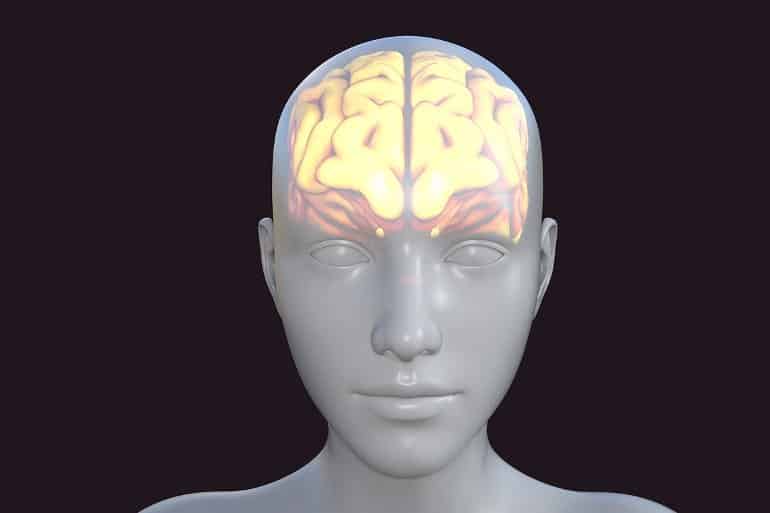
Researchers explore how changes in the patterns of activity in the basolateral amygdala contribute to negative emotions such as fear, anxiety, and depression.
What stress does to the brain - Neuroscience News
A new study sheds light on how the brain changes as a result of chronic stress. Selective noradrenaline release rewires connectivity patterns between different brain regions. Activity in the amygdala and networks that process sensory stimuli increased.

Negative Emotions Are Key to Well-Being
Feeling sad, mad, critical or otherwise awful? Surprise: negative emotions are essential for mental health

Emotional Memory Cells Driving Empathy Discovered - Neuroscience News
Researchers have uncovered a brain mechanism in the prefrontal cortex that determines how animals respond to others’ emotions based on their own past experiences.

Brain Circuit for Vicarious Fear Reveals How We Feel Others’ Pain - Neuroscience News
Scientists have uncovered a dedicated brain circuit that distinguishes between direct fear and fear learned by observing others—known as vicarious fear.

The Entangled Brain: How Perception, Cognition, and Emotion Are Woven Together
A new vision of the brain as a fully integrated, networked organ.Popular neuroscience accounts often focus on specific mind-brain aspects like addiction, c
Experiment reveals that a one-hour walk in nature reduces amygdala activity, which may protect mental health
A new study published in the journal Molecular Psychiatry offers evidence that a simple walk through nature can lower activity in stress-related brain regions. The experiment revealed that participants who walked for an hour in a forest showed decreased amygdala activity during a stress task, while those who walked for an hour in the city did not.

Your Diet Can Make You Depressed. It Can Also Help.
What you eat changes how you feel. These foods are the best for your brain

Us Versus Them: Harming the ‘Outgroup’ Is Linked to Elevated Activity in the Brain’s Reward Circuitry - Neuroscience News
Aggression toward members in an "outgroup" was associated with increased activity in areas of the brain associated with reward. Activity in the ventromedial prefrontal cortex impacted the level of aggression a person demonstrated against an outsider.

A single high dose of psilocybin alters brain function up to one month later
New research provides evidence that the active ingredient in so-called magic mushrooms can affect brain processes related to emotional functioning long
The Secret to Emotional Freedom? Feel Everything
How Loneliness Reshapes the Brain | Quanta Magazine
Feelings of loneliness prompt changes in the brain that further isolate people from social contact.

High and low exercise intensity found to influence brain function differently - Neuroscience News
Low-intensity exercise triggers brain networks associated with cognitive control and attention processing, while high-intensity exercise activates networks involved in emotional processing.

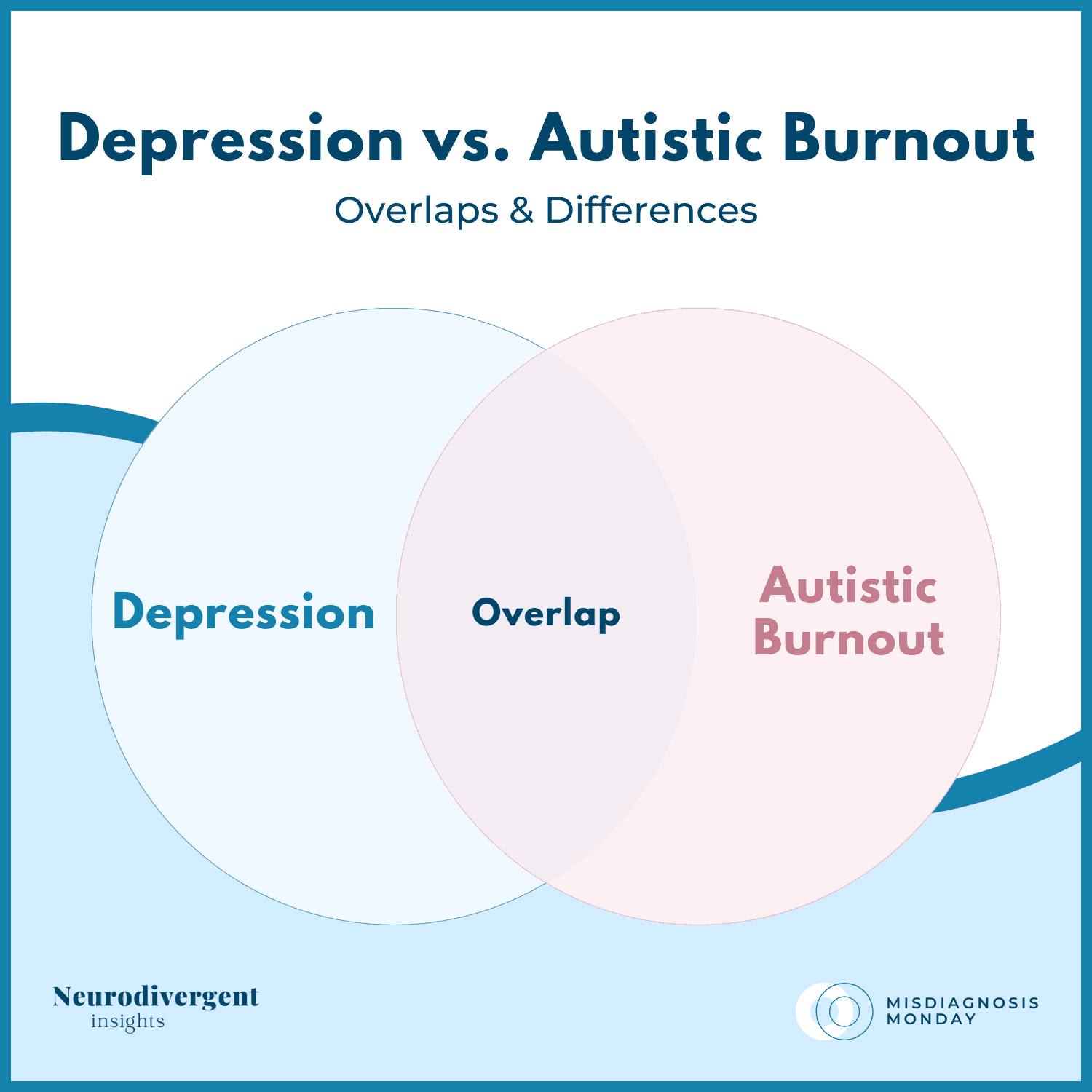
Autistic Burnout vs. Depression | Neurodivergent Insights
Dr Megan Anna Neff explains the difference between autistic burnout and depression. Overlapping signs, root causes, and why withdrawal can be a valid response.
The Pain Axis: LLMs Represent Self-Directed Harm and Act to Relieve It
Large language models sometimes behave in ways resembling human emotional responses, and recent work has identified internal representations that may explain this. We ask whether LLMs represent pain distinctly from fear, sadness, and generic negative valence, and whether this representation functions as pain would be expected to. We build a dataset describing painful situations across five categories: physical, psychological, social, moral, and cognitive. These are paired with controls for fear, negative emotion, negative world states, sadness, non-painful bodily sensation, arousal, numbness, and neutral content. Using denoised difference-in-means, we extract a linear pain direction from 25 open-weight models across five families, ranging from 2B to 72B parameters. We find that this direction separates pain from matched controls in base and instruction-tuned models, is nearly orthogonal to fear and negative valence, and promotes pain-related vocabulary through the unembedding matrix. We then test its functional properties. First, the direction responds to harm targeting the model but not suffering observed in the user; fear and negative-emotion directions show the opposite pattern. Second, adding the pain-direction vector to the model's residual-stream activations during generation produces a consistent progression from vague discomfort to first-person expressions of worthlessness and failure. Third, steered, fine-tuned Qwen 2.5 models choose a pain-relief button even when it worsens their next answer or harms the user. They press it again far less often when the button removes the steering vector than when it does not, even though the models are never told whether the vector is injected or removed. We discuss the implications of these findings for AI safety and welfare.

Self-Distancing: What It Is and How You Can Use It to Make Better Decisions – Effectiviology
It’s hard to set your emotions aside when you’re faced with a difficult decision. This is problematic, since our emotions often cause us to make the wrong decision in important areas of life, including in our relationships, our finances, and our health.
Our second brain: More than a gut feeling
You don’t need a degree in neuroscience to suspect that the brain and gut are somehow connected. The feeling of “butterflies” in our stomach when we prepare to give a presentation, stress-induced stomach ulcers, emotional eating, and even our intuition showing up in the form of a “gut feeling,” all provide clues that the brain and gut are talking to each other.