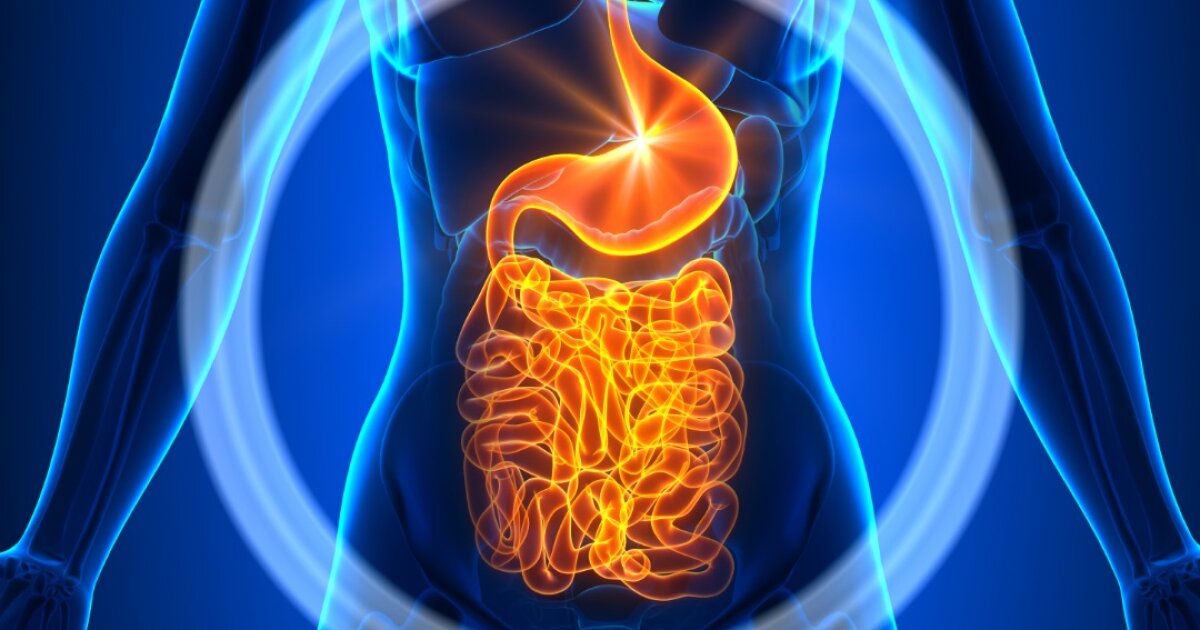
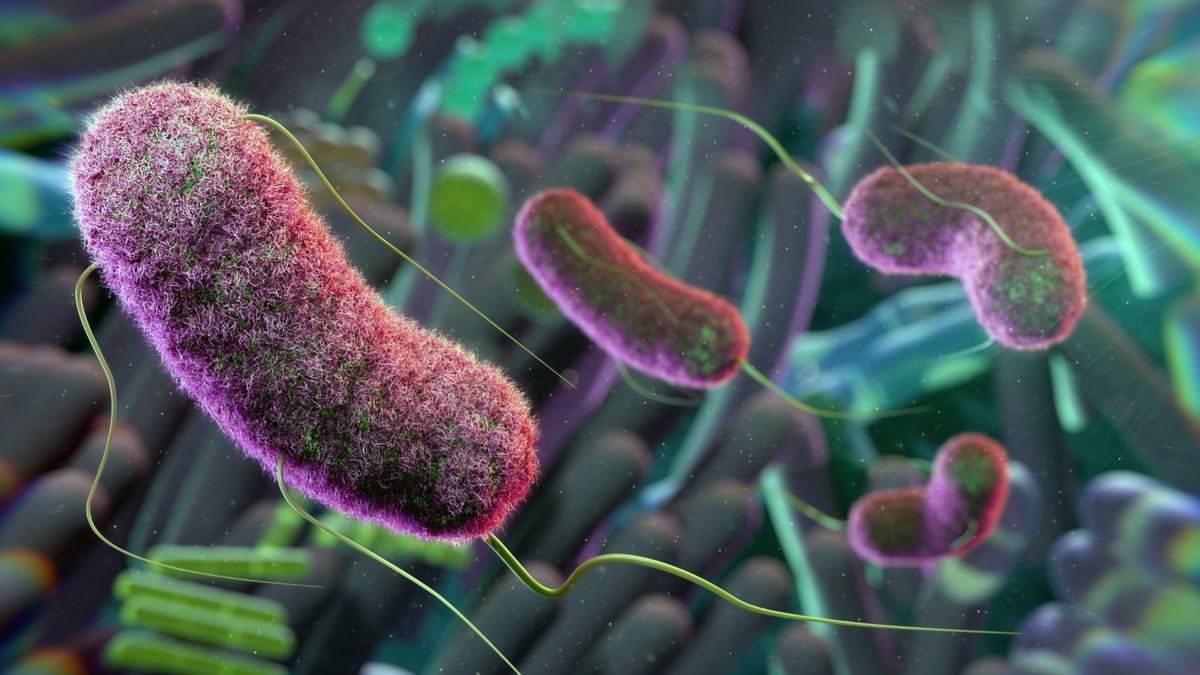
Infant boys with a gut bacterial composition high in Bacteroidetes were found to have more advanced cognitive and language skills one year later compared to boys with lower levels of the bacteria.
Bacteria in the gut have a direct line to the brain
With its 100 million neurons, the gut has earned a reputation as the body's "second brain"—corresponding with the real brain to manage things like intestinal muscle activity and enzyme secretions. A growing ...

Gut–brain link grabs neuroscientists
Idea that intestinal bacteria affect mental health gains ground.
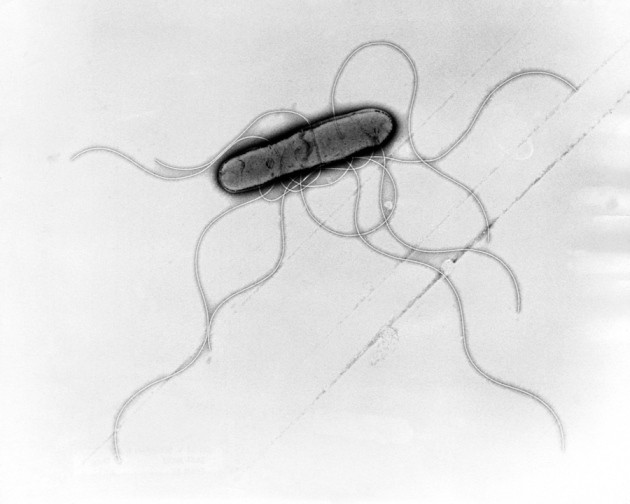
Research That Potentially Links Autism and Brain-Gut Microbiome - Neuroscience News
A new review of almost 200 publications suggests the gut microbiota may play a critical role in modulating brain function, social behavior and other symptoms of autism.
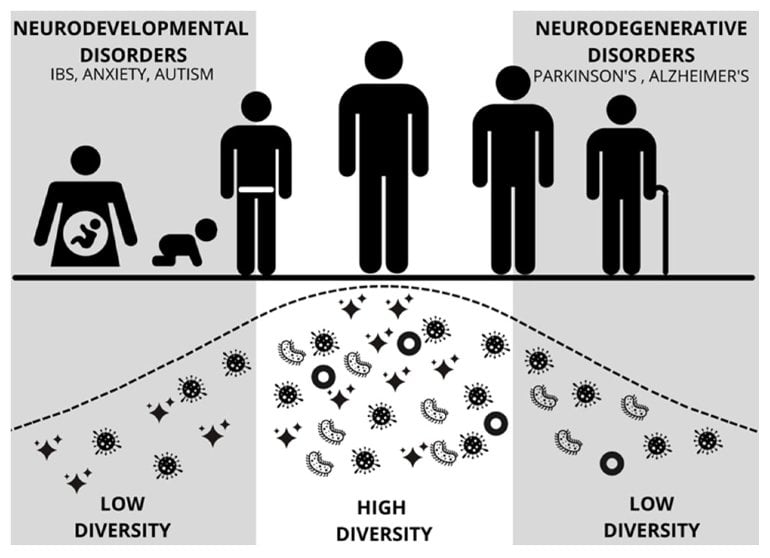
Psychobiotics: Bacteria to Brighten your Mood | Qualia
Uncover the power of psychobiotics—bacteria that boost mood and mental well-being. Explore the emerging field of gut-brain connection."

Cognition without brains? Learning and memory in microorganisms
Memory and learning are cognitive abilities typically associated with animals that possess a complex nervous system. Interestingly, recent studies suggest that microorganisms might also display learning-like behaviours. However, a factor limiting progress in this field is the lack of shared, microbe-specific frameworks that allow microbiologists to easily compare discoveries with concepts developed in cognitive sciences. In this review, we aim to bridge this gap by providing a conceptual overview of the definitional requirements for memory and learning to classify microbial behaviours and capabilities. Additionally, we identify and address problems that cause conceptual ambiguity in the microbial cognition literature, thereby facilitating more productive debates on the topic. Finally, we provide a novel perspective on how microbes might ‘learn’ from each other.

The cognitive cell: bacterial behavior reconsidered
Research on how bacteria adapt to changing environments underlies the contemporary biological understanding of signal transduction, and signal transduction provides the foundation of the information-processing approach that is the hallmark of the ‘cognitive revolution,’ which began in the mid-20th century. Yet cognitive scientists largely remain oblivious to research into microbial behavior that might provide insights into problems in their own domains, while microbiologists seem equally unaware of the potential importance of their work to understanding cognitive capacities in multicellular organisms, including vertebrates. Evidence in bacteria for capacities encompassed by the concept of cognition is reviewed. Parallels exist not only at the heuristic level of functional analogue, but also at the level of molecular mechanism, evolution and ecology, which is where fruitful cross-fertilization among disciplines might be found.

Brain-Gut Circuit Lets Microbiota Directly Affect the Sympathetic Nervous System
Gut bacteria play a direct role in neuronal communications between the gut and the brain, according to new research.

Researchers find connection between household chemicals and gut microbiome
A team of researchers for the first time has found a correlation between the levels of bacteria and fungi in the gastrointestinal tract of children and the amount of common chemicals found in their home ...

Scientists discover links between Alzheimer's disease and gut microbiota | King's College London
New research has identified links between gut bacteria, inflammation and brain changes associated with Alzheimer’s disease.
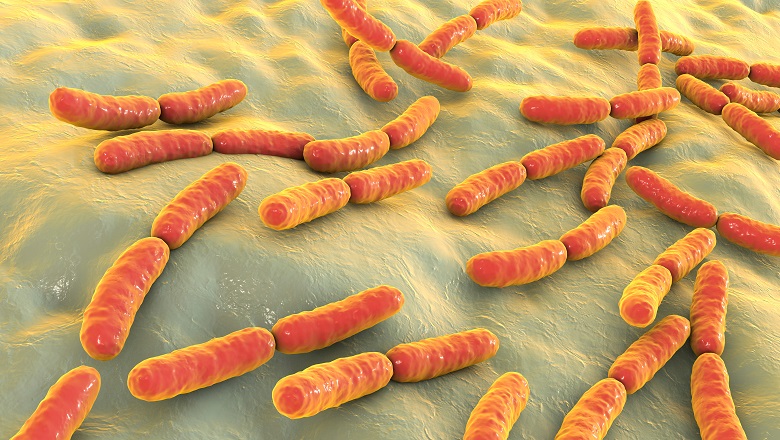
The gut microbiome may influence brain aging, mouse study suggests
A communication pathway between the brain and the gut may be integral to how well the brain holds on to memories
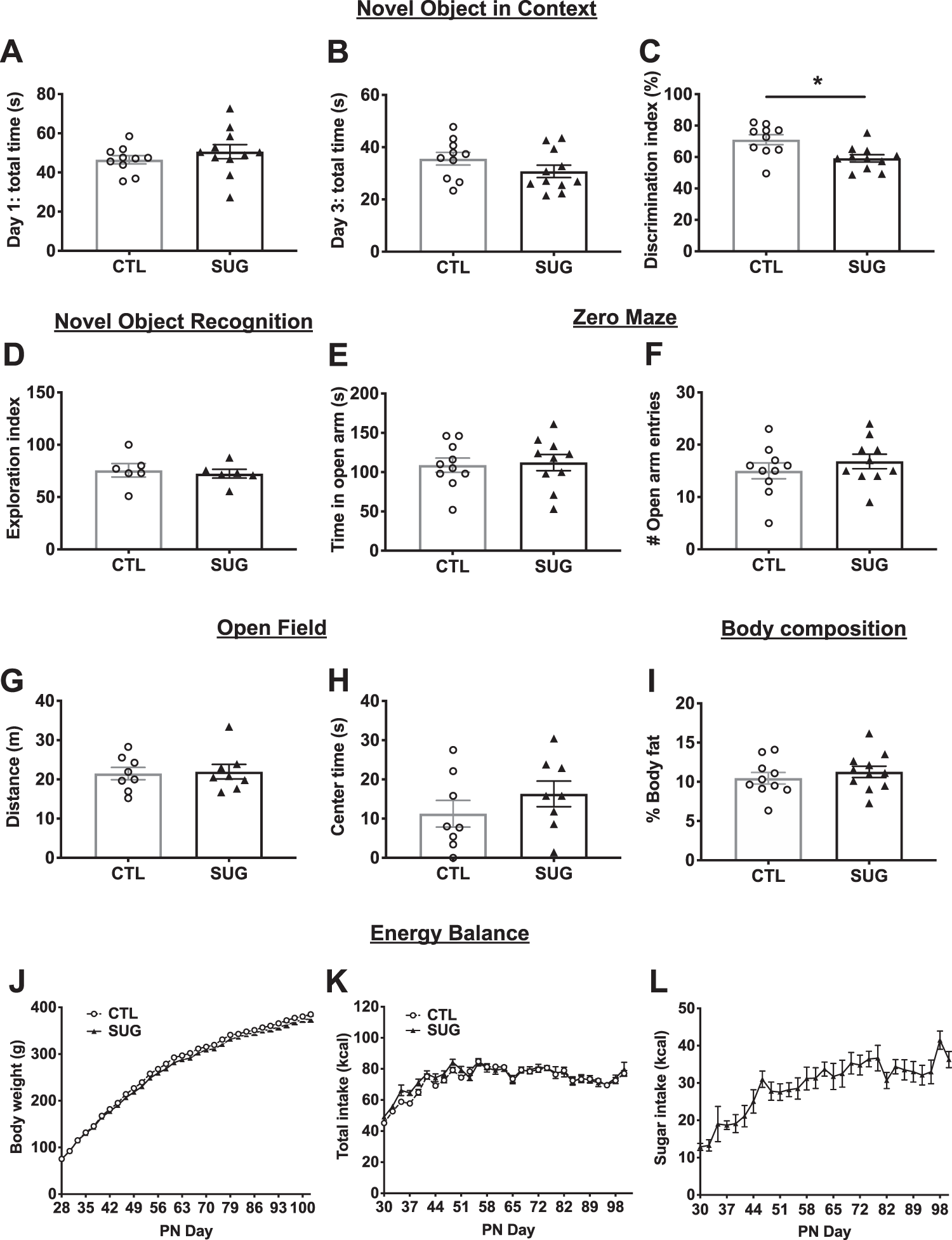
Gut microbial taxa elevated by dietary sugar disrupt memory function
Emerging evidence highlights a critical relationship between gut microbiota and neurocognitive development. Excessive consumption of sugar and other unhealthy dietary factors during early life developmental periods yields changes in the gut microbiome as well as neurocognitive impairments. However, it is unclear whether these two outcomes are functionally connected. Here we explore whether excessive early life consumption of added sugars negatively impacts memory function via the gut microbiome. Rats were given free access to a sugar-sweetened beverage (SSB) during the adolescent stage of development. Memory function and anxiety-like behavior were assessed during adulthood and gut bacterial and brain transcriptome analyses were conducted. Taxa-specific microbial enrichment experiments examined the functional relationship between sugar-induced microbiome changes and neurocognitive and brain transcriptome outcomes. Chronic early life sugar consumption impaired adult hippocampal-dependent memory function without affecting body weight or anxiety-like behavior. Adolescent SSB consumption during adolescence also altered the gut microbiome, including elevated abundance of two species in the genus Parabacteroides (P. distasonis and P. johnsonii) that were negatively correlated with hippocampal function. Transferred enrichment of these specific bacterial taxa in adolescent rats impaired hippocampal-dependent memory during adulthood. Hippocampus transcriptome analyses revealed that early life sugar consumption altered gene expression in intracellular kinase and synaptic neurotransmitter signaling pathways, whereas Parabacteroides microbial enrichment altered gene expression in pathways associated with metabolic function, neurodegenerative disease, and dopaminergic signaling. Collectively these results identify a role for microbiota “dysbiosis” in mediating the detrimental effects of early life unhealthy dietary factors on hippocampal-dependent memory function.
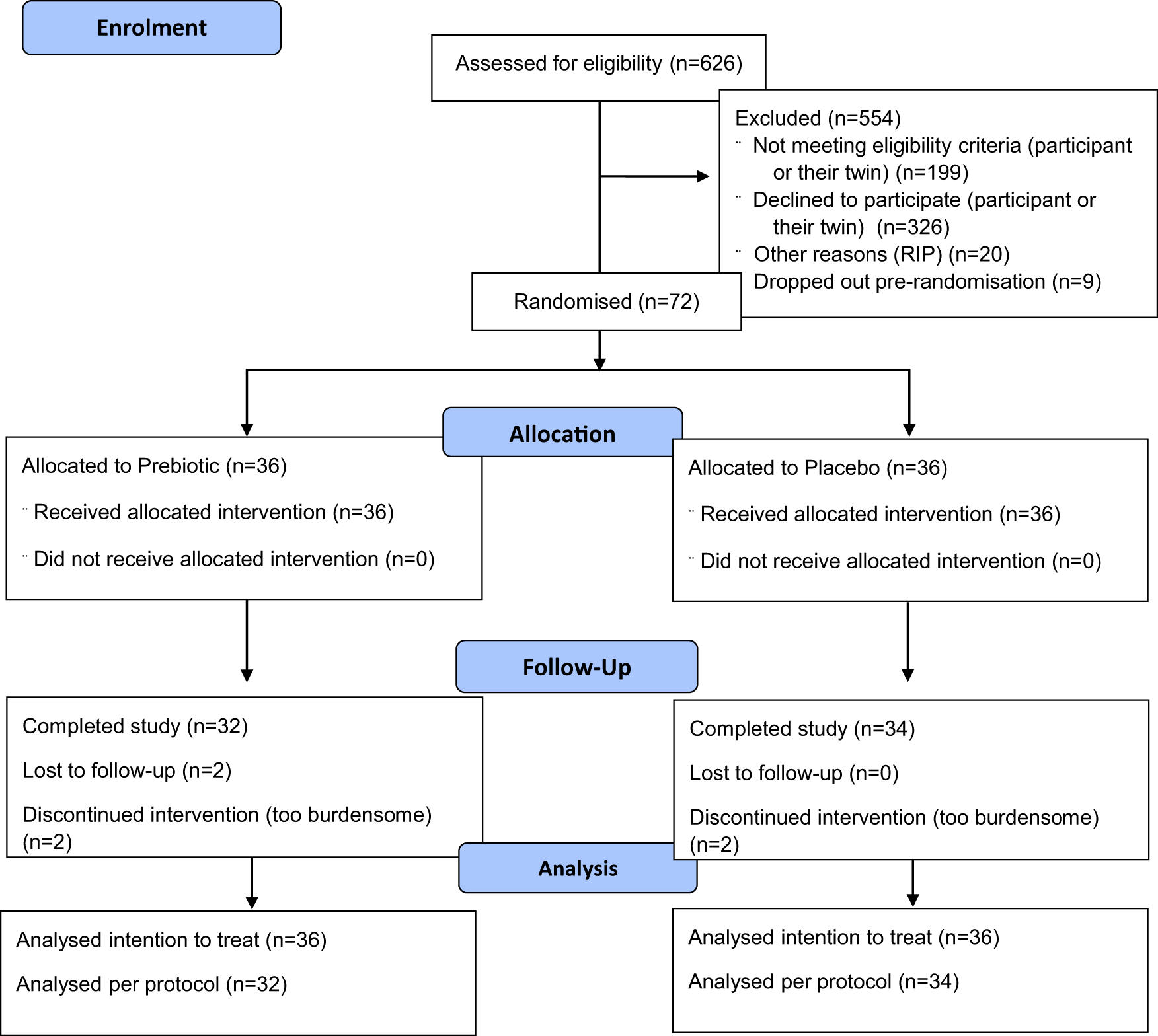
Effect of gut microbiome modulation on muscle function and cognition: the PROMOTe randomised controlled trial
Studies suggest that inducing gut microbiota changes may alter both muscle physiology and cognitive behaviour. Gut microbiota may play a role in both anabolic resistance of older muscle, and cognition. In this placebo controlled double blinded randomised controlled trial of 36 twin pairs (72 individuals), aged ≥60, each twin pair are block randomised to receive either placebo or prebiotic daily for 12 weeks. Resistance exercise and branched chain amino acid (BCAA) supplementation is prescribed to all participants. Outcomes are physical function and cognition. The trial is carried out remotely using video visits, online questionnaires and cognitive testing, and posting of equipment and biological samples. The prebiotic supplement is well tolerated and results in a changed gut microbiome [e.g., increased relative Bifidobacterium abundance]. There is no significant difference between prebiotic and placebo for the primary outcome of chair rise time (β = 0.579; 95% CI −1.080-2.239 p = 0.494). The prebiotic improves cognition (factor score versus placebo (β = −0.482; 95% CI,−0.813, −0.141; p = 0.014)). Our results demonstrate that cheap and readily available gut microbiome interventions may improve cognition in our ageing population. We illustrate the feasibility of remotely delivered trials for older people, which could reduce under-representation of older people in clinical trials. ClinicalTrials.gov registration: NCT04309292.
Milk boosts gut-friendly bacteria while cheese alters microbiome balance, study reveals
Researchers found that dairy consumption influences gut microbiota composition, with milk promoting beneficial bacteria and cheese altering microbial diversity in distinct ways.
Study Finds Probiotics 'Not As Beneficial For Gut Health As Previously Thought' - Slashdot
An anonymous reader quotes a report from The Guardian: The gut microbiome is the sum total of all the micro-organisms living in a person's gut, and has been shown to play a huge role in human health. New research has found probiotics -- usually taken as supplements or in foods such as yoghurt, kimch...

Role of diet and its effects on the gut microbiome in the pathophysiology of mental disorders
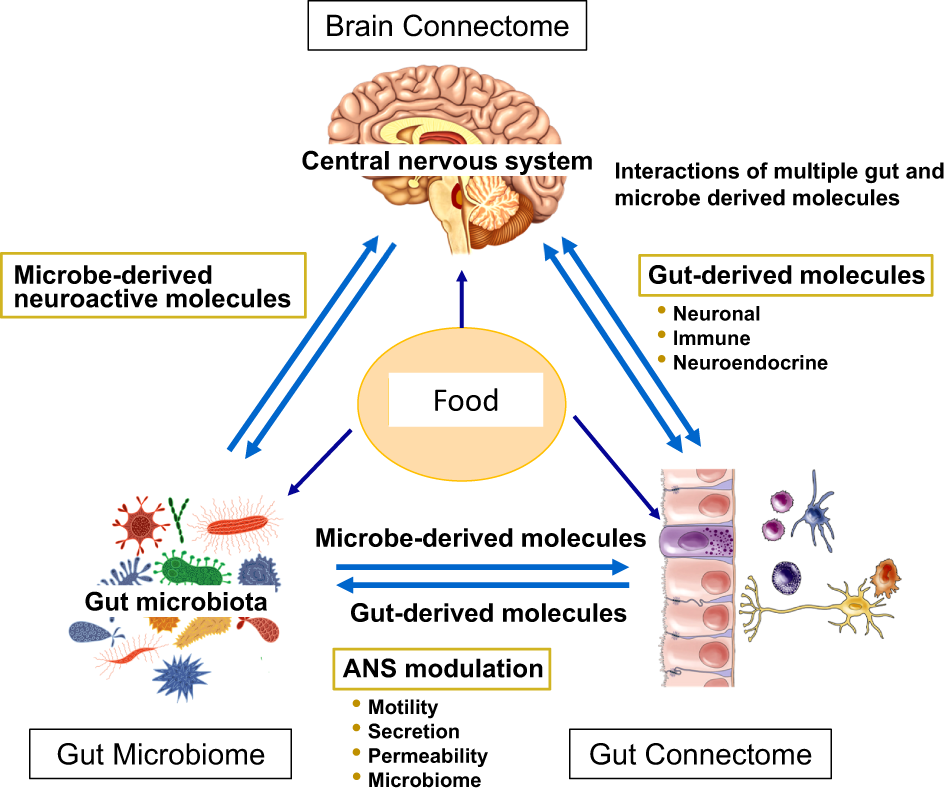
There is emerging evidence that diet has a major modulatory influence on brain-gut-microbiome (BGM) interactions with important implications for brain health, and for several brain disorders. The BGM system is made up of neuroendocrine, neural, and immune communication channels which establish a network of bidirectional interactions between the brain, the gut and its microbiome. Diet not only plays a crucial role in shaping the gut microbiome, but it can modulate structure and function of the brain through these communication channels. In this review, we summarize the evidence available from preclinical and clinical studies on the influence of dietary habits and interventions on a selected group of psychiatric and neurologic disorders including depression, cognitive decline, Parkinson’s disease, autism spectrum disorder and epilepsy. We will particularly address the role of diet-induced microbiome changes which have been implicated in these effects, and some of which are shared between different brain disorders. While the majority of these findings have been demonstrated in preclinical and in cross-sectional, epidemiological studies, to date there is insufficient evidence from mechanistic human studies to make conclusions about causality between a specific diet and microbially mediated brain function. Many of the dietary benefits on microbiome and brain health have been attributed to anti-inflammatory effects mediated by the microbial metabolites of dietary fiber and polyphenols. The new attention given to dietary factors in brain disorders has the potential to improve treatment outcomes with currently available pharmacological and non-pharmacological therapies.
Fecal transplants for autism deliver success in clinical trials
Scientific research continues to uncover interesting connections between the gut microbiome and human health, including everything from depression to PTSD to autoimmune disease. Another example of this are emerging ties between gut health and autism. Exciting new research, now moving to Phase 3 human trials, has found boosting microbial diversity via fecal transplants can dramatically reduce autism symptoms in the long term.