


Scientists have uncovered a dedicated brain circuit that distinguishes between direct fear and fear learned by observing others—known as vicarious fear.
Emotional Memory Cells Driving Empathy Discovered - Neuroscience News
Researchers have uncovered a brain mechanism in the prefrontal cortex that determines how animals respond to others’ emotions based on their own past experiences.

What Causes the Brain’s Emotional Hub to Switch to Negative States? - Neuroscience News
Researchers explore how changes in the patterns of activity in the basolateral amygdala contribute to negative emotions such as fear, anxiety, and depression.
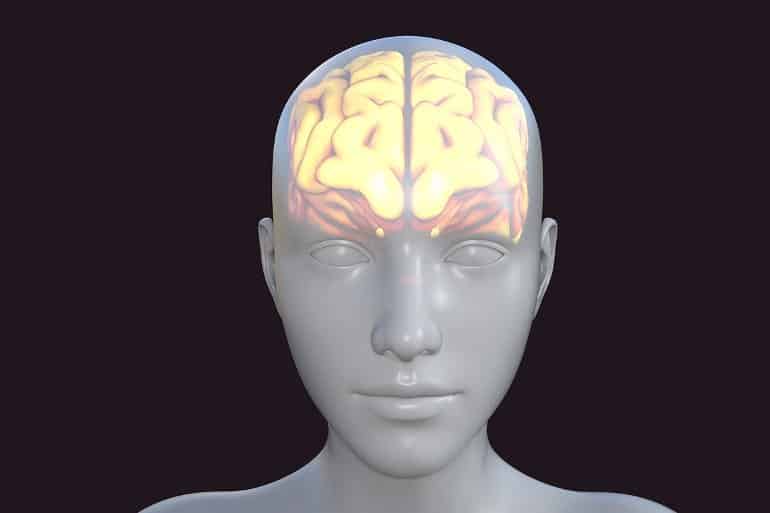
Serotonin Helps Your Brain Predict Future Rewards - Neuroscience News
New research reveals that serotonin plays a key role in how the brain predicts future rewards, shedding light on its puzzling activity in response to both pleasure and pain.

Friend or Foe? Single Neurons in the Brain Control Social Interaction, Study Finds
The neurons, sprinkled across the frontal parts of the brain, are strikingly powerful. They tracked how players behaved—were they cooperative, or selfish?

Us Versus Them: Harming the ‘Outgroup’ Is Linked to Elevated Activity in the Brain’s Reward Circuitry - Neuroscience News
Aggression toward members in an "outgroup" was associated with increased activity in areas of the brain associated with reward. Activity in the ventromedial prefrontal cortex impacted the level of aggression a person demonstrated against an outsider.

Generalization of beneficial exposure effects to untreated stimuli from another fear category
Previous research has shown that fear associated with one stimulus often spreads to other stimuli with similar perceptual features as well as across different stimulus categories. Exposure is considered as the most effective intervention to attenuate exaggerated fear. The extent to which exposure treatment effects can generalize to fears not targeted during treatment remains elusive. Previous studies on possible generalization of beneficial effects of exposure used stimuli sharing the same stimulus category and/or stimuli having high perceptual similarity. The current study examined whether exposure treatment generalization can be achieved for untreated stimuli which do not share any perceptual resemblance and belong to a different fear category. An analogue sample of fifty participants with fear of spiders (animal-related fears) and heights (natural environment-related fears) was tested. Participants have been randomly assigned to either an exposure treatment (n = 24) or a control condition (n = 26). Exposure treatment was designed to only target participants’ fear of spiders, leaving their fear of heights untreated. Results demonstrated that the effects of exposure treatment generalized to fear of heights, as indicated by a reduction in behavioral avoidance, as well as self-reported acrophobia symptoms. The present study confutes the assumption that generalization of exposure effects to untreated fears is based on perceptual similarity. Clearly, further research is required to determine the decisive factors, in order to expand the generalization effect permanently to any given type of fear.

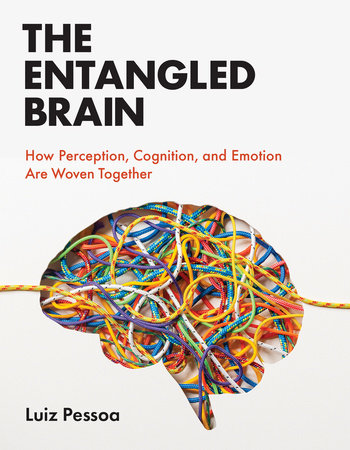
The Entangled Brain: How Perception, Cognition, and Emotion Are Woven Together
A new vision of the brain as a fully integrated, networked organ.Popular neuroscience accounts often focus on specific mind-brain aspects like addiction, c
How Loneliness Reshapes the Brain | Quanta Magazine
Feelings of loneliness prompt changes in the brain that further isolate people from social contact.

Neuroscientists Say They've Found An Entirely New Form of Neural Communication - Slashdot
Scientists think they've identified a previously unknown form of neural communication that self-propagates across brain tissue, and can leap wirelessly from neurons in one section of brain tissue to another -- even if they've been surgically severed. The discovery offers some radical new insights ab...

People with heightened anxiety have altered perceptions of their breathing, study finds
New research provides evidence that anxiety is related to altered interoception, the perception of one's own internal bodily states. The new study, published in the journal Neuron, examined the relationship between anxiety and the perception of breathing.

The Brain ‘Rotates’ Memories to Save Them From New Sensations | Quanta Magazine
Some populations of neurons simultaneously process sensations and memories. New work shows how the brain rotates those representations to prevent interference.
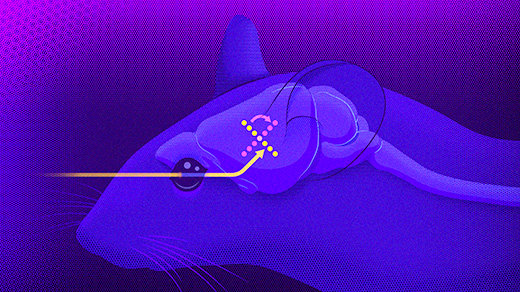
Scientists may have found the root of anxiety, opening a door to treatment
"For people suffering from anxiety, this news should give hope."

The empathy paradox
There’s an image of empathy we all know that is beautiful: the fullness of completely understanding someone else, the symbolic walk in shoes that are not one’s own. The knowledge that someone else can share a pain so acute that would otherwise seem unbearably solitary. It’s an image inherent to empathy’s definition, an image many believe in wholeheartedly. Several studies conducted by Stanford researchers alone suggest people are motivated to feel empathy, that empathy is highly associated with social desirability, that it is as beneficial as it is admired.
What stress does to the brain - Neuroscience News
A new study sheds light on how the brain changes as a result of chronic stress. Selective noradrenaline release rewires connectivity patterns between different brain regions. Activity in the amygdala and networks that process sensory stimuli increased.

Open-source software reveals complete 3D architecture of brain cells
The neurons in our brain that underlie thought connect to each other using tiny branch-like structures on their surfaces known as dendritic spines. Now scientists at Columbia's Zuckerman Institute and ...

Your Brain Chooses What to Let You See | Quanta Magazine
Beneath our awareness, the brain lets certain kinds of stimuli automatically capture our attention by lowering the priority of the rest.
