


Depression-related fatigue is caused by cellular "overworking" at rest and a failure to produce energy under stress.
Why Am I So Damn Tired All the Time?
What science says about your perpetual sleepiness—and what you can do to fix it.

The negative impact of the psychiatric model of chronic fatigue syndrome on doctors’ understanding and management of the illness
Background: Myalgic Encephalomyelitis/Chronic Fatigue Syndrome (ME/CFS) is a disabling condition that greatly impacts the lives of sufferers. Many sufferers report problems getting a confirmatory d...

When one can work no more: The effects of burnout on your body
Continual stress is often associated with emotional problems, but it can also have major physical consequences, including heart attacks


Exercise therapy for chronic fatigue syndrome
Exercise as treatment for adults with chronic fatigue syndrome, What is the aim of this review?, People with chronic fatigue syndrome have long‐lasting fatigue, joint pain, headaches, sleep problems, poor concentration and short‐term memory. These symptoms cause significant disability and distress. We wanted to find out whether exercise therapy can help people with chronic fatigue syndrome (myalgic encephalomyelitis)., Key messages, People who have exercise therapy probably have less fatigue at the end of treatment than those who receive more passive therapies. We are uncertain if this improvement lasts in the long term. We are also uncertain about the risk of serious side effects from exercise therapy., What was studied in the review?, We explored whether exercise therapy can reduce chronic fatigue syndrome symptoms. We searched for studies comparing the effect of exercise therapy with treatment as usual or other therapies., What are the main results of the review?, We found eight studies with 1518 participants. The studies compared participants who received exercise therapy to participants who received treatment as usual or more active treatments such as cognitive behavioural therapy., Participants had exercise therapy for 12 weeks to 26 weeks. The studies measured the effect of the therapy at the end of the treatment and also long term, after 50 or 72 weeks. Participants exercised at different levels of intensity using variations of aerobic exercising such as walking, swimming or cycling., Exercise therapy compared to treatment as usual or relaxation, Participants who have exercise therapy probably have less fatigue at the end of treatment, and they may have moderately better physical functioning. We are uncertain if these improvements last long term because we are very uncertain about the evidence., Participants who have exercise therapy may have slightly better sleep, both at the end of treatment and long term., We are uncertain about the risk of serious side effects and the effects of exercise therapy on pain, quality of life, and depression. This is because we lack evidence or because we are very uncertain about the evidence., Exercise therapy compared to cognitive behavioural therapy, Exercise therapy may make little or no difference to participants’ fatigue at end of treatment or in the long term. Exercise therapy may make little or no difference to participants’ physical functioning at end of treatment, but the long‐term effect on physical functioning is uncertain., No studies looked at the effect of exercise therapy on depression at the end of treatment, but it probably has little or no long‐term effect., We are uncertain about the risk of side effects. We are also uncertain about the effects on pain, quality of life, or sleep. This is because we lack evidence or because we are very uncertain about the evidence., Exercise therapy compared to adaptive pacing (living within limits), Participants who have exercise therapy may have slightly less fatigue and depressive symptoms and slightly better physical functioning and sleep at the end of treatment and long term than participants who have adaptive pacing., We are uncertain about the risk of serious side effects. We are also uncertain about the effect on quality of life or pain. This is because we lack evidence or we are very uncertain about the evidence., Exercise therapy compared to antidepressants, We are uncertain if exercise therapy is better than antidepressants at reducing fatigue. We are also uncertain of its effect on depression, side effects, pain, physical functioning, quality of life or sleep. This is because we lack evidence or we are very uncertain about the evidence., Why is this review important?, Exercise therapy is recommended by treatment guidelines and often used as treatment for people with chronic fatigue syndrome. People with chronic fatigue syndrome should have the opportunity to make informed decisions about their care and treatment based on robust research evidence and whether exercise therapy is effective, either as a stand‐alone intervention or as part of a treatment plan., It is important to note that the evidence in this review is from people diagnosed with 1994 criteria of the Centers for Disease Control and Prevention or the Oxford criteria. People diagnosed using other criteria may experience different effects.

Depression linked to internal jet lag study finds
Circadian rhythms controlling sleep were out of sync in a quarter of young people with depression in this Sydney-based study. Read more

What stress does to the brain - Neuroscience News
A new study sheds light on how the brain changes as a result of chronic stress. Selective noradrenaline release rewires connectivity patterns between different brain regions. Activity in the amygdala and networks that process sensory stimuli increased.

Why Your Brain Needs More Downtime
Research on naps, meditation, nature walks and the habits of exceptional artists and athletes reveals how mental breaks increase productivity, replenish attention, solidify memories and encourage creativity

the depression thing
the depression thing: a neat story about depression and mental health. By Zach Holman.

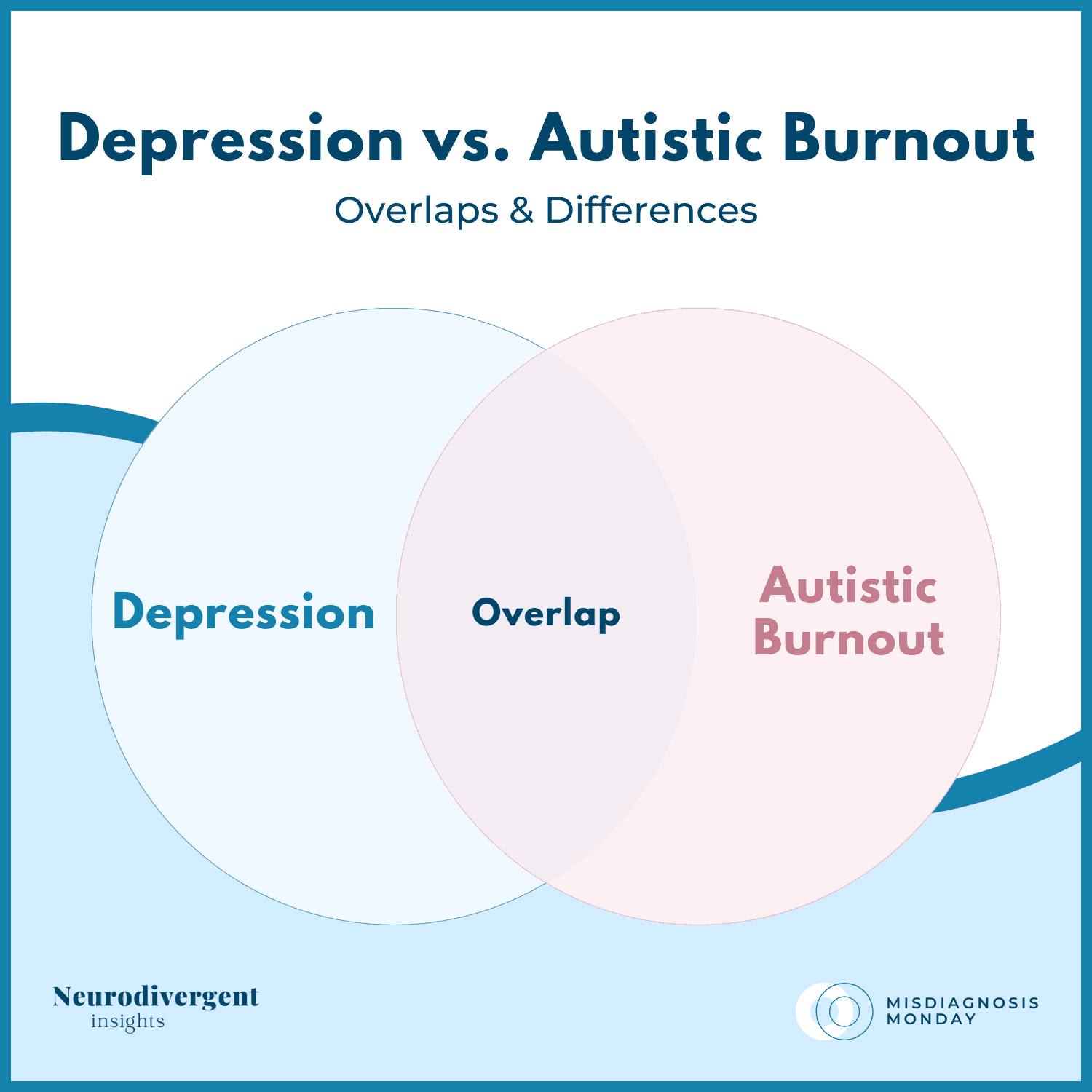
Autistic Burnout vs. Depression | Neurodivergent Insights
Dr Megan Anna Neff explains the difference between autistic burnout and depression. Overlapping signs, root causes, and why withdrawal can be a valid response.
AI fatigue is real and nobody talks about it | Siddhant Khare
You're using AI to be more productive. So why are you more exhausted than ever? The paradox every engineer needs to confront.
Life Is Strange Post-Game Depression Starter Kit
163 votes, 53 comments. Just finished the game and have that empty whole inside your heart? You're not alone! Lot's of people have gone through the…
Research update: The relation between ME/CFS disease burden and research funding in the USA
BACKGROUND: Myalgic Encephalomyelitis/Chronic Fatigue Syndrome (ME/CFS) is a debilitating, chronic, multisystem disease that affects an estimated 1 to 2.5 milli...

Burnout Phase Transition - meri's missives
Modelling chronic stress effects on my mental health and the end of monopolies
Graded exercise therapy for myalgic encephalomyelitis/chronic fatigue syndrome is not effective and unsafe. Re-analysis of a Cochrane review
The analysis of the 2017 Cochrane review reveals flaws, which means that contrary to its findings, there is no evidence that graded exercise therapy is effective. Because of the failure to report harms adequately in the trials covered by the review, it cannot be said that graded exercise therapy is safe. The analysis of the objective outcomes in the trials provides sufficient evidence to conclude that graded exercise therapy is an ineffective treatment for myalgic encephalomyelitis/chronic fatigue syndrome.
Amy Deng on Twitter / X
I’m an AI researcher turned brain tumor patient, and recently I used the models to crack my mystery fatigue faster than my PCP could. I believe everyone can do the same with their own symptoms. Here’s how: pic.twitter.com/0jhbPvEi7V— Amy Deng (@amydeng_) June 16, 2026
