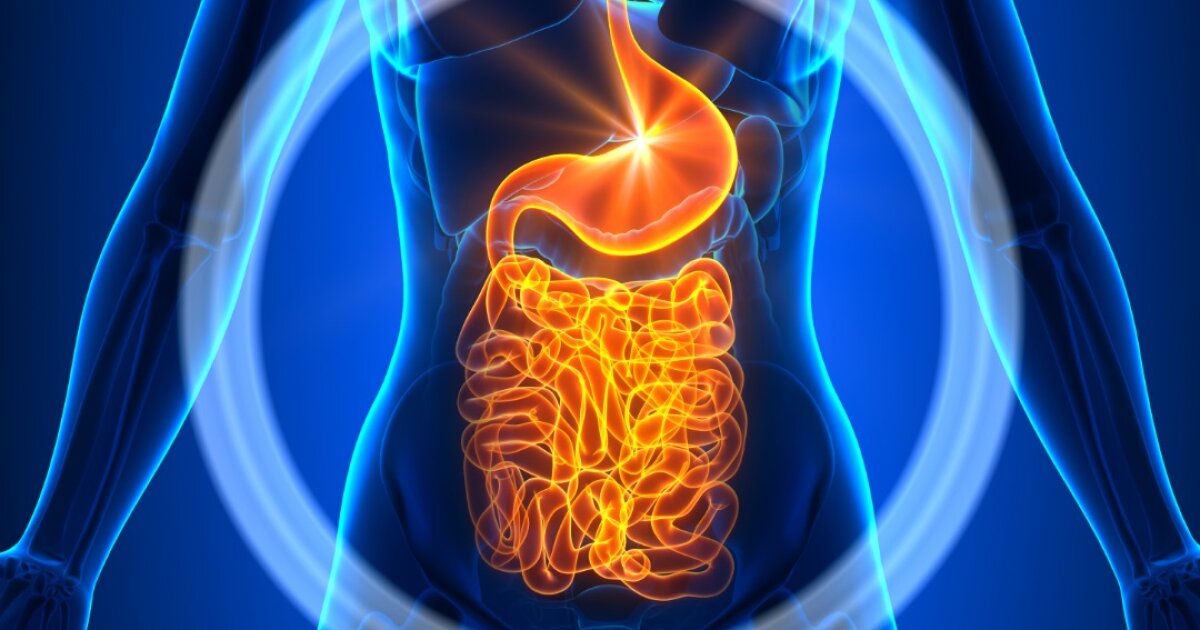
Researchers identified specific genetic variants and families of gut microbes associated with anxiety-like behavior, including host genes that influence anxiety indirectly.
How Microbiomes Affect Fear | Quanta Magazine
New studies help to explain how microbes in the gut can shape a host’s fear responses.
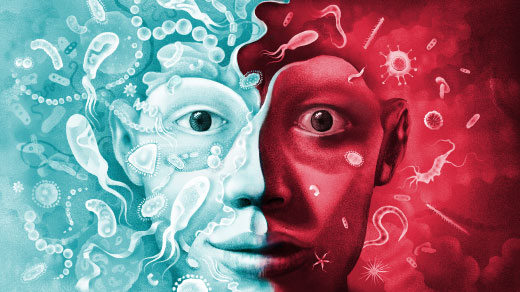
The Probiotic Breakthrough for Anxiety Relief: How Gut Bacteria Influence Mental Health
Researchers have discovered that naturally occurring gut microbes produce indoles—compounds that play a key role in regulating anxiety-related brain activity. This finding paves the way for next-generation therapies that use probiotic microbes to support mental health and potentially reduce anxiety symptoms.
Gut Bacteria Signature Shows Link to Depression
The first population-level study on the link between gut bacteria and mental health identifies specific gut bacteria linked to depression and provides evidence that a wide range of gut bacteria can produce neuroactive compounds. Jeroen Raes (VIB-KU Leuven) and his team published these results today in the scientific journal Nature Microbiology.<br /><br />

Gut–brain link grabs neuroscientists
Idea that intestinal bacteria affect mental health gains ground.
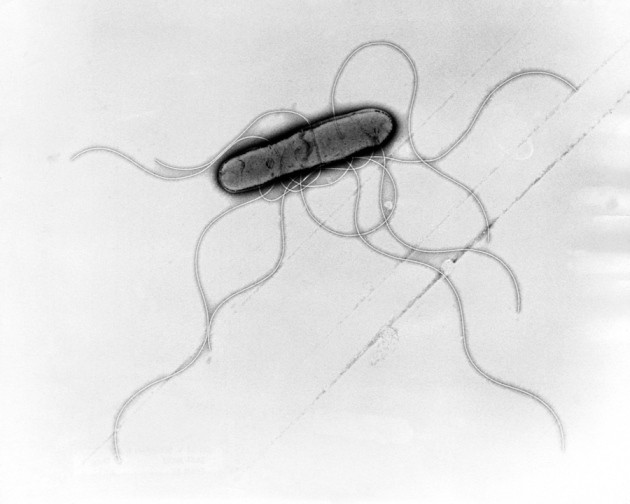
Transplanting Gut Bacteria Alters Depression-related Behavior, Brain Inflammation in Animals
Knowledge of stress biology may eventually bring bacterial treatments for psychiatric disorders.

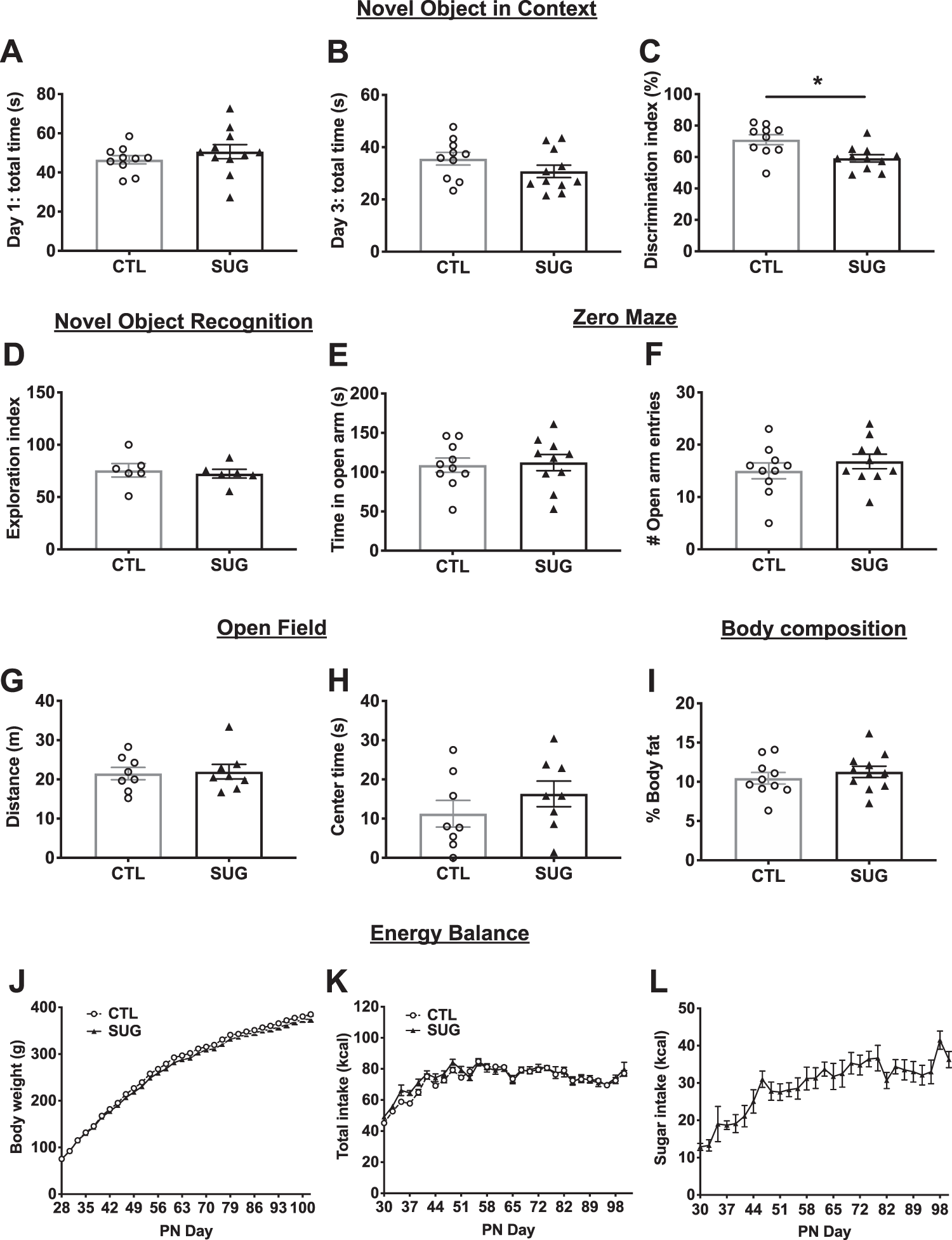
Gut microbial taxa elevated by dietary sugar disrupt memory function
Emerging evidence highlights a critical relationship between gut microbiota and neurocognitive development. Excessive consumption of sugar and other unhealthy dietary factors during early life developmental periods yields changes in the gut microbiome as well as neurocognitive impairments. However, it is unclear whether these two outcomes are functionally connected. Here we explore whether excessive early life consumption of added sugars negatively impacts memory function via the gut microbiome. Rats were given free access to a sugar-sweetened beverage (SSB) during the adolescent stage of development. Memory function and anxiety-like behavior were assessed during adulthood and gut bacterial and brain transcriptome analyses were conducted. Taxa-specific microbial enrichment experiments examined the functional relationship between sugar-induced microbiome changes and neurocognitive and brain transcriptome outcomes. Chronic early life sugar consumption impaired adult hippocampal-dependent memory function without affecting body weight or anxiety-like behavior. Adolescent SSB consumption during adolescence also altered the gut microbiome, including elevated abundance of two species in the genus Parabacteroides (P. distasonis and P. johnsonii) that were negatively correlated with hippocampal function. Transferred enrichment of these specific bacterial taxa in adolescent rats impaired hippocampal-dependent memory during adulthood. Hippocampus transcriptome analyses revealed that early life sugar consumption altered gene expression in intracellular kinase and synaptic neurotransmitter signaling pathways, whereas Parabacteroides microbial enrichment altered gene expression in pathways associated with metabolic function, neurodegenerative disease, and dopaminergic signaling. Collectively these results identify a role for microbiota “dysbiosis” in mediating the detrimental effects of early life unhealthy dietary factors on hippocampal-dependent memory function.
Microbiome study could change the way doctors diagnose depression
Researchers discover distinct gut bacteria prevalent in people with clinical depression compared to healthy people.
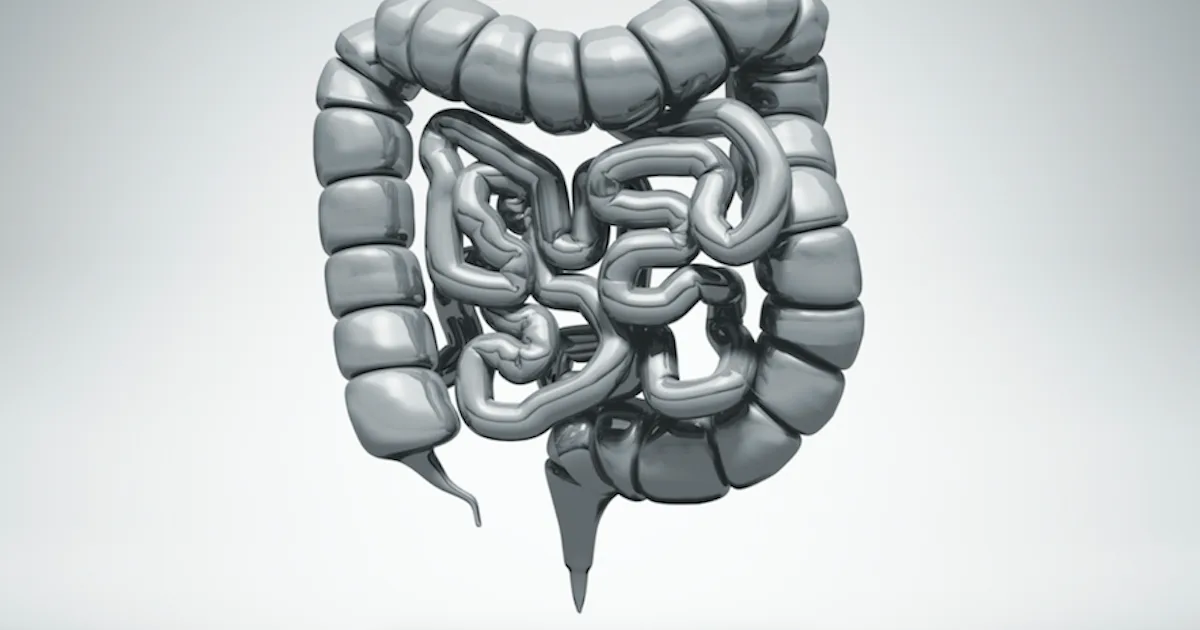
Research That Potentially Links Autism and Brain-Gut Microbiome - Neuroscience News
A new review of almost 200 publications suggests the gut microbiota may play a critical role in modulating brain function, social behavior and other symptoms of autism.
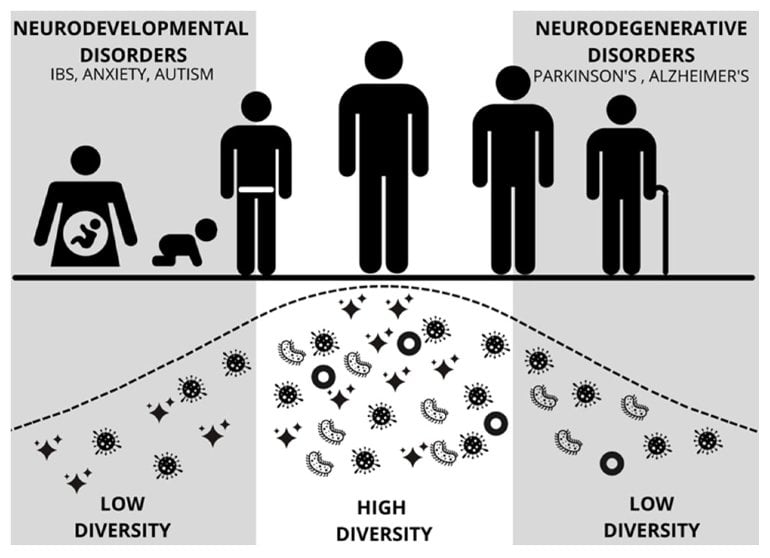
Psychiatry and Inflammatory Conditions
Diet and gut health are essential components of mental health, and the gut-brain axis has progressed from an esoteric concept to a popular one.
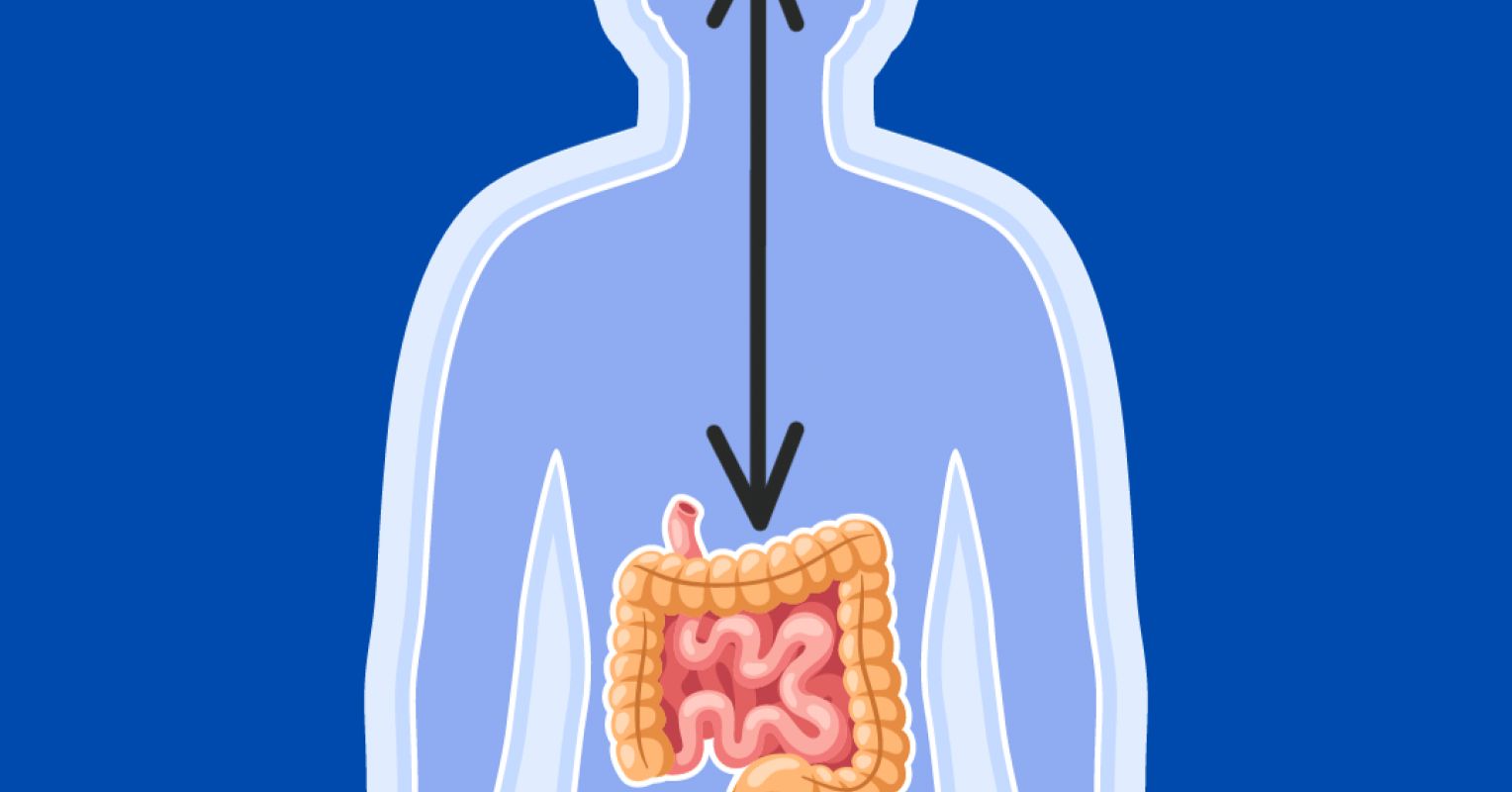
Role of diet and its effects on the gut microbiome in the pathophysiology of mental disorders
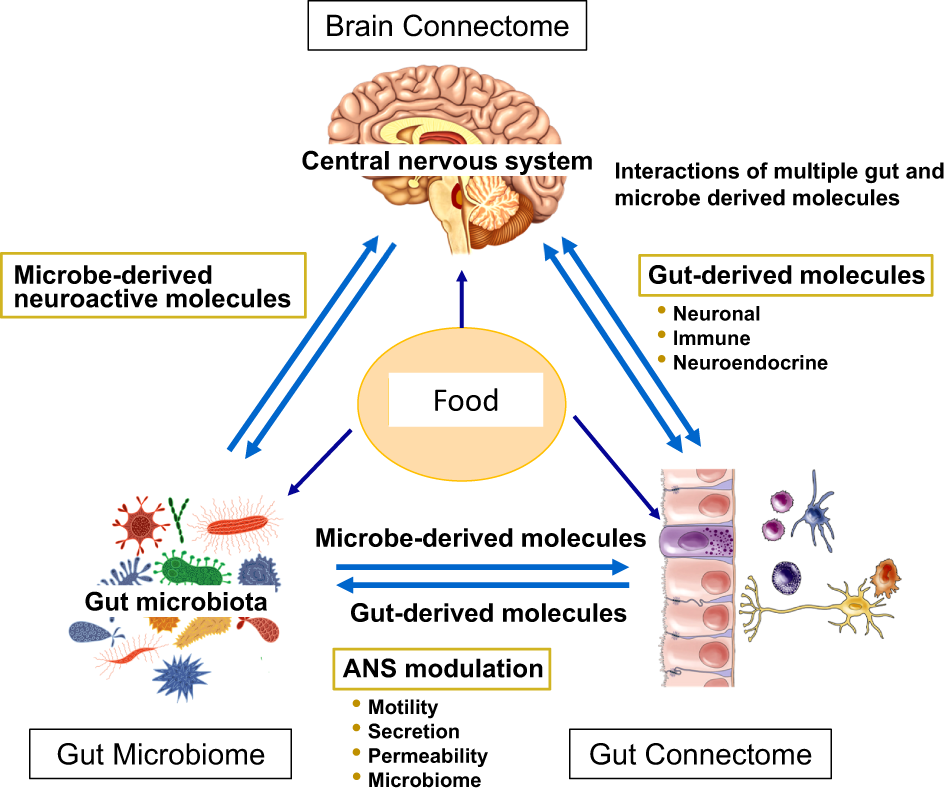
There is emerging evidence that diet has a major modulatory influence on brain-gut-microbiome (BGM) interactions with important implications for brain health, and for several brain disorders. The BGM system is made up of neuroendocrine, neural, and immune communication channels which establish a network of bidirectional interactions between the brain, the gut and its microbiome. Diet not only plays a crucial role in shaping the gut microbiome, but it can modulate structure and function of the brain through these communication channels. In this review, we summarize the evidence available from preclinical and clinical studies on the influence of dietary habits and interventions on a selected group of psychiatric and neurologic disorders including depression, cognitive decline, Parkinson’s disease, autism spectrum disorder and epilepsy. We will particularly address the role of diet-induced microbiome changes which have been implicated in these effects, and some of which are shared between different brain disorders. While the majority of these findings have been demonstrated in preclinical and in cross-sectional, epidemiological studies, to date there is insufficient evidence from mechanistic human studies to make conclusions about causality between a specific diet and microbially mediated brain function. Many of the dietary benefits on microbiome and brain health have been attributed to anti-inflammatory effects mediated by the microbial metabolites of dietary fiber and polyphenols. The new attention given to dietary factors in brain disorders has the potential to improve treatment outcomes with currently available pharmacological and non-pharmacological therapies.
The link between our food, gut microbiome and depression
A new study takes an important step forward in understanding the link between the gut bacteria, what we eat and how we feel

Psychobiotics: Bacteria to Brighten your Mood | Qualia
Uncover the power of psychobiotics—bacteria that boost mood and mental well-being. Explore the emerging field of gut-brain connection."

Brain-Gut Circuit Lets Microbiota Directly Affect the Sympathetic Nervous System
Gut bacteria play a direct role in neuronal communications between the gut and the brain, according to new research.

Gut bacteria may have impact on mental health, study says
Research opens door to possible treatments for depression based on probiotics
Microbiota modulate sympathetic neurons via a gut–brain circuit
Connections between the gut and brain monitor the intestinal tissue and its microbial and dietary content1, regulating both physiological intestinal functions such as nutrient absorption and motility2,3, and brain-wired feeding behaviour2. It is therefore plausible that circuits exist to detect gut microorganisms and relay this information to areas of the central nervous system that, in turn, regulate gut physiology4. Here we characterize the influence of the microbiota on enteric-associated neurons by combining gnotobiotic mouse models with transcriptomics, circuit-tracing methods and functional manipulations. We find that the gut microbiome modulates gut-extrinsic sympathetic neurons: microbiota depletion leads to increased expression of the neuronal transcription factor cFos, and colonization of germ-free mice with bacteria that produce short-chain fatty acids suppresses cFos expression in the gut sympathetic ganglia. Chemogenetic manipulations, translational profiling and anterograde tracing identify a subset of distal intestine-projecting vagal neurons that are positioned to have an afferent role in microbiota-mediated modulation of gut sympathetic neurons. Retrograde polysynaptic neuronal tracing from the intestinal wall identifies brainstem sensory nuclei that are activated during microbial depletion, as well as efferent sympathetic premotor glutamatergic neurons that regulate gastrointestinal transit. These results reveal microbiota-dependent control of gut-extrinsic sympathetic activation through a gut–brain circuit.

Fecal transplants for autism deliver success in clinical trials
Scientific research continues to uncover interesting connections between the gut microbiome and human health, including everything from depression to PTSD to autoimmune disease. Another example of this are emerging ties between gut health and autism. Exciting new research, now moving to Phase 3 human trials, has found boosting microbial diversity via fecal transplants can dramatically reduce autism symptoms in the long term.