

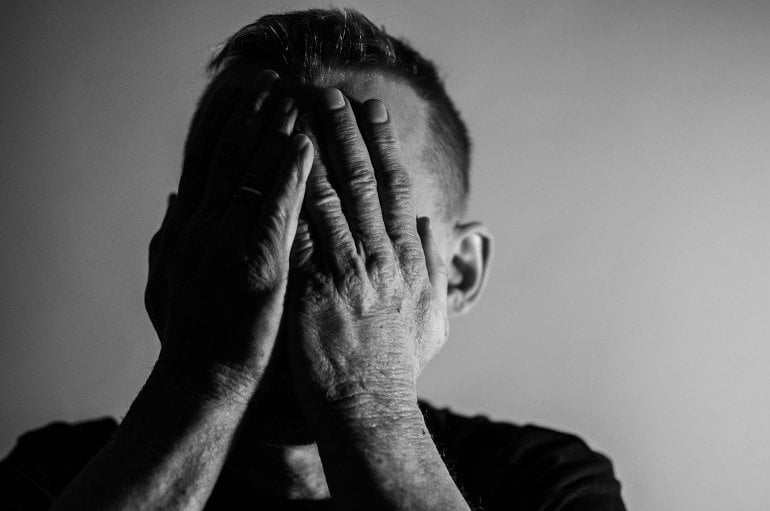
People show a decrease in motivation to exert effort or work when feeling fatigued. Motivation can be restored if people are allowed a short rest, however for those with long-term fatigue, motivation does not improve following a short-term period of rest.
Depression's "Energy Crisis": Fatigue Starts at the Cellular Level - Neuroscience News
Depression-related fatigue is caused by cellular "overworking" at rest and a failure to produce energy under stress.


To Anyone Who Thinks They're Falling Behind In Life
You don't need more motivation. You don't need to be inspired to action. You don't need to read any more lists and posts about how you're not doing enough. There's a magic beyond us that works in ways we can't understand.

Why Your Brain Needs More Downtime
Research on naps, meditation, nature walks and the habits of exceptional artists and athletes reveals how mental breaks increase productivity, replenish attention, solidify memories and encourage creativity

Sleep as a Competitive Advantage
Too many of us live by the myth that one less hour of sleep gives us one more hour of productivity, Tony Schwartz writes in the Life@Work column. In reality, lost sleep not only leaves us more fatigued, but also takes a toll on our cognitive capacity.

Sleep as a Competitive Advantage
Too many of us live by the myth that one less hour of sleep gives us one more hour of productivity, Tony Schwartz writes in the Life@Work column. In reality, lost sleep not only leaves us more fatigued, but also takes a toll on our cognitive capacity.
When one can work no more: The effects of burnout on your body
Continual stress is often associated with emotional problems, but it can also have major physical consequences, including heart attacks

Bored People Quit
Much has been written about employee motivation and retention. It's written by folks who actively use words like motivation and retention and generally don't ha
Procrastination Is More About Managing Emotions Than Time, Says Study - Slashdot
An anonymous reader quotes a report from the BBC: [A new study] identified two areas of the brain that determine whether we are more likely to get on with a task or continually put it off. Researchers used a survey and scans of 264 people's brains to measure how proactive they were. Experts say the...

Efficiency is the Enemy
If you ever find yourself stressed, overwhelmed, sinking into stasis despite wanting to change, or frustrated when you can’t respond to new opportunities, you need more slack in your life. Here’s how slack works and why you need more of it.
Laziness Does Not Exist
Psychological research is clear: when people procrastinate, there's usually a good reason

Laziness Does Not Exist
Psychological research is clear: when people procrastinate, there's usually a good reason
Exercise therapy for chronic fatigue syndrome
Exercise as treatment for adults with chronic fatigue syndrome, What is the aim of this review?, People with chronic fatigue syndrome have long‐lasting fatigue, joint pain, headaches, sleep problems, poor concentration and short‐term memory. These symptoms cause significant disability and distress. We wanted to find out whether exercise therapy can help people with chronic fatigue syndrome (myalgic encephalomyelitis)., Key messages, People who have exercise therapy probably have less fatigue at the end of treatment than those who receive more passive therapies. We are uncertain if this improvement lasts in the long term. We are also uncertain about the risk of serious side effects from exercise therapy., What was studied in the review?, We explored whether exercise therapy can reduce chronic fatigue syndrome symptoms. We searched for studies comparing the effect of exercise therapy with treatment as usual or other therapies., What are the main results of the review?, We found eight studies with 1518 participants. The studies compared participants who received exercise therapy to participants who received treatment as usual or more active treatments such as cognitive behavioural therapy., Participants had exercise therapy for 12 weeks to 26 weeks. The studies measured the effect of the therapy at the end of the treatment and also long term, after 50 or 72 weeks. Participants exercised at different levels of intensity using variations of aerobic exercising such as walking, swimming or cycling., Exercise therapy compared to treatment as usual or relaxation, Participants who have exercise therapy probably have less fatigue at the end of treatment, and they may have moderately better physical functioning. We are uncertain if these improvements last long term because we are very uncertain about the evidence., Participants who have exercise therapy may have slightly better sleep, both at the end of treatment and long term., We are uncertain about the risk of serious side effects and the effects of exercise therapy on pain, quality of life, and depression. This is because we lack evidence or because we are very uncertain about the evidence., Exercise therapy compared to cognitive behavioural therapy, Exercise therapy may make little or no difference to participants’ fatigue at end of treatment or in the long term. Exercise therapy may make little or no difference to participants’ physical functioning at end of treatment, but the long‐term effect on physical functioning is uncertain., No studies looked at the effect of exercise therapy on depression at the end of treatment, but it probably has little or no long‐term effect., We are uncertain about the risk of side effects. We are also uncertain about the effects on pain, quality of life, or sleep. This is because we lack evidence or because we are very uncertain about the evidence., Exercise therapy compared to adaptive pacing (living within limits), Participants who have exercise therapy may have slightly less fatigue and depressive symptoms and slightly better physical functioning and sleep at the end of treatment and long term than participants who have adaptive pacing., We are uncertain about the risk of serious side effects. We are also uncertain about the effect on quality of life or pain. This is because we lack evidence or we are very uncertain about the evidence., Exercise therapy compared to antidepressants, We are uncertain if exercise therapy is better than antidepressants at reducing fatigue. We are also uncertain of its effect on depression, side effects, pain, physical functioning, quality of life or sleep. This is because we lack evidence or we are very uncertain about the evidence., Why is this review important?, Exercise therapy is recommended by treatment guidelines and often used as treatment for people with chronic fatigue syndrome. People with chronic fatigue syndrome should have the opportunity to make informed decisions about their care and treatment based on robust research evidence and whether exercise therapy is effective, either as a stand‐alone intervention or as part of a treatment plan., It is important to note that the evidence in this review is from people diagnosed with 1994 criteria of the Centers for Disease Control and Prevention or the Oxford criteria. People diagnosed using other criteria may experience different effects.

Why Am I So Damn Tired All the Time?
What science says about your perpetual sleepiness—and what you can do to fix it.

Intrinsic Motivation: A deep dive
I dig into the research on intrinsic motivation. Super interesting subject. Long but hopefully quite thorough.

Low on energy? A new understanding of rest could help revitalise you
There is a state of relaxation that few of us spend much time in, but which comes with profound well-being benefits. With healthier ageing, reduced risk of disease and feeling more energised all on offer, here's how to get there
