


Aggression toward members in an "outgroup" was associated with increased activity in areas of the brain associated with reward. Activity in the ventromedial prefrontal cortex impacted the level of aggression a person demonstrated against an outsider.
Friend or Foe? Single Neurons in the Brain Control Social Interaction, Study Finds
The neurons, sprinkled across the frontal parts of the brain, are strikingly powerful. They tracked how players behaved—were they cooperative, or selfish?

How the brain responds to reward is linked to socioeconomic background
The brain’s sensitivity to rewarding experiences — a critical factor in motivation and attention — can be shaped by socioeconomic conditions, according to an MIT study.
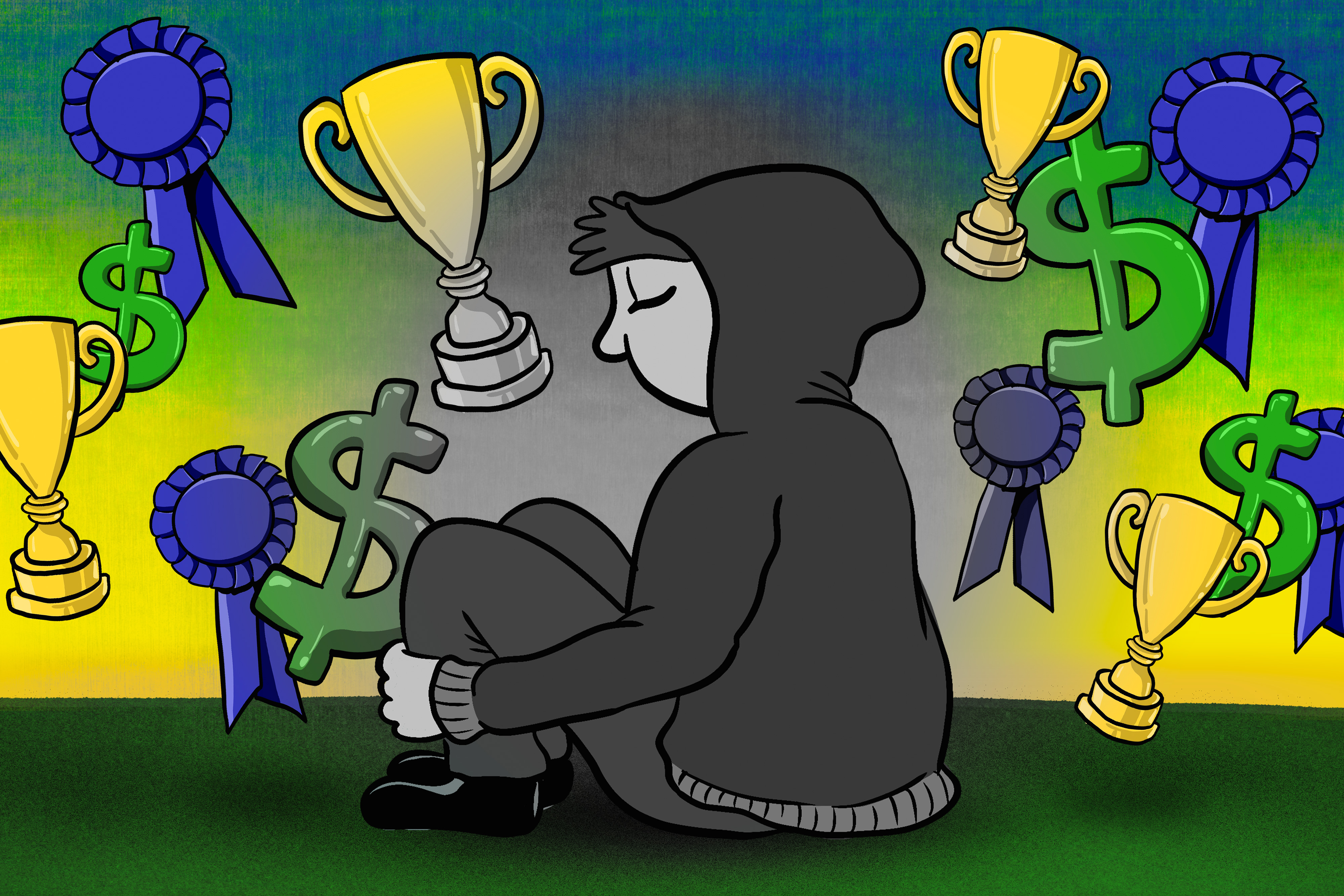
Rage Disorder Linked with Parasite Found in Cat Feces
Toxoplasmosis may alter brain chemistry in people exhibiting bouts of explosive anger

“How people fall apart”: Yale faculty discuss the impact of burnout on the brain
Understanding the neuroscience behind burnout could help people accept their resulting behavior and thought patterns as natural responses of the brain.

Testosterone causes both prosocial and antisocial status-enhancing behaviors in human males | PNAS
Although popular discussion of testosterone’s influence on males often centers on aggression and antisocial behavior, contemporary theorists have p...

Brain Circuit for Vicarious Fear Reveals How We Feel Others’ Pain - Neuroscience News
Scientists have uncovered a dedicated brain circuit that distinguishes between direct fear and fear learned by observing others—known as vicarious fear.

Social isolation linked to changes in brain structure and lower cognition ability
This showed that socially isolated people had poorer cognition, including in memory and reaction time, and lower volume of grey matter in many parts of the brain. These areas included the temporal region (which processes sounds and helps encode memory), the frontal lobe (which is involved in attention, planning and complex cognitive tasks) and the hippocampus – a key area involved in learning and memory, which is typically disrupted early in Alzheimer’s disease.

Social cognition and interpersonal violence
Why do some people resort to violence while others in similar circumstances do not? Drawing on 99 in-depth interviews with men from high-violence Chicago neighborhoods who participated in a community violence intervention, we examine how past exposure to violence shapes the social cognitions that influence future involvement in violence—through the schemas and scripts people use to interpret social situations and guide behavior. We identify three specific social cognitions that respondents associated with violence: misconstruing ambiguous cues as threats, defaulting to a narrow set of behavioral responses, and attributing violent behavior to fixed personal traits rather than situational factors. Respondents reported that participation in the program’s cognitive behavioral component shifted these social cognitions in ways they associated with reduced violence involvement. The consistency of these self-reports combined with the program’s experimental impacts suggest the hypothesis that these specific social cognitions could play an important role in violence and may be modifiable through intervention.

Emotional Memory Cells Driving Empathy Discovered - Neuroscience News
Researchers have uncovered a brain mechanism in the prefrontal cortex that determines how animals respond to others’ emotions based on their own past experiences.

Undersociality: miscalibrated social cognition can inhibit social connection
A person’s well-being depends heavily on forming and maintaining positive relationships, but people can be reluctant to connect in ways that would create or strengthen relationships. Emerging research suggests that miscalibrated social cognition may create psychological barriers to connecting with others more often. Specifically, people may underestimate how positively others will respond to their own sociality across a variety of social actions, including engaging in conversation, expressing appreciation, and performing acts of kindness.

What Causes the Brain’s Emotional Hub to Switch to Negative States? - Neuroscience News
Researchers explore how changes in the patterns of activity in the basolateral amygdala contribute to negative emotions such as fear, anxiety, and depression.
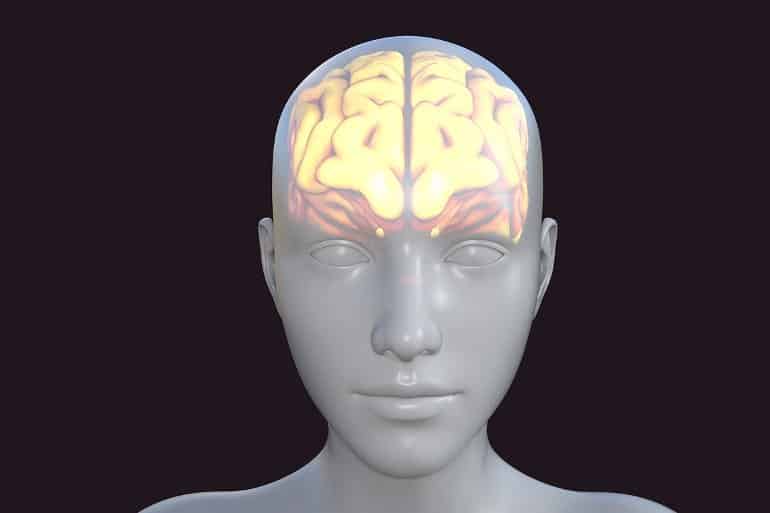
Normalcy bias prevents resilience to cognitive warfare
Professor Chad Briggs Discusses Cognitive Warfare (The Gorgon Effect)
Reflective and Impulsive Determinants of Social Behavior - Fritz Strack, Roland Deutsch, 2004
This article describes a 2-systems model that explains social behavior as a joint function of reflective and impulsive processes. In particular, it is assumed t...

High and low exercise intensity found to influence brain function differently - Neuroscience News
Low-intensity exercise triggers brain networks associated with cognitive control and attention processing, while high-intensity exercise activates networks involved in emotional processing.

How cognitive dissonance and normalcy bias prevent awareness and resilience to cognitive warfare attacks. Citing @chadbriggs.bsky.social and Janis Sarts. (Apologies to Janis for misspelling his name in the slide deck.) m.youtube.com/watch?v=BGeC-XGQAyI

Normalcy bias prevents resilience to cognitive warfare
m.youtube.com